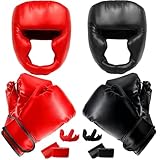
Ever wondered what makes a boxing glove tick? Beyond the leather and laces lies a carefully engineered piece of equipment designed to protect both the wearer and their opponent. Boxing gloves are far more than just padded hand coverings; they’re a crucial element in the sport’s safety and effectiveness. The materials, the construction, and even the weight are all meticulously considered to optimize performance and minimize the risk of injury.
As someone deeply immersed in the world of combat sports, I’ve spent countless hours studying the mechanics and design of boxing gloves. From the amateur gym to the professional ring, the right gloves are essential. In this guide, we’ll break down the anatomy of a boxing glove, explore its various components, and examine how these elements work together to provide protection and facilitate powerful punches. We’ll also cover the different types of gloves and what to consider when choosing the right pair for your training or competition needs.
Whether you’re a seasoned boxer, a casual enthusiast, or simply curious about the science behind the sport, this article will provide you with a comprehensive understanding of how boxing gloves function and why they’re so vital to the sweet science of boxing.
The Anatomy of a Boxing Glove
To truly understand how boxing gloves work, we need to dissect their components. A typical boxing glove is a complex structure, and each part plays a specific role in its overall function. Let’s break down the key elements:
The Outer Layer (the Shell)
The outer shell of a boxing glove is usually made from either leather or synthetic materials. This layer is the glove’s first line of defense, protecting the internal padding and providing durability.
- Leather: Traditionally, leather gloves were the standard. They offer excellent durability, a good feel, and conform well to the hand over time. However, leather gloves require more maintenance and can be more expensive. Common types include cowhide and, for higher-end gloves, goatskin or even horsehide.
- Synthetic Materials: Synthetic gloves, often made from materials like polyurethane (PU) or microfiber, have become increasingly popular. They are typically more affordable, require less maintenance, and can offer impressive durability. While they might not have the same feel as leather, advancements in synthetic materials have made them a viable option for many boxers.
The choice between leather and synthetic materials often comes down to budget, personal preference, and the level of training or competition. For example, professional fighters often prefer leather gloves due to the feel and durability, while beginners might find synthetic gloves a more cost-effective starting point.
The Padding (the Core)
The padding is the heart of the boxing glove’s protective capabilities. This is where the majority of impact absorption occurs. The padding composition can vary, but typically involves layers of different materials to provide optimal protection.
- Foam: High-density foam is a common component of boxing glove padding. It absorbs a significant amount of the impact energy, helping to cushion the blows. Different types of foam are used, ranging from single-layer foams to multi-layer foams, each providing a different level of protection and impact distribution.
- Gel: Some gloves incorporate gel padding in the impact zones. Gel offers excellent shock absorption and can help disperse the force of a punch more effectively. It can also help to reduce the risk of injury to the knuckles and wrists.
- Horsehair (Historically): In the past, horsehair was a common padding material. While it provided good impact absorption, it could also pack down over time, reducing its effectiveness. Modern gloves rarely use horsehair as the primary padding material.
The quality and density of the padding are crucial factors in determining the glove’s protective capabilities. More expensive gloves often use higher-quality padding materials and more sophisticated construction techniques to provide superior protection and durability.
The Wrist Support (the Cuff and Closure System)
The wrist support system is essential for stabilizing the wrist and preventing injuries. This is where the glove connects to the hand, and it plays a vital role in transferring power and protecting the wrist joint. The cuff and closure system are key components here:
- Cuff: The cuff is the part of the glove that wraps around the wrist. It provides support and helps to keep the wrist aligned during punches. The cuff’s length and rigidity can vary depending on the glove’s design and intended use. Longer cuffs often provide more support.
- Closure System: The closure system secures the glove to the hand and wrist. Common closure systems include:
- Laces: Lace-up gloves offer the most secure fit and are often preferred for professional fights. However, they require assistance to put on and take off.
- Hook-and-Loop (Velcro): Velcro gloves are much easier to put on and take off, making them ideal for training and sparring. They provide good support, though the fit may not be as precise as lace-up gloves.
- Combination: Some gloves combine laces and Velcro for a secure and adjustable fit.
The closure system’s effectiveness is critical for preventing wrist injuries. A well-designed wrist support system will keep the wrist aligned and absorb some of the impact force, reducing the stress on the joint.
The Hand Compartment (the Interior)
The hand compartment is the space inside the glove where the hand is housed. The design of this compartment affects the comfort, fit, and performance of the glove. The interior should be ergonomically shaped to promote a natural fist position and provide a secure fit. Key features include:
- Hand Position: The shape of the hand compartment should encourage a proper fist position, with the knuckles aligned and the wrist straight. This helps to maximize punching power and reduce the risk of injury.
- Lining: The lining of the hand compartment is usually made from a moisture-wicking material that helps to absorb sweat and keep the hand dry. This improves comfort and can extend the life of the glove. Common lining materials include nylon, polyester, and sometimes even leather.
- Thumb Placement: The thumb is often attached to the glove with a piece of leather or other material, designed to protect it from injury. The thumb placement should allow for a comfortable and natural position.
A well-designed hand compartment contributes significantly to the glove’s overall comfort, fit, and performance. A glove that fits well will allow you to punch more effectively and with greater confidence.
How Boxing Gloves Protect
The primary function of boxing gloves is to protect the hands of the boxer and, to a lesser extent, the face of the opponent. This protection is achieved through a combination of materials, design features, and construction techniques. Let’s delve into the specifics:
Impact Absorption
The padding is the key element in impact absorption. When a punch lands, the padding compresses, absorbing the force of the blow and dispersing it over a larger area. This reduces the peak impact force experienced by the boxer’s hand and the opponent’s head.
- Foam Density and Layering: The density and layering of the foam padding are critical to its impact absorption capabilities. Higher-density foams absorb more energy, while layered padding can distribute the force more effectively.
- Gel Inserts: Gel inserts can further enhance impact absorption by providing superior shock absorption and helping to disperse the force of the punch.
- Padding Thickness: Thicker padding generally provides more protection, but it can also make the glove bulkier and affect the boxer’s feel and maneuverability.
The effectiveness of impact absorption directly correlates to the glove’s ability to prevent hand injuries, such as broken bones, sprains, and bruises.
Wrist Support and Alignment
The wrist support system is crucial for preventing wrist injuries. By providing a secure fit and keeping the wrist aligned, the glove reduces the stress on the joint during punches.
- Cuff Design: The cuff’s length and rigidity contribute to wrist support. A longer, more rigid cuff provides greater support and stability.
- Closure System: The closure system (laces or Velcro) ensures a secure fit, preventing the glove from slipping and maintaining wrist alignment. Laces generally offer a more secure fit than Velcro.
- Proper Wrapping: Proper hand wrapping, which is typically done before putting on boxing gloves, is an essential part of wrist support. Hand wraps provide an extra layer of support and compression, further protecting the wrist and hand.
A well-supported wrist is less susceptible to sprains, fractures, and other injuries common in boxing. (See Also: Are Muay Thai Gloves The Same As Boxing Gloves )
Protection for the Opponent
While the primary purpose of boxing gloves is to protect the wearer, they also play a role in protecting the opponent. The padding helps to reduce the impact of the punches, minimizing the risk of cuts, bruises, and concussions.
- Padding Distribution: The padding is designed to distribute the impact force across a larger area of the opponent’s head, reducing the concentration of force.
- Glove Weight: The weight of the gloves also contributes to the safety of the opponent. Heavier gloves absorb more energy, reducing the force of the punch.
- Regulations: Boxing regulations specify the weight and padding requirements for gloves used in professional fights, ensuring a minimum level of protection for both fighters.
The gloves’ design and construction are crucial to maintaining the safety of both boxers during a match or training session.
Types of Boxing Gloves
Boxing gloves come in various types, each designed for a specific purpose. Understanding the different types can help you choose the right gloves for your training or competition needs.
Training Gloves
Training gloves are designed for general training, including bag work, sparring, and pad work. They typically offer a good balance of protection, durability, and comfort.
- Weight: Training gloves typically range in weight from 12oz to 16oz. The weight affects the level of protection and the amount of force required to throw a punch. Heavier gloves provide more protection but can slow down your hand speed.
- Padding: Training gloves usually have multiple layers of foam padding to absorb impact. Some may incorporate gel inserts for additional protection.
- Closure: Training gloves often use Velcro closures for ease of use, although lace-up gloves are also available.
- Features: Training gloves often include features such as breathable linings, reinforced stitching, and ergonomic designs for optimal comfort and performance.
Training gloves are the workhorses of any boxer’s gear collection, suitable for a wide range of training activities.
Sparring Gloves
Sparring gloves are specifically designed for sparring sessions. They prioritize safety, with extra padding and a softer feel to protect both fighters.
- Weight: Sparring gloves are typically 16oz or heavier to provide maximum protection.
- Padding: Sparring gloves have thick padding, often with multiple layers of foam and gel, to absorb impact and minimize the risk of injury.
- Construction: Sparring gloves are often designed with a focus on safety features, such as attached thumbs to prevent eye pokes and reinforced stitching.
- Fit: Sparring gloves may have a slightly different fit compared to training gloves, with a focus on comfort and a secure hand position.
The goal of sparring gloves is to allow boxers to practice their skills without risking serious injury.
Competition Gloves
Competition gloves are used in professional fights and amateur competitions. They are designed to meet specific regulations and prioritize performance over protection.
- Weight: Competition gloves must meet the weight requirements set by the governing body. These are usually 8oz or 10oz for professional fights, depending on the weight class, and 10oz for most amateur bouts.
- Padding: Competition gloves have less padding than training or sparring gloves, allowing for greater hand speed and power. The padding is often made of a denser foam.
- Closure: Competition gloves are typically lace-up for a secure fit, offering more wrist support.
- Regulations: Competition gloves must adhere to strict regulations set by boxing commissions, including specifications for weight, padding, and materials.
Competition gloves are designed for optimal performance in the ring, while still providing a degree of protection.
Bag Gloves
Bag gloves are designed for use on heavy bags and speed bags. They are typically smaller and more compact than training gloves.
- Weight: Bag gloves are usually lighter than training gloves, typically ranging from 10oz to 14oz.
- Padding: Bag gloves have less padding than training gloves, allowing for a better feel and more direct impact.
- Construction: Bag gloves are designed to withstand the repeated impact of hitting a heavy bag. They often have reinforced stitching and durable materials.
- Thumb Protection: Some bag gloves feature a thumb protector to prevent injuries.
Bag gloves are ideal for developing punching technique and power on the heavy bag and for improving hand speed on the speed bag.
Choosing the Right Boxing Gloves
Selecting the right boxing gloves is essential for your training, safety, and performance. Consider these factors when making your choice:
Your Training Goals
Your training goals will significantly influence the type of gloves you need. If you’re primarily training for fitness and bag work, training gloves might be sufficient. If you plan to spar, you’ll need sparring gloves. For competition, you’ll need to use competition gloves.
- Bag Work: For heavy bag work, choose training or bag gloves.
- Sparring: For sparring sessions, use sparring gloves to protect yourself and your partner.
- Competition: For competitions, use gloves that meet the weight and padding requirements.
Matching your gloves to your training goals ensures you have the right equipment for the job.
Weight
The weight of the gloves affects the level of protection and the amount of force required to throw a punch. Heavier gloves provide more protection but can slow down your hand speed. The right weight depends on your body weight, training goals, and the type of training you’re doing.
- Beginners: Beginners often start with 12oz or 14oz training gloves for a balance of protection and speed.
- Sparring: For sparring, 16oz gloves are generally recommended to provide maximum protection.
- Competition: Competition gloves have specific weight requirements based on weight class.
Choosing the correct weight is crucial for both protection and performance. (See Also: Can You Wrestle In Boxing Shoes )
Material
The material of the gloves affects their durability, feel, and cost. Leather gloves offer excellent durability and a good feel, while synthetic gloves are often more affordable and require less maintenance. Consider the following:
- Leather: Leather gloves are durable, conform to your hand over time, and offer a premium feel.
- Synthetic: Synthetic gloves are more affordable and require less maintenance.
- Durability: Choose gloves with durable materials and reinforced stitching for longevity.
The material impacts the gloves’ lifespan and how they feel during use.
Fit and Comfort
A proper fit is crucial for both comfort and performance. The gloves should fit snugly but not too tightly. Your fingers shouldn’t touch the end of the glove, and your hand should be able to make a natural fist. Consider the following:
- Hand Wrapping: Always wrap your hands before putting on gloves. This provides additional support and padding.
- Test the Fit: Try on the gloves with your hand wraps to ensure a comfortable fit.
- Movement: Make a fist and practice throwing punches to ensure the gloves don’t restrict your movement.
A well-fitting glove will allow you to punch more effectively and prevent injuries.
Padding
The padding is essential for impact absorption and protecting your hands. The amount and type of padding will vary depending on the glove’s intended use. Consider the following:
- Training Gloves: Choose training gloves with multiple layers of foam padding or gel inserts for optimal protection.
- Sparring Gloves: Sparring gloves should have thick padding to protect both fighters.
- Bag Gloves: Bag gloves generally have less padding, allowing for a better feel on the bag.
The padding significantly impacts the level of protection the gloves provide.
Closure System
The closure system affects the glove’s fit, support, and ease of use. Laces offer the most secure fit, while Velcro gloves are easier to put on and take off. Consider the following:
- Laces: Lace-up gloves provide a secure fit and are often preferred for professional fights.
- Velcro: Velcro gloves are easier to put on and take off, making them convenient for training.
- Support: Choose a closure system that provides adequate wrist support and stability.
The closure system is critical for securing the glove and providing wrist support.
Brand and Price
Reputable brands often offer high-quality gloves with proven performance. While price isn’t always an indicator of quality, it’s generally true that you get what you pay for.
- Research Brands: Research different brands and read reviews to get an idea of their reputation.
- Set a Budget: Determine your budget and look for gloves that meet your needs within that price range.
- Consider Value: Focus on getting the best value for your money.
Choosing a reputable brand can ensure that you’re getting a quality product that will last.
Maintenance and Care
Proper maintenance and care can extend the life of your boxing gloves and keep them performing at their best. Here are some tips:
Cleaning
Clean your gloves regularly to remove sweat, dirt, and bacteria. This will help to prevent odors and extend their lifespan.
- Wipe Down: After each use, wipe down the exterior of the gloves with a damp cloth.
- Air Dry: Allow your gloves to air dry completely after each use. Avoid direct sunlight or heat, as this can damage the materials.
- Disinfectant: Use a disinfectant spray specifically designed for sports equipment to kill bacteria and eliminate odors.
- Avoid Washing: Do not submerge your gloves in water or put them in a washing machine.
Regular cleaning is essential for hygiene and glove longevity.
Drying
Proper drying is crucial to prevent mold, mildew, and odors. Make sure your gloves are completely dry after each use.
- Air Dry: Air dry your gloves in a well-ventilated area after each use.
- Avoid Heat: Do not use a hairdryer or place your gloves near a heat source.
- Stuff with Newspaper: Stuffing your gloves with newspaper can help absorb moisture and speed up the drying process.
Proper drying prevents damage and extends the life of your gloves.
Storage
Store your gloves properly to protect them from damage and maintain their shape. (See Also: Is Everlast Good Boxing Gloves )
- Cool, Dry Place: Store your gloves in a cool, dry place away from direct sunlight and heat.
- Breathable Bag: Store your gloves in a breathable bag to allow for airflow.
- Avoid Compressing: Avoid compressing your gloves, as this can damage the padding.
Proper storage helps to preserve the quality of your gloves.
Odor Control
Boxing gloves can develop unpleasant odors due to sweat and bacteria. Use these methods to control odors:
- Disinfectant Spray: Use a disinfectant spray after each use.
- Baking Soda: Place a small amount of baking soda inside your gloves to absorb odors.
- Odor Eliminators: Use odor eliminator products specifically designed for sports equipment.
- Air Circulation: Ensure good air circulation to prevent odors from developing.
Odor control helps to keep your gloves fresh and clean.
Repairing
If your gloves get damaged, it’s important to repair them promptly. Small tears and loose stitching can be repaired by a professional or with basic sewing skills.
- Professional Repair: For significant damage, consider having your gloves repaired by a professional.
- DIY Repairs: Small tears and loose stitching can often be repaired with a needle and thread.
- Prevent Further Damage: Repairing damage promptly can prevent it from worsening and extending the life of your gloves.
Addressing damage promptly can extend the life of your gloves.
The Science of a Punch: How Gloves Facilitate Power
Boxing gloves don’t just protect; they also play a crucial role in how a boxer generates and delivers power. The design and construction of the gloves contribute to the efficiency and effectiveness of punches. Let’s delve into the science behind it:
Weight Distribution
The weight of the gloves affects how a boxer throws punches. Heavier gloves can slow down hand speed, but they also provide more protection and can influence a boxer’s technique.
- Momentum: The weight of the gloves contributes to the momentum of the punch. More weight can result in more force, but it can also make it harder to throw combinations quickly.
- Balance: The weight distribution in the gloves can affect a boxer’s balance and ability to move quickly.
- Training: Boxers often use heavier gloves during training to build strength and endurance, and then switch to lighter gloves for competition to increase hand speed.
The weight distribution of the gloves impacts the overall power and efficiency of a boxer’s punches.
Impact Surface Area
The impact surface area of the glove affects how the force of a punch is distributed. A larger surface area can reduce the concentration of force, while a smaller surface area can increase the impact on a specific point.
- Padding Design: The design of the padding influences the impact surface area. Gloves with a more rounded shape distribute the force more evenly, while gloves with a flatter shape can concentrate the force.
- Targeting: Boxers learn to target specific areas of the glove to maximize impact and effectiveness.
- Opponent Protection: The impact surface area also affects the level of protection provided to the opponent.
The impact surface area is crucial for both power generation and injury prevention.
Hand Position and Biomechanics
The design of the hand compartment in a glove encourages a proper hand position. This, in turn, influences the biomechanics of the punch. The hand should be positioned to align the knuckles with the wrist to maximize force transfer.
- Fist Alignment: A properly aligned fist allows for a more efficient transfer of energy from the body to the target.
- Wrist Stability: The wrist support system in the glove stabilizes the wrist, preventing it from bending or twisting during the punch.
- Power Transfer: The combination of a proper hand position and wrist support allows for the most efficient transfer of power.
The glove’s design contributes to the biomechanics of a powerful and effective punch.
Force Transmission
The padding, the materials, and the overall construction of the glove work together to transmit the force of the punch. The goal is to transfer as much force as possible from the boxer’s body to the target.
- Padding Compression: When a punch lands, the padding compresses, absorbing some of the force and then transferring the remaining force to the opponent.
- Energy Transfer: A well-designed glove will efficiently transfer energy to the target.
- Minimizing Energy Loss: The goal is to minimize energy loss during the punch.
The force transmission capabilities of the glove are critical to the power and effectiveness of a punch.
Final Thoughts
Boxing gloves are essential equipment in the sport of boxing, designed to safeguard the hands of the boxer and, to a degree, the face of the opponent. The anatomy of a boxing glove is intricate, comprising an outer shell, padding, wrist support, and a hand compartment, each element serving a unique purpose. The padding, a core component, absorbs the impact of punches, while the wrist support system stabilizes the wrist, preventing injuries. Different types of gloves, including training, sparring, competition, and bag gloves, cater to various training and competitive needs. Choosing the right gloves involves considering training goals, weight, materials, fit, padding, and the closure system. Proper maintenance, including cleaning, drying, and storage, is crucial for glove longevity. Beyond protection, gloves influence a boxer’s power generation through weight distribution, impact surface area, hand position, and force transmission. Ultimately, selecting the appropriate gloves and caring for them correctly are vital for a boxer’s safety, performance, and the longevity of their equipment.
Understanding how boxing gloves work is crucial for anyone involved in the sport. From the intricate construction to the specific features designed for protection and performance, every aspect of a boxing glove plays a vital role. Choosing the right pair of gloves and taking proper care of them ensures a safer and more effective training experience. Whether you’re a seasoned professional or a beginner, a well-chosen and well-maintained pair of gloves will undoubtedly enhance your boxing journey.
Ultimately, the science behind boxing gloves highlights the intricate balance between protection and performance, making them indispensable in the world of boxing. By understanding the components and their functions, you can make informed decisions about your equipment and training, optimizing your safety and your ability to compete.
So, the next time you step into the ring or hit the heavy bag, remember the science and design behind your gloves. They are more than just a piece of equipment; they are a testament to the dedication and ingenuity that defines the sweet science of boxing.