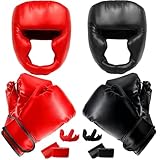
So, you’re stepping into the ring, or maybe just lacing up for your first boxing class? Awesome! One of the first questions that pops up, after “how do I not get punched in the face?” is likely, “how big should boxing gloves be?” It’s a crucial question, because the right size makes a huge difference in your safety, your training, and even your performance. Get it wrong, and you could be dealing with injuries or hindering your progress.
Don’t worry, it’s not rocket science. We’re going to break down everything you need to know about boxing glove sizes, from the ounces to the specific uses. This guide will help you understand how to choose the perfect pair, ensuring you’re well-protected and ready to throw some punches (or at least, learn how to). Let’s get started and make sure you’re geared up properly, from the get-go!
Whether you’re aiming for fitness, sparring, or competitive bouts, understanding glove size is fundamental. We’ll cover the different weights, the types of gloves, and how they relate to your weight and training goals. Consider this your comprehensive guide to boxing glove sizing – let’s get you fitted!
Understanding Boxing Glove Weights
Boxing gloves are measured in ounces (oz), which refers to the weight of the padding in the glove. This weight directly impacts the glove’s size, protection level, and intended use. The higher the ounce weight, the more padding and protection the glove offers. This is an important concept to grasp to select the correct size.
What Do the Ounces Mean?
The ounce weight of a boxing glove isn’t just a random number; it directly relates to the amount of padding used. More padding equals more protection, which is critical for both the boxer and their sparring partner. It also affects the punch’s power and the overall training experience.
- 8 oz Gloves: These are typically used in professional fights, where speed and precision are emphasized. They offer less padding, allowing for faster punches but provide less protection.
- 10 oz Gloves: Commonly used in professional bouts, these gloves offer a balance between speed and protection. They are also sometimes used for advanced training.
- 12 oz Gloves: These are popular for lighter individuals and women during sparring and bag work. They provide more protection than 8 or 10 oz gloves.
- 14 oz Gloves: A standard choice for sparring, especially for heavier fighters. They provide a good level of protection and are suitable for various training activities.
- 16 oz Gloves: Recommended for sparring for most adults, as they provide the highest level of protection. They’re also often used for heavy bag work to minimize the risk of injury.
The Importance of Padding
The padding in boxing gloves is your primary defense against injury. It absorbs the impact of punches, protecting both your hands and your opponent’s face and body. Without sufficient padding, you risk hand fractures, sprains, and other injuries. Your sparring partner will also be protected from harder hits, which is essential to have a safe and productive training session.
Choosing the Right Glove Size: A Detailed Guide
Selecting the right size of boxing gloves is crucial for your safety and training effectiveness. The size you need depends on several factors, including your weight, the type of training you’ll be doing, and the rules of any competition you may enter.
Weight-Based Guidelines
One of the most common methods for determining the right boxing glove size is based on your body weight. Here’s a general guideline:
| Weight | Recommended Glove Size |
|---|---|
| Under 100 lbs | 10 oz |
| 100-150 lbs | 12 oz |
| 150-175 lbs | 14 oz |
| Over 175 lbs | 16 oz |
Important Note: These are general guidelines. Individual needs can vary depending on your training style, the intensity of your workouts, and any specific requirements of your gym or competition. Always check with your coach or trainer for personalized recommendations. (See Also: Are Muay Thai Gloves The Same As Boxing Gloves )
Training Type and Glove Size
The type of training you’re doing also influences the size of gloves you should use. Different activities require different levels of protection and maneuverability.
- Heavy Bag Work: For heavy bag training, you can typically use the same size gloves as you would for sparring. However, some people prefer slightly heavier gloves (like 16 oz) to provide extra protection for their hands and wrists during intense workouts. Consider your weight and the bag’s density when making your choice.
- Sparring: Sparring gloves should always be 14 oz or 16 oz. These sizes offer the best protection for both you and your sparring partner. The increased padding helps absorb the impact of punches and reduces the risk of injury.
- Competition: In professional matches, the glove size is usually determined by the weight class of the fighters. Most professional bouts use 8 oz or 10 oz gloves. Always adhere to the rules of the specific competition.
- Fitness Boxing: If you’re boxing for fitness, a lighter glove (12 oz or 14 oz) might be sufficient. These gloves provide good protection while allowing for a reasonable range of motion.
Other Considerations
Beyond weight and training type, several other factors can influence your glove size selection.
- Hand Size: If you have larger hands, you might prefer a slightly larger glove for a better fit, even if it’s not technically required based on your weight. Trying on gloves before purchasing is always a good idea.
- Experience Level: Beginners often benefit from larger, more protective gloves (14 oz or 16 oz), as they are still developing their technique and are more prone to injury.
- Gym Rules: Some gyms have specific requirements for glove sizes, especially for sparring sessions. Always check with your gym before purchasing gloves.
Types of Boxing Gloves
Boxing gloves come in various types, each designed for specific purposes and with different features. Understanding these types will help you make a more informed decision.
Training Gloves
These are the most versatile gloves, suitable for both bag work and sparring. They typically feature thick padding for maximum protection. Training gloves are durable and designed to withstand the rigors of regular use. Key features include:
- Thick padding: Provides excellent protection for your hands and your sparring partner.
- Durable construction: Made to withstand repeated use.
- Versatile use: Suitable for bag work and sparring.
Sparring Gloves
Sparring gloves are specifically designed for safe sparring sessions. They have extra padding in the knuckles and wrist areas to protect both fighters. Key features include:
- Extra padding: Specifically designed for sparring to minimize injury risk.
- Wrist support: Often feature additional wrist support for stability.
- Weight: Usually 14 oz or 16 oz to provide maximum protection.
Competition Gloves
These gloves are used in professional fights and are designed for performance. They often have a different shape and padding distribution than training gloves, designed to provide maximum power. Key features include:
- Specific weight: Often 8 oz or 10 oz, depending on the weight class.
- Designed for power: Optimized for delivering powerful punches.
- Less padding: Compared to training or sparring gloves, they have less padding to increase speed and impact.
Bag Gloves
Bag gloves are designed for heavy bag work and are typically lighter than training or sparring gloves. They provide less padding and are focused on allowing you to develop speed and technique. Key features include:
- Less padding: Provides a more direct feel for the punch.
- Designed for speed: Allows for faster punching and increased hand speed.
- Wrist support: Some bag gloves offer wrist support, but not as extensive as sparring gloves.
Finding the Right Fit: Glove Features and Fit Considerations
The fit of your boxing gloves is just as important as the size. A poorly fitting glove can lead to discomfort, blisters, and even injuries. Here’s what to consider: (See Also: Can You Wrestle In Boxing Shoes )
Padding and Material
The type of padding and the materials used in the glove’s construction significantly impact its performance and comfort. High-quality gloves often use multiple layers of foam or gel padding to absorb impact effectively.
- Padding: Look for gloves with multi-layered foam padding for superior shock absorption. Gel padding can also provide added protection.
- Material: Leather gloves are generally more durable and provide a better fit over time. Synthetic materials are a more affordable option but might not last as long.
Closure Systems
The closure system of your gloves determines how securely they fit and how easy they are to put on and take off.
- Lace-up Gloves: These gloves offer the most secure fit but require assistance to put on and take off. They are common in professional fights.
- Hook-and-Loop Gloves (Velcro): These gloves are easier to put on and take off independently. They are ideal for training and sparring.
Wrist Support
Adequate wrist support is critical to prevent injuries. Look for gloves with reinforced wrist cuffs, especially if you have a history of wrist problems or are new to boxing.
- Wrist Cuffs: Wide wrist cuffs provide better support and stability.
- Padding: Ensure the padding extends to the wrist area for added protection.
Fit and Comfort
The glove should fit snugly but not too tightly. You should be able to make a fist comfortably without feeling restricted. Try the gloves on with hand wraps to get a true fit.
- Hand Wraps: Always wear hand wraps when trying on gloves. They provide additional support and absorb sweat.
- Fist Formation: Make a fist to ensure you have enough room and that the glove doesn’t pinch your fingers.
- Thumb Position: The thumb should sit comfortably in its pocket without excessive pressure.
Hand Wraps: The Unsung Heroes
Hand wraps are an essential part of your boxing gear. They provide additional support, protect your knuckles, and absorb sweat. They also help to secure your wrist and provide a more custom fit.
Why Hand Wraps Are Important
Hand wraps protect your hands from injury by:
- Protecting Knuckles: They provide a layer of padding over your knuckles, reducing the impact of punches.
- Supporting Wrists: They stabilize your wrists, preventing sprains and other injuries.
- Absorbing Sweat: They wick away sweat, keeping your gloves cleaner and extending their lifespan.
How to Wrap Your Hands
Wrapping your hands correctly is crucial for maximizing the benefits of hand wraps. There are many different wrapping techniques, but here’s a basic guide:
- Start with the Thumb Loop: Place the thumb loop over your thumb.
- Wrap the Wrist: Wrap the wrist several times to provide support.
- Wrap the Knuckles: Wrap the knuckles to provide padding and protection.
- Wrap Between Fingers: Wrap between your fingers to secure your hand.
- Finish on the Wrist: Secure the wrap on the wrist with the Velcro closure.
Choosing the Right Hand Wraps
Hand wraps come in various materials and lengths. Choose wraps that are comfortable and provide adequate support. (See Also: Is Everlast Good Boxing Gloves )
- Material: Cotton wraps are a common choice, but some wraps are made of elasticated materials for a more secure fit.
- Length: Wraps typically range from 120 inches to 180 inches. Longer wraps provide more coverage and support.
Caring for Your Boxing Gloves
Proper care can significantly extend the lifespan of your boxing gloves and keep them performing their best. Here are some tips:
Cleaning Your Gloves
Regular cleaning is essential to prevent the buildup of bacteria and odors.
- Wipe Down After Use: After each training session, wipe down the outside of your gloves with a damp cloth to remove sweat and dirt.
- Air Dry: Allow your gloves to air dry completely after each use. Avoid placing them in direct sunlight or heat, as this can damage the material.
- Use Glove Deodorizers: Place glove deodorizers inside your gloves to absorb moisture and eliminate odors.
Storing Your Gloves
Proper storage helps to maintain the shape and condition of your gloves.
- Store in a Cool, Dry Place: Store your gloves in a well-ventilated area away from direct sunlight and extreme temperatures.
- Use a Glove Bag: Consider using a glove bag to protect your gloves during storage and transport.
Maintaining Your Gloves
Regular maintenance can help prevent damage and extend the life of your gloves.
- Inspect Regularly: Check your gloves for any signs of wear and tear, such as rips or loose stitching.
- Repair Promptly: Repair any damage immediately to prevent it from worsening.
- Consider Professional Cleaning: Occasionally, you may want to have your gloves professionally cleaned to remove stubborn odors and dirt.
Verdict
Choosing the right boxing glove size is a crucial decision that impacts your safety, training effectiveness, and overall experience in the sport. By understanding the different weight classes, the types of gloves, and the key factors that influence fit, you can make an informed choice that supports your goals.
Remember to consider your weight, the type of training you’ll be doing, and any specific requirements of your gym or competition. Always prioritize safety by wearing hand wraps and choosing gloves that provide adequate protection for your hands and wrists. With the right gear, you’ll be well-prepared to step into the ring, improve your skills, and enjoy the benefits of boxing.
Ultimately, investing time in understanding the nuances of boxing glove sizing will pay dividends in your training and performance. Whether you’re a beginner or a seasoned fighter, the right gloves are essential for a safe and successful boxing journey. So, gear up, wrap up, and get ready to punch your way to your goals!