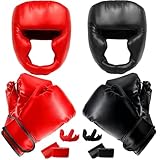
So, you’re stepping into the world of boxing, or maybe you’re just curious about the sport. That’s fantastic! Boxing is a challenging and rewarding activity, offering a great workout and a chance to learn valuable self-defense skills. But before you even think about throwing a punch, there’s a crucial piece of equipment you need to understand: hand wraps. Now, the big question: do you *have* to wear them under your boxing gloves? The answer, as you’ll soon discover, is a resounding yes, and for very good reasons.
This isn’t just a matter of following the rules; it’s about protecting your most valuable assets: your hands. Boxing involves repeatedly striking hard surfaces, and without the proper protection, you’re setting yourself up for potential injuries. Think of hand wraps as the foundation of your hand protection system. They provide support, cushion, and absorb impact, minimizing the risk of fractures, sprains, and other painful setbacks. Let’s delve into why hand wraps are indispensable and how to choose and use them effectively.
The Importance of Hand Wraps
Hand wraps are an essential piece of equipment for any boxer, regardless of skill level. They serve multiple vital functions, all contributing to the safety and longevity of your boxing career. Neglecting hand wraps is like driving a car without a seatbelt – you might get away with it sometimes, but the risks are significantly higher. Let’s break down the key reasons why hand wraps are non-negotiable:
Protection Against Injury
This is the primary function. Boxing involves repeatedly striking solid objects, and the human hand is not naturally designed to withstand such impacts. Hand wraps act as a crucial buffer between your knuckles, wrists, and the force of each punch. They compress the bones in your hand, reducing the risk of fractures, dislocations, and sprains. They also provide crucial support to the wrist, which is particularly vulnerable to injury during punching.
Support and Alignment
Hand wraps provide essential support to the wrist, knuckles, and metacarpals (the long bones in your hand). This support helps to keep your hand aligned correctly when you punch, minimizing the chances of bending or twisting your wrist. Proper alignment is crucial for transferring the force of your punch efficiently and safely. A well-wrapped hand is a stronger hand.
Absorption of Impact
Hand wraps absorb a significant portion of the impact from each punch. This cushioning effect helps to reduce the stress on your knuckles and other hand structures. Without this absorption, the force of each blow would be directly transferred to your bones and joints, leading to quicker fatigue and a higher risk of injury.
Enhanced Punching Power and Technique
While the primary purpose is protection, hand wraps can also contribute to improved punching technique. By providing a more stable and supported hand, wraps allow you to generate more power with each punch. The added support can also help you maintain proper form, which is essential for maximizing your punching efficiency and minimizing the risk of injury.
Hygiene
Boxing gloves can harbor bacteria and sweat. Hand wraps provide a barrier between your hand and the inside of your gloves, helping to absorb sweat and prevent the growth of bacteria. This helps to keep your gloves cleaner and reduces the risk of skin infections.
Understanding the Anatomy of Your Hand
To fully appreciate the importance of hand wraps, it’s helpful to understand the basic anatomy of your hand. Your hand is a complex structure consisting of numerous bones, ligaments, tendons, and muscles. This intricate design allows for a wide range of motion but also makes it susceptible to injury, especially under the repetitive stress of boxing.
Bones
Your hand contains 27 bones, divided into three main groups: the carpals (wrist bones), metacarpals (hand bones), and phalanges (finger bones). The metacarpals are particularly vulnerable to injury during boxing, as they are directly involved in transferring the force of your punch. The carpals, especially the scaphoid and lunate, are also susceptible to injury.
Ligaments
Ligaments are tough, fibrous tissues that connect bones to each other, providing stability to your joints. In your hand, ligaments hold the bones together and allow for controlled movement. During boxing, ligaments can be stretched or torn, leading to sprains and instability. (See Also: Are Muay Thai Gloves The Same As Boxing Gloves )
Tendons
Tendons are strong, fibrous cords that connect muscles to bones. They transmit the force of muscle contractions to the bones, allowing you to move your fingers, wrist, and hand. Tendons can be strained or torn during boxing, leading to pain and reduced function.
Muscles
Numerous muscles in your hand and forearm are responsible for generating the force needed to punch. These muscles are vulnerable to fatigue and injury, and hand wraps help to provide support and reduce the impact on these muscles.
Types of Hand Wraps
There are two main types of hand wraps available: Mexican-style and traditional wraps. Each has its own characteristics and benefits.
Mexican-Style Hand Wraps
Mexican-style hand wraps are generally considered the superior choice for boxing. They are made from a blend of materials, typically including cotton and spandex, which provides a balance of support, stretch, and comfort. They are known for their elasticity, allowing for a snug and secure fit that conforms to the shape of your hand. This elasticity also allows for a greater range of motion compared to traditional wraps. Mexican-style wraps are usually longer than traditional wraps, providing more coverage and support. They are also known for their durability and ability to withstand repeated use.
Benefits of Mexican-Style Hand Wraps:
- Superior Support: The stretchy material provides excellent support to the wrist, knuckles, and hand.
- Comfort: The blend of materials is generally comfortable against the skin.
- Durability: They are designed to withstand the rigors of boxing training.
- Elasticity: Allows for a snug fit and a greater range of motion.
- Length: Typically longer, providing more coverage and protection.
Drawbacks of Mexican-Style Hand Wraps:
- Can be slightly more expensive than traditional wraps.
- May require more practice to wrap correctly due to the stretch.
Traditional Hand Wraps
Traditional hand wraps are typically made from a woven cotton material. They are less stretchy than Mexican-style wraps, providing a more rigid feel. They are generally more affordable than Mexican-style wraps and are a good option for beginners. Traditional wraps can be less forgiving if you don’t wrap them correctly, and they may not provide as much support as Mexican-style wraps. They are also less likely to conform to the shape of your hand as closely.
Benefits of Traditional Hand Wraps:
- Affordability: Generally less expensive than Mexican-style wraps.
- Durability: Can be very durable if made from quality cotton.
- Simplicity: Easier to learn to wrap for beginners.
Drawbacks of Traditional Hand Wraps:
- Less stretch, potentially less support.
- Can be less comfortable than Mexican-style wraps.
- May require more careful wrapping to achieve a secure fit.
Choosing the Right Hand Wraps
When selecting hand wraps, consider the following factors: (See Also: Can You Wrestle In Boxing Shoes )
Material
Mexican-style wraps (cotton/spandex blend) are generally preferred for their superior support and comfort. Traditional wraps (cotton) are a good budget-friendly option, but may offer less support. The material should be breathable and absorbent to wick away sweat.
Length
Hand wrap length typically ranges from 120 inches to 180 inches. Beginners often find shorter wraps (120 inches) easier to manage. As you gain experience, you might prefer longer wraps (180 inches) for more comprehensive coverage and support. 180 inches is the standard and most common length.
Closure
Most hand wraps feature a hook-and-loop (Velcro) closure for easy and secure fastening. Some wraps may also have a thumb loop to help keep the wrap in place during wrapping. Ensure the closure is strong and durable.
Durability
Look for hand wraps that are made from high-quality materials and construction. They should be able to withstand the rigors of regular training without fraying or tearing. Check the stitching and the overall quality of the fabric.
Comfort
Choose wraps that feel comfortable against your skin. Avoid wraps with rough or abrasive materials that could cause irritation. Mexican-style wraps are generally very comfortable.
Washability
Hand wraps will get sweaty, so it’s important to choose wraps that are easy to wash. Follow the manufacturer’s instructions for washing and drying. Consider washing them after each training session to maintain hygiene and prevent odors.
Sizing
Hand wraps are typically one-size-fits-all, but it’s important to choose the right length for your hand size and wrapping style. Experiment with different lengths to find what works best for you. If in doubt, opt for a slightly longer wrap, as you can always adjust the amount of overlap.
Brand Reputation
Consider the reputation of the brand. Some brands are known for producing high-quality hand wraps. Research different brands and read reviews to get an idea of their product quality and customer satisfaction.
Here’s a comparison table to help you:
| Feature | Mexican-Style Hand Wraps | Traditional Hand Wraps |
|---|---|---|
| Material | Cotton/Spandex Blend | Woven Cotton |
| Stretch | High | Low |
| Support | Excellent | Good |
| Comfort | Excellent | Good |
| Length | 180 inches typically | 120-180 inches |
| Price | Slightly Higher | Lower |
| Ease of Wrapping | Moderate | Easier for beginners |
How to Wrap Your Hands
Proper hand wrapping is crucial for maximizing the protection and support provided by the wraps. Here’s a step-by-step guide to wrapping your hands correctly. Practice makes perfect, so don’t be discouraged if it takes a few tries to get it right. There are many different wrapping styles, but this is a common and effective method. (See Also: Is Everlast Good Boxing Gloves )
Step-by-Step Guide
- Prepare Your Wraps: Ensure your hand wraps are clean and dry. Make sure the loop is on the thumb.
- Thumb Loop: Place the loop over your thumb, with the wrap hanging down the back of your hand.
- Wrist Wraps: Wrap the material around your wrist 2-3 times, ensuring a snug but not overly tight fit. This provides crucial wrist support.
- Down the Hand: Bring the wrap down the back of your hand, across the knuckles.
- Knuckle Coverage: Wrap the material across your knuckles, starting from the back of your hand. Make 2-3 passes across your knuckles. This is the area that takes the most impact, so adequate coverage is crucial.
- Between Fingers: Wrap the material between your fingers, starting with the pinky finger, then the ring finger, middle finger, and index finger. This helps to secure the hand and prevent the fingers from splaying out during impact.
- Back Up the Hand: Wrap the material back up the hand, covering the knuckles again. Ensure the wrap overlaps the previous layer to provide optimal support and protection.
- Wrist Closure: Wrap the remaining material around your wrist, securing the hook-and-loop closure.
- Check for Fit: Make sure the wrap is snug but not constricting. You should be able to make a fist comfortably. Your knuckles should be well-protected, and your wrist should feel supported.
- Repeat for the Other Hand: Repeat the process for your other hand.
Tips for Effective Hand Wrapping
- Start with a Clean Hand: Ensure your hands are clean and dry before wrapping.
- Don’t Wrap Too Tight: Overly tight wraps can restrict blood flow and cause discomfort. Aim for a snug but comfortable fit.
- Protect the Knuckles: Pay close attention to covering your knuckles adequately. This is where the majority of the impact occurs.
- Secure the Wrist: Ensure your wrist is well-supported to prevent injuries.
- Experiment with Different Styles: There are various hand-wrapping techniques. Experiment to find a style that works best for you.
- Practice Regularly: The more you practice, the faster and more efficient you’ll become at wrapping your hands.
- Check for Comfort: After wrapping, make a fist and move your hand around to ensure the wrap is comfortable and doesn’t restrict movement.
- Adjust as Needed: Don’t be afraid to adjust the wraps if they feel too loose or too tight.
Maintenance and Care of Hand Wraps
Proper maintenance and care will extend the life of your hand wraps and ensure they remain effective and hygienic.
Washing Your Hand Wraps
Wash your hand wraps after each training session or at least a few times a week, especially if you train frequently. Sweat and bacteria can accumulate in the wraps, leading to odors and potential skin infections. Here’s how to wash them:
- Hand Wash or Machine Wash: You can either hand wash your hand wraps or machine wash them. Hand washing is often preferred for more delicate wraps, but machine washing is fine for most wraps.
- Use Mild Detergent: Use a mild detergent designed for athletic wear or delicate fabrics. Avoid harsh chemicals or bleach, as these can damage the wraps.
- Wash in Cold Water: Wash your hand wraps in cold water to prevent shrinking or damage.
- Use a Laundry Bag (Optional): If machine washing, consider placing your hand wraps in a laundry bag to protect them from snagging or tangling.
- Rinse Thoroughly: Rinse the wraps thoroughly to remove all traces of detergent.
- Air Dry: Do not put your hand wraps in the dryer. Instead, air dry them by hanging them up or laying them flat. Direct sunlight can fade the colors of your wraps. Make sure they are completely dry before storing or using them.
Storage
Store your hand wraps in a well-ventilated area to prevent the growth of bacteria and mold. Avoid storing them in a damp or humid environment. Consider using a mesh bag or a dedicated hand wrap storage container. Ensure the wraps are completely dry before storing them.
Inspection
Regularly inspect your hand wraps for signs of wear and tear, such as fraying, tears, or stretching. Replace your wraps if they become damaged, as they may no longer provide adequate protection. Check the hook-and-loop closure for any loss of stickiness. If the closure is not working effectively, replace the wraps.
Odor Control
To control odors, consider using a hand wrap deodorizer spray or baking soda. After washing and drying your wraps, spray them with a deodorizer or sprinkle them with baking soda. Allow the baking soda to sit for a few hours or overnight before shaking it off. This will help to absorb odors and keep your wraps smelling fresh. Ensure the wraps are completely dry before storing or using them.
Hand Wraps and Boxing Gloves: The Perfect Pairing
Hand wraps and boxing gloves work in tandem to provide comprehensive hand protection. The gloves provide external protection, while the hand wraps provide internal support and cushioning. The combination of both is essential for preventing injuries and ensuring a long and successful boxing career. The gloves provide external protection, while the hand wraps provide internal support and cushioning.
How Hand Wraps Enhance Glove Performance
Hand wraps enhance the performance of your boxing gloves in several ways:
- Improved Fit: Hand wraps help to fill the space inside your gloves, creating a more secure and comfortable fit.
- Enhanced Padding: Hand wraps add an extra layer of padding, which helps to absorb impact and reduce the stress on your hands.
- Increased Wrist Support: Hand wraps provide crucial wrist support, which can help to prevent sprains and other injuries.
- Prolonged Glove Life: By absorbing sweat and reducing friction, hand wraps help to prolong the life of your boxing gloves.
Choosing the Right Boxing Gloves
Choosing the right boxing gloves is just as important as choosing the right hand wraps. Consider the following factors:
- Weight: Boxing gloves come in various weights, typically ranging from 10 ounces to 16 ounces. Heavier gloves provide more padding and are often used for sparring, while lighter gloves are used for training and competition.
- Material: Boxing gloves are typically made from leather or synthetic materials, such as polyurethane (PU) or vinyl. Leather gloves are generally more durable and offer a better feel, while synthetic gloves are often more affordable.
- Padding: The padding in boxing gloves is crucial for absorbing impact and protecting your hands. Look for gloves with high-density foam padding.
- Closure: Boxing gloves have either lace-up or Velcro closures. Lace-up gloves provide a more secure fit but require assistance to put on and take off. Velcro gloves are easier to use and are ideal for training.
- Fit: Ensure the gloves fit comfortably and securely. They should not be too tight or too loose.
- Purpose: Choose gloves that are suitable for your specific training needs. Sparring gloves should have more padding than bag gloves.
Combining Hand Wraps and Gloves for Optimal Protection
When using hand wraps and boxing gloves together, follow these steps:
- Wrap Your Hands: Carefully wrap your hands using a proper hand-wrapping technique.
- Put on Your Gloves: Once your hands are wrapped, put on your boxing gloves.
- Adjust the Fit: Ensure the gloves fit snugly and comfortably over your wrapped hands.
- Test the Fit: Make a fist and move your hand around to ensure the gloves do not restrict your movement.
- Train Safely: Always wear hand wraps and boxing gloves when training or sparring.
Conclusion
The answer to the question, ‘do you have to wear hand wraps under boxing gloves?’ is a resounding yes. Hand wraps are not optional; they are a fundamental part of a boxer’s protective gear. They safeguard your hands, wrists, and knuckles from the repetitive impacts of training and competition. Without them, you significantly increase your risk of injury, which can sideline you and hinder your progress. Choosing the right hand wraps, learning the proper wrapping technique, and maintaining them correctly are essential for any aspiring boxer. Remember, prioritize hand protection, and you’ll be able to enjoy the benefits of boxing for years to come.
By understanding the anatomy of your hand, the different types of wraps, and the correct wrapping procedure, you can significantly reduce your risk of injury and extend your boxing career. So, wrap up, glove up, and get ready to train safely and effectively!