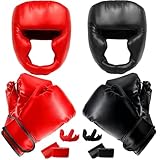
Boxing is a sport of calculated risks and strategic power. When we step into the ring, we rely on our gloves to protect our hands and, to some extent, our opponents. But have you ever wondered about the impact of glove weight? Specifically, do lighter boxing gloves hurt more? It’s a question that sparks debate among boxers, trainers, and enthusiasts alike.
The common assumption is that heavier gloves offer more protection, while lighter gloves might lead to more painful impacts. However, the reality is far more nuanced. Several factors come into play, including the type of boxing, the level of experience of the boxers, and the specific design of the gloves themselves. Let’s explore this topic, breaking down the science and the practical considerations, so you can better understand the role of glove weight in the sweet science.
The Physics of Impact: Weight, Force, and Pain
To understand whether lighter boxing gloves hurt more, we need to delve into the physics of impact. When a boxer throws a punch, the force generated is distributed across the surface area of the glove. The weight of the glove plays a significant role in this distribution. Let’s break down the key concepts:
- Force: The amount of energy transferred during the impact. Measured in Newtons (N).
- Mass: The amount of ‘stuff’ in the glove, directly related to its weight. Measured in kilograms (kg).
- Velocity: The speed at which the glove travels when striking. Measured in meters per second (m/s).
- Momentum: The product of mass and velocity. A heavier glove, even at the same speed, has more momentum.
The impact force is influenced by the momentum of the glove. A heavier glove, assuming the same punch speed, will have greater momentum and, consequently, a higher impact force. However, this doesn’t automatically mean it will hurt more. The surface area of the glove and the padding materials also influence how the force is distributed and absorbed.
The Role of Mass in Impact
Newton’s Second Law of Motion tells us that Force = Mass x Acceleration. In boxing, the acceleration is the rate at which the glove’s speed changes during impact. A heavier glove, assuming the same punch speed, will experience greater deceleration upon impact. This greater deceleration results in a higher force being delivered to the target. However, the body’s ability to absorb this force is also crucial. A heavier glove, while potentially delivering more force, can also offer more padding, thus mitigating some of the pain. This is a crucial consideration.
The Impact on the Boxer’s Hand
The weight of the gloves also affects the boxer’s hand. Lighter gloves may allow for faster punches, potentially increasing the number of strikes landed. However, they might offer less padding, increasing the risk of hand injuries, especially if punches are not delivered correctly or if the boxer is punching a very hard surface (such as an unprotected heavy bag).
Types of Boxing Gloves and Their Weights
Boxing gloves come in various weights, typically measured in ounces (oz). The weight of the gloves significantly influences their purpose and the impact they have during a bout or training session. Here’s a breakdown:
- Training Gloves: These gloves are generally heavier, ranging from 12 oz to 16 oz or even heavier. The additional weight and padding are designed to protect the hands during sparring and heavy bag work. The added weight also helps to build strength and endurance.
- Competition Gloves: These gloves are usually lighter, often 8 oz or 10 oz. The lighter weight allows for faster punches, which is crucial in a competition. However, they typically offer less padding than training gloves, which can increase the risk of injury.
- Bag Gloves: These gloves are specifically designed for use on heavy bags. They are typically lighter (10-14 oz) and provide a balance between hand protection and the ability to feel the impact of the punch. They are not suitable for sparring.
Weight Chart Comparison
Here’s a table comparing common boxing glove weights and their typical uses: (See Also: Are Muay Thai Gloves The Same As Boxing Gloves )
| Glove Weight (oz) | Typical Use | Padding | Speed | Protection |
|---|---|---|---|---|
| 8 oz | Competition (Professional) | Less | High | Lower |
| 10 oz | Competition (Amateur), Training | Medium | Medium | Medium |
| 12 oz | Training, Sparring | High | Medium | High |
| 14 oz | Training, Sparring (Larger Boxers) | Very High | Lower | Very High |
| 16 oz+ | Training, Sparring (For Injury Prevention) | Extremely High | Very Low | Extremely High |
As you can see, the weight of the glove is directly related to its purpose. The choice of glove weight will depend on the type of training or competition you are involved in and your individual needs and preferences.
Do Lighter Gloves Hurt More in Different Scenarios?
The impact of lighter gloves varies depending on the context. Let’s examine different scenarios:
Sparring
In sparring, the goal is to practice techniques and improve skills, not to inflict serious damage. Generally, heavier gloves (14 oz or 16 oz) are preferred for sparring. These gloves provide more padding, reducing the impact of punches and minimizing the risk of injury. Lighter gloves might be used in sparring by advanced fighters who are very experienced with each other, but this is less common due to the increased risk of injury.
Why Heavier Gloves Are Preferred:
- Reduced Injury Risk: More padding absorbs more impact, protecting both fighters’ hands and faces.
- Emphasis on Technique: Heavier gloves slow down punches, encouraging fighters to focus on technique and precision.
- Safety First: Sparring is a training exercise, and safety is paramount.
Heavy Bag Work
When working on a heavy bag, the choice of glove weight depends on the goals of the training session. Bag gloves are often lighter (10-14 oz) than sparring gloves, allowing the boxer to feel the impact of the punch and work on speed and power. However, it’s essential to use gloves that provide adequate padding to protect the hands. Without proper protection, repeated impact on a heavy bag can lead to hand injuries. Lighter gloves can hurt more here if the padding is inadequate.
Key Considerations for Bag Work:
- Padding: Ensure the gloves have sufficient padding to protect the knuckles and wrists.
- Bag Type: Consider the density of the heavy bag. Harder bags require more padding.
- Technique: Proper punching technique is crucial to avoid injury, regardless of glove weight.
Competition
In professional boxing, the rules often dictate the glove weight. Lighter gloves (8 oz or 10 oz) are typically used in professional bouts. These gloves allow for faster punches and more power, which can lead to more exciting fights. However, the reduced padding means that punches can inflict more damage. (See Also: Can You Wrestle In Boxing Shoes )
Impact in Competition:
- Increased Power: Lighter gloves allow for faster punch speeds, potentially increasing the force of impact.
- Higher Risk of Injury: Less padding means a greater risk of cuts, bruises, and other injuries.
- Strategic Considerations: Fighters must balance the desire for power with the need for self-preservation.
The Importance of Padding and Materials
Beyond weight, the materials and padding used in boxing gloves significantly affect their ability to absorb impact and protect the hands. Different materials offer varying levels of protection and durability.
Padding Materials
Common padding materials include:
- Foam: Various types of foam, such as layered foam, are used to absorb impact. The density and composition of the foam affect its cushioning properties. Some gloves use multiple layers of different foam densities to maximize protection.
- Horsehair: Historically, horsehair was used as padding. It provides excellent impact absorption but can break down over time.
- Gel: Gel inserts can provide additional cushioning and impact absorption, particularly in high-impact areas.
Glove Materials
The outer materials of the glove also play a role in durability and protection. Common materials include:
- Leather: High-quality leather is durable and provides excellent protection. It can withstand the rigors of training and competition.
- Synthetic Leather: Synthetic leather is a more affordable alternative to genuine leather. It offers good protection but may not be as durable.
Key Takeaway: The quality and type of padding and materials are just as important as the weight of the glove. A lighter glove with high-quality padding may offer better protection than a heavier glove with inferior materials.
Factors Beyond Glove Weight
While glove weight is a significant factor, other elements influence the impact of a punch:
Punching Technique
Proper punching technique is crucial to minimize the risk of injury, regardless of glove weight. A well-executed punch delivers maximum power while protecting the hand. Poor technique can lead to injuries, even with heavier gloves. (See Also: Is Everlast Good Boxing Gloves )
Tips for Proper Technique:
- Keep your wrist straight: This helps to distribute the force evenly.
- Rotate your fist: This maximizes power and impact.
- Tighten your core: This helps to generate power and maintain balance.
- Practice, practice, practice: Consistent training and feedback from a coach are essential for improving technique.
The Target’s Protection
The target’s protection also plays a role in how much a punch hurts. This includes headgear, mouthguards, and other protective gear. The presence or absence of these items can significantly affect the impact of a punch.
Experience Level
Experienced boxers are generally better at absorbing punches and protecting themselves. They have developed better technique, timing, and footwork, which helps them to minimize the impact of punches. Less experienced boxers may be more vulnerable to injury, regardless of the glove weight.
Individual Factors
Individual factors such as bone density, muscle mass, and pain tolerance can also influence how much a punch hurts. Some people are naturally more resilient to impact than others.
How to Choose the Right Boxing Gloves
Choosing the right boxing gloves is essential for safety and performance. Consider these factors:
- Training vs. Competition: Determine the intended use of the gloves. Training gloves are typically heavier and more padded, while competition gloves are lighter.
- Weight and Size: Select a glove weight that is appropriate for your body weight and experience level. Consider the size of your hands to ensure a proper fit.
- Padding and Materials: Look for gloves with high-quality padding and durable materials.
- Fit and Comfort: Ensure the gloves fit snugly but are not too tight. They should allow for a full range of motion.
- Brand Reputation: Research different brands and read reviews to find gloves from reputable manufacturers.
Specific Recommendations
Here are some general recommendations:
- Beginners: Start with 12 oz or 14 oz training gloves.
- Intermediate Boxers: Use 12 oz or 14 oz training gloves for sparring and heavy bag work. Consider 10 oz gloves for competition.
- Professional Boxers: Follow the regulations set by the boxing commission for competition gloves.
Conclusion
So, do lighter boxing gloves hurt more? The answer isn’t a simple yes or no. The impact of a punch is a complex interplay of weight, padding, technique, and the context of the fight or training session. While lighter gloves may allow for faster punches and potentially more power, they often provide less padding, which can increase the risk of injury. Heavier gloves offer more protection but may slow down punch speed.
The choice of glove weight should be based on your specific needs, the type of training or competition you are participating in, and your experience level. Prioritize safety, proper technique, and the advice of your coach. Ultimately, the best gloves are those that offer a balance of protection, performance, and comfort, allowing you to train and compete safely and effectively. Remember to always choose gloves that fit well and are made from quality materials. Regardless of the weight, good technique is the most important factor in preventing injury and maximizing your performance in the ring.