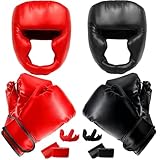
Ever wondered if those big, padded boxing gloves actually help when you’re throwing and taking punches? It’s a common question, and the answer isn’t as simple as a yes or no. Boxing gloves are a fundamental part of the sport, and their purpose goes far beyond just protecting your hands. They significantly alter the experience of both delivering and receiving blows, impacting everything from the severity of injuries to the overall strategy of a fight.
We’re going to break down the science behind boxing gloves, exploring their construction, the materials used, and how these factors influence the impact of a punch. We’ll also look at different types of gloves and their specific functions. You’ll learn how gloves affect the body and why they’re essential for safety, and how they play a role in the sport’s rules and regulations.
So, let’s get into it and address the core question: Do boxing gloves make punches hurt less? The answer, as you’ll see, is complex, but the insights we uncover will help you better understand the impact of boxing gloves on the sweet science.
The Science of Boxing Gloves: Construction and Materials
To understand the role of boxing gloves, we need to look under the hood, so to speak. Their construction is a carefully considered blend of materials designed to absorb and distribute the force of impact. The typical boxing glove consists of several key components, each playing a vital role in its protective function.
The Layers of Protection: Key Components
- The Core Padding: This is the heart of the glove’s protective capabilities. It’s typically made of multiple layers of foam, often a combination of different densities. High-density foam absorbs the initial impact, while lower-density foam provides cushioning and distributes the force over a larger area. The quality and composition of this padding are critical in determining how well the glove protects the wearer and their opponent.
- The Outer Shell: The outer shell is usually made of leather or synthetic materials like polyurethane (PU) or vinyl. Leather is a premium choice, known for its durability, flexibility, and ability to conform to the hand over time. Synthetic materials offer a more affordable alternative and can be quite durable, though they may not breathe as well as leather. The shell protects the padding from wear and tear and helps maintain the glove’s shape.
- The Inner Lining: The inner lining, often made of moisture-wicking materials like nylon or polyester, serves to keep the hand dry and comfortable. It also helps to wick away sweat, preventing the glove from becoming slippery during use. This is crucial for maintaining a secure grip and preventing blisters or skin irritation.
- The Wrist Support: The wrist support system is an often-overlooked but crucial element. It provides stability to the wrist, preventing it from bending backward during a punch. This support can range from a simple Velcro strap to more elaborate systems with additional padding and support structures. Proper wrist support is critical for preventing sprains and other wrist injuries.
- The Thumb Protection: Most boxing gloves have a thumb attached to the main glove body. This is designed to protect the thumb from impact and prevent hyperextension. The thumb is often padded and positioned to minimize the risk of injury.
Material Matters: Padding and Shell
The materials used in boxing gloves are chosen for their specific properties, such as shock absorption, durability, and comfort. The padding materials are especially crucial. The choice of padding can dramatically affect how much impact is absorbed. Different types of foam are used to achieve varying levels of protection and responsiveness.
- Foam Types: The most common padding materials are layered foam, including polyurethane (PU) foam, latex foam, and horsehair. PU foam is popular for its durability and shock absorption. Latex foam provides excellent cushioning and can mold to the shape of the hand, but it may not be as durable as PU. Horsehair padding, while less common today, offers a firmer feel and can provide a different type of impact resistance.
- Leather vs. Synthetic: The outer shell material affects the glove’s durability and feel. Leather gloves are generally considered superior due to their longevity, breathability, and the way they mold to the hand. Synthetic gloves, made from materials like PU or vinyl, offer a more affordable option but might not last as long or breathe as well. The choice between leather and synthetic often depends on budget and intended use.
How Boxing Gloves Affect the Impact of a Punch
Boxing gloves fundamentally change the dynamics of a punch. They alter the way force is distributed and absorbed, influencing the amount of pain experienced by both the puncher and the recipient. Let’s delve into the specifics:
Force Distribution and Absorption
One of the primary functions of boxing gloves is to distribute the force of a punch over a larger area. This reduces the concentration of force at a single point of impact, which can minimize the risk of cuts, abrasions, and bone fractures. The padding in the gloves absorbs a significant portion of the kinetic energy generated by the punch, reducing the amount of force that is transmitted to the target. This is achieved through the compression and deformation of the foam padding, which converts the kinetic energy into heat.
Impact on the Puncher
Boxing gloves also play a crucial role in protecting the puncher’s hands. Without gloves, the impact of a punch can cause significant damage to the knuckles, wrists, and other hand bones. Gloves provide padding that absorbs a portion of the impact, reducing the risk of injuries like fractures, sprains, and bruises. This protection allows boxers to throw punches with greater force and frequency without putting their hands at excessive risk. The design of the glove, including the shape and the way it fits the hand, also helps to align the hand and wrist correctly, reducing the chance of injury from improper punching technique. (See Also: Are Muay Thai Gloves The Same As Boxing Gloves )
Impact on the Recipient
For the recipient of a punch, boxing gloves also lessen the impact. The padding distributes the force of the punch over a broader area, reducing the concentration of force and the likelihood of serious injuries. While a punch with gloves still hurts, the level of pain and potential for damage is significantly lower than it would be if the punch were delivered bare-knuckled. The cushioning effect of the gloves helps to protect the recipient’s face, head, and body from cuts, abrasions, and more severe injuries like concussions.
Types of Boxing Gloves and Their Functions
Different types of boxing gloves are designed for specific purposes. The design and construction of a glove can significantly affect its performance and the level of protection it provides. Here’s a look at the most common types:
Training Gloves
Training gloves are the workhorses of the boxing world. They are designed for sparring, heavy bag work, and other training activities. These gloves typically have more padding than competition gloves, prioritizing protection over speed and precision. The extra padding helps to absorb the impact of repeated punches, reducing the risk of injuries during long training sessions. Training gloves often feature a secure wrist strap for added support. The weight of training gloves often ranges from 12 to 16 ounces, with heavier gloves providing more protection.
Competition Gloves
Competition gloves are designed for use in official boxing matches. They are typically lighter and have less padding than training gloves, allowing for greater speed and precision. The lighter weight also means that punches can be delivered with more force. Competition gloves are subject to strict regulations regarding weight, padding, and construction. These regulations are designed to ensure fair competition and minimize the risk of serious injuries. The weight of competition gloves is usually 8 or 10 ounces, depending on the weight class of the boxers.
Sparring Gloves
Sparring gloves are specifically designed for use during sparring sessions. They are typically similar to training gloves in terms of padding and protection, but they may have additional features to enhance safety. For example, some sparring gloves have extra padding on the knuckles and the back of the hand to protect both the puncher and the recipient. The goal of sparring gloves is to provide the maximum level of protection while still allowing for realistic training. Sparring gloves are usually 14 or 16 ounces to provide the best protection possible.
Bag Gloves
Bag gloves are designed for use on heavy bags and other training equipment. They are typically lighter and have less padding than training or sparring gloves, as the main focus is on developing punching technique and speed. Bag gloves often have a more compact design, allowing for greater precision and a better feel for the punch. However, they may not offer as much protection as other types of gloves, so it’s important to use them with proper technique and avoid overdoing it.
Other Specialized Gloves
Beyond the main categories, there are also specialized gloves designed for specific purposes. These can include: (See Also: Can You Wrestle In Boxing Shoes )
- MMA Gloves: Mixed Martial Arts (MMA) gloves are designed to allow for both striking and grappling. They typically have less padding than boxing gloves, with open fingers to enable gripping.
- Punch Mitts: Punch mitts are used by trainers to work with boxers on their technique. They provide a target for punches and allow the trainer to control the tempo and intensity of the workout.
- Focus Mitts: Similar to punch mitts, focus mitts are used to improve punching accuracy, speed, and combinations. They are smaller and more maneuverable than punch mitts, allowing for more intricate drills.
The Role of Boxing Gloves in Injury Prevention
Boxing gloves are a cornerstone of injury prevention in the sport. They protect both the puncher and the recipient from a wide range of potential injuries. Let’s look at the specific ways they contribute to safety:
Protecting the Hands
Boxing gloves significantly reduce the risk of hand injuries. They provide padding over the knuckles, which absorbs a significant portion of the impact, preventing cuts, abrasions, and fractures. They also help to distribute the force of a punch more evenly, reducing the stress on the hand and wrist. The design of the glove, including the shape and the way it fits the hand, promotes proper alignment, reducing the risk of injuries from incorrect punching technique. The wrist support provided by many gloves helps to prevent sprains and other wrist injuries.
Reducing Head Trauma
Boxing gloves also play a crucial role in reducing head trauma. While they don’t eliminate the risk of concussions, they do help to absorb some of the impact, reducing the force transmitted to the brain. The padding in the gloves helps to distribute the force over a larger area, reducing the concentration of force at a single point. This can decrease the likelihood of serious head injuries, such as traumatic brain injury (TBI). The use of gloves, combined with other safety measures like mouthguards and proper coaching, helps to minimize the risk of long-term neurological damage.
Minimizing Cuts and Abrasions
Without gloves, punches can cause significant cuts and abrasions to the face and other exposed areas of the body. Boxing gloves help to mitigate this risk. The padding provides a barrier between the skin and the impact, reducing the likelihood of cuts and scrapes. The outer shell of the glove also helps to protect the skin from friction and abrasion. This protection is not only important for the immediate safety of the boxers but also for preventing infections and promoting faster healing.
Rules and Regulations: Glove Specifications in Boxing
Boxing gloves are subject to strict rules and regulations set by governing bodies like the World Boxing Council (WBC), the World Boxing Association (WBA), the International Boxing Federation (IBF), and the World Boxing Organization (WBO). These rules are designed to ensure fair competition and minimize the risk of serious injuries.
Weight and Padding Requirements
The weight and padding of boxing gloves are strictly regulated. The weight of the gloves depends on the weight class of the boxers. For example, lighter weight classes may use 8-ounce gloves, while heavier weight classes may use 10-ounce gloves. The padding must meet specific standards to ensure adequate protection. The regulations specify the type of materials that can be used for padding and the minimum thickness required. These rules help to ensure that all boxers compete under similar conditions and that the risk of injury is minimized.
Glove Inspection and Approval
Before a boxing match, the gloves are inspected by officials to ensure they meet all regulations. This inspection includes checking the weight, padding, and construction of the gloves. The gloves must be approved by the governing body before they can be used in a match. This process helps to prevent the use of illegal or improperly constructed gloves that could pose a safety risk to the boxers. The inspection process often involves checking the stitching, the condition of the padding, and the overall integrity of the gloves. (See Also: Is Everlast Good Boxing Gloves )
Standardized Design and Materials
The design and materials used in boxing gloves are also subject to regulations. The regulations may specify the type of leather or synthetic materials that can be used for the outer shell. They may also restrict the use of certain materials or features that could give one boxer an unfair advantage. The goal is to standardize the gloves as much as possible, ensuring that all boxers have access to the same level of protection and that the focus remains on skill and technique.
Bare-Knuckle vs. Gloved Boxing: A Comparison
The contrast between bare-knuckle boxing and gloved boxing highlights the significant role that gloves play in the sport. Bare-knuckle boxing, while still practiced in some parts of the world, is far more dangerous due to the increased risk of severe injuries. Here’s a comparison:
Injury Rates
The most significant difference between bare-knuckle and gloved boxing is the injury rate. Bare-knuckle boxing has a much higher incidence of cuts, lacerations, broken bones, and head trauma. The lack of padding means that punches deliver concentrated force, leading to more severe injuries. Gloved boxing, with its protective padding, significantly reduces the risk of these injuries. Studies have shown that the injury rates in gloved boxing are substantially lower than in bare-knuckle boxing.
Impact of Punches
The impact of punches differs dramatically. In bare-knuckle boxing, punches are more likely to cause cuts, abrasions, and bone fractures. The force is concentrated on a small area, leading to greater damage. In gloved boxing, the padding distributes the force over a larger area, reducing the severity of individual blows. While punches still hurt in gloved boxing, the level of pain and the potential for serious injury are considerably less.
Strategic Differences
The presence or absence of gloves also influences the strategy of the fight. In bare-knuckle boxing, fighters tend to be more cautious, focusing on defense and avoiding direct blows. The risk of injury is so high that fighters are less likely to trade punches freely. In gloved boxing, the increased protection allows for more aggressive tactics and a greater emphasis on offensive maneuvers. The gloves enable boxers to throw more punches and take more risks, leading to a more dynamic and action-packed contest.
Final Thoughts
So, do boxing gloves make punches hurt less? The short answer is a resounding yes. They do so in multiple ways, from distributing the force of impact to protecting the hands of the puncher and the face of the recipient. The padding and design of boxing gloves are specifically engineered to reduce the severity of injuries that can occur during a fight. While punches still hurt, the gloves significantly lessen the potential for serious damage.
Boxing gloves are a critical component of safety in the sport. Different types of gloves are designed for specific purposes, with varying levels of padding and protection. The rules and regulations governing boxing gloves are in place to ensure fair competition and minimize the risk of injury. Compared to bare-knuckle boxing, the difference is stark. The gloves make the sport safer, allowing for more aggressive tactics and contributing to the overall appeal of boxing.
Ultimately, boxing gloves make punches hurt less, allowing boxers to train and compete with a reduced risk of serious injury. They are an essential element of the sport, balancing the need for impactful action with the imperative of protecting the health and safety of the athletes.