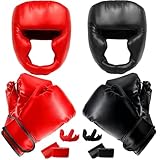
So, you’re stepping into the world of boxing or kickboxing, or maybe you’re just looking to get a great workout in. That’s fantastic! Before you start throwing punches, there’s one crucial piece of equipment you absolutely need: boxing hand wraps. They’re the unsung heroes of your training, protecting your hands and wrists from injury. I’ve been there; I know how important it is to get this right.
Hand wraps might seem like a small detail, but trust me, they’re essential. They’re your first line of defense against the impact of hitting a heavy bag, sparring, or even just shadowboxing. Poorly wrapped hands can lead to sprains, fractures, and other painful injuries that can keep you out of the gym for weeks, or even months. Getting it right is key.
This guide will walk you through everything you need to know about boxing hand wraps, from choosing the right ones to mastering the wrapping technique. We’ll cover the ‘why’ and the ‘how’, ensuring you’re well-equipped to protect your hands and enjoy your boxing journey. Let’s get started!
Understanding the Importance of Boxing Hand Wraps
Boxing and kickboxing are demanding sports. They involve repetitive impact on your hands, wrists, and knuckles. Without proper protection, these areas are highly susceptible to injury. Hand wraps serve several crucial purposes:
- Protecting Your Knuckles: They create a padded barrier that absorbs the force of impact, reducing the risk of cuts, bruises, and fractures.
- Supporting Your Wrists: Hand wraps stabilize your wrists, preventing them from bending or twisting unnaturally during punches. This is crucial for avoiding sprains and other wrist injuries.
- Compressing Your Hand: Wraps keep the bones of your hand together, preventing them from spreading apart when you hit something solid.
- Absorbing Sweat: They wick away sweat, keeping your gloves drier and extending their lifespan.
Failing to use hand wraps, or using them improperly, significantly increases your risk of injury. Common injuries include:
- Boxer’s Fracture: A break in the metacarpal bones of the hand.
- Wrist Sprains: Damage to the ligaments in the wrist.
- Knuckle Bruises and Cuts: Injuries to the soft tissues of the knuckles.
- Tendonitis: Inflammation of the tendons in the hand and wrist.
Choosing the Right Hand Wraps
There are several types of boxing hand wraps available, each with its own advantages. Here’s a breakdown to help you choose the best ones for your needs: (See Also: Are Muay Thai Gloves The Same As Boxing Gloves )
Material
The material of your hand wraps significantly impacts their performance and comfort. Here are the main options:
- Cotton: This is the most common and affordable material. Cotton wraps are breathable, absorbent, and easy to wash. However, they tend to stretch out over time, and might not offer as much wrist support as other options.
- Semi-Elastic (Cotton blend with some elastic): These wraps combine the benefits of cotton with a small amount of elastic. They offer a good balance of support, comfort, and durability. The elastic provides a bit more stretch and can conform better to the shape of your hand.
- Full Elastic (or Mexican Style): These wraps are made entirely of elastic material. They provide the most support and compression, making them ideal for heavy bag work and sparring. They conform to your hand and offer a snug fit. However, they can be a bit less breathable and may require more care when washing.
Length
Hand wraps come in various lengths. The appropriate length depends on your hand size and the wrapping style you prefer:
- 120 inches: Suitable for smaller hands or individuals who prefer a less bulky wrap.
- 180 inches: The most common length, providing ample coverage and support for most hand sizes.
- 200 inches: Best for those with larger hands or who prefer extra padding and support. This is also often used for those who like to have more coverage over the knuckles.
Features to Consider
- Closure: Most wraps have a hook-and-loop closure (Velcro) for easy securing. Make sure the Velcro is strong and durable.
- Thumb Loop: This loop helps secure the wrap at the start, making the wrapping process easier.
- Washability: Look for wraps that are machine washable for easy cleaning.
Comparison Table
| Feature | Cotton | Semi-Elastic | Full Elastic |
|---|---|---|---|
| Material | Cotton | Cotton blend with elastic | Full elastic |
| Support | Moderate | Good | Excellent |
| Breathability | Excellent | Good | Moderate |
| Stretch | Minimal | Moderate | High |
| Durability | Good | Very Good | Good |
| Best For | Beginners, casual training | General training, sparring | Heavy bag work, intense training |
Step-by-Step Guide: How to Wrap Your Hands
Wrapping your hands correctly is a skill that takes practice. Don’t worry if it doesn’t feel perfect the first few times. With repetition, you’ll become more efficient and comfortable. Here’s a detailed, step-by-step guide:
1. Preparation
- Gather Your Materials: You’ll need your hand wraps and your boxing gloves.
- Wash Your Hands: Make sure your hands are clean and dry. This helps prevent bacteria from getting trapped under the wraps.
- Position the Wrap: Hold the wrap with the loop at the thumb end. Place the loop over your thumb, ensuring the wrap is facing outwards (away from your palm).
2. The Wrist Wrap
- Wrap the Wrist: Begin by wrapping the hand wrap around your wrist several times. Overlap each layer slightly to provide support and stability. The goal is to create a firm but comfortable base.
- Tension: Maintain consistent tension throughout this process. Don’t wrap too tightly, as this can restrict blood flow, but ensure it’s snug enough to provide support.
3. Knuckle Protection
- Wrap Across the Back of the Hand: Bring the wrap across the back of your hand, from the wrist towards your knuckles.
- Wrap Around the Knuckles: Wrap the hand wrap around your knuckles 2-3 times. This is where you’ll create the padding. The amount of padding here is important for protection.
- Adjust Padding: Make sure the padding is evenly distributed across your knuckles.
- Return to Wrist: Bring the wrap back down to your wrist, completing the knuckle wrap.
4. Securing the Fingers
- Wrap Between Fingers: Wrap the hand wrap between your fingers, starting with the pinky and working your way towards the index finger. This secures your fingers and helps prevent them from bending unnaturally.
- Overlap: Overlap the wraps slightly as you move between your fingers.
- Keep the Wrap Taut: Maintain consistent tension throughout this process.
5. Completing the Wrap
- Finish the Wrist Wrap: Wrap the remaining hand wrap around your wrist, securing it firmly.
- Secure the Wrap: Use the hook-and-loop closure (Velcro) to fasten the wrap securely.
- Check for Fit: Make sure the wrap is snug but not too tight. You should be able to make a fist comfortably.
6. Repeat for the Other Hand
Repeat all the steps for your other hand.
Common Mistakes to Avoid
Even experienced boxers make mistakes when wrapping their hands. Here are some common errors to avoid: (See Also: Can You Wrestle In Boxing Shoes )
- Wrapping Too Tightly: This can restrict blood flow and cause numbness or tingling in your fingers.
- Wrapping Too Loosely: This won’t provide adequate support or protection.
- Neglecting Knuckle Padding: Insufficient padding on your knuckles leaves them vulnerable to injury.
- Wrapping Only the Wrists: Proper hand wrapping involves more than just the wrists; the knuckles and fingers require protection too.
- Not Checking the Fit: Always make sure you can comfortably clench your fist.
- Washing Wraps Improperly: Not washing your wraps regularly or washing them incorrectly can lead to bacteria build-up and damage.
Tips for Optimal Hand Wrapping
Here are some extra tips to help you wrap your hands like a pro:
- Practice Makes Perfect: Don’t be discouraged if it takes a few tries to get the hang of it. Keep practicing!
- Watch Videos: There are many excellent video tutorials online that can help you visualize the wrapping process.
- Adjust to Your Needs: Experiment with different wrapping styles to find what works best for your hand size, training style, and the type of gloves you use.
- Keep Wraps Clean: Always wash your hand wraps after each workout. This helps prevent bacteria build-up and keeps your gloves fresh.
- Use a Hand Wrap Case: Consider using a hand wrap case to keep your wraps organized and protected.
- Inspect Your Wraps Regularly: Check your wraps for tears or fraying. Replace them if necessary.
- Consider Gel Inserts: Some boxers use gel inserts for extra knuckle protection. These can be placed under the wraps.
Hand Wrap Maintenance and Care
Proper care of your hand wraps will extend their lifespan and ensure they remain effective. Here’s how to do it:
- Washing: Wash your hand wraps after each use. The best way to wash them is by hand with mild soap and warm water. Avoid using harsh detergents or bleach.
- Drying: Air dry your hand wraps completely. Do not put them in a dryer, as the heat can damage the material and cause them to shrink.
- Storage: Store your hand wraps in a dry, well-ventilated area. This helps prevent mildew and mold growth.
- Replacement: Replace your hand wraps regularly, especially if they show signs of wear and tear, such as fraying or thinning.
Troubleshooting Common Hand Wrapping Issues
Even with practice, you might encounter some common issues. Here are some solutions:
- Wrap Feels Too Tight: Loosen the wrap slightly. If it’s consistently too tight, you might be using too much tension.
- Wrap Feels Too Loose: Tighten the wrap. You may also need to adjust the amount of padding.
- Knuckles Feel Unprotected: Add more padding over your knuckles. You can do this by wrapping the knuckles more times.
- Wrist Doesn’t Feel Supported: Make sure you’re wrapping your wrists securely. You can also try a different wrapping style that provides more wrist support.
- Wrap Slips During Training: Make sure the hook-and-loop closure is secure. You can also try a different wrapping style or a different brand of wraps.
Advanced Hand Wrapping Techniques
Once you’ve mastered the basic wrap, you can explore some advanced techniques to further customize your protection and support. These techniques often focus on providing extra support for specific areas or adapting to different training needs.
- The ‘Boxer’s Fracture’ Wrap: This technique provides extra padding and support for the knuckles, specifically targeting the area where boxer’s fractures often occur.
- The ‘Wrist-Lock’ Wrap: This style emphasizes wrist stabilization, using additional wraps around the wrist to minimize movement.
- The ‘Hybrid’ Wrap: This technique combines elements from different wrapping styles to create a custom wrap that suits your individual needs and preferences.
- Mexican Style Wrap: A style that uses full elastic wraps and focuses on maximum wrist support and knuckle protection. This style tends to be tighter and more structured.
Training Without Gloves: Hand Wrap Considerations
While hand wraps are primarily used with boxing gloves, they can also be used for training without gloves, such as when practicing technique or shadowboxing. However, there are some important considerations: (See Also: Is Everlast Good Boxing Gloves )
- Increased Friction: Without the padding of gloves, your hands will experience more friction against the training surface. Choose wraps made from softer, more breathable materials.
- Knuckle Protection: Ensure you use plenty of padding over your knuckles. This is critical to prevent skin abrasions and potential injuries.
- Limited Impact: When training without gloves, focus on controlled, lighter punches to minimize the risk of injury.
- Hygiene: Keep your hands and wraps clean to prevent infections.
Hand Wraps and Glove Compatibility
The type of hand wraps you choose can also impact the fit and feel of your boxing gloves. Consider these factors:
- Thickness: Thicker wraps will take up more space inside your gloves. Make sure your gloves are large enough to accommodate the wraps comfortably.
- Padding: If you use extra padding over your knuckles, you might need to adjust your glove size.
- Glove Fit: The wraps should allow you to make a comfortable fist inside your gloves. If the gloves feel too tight, you might need to use thinner wraps or adjust your wrapping style.
The Importance of Professional Guidance
While this guide provides comprehensive information, consider seeking guidance from a qualified boxing coach or trainer. They can provide personalized instruction and help you refine your technique. A coach can also observe your wrapping technique and identify any areas where you need improvement.
They can also help you understand the specific needs of your training style and recommend the best hand wrap options for you.
Learning from an expert can save you time, prevent injuries, and accelerate your progress.
Verdict
Boxing hand wraps are a fundamental component of safe and effective boxing training. They protect your hands and wrists from injury, allowing you to train harder and longer. By understanding the different types of wraps, mastering the wrapping technique, and practicing proper care, you can ensure that your hands are well-protected.
Remember to choose the right wraps for your needs, practice your wrapping technique regularly, and always prioritize safety. With the right knowledge and practice, you can confidently wrap your hands and enjoy the many benefits of boxing. Protecting your hands is an investment in your training and your overall well-being. So, take the time to learn and apply these principles, and you’ll be well on your way to a safer and more rewarding boxing experience.