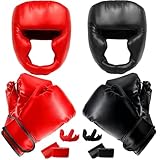
So, you’re getting into boxing, or maybe you’re just curious about what goes on before you strap on those gloves? Great choice! Boxing is a fantastic workout and a challenging sport. Before you even think about throwing a punch, though, there’s a crucial step: wrapping your hands. This isn’t just a formality; it’s a necessity. It’s the difference between a productive training session and a trip to the doctor.
Hand wraps provide essential support and protection for your wrists, knuckles, and the small bones in your hand. Without them, you’re asking for trouble. Think of your hand wraps as the foundation of your boxing game. They’re what keeps you safe and allows you to train effectively and consistently. In this guide, we’ll walk you through everything you need to know about hand wraps, from choosing the right ones to mastering the wrapping technique.
We’ll cover different wrapping styles, the benefits of each, and offer tips to ensure a secure and comfortable fit. Let’s get started and make sure your hands are ready to go the distance!
Understanding Why Hand Wraps Are Essential
Before we dive into the ‘how,’ let’s clarify the ‘why.’ Hand wraps are not optional; they’re a fundamental part of boxing. They serve multiple vital purposes, all geared towards protecting your hands and wrists.
Protection From Injury
Boxing involves repetitive impact. Your fists meet a heavy bag, a sparring partner, or even the air. This constant pounding can lead to a variety of injuries if your hands aren’t properly protected. Hand wraps absorb some of the shock, preventing fractures, sprains, and other common boxing-related injuries. They act as a cushion between your knuckles and the impact surface.
Wrist Support
Your wrists are particularly vulnerable in boxing. They bear the brunt of the force when you throw a punch. Hand wraps provide crucial support to your wrists, preventing them from bending or twisting unnaturally. This support is especially important for beginners who are still developing their technique and may not yet have perfect form.
Knuckle Protection
The knuckles are another area that takes a beating in boxing. Hand wraps help to keep the knuckles compressed, preventing them from spreading out on impact. This compression reduces the risk of cuts, bruises, and other damage to your knuckles. They also help to keep the bones in your hand aligned and prevent them from shifting during impact.
Enhanced Punching Power
By providing support and stability, hand wraps can actually help you punch harder. When your wrists are secure and your knuckles are protected, you can generate more power without the risk of injury. The added support allows you to transfer more force from your body to your fist. (See Also: Are Muay Thai Gloves The Same As Boxing Gloves )
Increased Comfort
Hand wraps also improve comfort inside the boxing gloves. They absorb sweat, preventing your hands from slipping around inside the gloves. This helps you maintain a secure grip and prevents blisters and chafing. This added comfort will allow you to focus on your training and not on the discomfort in your hands.
Choosing the Right Hand Wraps
Not all hand wraps are created equal. There are several factors to consider when choosing the right wraps for you. Let’s break down the key considerations:
Material
The material of your hand wraps is crucial for both comfort and protection. There are two primary types of hand wrap materials:
- Cotton: Cotton wraps are a classic choice. They’re breathable, comfortable, and affordable. However, they tend to stretch and can wear out more quickly than other materials. They are a good option for beginners.
- Semi-Elastic (or Mexican-style): These wraps combine cotton with a small amount of elastic. This gives them more stretch and a better fit. They conform to the shape of your hand and provide excellent support. They also tend to last longer than cotton wraps.
- Full Elastic: These wraps are made entirely of elastic material. They offer maximum support and a snug fit. However, they can sometimes be less breathable and may feel constricting for some people. They are a good choice for those with wrist problems or those who want the most support possible.
Length
Hand wraps come in different lengths, typically ranging from 120 inches to 180 inches. The appropriate length depends on the size of your hand, your wrapping style, and personal preference. Generally:
- 120 inches: Suitable for smaller hands or for those who prefer a less bulky wrap.
- 180 inches: The most common length, providing ample coverage and support for most adults.
Width
The width of the hand wrap is less critical than the length, but it still plays a role in comfort and coverage. Most wraps are between 2 and 3 inches wide. A wider wrap might provide slightly better coverage, but a narrower wrap can be easier to maneuver.
Closure Type
Most hand wraps have a Velcro closure. This makes them easy to put on and take off. Make sure the Velcro is strong and durable so it will not come undone during your workout. Some wraps also have a loop for your thumb to help secure the wrap in place.
Durability
The durability of your hand wraps is another important consideration. Look for wraps that are made from high-quality materials and are well-stitched. This will ensure that they last for a long time, even with frequent use. The quality of the stitching will also determine the wrap’s ability to maintain its shape over time. (See Also: Can You Wrestle In Boxing Shoes )
Comfort and Breathability
Choose wraps that are comfortable to wear and allow your hands to breathe. Avoid materials that trap sweat or cause irritation. Breathability is particularly important if you plan on training for extended periods of time. Moisture buildup can lead to skin problems and discomfort.
Step-by-Step Guide: How to Wrap Your Hands
Now, let’s get into the step-by-step process of wrapping your hands. This guide will use the most common and widely recommended wrapping technique. Remember, practice makes perfect. Don’t get discouraged if it takes a few tries to get it right. With practice, you’ll be wrapping your hands like a pro in no time!
Materials Needed
- A pair of hand wraps (180-inch recommended for most adults)
Step-by-Step Instructions
- Prepare the Wrap: Make sure the loop (usually marked with a label) is facing outwards. Place the loop over your thumb, with the wrap hanging down towards your palm.
- Wrap the Wrist: Start by wrapping the wrap around your wrist 2-3 times. This provides a solid foundation for the rest of the wrap. Make sure the wrap is snug, but not too tight that it cuts off circulation.
- Wrap the Knuckles: Bring the wrap across the back of your hand, over your knuckles, and then under your palm. Repeat this 2-3 times, depending on the thickness of the wrap and the amount of protection you want. This provides padding for your knuckles.
- Wrap Between the Fingers: Bring the wrap between your pinky and ring finger, then back across the back of your hand. Repeat this for the ring and middle finger, and then the middle and index finger. This secures the fingers and provides additional support.
- Wrap the Thumb: Wrap the wrap around your thumb once or twice, then bring it back across the back of your hand. This helps to secure your thumb and prevent it from bending unnaturally.
- Finish the Wrist: Wrap the remaining wrap around your wrist, securing it with the Velcro closure. Make sure the wrap is snug and secure.
- Check for Fit: Make a fist and check to make sure your hand feels secure and comfortable. The knuckles should be well-protected, and your wrist should be well-supported. Adjust the wrap as needed to achieve the perfect fit.
Detailed Breakdown of the Wrapping Process
Let’s break down each step in more detail for clarity:
- Step 1: The Thumb Loop: The thumb loop is your starting point. It anchors the wrap and prevents it from slipping. Make sure the loop is snug but not constricting.
- Step 2: Wrist Foundation: The wrist wraps provide the primary support. Wrapping the wrist firmly, but not too tightly, sets the stage for the rest of the wrap. This is where you establish the necessary stability.
- Step 3: Knuckle Padding: Wrapping over the knuckles creates a protective layer. The number of passes here determines the level of knuckle protection. More passes equal more padding.
- Step 4: Finger Stabilization: Wrapping between the fingers helps to keep your hand aligned and secure. This prevents the fingers from splaying out on impact. This also helps distribute the force of impact more evenly.
- Step 5: Thumb Security: The thumb wrap ensures your thumb stays in place and prevents hyperextension. This is a crucial step for preventing thumb injuries.
- Step 6: Wrist Finish: The final wrist wraps lock everything in place. Make sure the Velcro closure is secure.
- Step 7: Final Check: Make a fist and check the feel. Adjust as needed. The goal is a secure, comfortable fit.
Common Mistakes to Avoid
Even experienced boxers make mistakes when wrapping their hands. Here are some common pitfalls to avoid:
- Wrapping Too Tight: Wrapping too tightly can restrict blood flow and lead to discomfort. Make sure the wrap is snug, but not constricting. You should still be able to comfortably make a fist.
- Wrapping Too Loose: Wrapping too loosely won’t provide adequate support or protection. The wrap should feel secure and stable.
- Neglecting the Knuckles: Failing to adequately protect your knuckles can lead to serious injury. Make sure you wrap your knuckles with enough layers.
- Ignoring Wrist Support: Your wrists need support. Don’t skip the wrist wraps.
- Not Adjusting the Wrap: The wrap might feel different depending on the day. Make sure to adjust the wrap until it feels comfortable and secure.
Different Wrapping Styles
While the steps above outline the most common wrapping style, there are other variations you can try. These styles often focus on different areas of the hand for added protection or support. Let’s look at a couple of variations:
The ‘boxer’s Knot’
This style adds extra padding over the knuckles. After wrapping the knuckles, bring the wrap up and over the wrist, then back down to the knuckles, creating a knot. This provides additional shock absorption.
The ‘mma Wrap’
This style typically leaves the fingers exposed, allowing for grappling and clinching. It focuses on wrist and knuckle support. This is a common style for mixed martial arts training. (See Also: Is Everlast Good Boxing Gloves )
Experimentation
Don’t be afraid to experiment with different wrapping styles to find what works best for you. Consider your training style, the size and shape of your hands, and your personal preferences. Over time, you’ll develop your own preferred method.
Caring for Your Hand Wraps
Proper care will extend the life of your hand wraps and keep them fresh and ready for your next workout.
- Wash After Every Use: Hand wraps absorb sweat, which can lead to odor and bacterial growth. Wash your wraps after every training session.
- Use a Laundry Bag: Place your hand wraps in a laundry bag to protect them from damage in the washing machine.
- Wash in Cold Water: Use cold water and a mild detergent to wash your hand wraps. Hot water can damage the fibers.
- Air Dry: Avoid putting your hand wraps in the dryer. Heat can shrink the wraps and damage the Velcro. Allow them to air dry completely.
- Store Properly: Store your hand wraps in a well-ventilated area to prevent mold and mildew. Keep them separate from your boxing gloves.
Troubleshooting Common Hand Wrapping Issues
Even with practice, you might encounter some issues. Here’s how to troubleshoot some common problems:
- Wrap Slipping: If your wrap is slipping, make sure the thumb loop is secure and that you’re wrapping your wrist firmly.
- Wrap Feels Too Tight: Loosen the wrap slightly, paying attention to the areas where you feel the most constriction.
- Knuckles Feel Unprotected: Add more layers of wrap over your knuckles.
- Wrist Feels Unsupported: Ensure you are wrapping your wrist securely and that the wrap is providing adequate support.
- Wrap Comes Undone: Make sure the Velcro closure is secure and that the wrap is not too loose. If the Velcro is worn out, consider replacing your wraps.
Hand Wrap Comparison Table
Here’s a comparison table to help you choose the right hand wraps:
| Feature | Cotton Wraps | Semi-Elastic (Mexican-Style) Wraps | Full Elastic Wraps |
|---|---|---|---|
| Material | Cotton | Cotton/Elastic Blend | Full Elastic |
| Stretch | Minimal | Moderate | Maximum |
| Support | Good | Excellent | Excellent |
| Breathability | Good | Good | Moderate |
| Durability | Moderate | High | High |
| Best For | Beginners, light training | Most users, all levels | Those needing maximum support |
Final Verdict
Wrapping your hands is a fundamental skill in boxing. It is vital for protecting your hands and wrists from injury and for allowing you to train safely and effectively. By understanding the importance of hand wraps, choosing the right wraps for your needs, and mastering the proper wrapping technique, you’ll be well on your way to a successful boxing journey.
Remember to practice the wrapping technique regularly. It might feel awkward at first, but with patience and persistence, you’ll develop a routine that becomes second nature. Don’t be afraid to experiment with different styles and find what works best for you. And always prioritize your safety! Properly wrapped hands are the foundation for a long and healthy boxing career.
Now that you’ve got the knowledge, it’s time to put it into practice. Grab your hand wraps, find a quiet space, and start wrapping. Your hands will thank you for it. Happy training!