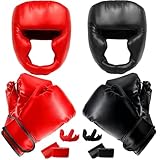
Ever wondered about the weight of those gloves you see professional boxers wearing? It’s a crucial aspect of the sport, impacting everything from the power of a punch to the safety of the fighters. Understanding the weight of pro boxing gloves is more than just a matter of curiosity; it’s fundamental to appreciating the strategy, skill, and regulations that govern boxing at its highest level. In this guide, we’ll break down the specifics, answering the question: how much do pro boxing gloves weigh?
We will explore the different weights used in professional boxing, why these weights matter, and the rules that govern their usage. We’ll also look at the materials used in constructing these gloves and how they contribute to both performance and protection. Whether you’re a seasoned boxing fan, a budding amateur, or simply curious about the sweet science, you’ll gain a deeper understanding of the equipment that defines the sport.
The Basics: Glove Weights in Professional Boxing
In professional boxing, glove weight is standardized to ensure fair competition and, importantly, fighter safety. The weight of the gloves directly affects the power of a punch and the protection offered to both the wearer and their opponent. Different weight classes have different glove weight requirements, which is a critical element in the sport’s regulations.
Standard Weights and Their Significance
The standard glove weights used in professional boxing are typically 8 ounces (oz) and 10 oz. The choice of weight is determined by the weight class of the boxers. Typically, lighter weight classes use heavier gloves (10 oz), while heavier weight classes use lighter gloves (8 oz). This is done to balance power and safety across different weight divisions.
- 8 oz Gloves: These are generally used in the heavier weight classes. The lighter weight allows for more powerful punches due to increased hand speed and less weight to carry through the punch. However, they offer less padding, which can increase the risk of injury.
- 10 oz Gloves: These are typically used in lighter weight classes. The extra weight provides more padding, which can help to protect the hands of the boxer and reduce the impact of punches on the opponent. The added weight slightly reduces hand speed, however.
Why Weight Matters: Impact on Power and Protection
The weight of boxing gloves plays a significant role in several aspects of a fight:
- Punch Power: Heavier gloves can, paradoxically, reduce the perceived power of a punch. While they offer more protection, they can also slow down hand speed. Lighter gloves allow for faster hand speed, potentially increasing the impact of a punch.
- Protection: Glove weight directly impacts the level of protection offered to both fighters. Heavier gloves offer more padding, absorbing more of the impact and reducing the risk of cuts, bruises, and other injuries.
- Stamina: The weight of the gloves contributes to fatigue. Heavier gloves require more energy to throw punches, which can affect a boxer’s stamina throughout a fight.
- Strategic Considerations: Boxers and their trainers must consider glove weight when developing their fight strategy. The choice of glove weight can influence a boxer’s approach, whether they focus on speed, power, or defense.
Weight Class Regulations and Glove Usage
Boxing is structured around weight classes to ensure fair competition. Each weight class has specific regulations, including the required glove weight. These regulations are overseen by various sanctioning bodies, such as the World Boxing Council (WBC), the World Boxing Association (WBA), the International Boxing Federation (IBF), and the World Boxing Organization (WBO). These organizations establish and enforce rules to maintain the integrity of the sport.
Weight Class Breakdown and Glove Requirements
Here’s a general overview of weight classes and their corresponding glove weight requirements. Note that specific rules may vary slightly depending on the sanctioning body, but the core principles remain consistent. (See Also: Are Muay Thai Gloves The Same As Boxing Gloves )
| Weight Class | Typical Glove Weight |
|---|---|
| Light Flyweight (up to 108 lbs) | 10 oz |
| Flyweight (up to 112 lbs) | 10 oz |
| Super Flyweight (up to 115 lbs) | 10 oz |
| Bantamweight (up to 118 lbs) | 10 oz |
| Super Bantamweight (up to 122 lbs) | 10 oz |
| Featherweight (up to 126 lbs) | 10 oz |
| Super Featherweight (up to 130 lbs) | 10 oz |
| Lightweight (up to 135 lbs) | 10 oz |
| Super Lightweight (up to 140 lbs) | 10 oz |
| Welterweight (up to 147 lbs) | 8 oz or 10 oz (depending on the specific regulations and sanctioning body) |
| Super Welterweight (up to 154 lbs) | 8 oz |
| Middleweight (up to 160 lbs) | 8 oz |
| Super Middleweight (up to 168 lbs) | 8 oz |
| Light Heavyweight (up to 175 lbs) | 8 oz |
| Cruiserweight (up to 200 lbs) | 8 oz |
| Heavyweight (over 200 lbs) | 8 oz |
Important Note: Specific weight class limits can vary slightly between different sanctioning bodies. Always consult the official regulations of the governing body for the specific fight you’re interested in.
The Role of Sanctioning Bodies
Sanctioning bodies play a critical role in ensuring that these regulations are followed. They oversee the fights, certify the equipment, and ensure that all rules are adhered to. Before a fight, the gloves are inspected to ensure they meet the weight and construction requirements. This helps to maintain fair play and minimize the risk of serious injury.
Materials and Construction: What’s Inside the Gloves?
The materials used in the construction of boxing gloves significantly impact their weight, durability, and protective capabilities. Understanding these materials provides insight into why gloves weigh what they do and how they function. The quality of the materials directly affects the performance and safety of the boxer.
Outer Layer Materials
The outer layer of a boxing glove is crucial for durability and impact resistance. The most common materials include:
- Leather: High-quality leather, such as cowhide or goatskin, is a popular choice for professional gloves. Leather offers excellent durability, flexibility, and a comfortable feel. It also provides good protection against abrasion and helps to absorb some of the impact. The type and quality of leather can influence the glove’s weight and lifespan.
- Synthetic Materials: Some gloves use synthetic materials, like polyurethane (PU) or microfiber. These materials can offer a cost-effective alternative to leather. They’re often lighter and can provide good performance, but they may not be as durable or offer the same level of impact resistance as high-quality leather.
Padding and Interior Construction
The padding is the heart of the glove, providing the primary protection for the boxer’s hands and the opponent’s face. The materials and construction of the padding are critical to the glove’s weight and protective capabilities.
- Foam: Various types of foam are used for padding. These include layered foams that can vary in density. The density and layering of the foam significantly affect the glove’s weight, impact absorption, and overall feel. High-density foams provide more protection but can also add weight.
- Horsehair: Some traditional gloves incorporate horsehair in the padding. Horsehair provides a firm, dense padding that can withstand repeated impacts. However, it can also make the glove heavier and less comfortable.
- Gel: Gel inserts are sometimes used to provide additional impact absorption and cushioning. They can be strategically placed to protect the knuckles and other vulnerable areas of the hand.
- Construction Methods: The way the padding is arranged and secured within the glove is also important. Some gloves use pre-curved padding to provide a more natural hand position and better protection. The stitching and construction methods must be durable to withstand the stresses of boxing.
Weight Distribution and Design Considerations
The design of the glove significantly affects how weight is distributed. The shape, size, and construction of the glove all contribute to the overall weight and feel. Proper weight distribution is crucial for both protection and performance. (See Also: Can You Wrestle In Boxing Shoes )
- Shape and Ergonomics: Gloves are designed to fit the hand comfortably and promote a proper fist. The shape influences how the weight is distributed across the hand and wrist. Ergonomic designs can improve comfort and reduce the risk of injury.
- Size and Volume: The size of the glove affects its weight. Larger gloves generally weigh more because they require more materials. The volume of padding and the overall design determine the glove’s weight.
- Wrist Support: The wrist area of the glove is also important. Some gloves have additional padding or support to protect the wrist and improve stability. The design of the wrist support can influence the overall weight of the glove.
Beyond Weight: Other Factors to Consider
While glove weight is a central factor, other elements contribute to the overall effectiveness and safety of boxing gloves. These factors influence performance, comfort, and the longevity of the equipment.
Glove Fit and Comfort
The fit of the gloves is critical. Gloves that don’t fit well can hinder performance and increase the risk of injury. A proper fit ensures that the hand is secure and comfortable.
- Sizing: Gloves are typically sized based on hand circumference or weight. It’s essential to try on gloves or consult a sizing chart to find the right fit.
- Padding and Feel: The feel of the padding is also important. The padding should provide adequate cushioning without feeling too bulky or restrictive.
- Wrist Support: Adequate wrist support is essential for stability and injury prevention. The glove should fit snugly around the wrist without being too tight.
Durability and Longevity
The materials and construction of the gloves directly affect their durability. Professional boxers put their gloves through rigorous use, so durability is a crucial factor. High-quality gloves will last longer and provide better performance.
- Material Quality: The quality of the leather, stitching, and padding determines how long the gloves will last.
- Maintenance: Proper care, such as cleaning and storing the gloves correctly, can extend their lifespan.
- Wear and Tear: Over time, gloves will show signs of wear and tear. Regular inspection and replacement are necessary to maintain safety and performance.
Impact on Punching Technique
The weight and design of the gloves can influence a boxer’s technique. Boxers need to adjust their technique to account for the gloves’ weight and feel.
- Hand Speed: Heavier gloves may slow down hand speed, requiring adjustments to the boxer’s technique.
- Punching Power: The weight and padding can affect the impact of punches. Boxers may need to adjust their power and punching angles accordingly.
- Balance and Footwork: The weight of the gloves can affect balance and footwork. Boxers need to maintain a stable base and adjust their movements to compensate.
The Evolution of Boxing Gloves
Boxing gloves have undergone significant changes throughout the history of the sport. These changes reflect advancements in technology, a greater understanding of fighter safety, and the evolving demands of the sport. Examining the evolution of boxing gloves offers insight into the current state of the art.
Early Boxing Gloves
In the early days of boxing, bare-knuckle fights were common. The introduction of gloves aimed to protect fighters’ hands and faces. Early gloves were often rudimentary, used primarily to reduce cuts and abrasions. (See Also: Is Everlast Good Boxing Gloves )
- Bare-Knuckle Era: Before the widespread use of gloves, fighters risked serious hand injuries. Fights were often shorter, and the focus was on delivering quick, powerful blows.
- Early Glove Designs: Early gloves were often made of leather and filled with horsehair or other basic padding. These gloves offered a minimal level of protection.
Technological Advancements
Over time, technological advancements led to significant improvements in glove design and materials. These changes enhanced both protection and performance.
- Material Innovations: The development of synthetic materials, such as high-density foams and gel inserts, revolutionized glove construction. These materials offered better impact absorption and durability.
- Ergonomic Designs: Glove designs became more sophisticated, with ergonomic features to improve fit and comfort. Pre-curved designs and improved wrist support enhanced the gloves’ performance.
- Weight Standardization: The standardization of glove weights was a crucial development. This ensured fair competition and consistency across different weight classes.
Modern Boxing Gloves
Modern boxing gloves are the result of decades of innovation and refinement. They are designed to provide the best possible protection while allowing fighters to perform at their best. Modern gloves represent a balance between safety, performance, and durability.
- High-Quality Materials: Modern gloves use high-quality leather or synthetic materials, combined with advanced padding systems.
- Ergonomic Design: Modern gloves are designed to fit the hand comfortably and provide excellent support.
- Weight Regulation: Strict adherence to weight class regulations ensures fair play and fighter safety.
Choosing the Right Gloves: A Practical Guide
Whether you’re a professional boxer, an amateur, or someone who trains for fitness, selecting the right gloves is essential. The right choice ensures both safety and optimal performance. Here’s a guide to help you choose the right gloves.
Assessing Your Needs
Consider your training goals and experience level to determine the best type of gloves for you. The type of training you do will influence the type of glove needed.
- Training Type: Consider your training regimen. Are you sparring, bag work, or pad work? Different activities require different glove designs.
- Skill Level: Beginners may benefit from gloves with more padding, while more experienced boxers may prefer gloves that prioritize speed and agility.
- Weight Class (If Applicable): If you’re a competitive boxer, the weight class will determine the required glove weight.
Glove Features to Consider
Several features contribute to the quality and performance of boxing gloves. Considering these features will help you choose the right pair.
- Material: Leather gloves are generally more durable and provide better performance, while synthetic gloves can be a cost-effective option.
- Padding: Look for gloves with high-quality padding that provides adequate protection and impact absorption.
- Fit: Ensure the gloves fit comfortably and securely. The gloves should fit snugly around your hand and wrist.
- Wrist Support: Adequate wrist support is crucial for stability and injury prevention.
- Weight: Choose the appropriate weight based on your weight class and training needs.
Trying on Gloves and Getting Advice
Trying on gloves before you buy them is essential. This allows you to assess the fit and feel. Getting advice from experienced boxers or trainers can also be valuable.
- Try Before You Buy: Visit a boxing equipment store and try on different gloves to assess the fit and feel.
- Seek Expert Advice: Consult with experienced boxers, trainers, or equipment specialists to get recommendations.
- Read Reviews: Read reviews from other users to learn about the pros and cons of different gloves.
Verdict
The weight of professional boxing gloves is a critical element of the sport, affecting both the power of punches and the safety of the fighters. Understanding the different weights (typically 8 oz and 10 oz) and the regulations governing their use is fundamental to appreciating the sport. The choice of glove weight is determined by weight class, ensuring fair competition and minimizing the risk of injury. The materials used in glove construction, from leather to various foams and gels, directly influence their weight, durability, and protective capabilities. The evolution of boxing gloves reflects advancements in technology and a growing emphasis on fighter safety. Selecting the right gloves is essential for both performance and protection, whether you’re a professional boxer or a fitness enthusiast. By considering factors such as fit, materials, and intended use, you can choose gloves that enhance your training and ensure your safety in the ring.