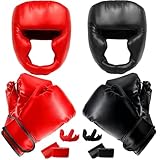
Ever wondered about the weight of those gloves you see in professional boxing matches? It’s a question that goes beyond mere curiosity; it’s fundamental to the sport’s strategy, safety, and even the type of punches thrown. The weight of boxing gloves plays a crucial role in everything from the force of impact to the boxer’s endurance. Understanding these specifics is key to appreciating the intricacies of boxing.
We’re going to explore the different weights of professional boxing gloves, why those weights matter, and how they impact a fight. We’ll delve into the regulations set by boxing commissions, the materials used, and the factors that influence glove weight. This isn’t just about the numbers; it’s about the science and strategy behind every punch thrown in the ring.
So, let’s lace up our virtual gloves and get ready to explore the world of professional boxing glove weights. By the end, you’ll have a much better understanding of this important aspect of the sport. You’ll see how seemingly small differences in weight can have significant effects on the fight.
The Standard Weights: A Quick Overview
Professional boxing gloves come in standardized weights, measured in ounces (oz). This is the primary unit of measurement you’ll encounter when discussing glove weights. These weights are not arbitrary; they are set by boxing commissions and organizations to ensure fair competition and, importantly, to help maintain a level of safety. The most common weights are 8 oz and 10 oz, but the use of each depends on several factors, primarily the weight class of the boxers.
8-Ounce Gloves
8-ounce gloves are typically used in lighter weight classes. These are the gloves you’ll see in bouts featuring boxers in divisions like lightweight (up to 135 pounds) or even junior welterweight (up to 140 pounds). These gloves allow for more speed and less protection. The reduced weight allows for quicker hand movements and faster punch combinations, which can make for a more exciting and dynamic fight for the spectators. The lighter weight, however, means less padding and, consequently, less protection for the boxer’s hands.
10-Ounce Gloves
10-ounce gloves are the most common in professional boxing. They are used in most weight classes, especially those from welterweight (up to 147 pounds) through heavyweight. These gloves offer a balance between speed and protection. They provide more padding than 8-ounce gloves, which is crucial for protecting the hands and absorbing some of the impact. The slightly heavier weight also means that punches may carry a bit more power. This is because the additional mass can generate more momentum as the punch is delivered.
Why the Different Weights?
The different weights exist to level the playing field and mitigate some of the risks involved in boxing. Lighter gloves allow for increased hand speed, which can be a significant advantage in certain weight classes. Heavier gloves provide more protection, which becomes increasingly important as the weight of the boxers increases, and punches become more powerful. The weight of the gloves also influences the overall strategy of the fight. Boxers in lighter weight classes might focus on speed and combinations, while those in heavier classes might favor power punches and a more cautious approach.
Weight Classes and Glove Regulations: The Governing Bodies
Professional boxing is governed by various organizations and commissions, each with its own set of rules and regulations. These organizations, such as the World Boxing Council (WBC), World Boxing Association (WBA), International Boxing Federation (IBF), and World Boxing Organization (WBO), establish the standards for glove weights, among other things. Their primary goal is to ensure fair competition and the safety of the fighters. These rules are designed to create a consistent framework for all matches, no matter where they are held.
Commission Regulations
Boxing commissions are typically state or regional bodies that oversee professional boxing matches. They are responsible for enforcing the rules set by the major sanctioning bodies. These commissions often have the final say on the specific regulations for a fight, including the type of gloves that can be used. They may also inspect the gloves before the fight to ensure they meet the required standards. These inspections help to prevent any unfair advantages, such as altered or illegal gloves.
The Role of Sanctioning Bodies
The major sanctioning bodies, such as the WBC, WBA, IBF, and WBO, set the overall standards for professional boxing. They establish the rules for weight classes, glove weights, and other aspects of the sport. Their regulations provide a consistent framework for professional boxing worldwide. They also oversee championship bouts and rank boxers within their respective organizations. These rankings are important for determining who gets to fight for titles and who is eligible for certain matches.
Specific Examples
For example, the WBC and WBA typically mandate 8-ounce gloves for bouts up to the junior welterweight division (140 lbs) and 10-ounce gloves for all divisions above that. However, specific regulations can vary depending on the commission or the agreement between the fighters and their teams. The exact weight regulations are always clearly communicated before a fight. This transparency is crucial for ensuring that all parties understand the rules and that the competition is fair. The rules can even vary depending on the location of the fight, further highlighting the complexities of boxing regulations.
The Impact of Glove Weight on Punching Power and Speed
The weight of boxing gloves directly affects both the punching power and the speed with which a boxer can throw punches. While heavier gloves may seem like they would automatically increase punching power due to the added mass, the reality is more nuanced. The trade-off between power and speed is a constant consideration for boxers and trainers. (See Also: Are Muay Thai Gloves The Same As Boxing Gloves )
Punching Power
Heavier gloves can potentially increase the force of a punch. The added mass can generate more momentum as the glove moves through the air, thus increasing the kinetic energy transferred upon impact. However, the increased weight also makes it harder to throw punches quickly, which can reduce the number of punches landed. The distribution of weight within the glove also plays a role. A glove with a heavier padding concentrated in the knuckle area might deliver a more forceful punch, while a glove with weight distributed throughout might offer more overall protection.
Punching Speed
Lighter gloves allow for faster hand speed. This is because there is less mass to move, making it easier to throw punches quickly and repeatedly. Faster hand speed can lead to more punches landed, which can wear down an opponent over the course of a fight. Faster punches can also be more difficult to defend against. However, lighter gloves offer less protection, which increases the risk of hand injuries.
The Trade-Off
The decision of which glove weight to use is a trade-off between power and speed. Boxers and their trainers must consider their fighting style, their opponent’s strengths and weaknesses, and the overall strategy for the fight. Some boxers prefer the added speed of lighter gloves, while others prefer the potential for more power with heavier gloves. The choice often depends on the specific match-up and the boxer’s individual preferences.
Materials and Construction of Professional Boxing Gloves
The materials and construction of professional boxing gloves play a significant role in their weight, durability, and performance. High-quality gloves are designed to provide both protection and comfort, while also meeting the rigorous demands of professional boxing. The materials used, and the way they are assembled, directly impact the gloves’ weight, feel, and overall effectiveness.
Outer Layer
The outer layer of a boxing glove is typically made of either leather or synthetic materials. Leather is the traditional choice due to its durability, flexibility, and ability to conform to the hand over time. High-quality leather gloves can last for years with proper care. Synthetic materials, such as polyurethane (PU) or microfiber, are often used in more affordable gloves. They can offer good performance and durability, but they may not have the same longevity or feel as leather. The outer layer protects the internal padding and gives the glove its shape.
Padding
The padding is the most crucial part of the boxing glove. It is primarily responsible for protecting the boxer’s hands and the opponent. The padding usually consists of multiple layers of foam, such as layered foam, or injected mold foam. The density and composition of the foam can vary, affecting the glove’s weight and the level of protection it provides. Some gloves incorporate gel inserts to enhance impact absorption. Proper padding is essential for preventing hand injuries and reducing the risk of cuts and bruises to the face.
Lining
The lining of a boxing glove, typically made from nylon or other moisture-wicking materials, helps to manage sweat and moisture. This is important for comfort and preventing the growth of bacteria. A good lining should be breathable and comfortable against the skin. Some gloves also feature antimicrobial treatments to further reduce the risk of odor and bacteria.
Fastening System
The fastening system secures the glove to the hand. Professional gloves usually have a lace-up closure, which provides a secure and customized fit. Laces allow for a tight fit that minimizes movement within the glove. Some gloves use hook-and-loop closures for convenience, but these are less common in professional bouts due to the potential for the glove to come loose. The fastening system is critical for ensuring that the glove stays securely in place during a fight.
Factors Influencing Glove Weight: Beyond the Standard
While standard glove weights are set by regulations, several factors can influence the actual weight of a boxing glove. These factors are important to consider, as they can affect the performance and feel of the gloves.
Material Density and Construction
The density of the materials used in the glove’s padding significantly impacts its weight. Denser foams will weigh more than less dense foams, even if they have the same volume. The construction of the glove, including the number of layers and the way the materials are assembled, also influences its weight. Gloves with more complex construction may weigh more than simpler designs. The choice of materials affects not only the weight but also the level of protection and the glove’s overall performance.
Size and Fit
The size and fit of the glove can also affect its weight. Larger gloves, designed for larger hands, may weigh more than smaller gloves. The fit of the glove is also important. A glove that fits properly will distribute the weight more evenly and provide better protection. A poorly fitting glove can feel heavier and be less comfortable to wear. A glove that is too loose can also shift around during the fight, potentially leading to injury. (See Also: Can You Wrestle In Boxing Shoes )
Moisture Absorption
The amount of moisture absorbed by the glove can slightly increase its weight during a fight. Gloves can absorb sweat, which adds weight over time. This is why the lining of the glove is important, as it helps to manage moisture. The amount of moisture absorption depends on the materials used and the conditions of the fight. This is a minor factor, but it can contribute to a slight increase in weight during a long bout.
Brand and Model Variations
Different brands and models of gloves can have slightly different weights, even within the same weight class. This is due to variations in materials, construction techniques, and design. Some brands may use denser foams or incorporate additional features that add weight. It’s important to consider the brand and model when choosing gloves, as the weight can vary slightly. Professional boxers often have preferences for specific brands and models, based on their feel and performance.
Glove Weight and Different Fighting Styles
The weight of boxing gloves can influence a boxer’s strategy and the type of punches they throw. Different glove weights suit different fighting styles. The right glove weight can enhance a boxer’s strengths and minimize their weaknesses. The relationship between glove weight and fighting style is a key consideration for boxers and trainers when preparing for a fight.
Aggressive Boxers
Aggressive boxers, who prefer to pressure their opponents and throw a high volume of punches, often favor lighter gloves. Lighter gloves allow for faster hand speed and more frequent punch combinations. This allows them to overwhelm their opponents with a barrage of strikes. The increased speed can also make it easier to land punches and control the pace of the fight. However, these boxers must be mindful of the reduced protection offered by lighter gloves.
Defensive Boxers
Defensive boxers, who prioritize protecting themselves and counter-punching, often use heavier gloves. The added padding provides more protection, which can be crucial for absorbing punches from a more aggressive opponent. The slight reduction in hand speed is less of a concern for boxers who are more focused on defense and precise counter-punches. Heavier gloves can also provide more power, which can be beneficial when landing counter shots.
Power Punchers
Power punchers, who rely on knockout power, may find heavier gloves beneficial. The added mass can generate more momentum, potentially increasing the force of their punches. The increased padding also helps to protect their hands when throwing powerful strikes. However, they must balance the potential for increased power with the need for speed and agility. Power punchers often focus on landing fewer, but more impactful, punches.
Technical Boxers
Technical boxers, who focus on strategy, footwork, and precise punches, often choose gloves that balance speed and protection. They need gloves that allow them to execute their game plan effectively, whether that involves moving, countering, or controlling the distance. The right glove weight allows them to balance their technical skills with a suitable level of protection. They might adjust the glove weight based on the specific opponent and the overall strategy.
Training Gloves vs. Competition Gloves
It’s important to distinguish between training gloves and competition gloves, as their weight and construction differ. While both types of gloves are essential for boxing, they serve different purposes. Understanding these differences is crucial for maximizing training effectiveness and ensuring safety.
Training Gloves
Training gloves are designed for sparring, heavy bag work, and other training activities. They are typically heavier than competition gloves, often weighing 12 oz, 14 oz, or even 16 oz. The additional weight provides more protection for the hands during training. Heavier gloves help to build strength and endurance. They also simulate the weight of competition gloves, helping the boxer get used to the feeling of fighting with them. Training gloves are built for durability and repeated use.
Competition Gloves
Competition gloves are designed for use in professional boxing matches. They are lighter than training gloves, typically 8 oz or 10 oz. The lighter weight allows for faster hand speed and more dynamic movement in the ring. Competition gloves are designed to meet the regulations set by boxing commissions. They are often made with high-quality materials to maximize performance and minimize risk. The focus is on balance between speed, power, and protection.
Why the Difference?
The difference in weight and construction between training and competition gloves serves different purposes. Training gloves are designed to protect the hands during the intense demands of training. Competition gloves are optimized for performance and meeting the specific requirements of professional matches. Training with heavier gloves can help build strength and endurance, while competition gloves allow for optimal speed and agility in the ring. The use of both types of gloves is essential for a well-rounded boxing regimen. (See Also: Is Everlast Good Boxing Gloves )
Glove Maintenance and Care: Extending Lifespan and Performance
Proper glove maintenance and care are essential for extending their lifespan and ensuring optimal performance. Boxing gloves are an investment, and taking care of them can help them last for years. Regular maintenance also helps to prevent odors and maintain hygiene. Proper care ensures that the gloves remain in good condition and provide the necessary protection during fights and training.
Cleaning
Cleaning your gloves after each use is crucial. Wipe down the exterior with a damp cloth to remove sweat and debris. Allow the gloves to air dry completely before storing them. Avoid using harsh chemicals or excessive water, as this can damage the materials. Use a specialized glove cleaner occasionally to remove odors and maintain hygiene. Proper cleaning prevents the buildup of bacteria and keeps the gloves in good condition.
Drying
Drying your gloves properly is essential to prevent the growth of mold and mildew. After each use, remove the gloves from your bag and allow them to air dry in a well-ventilated area. Avoid placing them in direct sunlight or using a heat source, as this can damage the materials. You can insert a glove dryer or use newspaper to absorb moisture. Proper drying prevents the buildup of moisture and keeps the gloves fresh.
Storage
Storage is also important. Store your gloves in a cool, dry place away from direct sunlight and heat. Avoid storing them in a gym bag for extended periods, as this can trap moisture and lead to odors. Use a glove bag or a breathable container to protect them from dust and damage. Proper storage extends the lifespan of the gloves and keeps them in good condition.
Odor Control
Odor control can be achieved by using glove deodorizers or baking soda. Insert glove deodorizers or baking soda packets into the gloves after each use to absorb odors and moisture. You can also spray the inside of the gloves with a specialized deodorizer. Proper odor control prevents the buildup of unpleasant smells and keeps the gloves fresh.
The Future of Boxing Gloves: Innovations and Trends
The world of boxing gloves is constantly evolving, with new innovations and trends emerging. Manufacturers are continually working to improve the materials, construction, and overall performance of boxing gloves. These innovations aim to enhance protection, improve performance, and address the specific needs of boxers. The future of boxing gloves promises even more advancements in technology and design.
Material Advancements
New materials are continually being developed. Manufacturers are exploring advanced foams, gel inserts, and synthetic materials that provide better protection and performance. These materials are often lighter and more durable than traditional options. The use of advanced materials can enhance the gloves’ ability to absorb impact and reduce the risk of injury. The goal is to create gloves that are both protective and comfortable.
Design Innovations
Design innovations are also playing a crucial role. Glove designers are exploring new shapes, padding configurations, and fastening systems. The goal is to improve the fit, feel, and overall performance of the gloves. Some gloves feature ergonomic designs that conform to the natural shape of the hand. Others incorporate innovative fastening systems that provide a more secure and customized fit. These design innovations aim to enhance the boxer’s performance and comfort.
Technology Integration
Technology integration is also a growing trend. Some gloves now incorporate sensors that track punch force, speed, and other metrics. This data can be used to analyze a boxer’s performance and provide valuable feedback. The integration of technology can help boxers and trainers optimize their training and improve their overall performance. This offers a new level of data-driven insights into the sport.
Sustainability
Sustainability is becoming increasingly important. Manufacturers are exploring eco-friendly materials and manufacturing processes. The goal is to reduce the environmental impact of boxing gloves. Some gloves are made from recycled materials or sustainable sources. This is part of a broader trend toward sustainability in the sports equipment industry. The move toward sustainability is important for the health of the planet and the future of the sport.
Conclusion
Understanding the weight of professional boxing gloves is key to appreciating the intricacies of the sport. From the standard weights of 8 oz and 10 oz, to the regulations set by governing bodies, every detail plays a crucial role. The choice of glove weight affects punching power, speed, and the overall strategy of a fight. The materials, construction, and maintenance of gloves are also essential for performance, durability, and safety.
As technology and design continue to evolve, the future of boxing gloves promises even more advancements. These innovations will enhance protection, improve performance, and address the specific needs of boxers. Whether you’re a seasoned fan or a newcomer to the sport, the next time you watch a professional boxing match, you’ll have a much deeper understanding of the gloves and their impact on the fight.