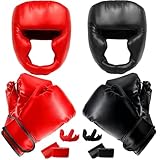
So, you’re ready to step into the ring, or maybe just hit the heavy bag? Fantastic! Before you start throwing punches, there’s one crucial piece of equipment you need to get right: your boxing gloves. Getting the correct size is absolutely essential for both your performance and, more importantly, your safety. Ill-fitting gloves can lead to injuries, hinder your technique, and generally make your training experience less enjoyable.
This guide will walk you through everything you need to know about how to size boxing gloves, from understanding the different types of gloves to figuring out the perfect fit for your hand. We’ll cover weight, material, and how to measure your hand. We’ll also address common questions and concerns. Let’s get started and make sure you have the right gear to protect your hands and maximize your training!
Understanding Boxing Glove Types
Before diving into sizing, it’s important to understand the different types of boxing gloves. Each type serves a specific purpose, and the appropriate size can vary slightly depending on the intended use. The main categories are:
Training Gloves
Training gloves are the workhorses of any boxer’s arsenal. They’re designed for general use, including bag work, pad work, and sparring. Training gloves typically offer a good balance of protection and durability, making them suitable for various training activities. They often come in weights ranging from 12oz to 16oz, with heavier gloves providing more padding and protection.
Sparring Gloves
Sparring gloves are specifically designed for sparring sessions with a partner. These gloves prioritize safety and are generally heavier and more padded than training gloves. The extra padding helps to absorb impact and reduce the risk of injury to both fighters. Sparring gloves are usually 14oz, 16oz, or even 18oz, depending on the weight of the boxers involved.
Competition Gloves
Competition gloves are designed for use in official boxing matches. These gloves are usually lighter than training or sparring gloves, typically ranging from 8oz to 10oz, to allow for faster hand speed and more powerful punches. They are designed to meet specific regulations set by boxing organizations and often have a streamlined design. These gloves are typically made from high-quality materials.
Bag Gloves
Bag gloves are specifically designed for hitting heavy bags. They are generally lighter and more compact than training gloves, allowing for a more natural feel and enhanced speed when striking the bag. However, bag gloves provide less padding compared to training or sparring gloves, so they are not recommended for sparring. They are often used for developing punching technique and speed.
Hybrid Gloves
Hybrid gloves are designed for both bag work and light sparring. They combine features from both bag and sparring gloves, offering a balance of protection and agility. These gloves are a good option for those who train in various ways but don’t want to invest in multiple pairs of gloves. (See Also: Are Muay Thai Gloves The Same As Boxing Gloves )
Factors Affecting Boxing Glove Size
Several factors influence the appropriate boxing glove size. Understanding these factors will help you make an informed decision and choose gloves that fit properly.
Weight of the Boxer
The weight of the boxer is the most critical factor when determining glove size. Heavier boxers generally require heavier gloves to provide adequate protection. Heavier gloves have more padding, which helps to absorb the impact of punches and reduce the risk of injury. As a general rule, heavier boxers should use gloves in the 14oz-16oz range, while lighter boxers can often get away with 12oz gloves.
Hand Size
Hand size also plays a role in glove sizing. While weight is the primary factor, hand size can influence the fit and comfort of the gloves. Boxers with larger hands may need to consider gloves with a wider hand compartment or choose a slightly larger size to accommodate their hands. Measuring your hand (explained later) will help you assess your hand size and choose the right gloves.
Training Activity
The type of training you’ll be doing impacts the glove size. As mentioned earlier, sparring gloves are typically heavier than training gloves to provide more protection. If you’re primarily using the gloves for bag work, you might opt for a lighter glove. The intensity of your training also matters; more intense training sessions often require heavier gloves for added protection.
Experience Level
Beginner boxers often benefit from heavier gloves, as they provide more padding and reduce the risk of injury. More experienced boxers might prefer lighter gloves for increased speed and agility, but they should still prioritize safety and choose gloves that offer adequate protection. A professional fighter will likely have a range of gloves for different purposes.
How to Measure Your Hand for Boxing Gloves
Accurately measuring your hand is crucial for determining the correct glove size. Follow these steps for an accurate measurement:
- Gather Your Materials: You’ll need a flexible measuring tape and a piece of paper or a pen and paper.
- Open Your Hand: Extend your dominant hand (the one you’ll be wearing the glove on) and keep your fingers slightly spread.
- Measure Across the Knuckles: Use the measuring tape to measure the circumference of your hand across the knuckles. Wrap the tape around the widest part of your hand, excluding the thumb. Make sure the tape is snug but not too tight.
- Record the Measurement: Note down the measurement in inches or centimeters. This is your hand circumference.
- Consult a Sizing Chart: Use a boxing glove sizing chart (provided later in this guide) to determine the appropriate glove size based on your hand circumference and weight.
Boxing Glove Sizing Charts
Sizing charts vary slightly between brands, but they generally follow the same principles. Here’s a general guide: (See Also: Can You Wrestle In Boxing Shoes )
General Boxing Glove Sizing Chart (for Training Gloves)
| Weight of Boxer | Glove Size (oz) |
|---|---|
| Under 120 lbs | 10 oz |
| 120 – 150 lbs | 12 oz |
| 150 – 180 lbs | 14 oz |
| 180 – 200 lbs | 16 oz |
| Over 200 lbs | 16 oz or 18 oz |
Important Note: This chart is a general guideline. Always refer to the specific sizing chart provided by the manufacturer of the gloves you are considering. Also, remember to consider your hand size and training activity when selecting gloves.
Hand Circumference Sizing Chart (for Training Gloves)
This chart focuses on hand circumference, providing another way to determine glove size.
| Hand Circumference | Glove Size (oz) |
|---|---|
| Under 7 inches | 10 oz |
| 7 – 8 inches | 12 oz |
| 8 – 9 inches | 14 oz |
| 9 – 10 inches | 16 oz |
| Over 10 inches | 16 oz or 18 oz |
Choosing the Right Boxing Glove Material
The material of your boxing gloves affects durability, comfort, and performance. Common materials include:
Leather
Leather gloves are considered the premium choice. They are durable, offer excellent protection, and conform to the shape of your hand over time. Leather gloves can last for years with proper care. They are often more expensive than synthetic options. Leather gloves also breathe and wick away moisture more effectively, which helps to keep your hands cooler and drier during training. Full-grain leather is the highest quality.
Synthetic Leather
Synthetic leather gloves are a more affordable option. They are generally made from polyurethane (PU) or polyvinyl chloride (PVC) materials. Synthetic leather gloves can be a good choice for beginners or those on a budget. They are also easier to clean and require less maintenance than leather gloves. However, they may not be as durable as leather and may not offer the same level of protection.
Other Materials
Some gloves incorporate other materials, such as mesh panels for ventilation. The choice of material often depends on your budget and training needs. The construction of the glove is also important; look for gloves with reinforced stitching and a secure wrist closure.
Fit and Feel: What to Look For
The fit and feel of your boxing gloves are critical for comfort, performance, and safety. Here are some key considerations: (See Also: Is Everlast Good Boxing Gloves )
- Snug Fit: The gloves should fit snugly around your hand, without feeling too tight or restrictive. You should be able to make a fist comfortably.
- Wrist Support: The gloves should provide adequate wrist support to prevent injuries. Look for gloves with a secure wrist closure, such as a hook-and-loop strap or a lace-up design.
- Padding: The padding should be evenly distributed throughout the glove, providing protection for your knuckles, hand, and wrist.
- Thumb Placement: The thumb should be positioned comfortably and securely, with enough room to move freely.
- Comfort: The gloves should feel comfortable on your hand, with no pressure points or areas of irritation.
Tips for Trying on Boxing Gloves
When trying on boxing gloves, follow these tips:
- Wear Hand Wraps: Always wear hand wraps when trying on gloves. This simulates the actual training environment and provides an accurate fit.
- Make a Fist: Make a fist with your hand inside the glove to ensure there is enough room and that the glove doesn’t restrict your movement.
- Check Wrist Support: Check the wrist support by flexing your wrist and ensuring the gloves provide adequate protection and stability.
- Ask for Assistance: If possible, have someone else help you try on the gloves and assess the fit.
Boxing Glove Maintenance and Care
Proper maintenance and care will extend the life of your boxing gloves and ensure they remain in good condition. Here are some tips:
- Air Out Your Gloves: After each training session, remove your gloves from your bag and allow them to air out. This helps to prevent the growth of bacteria and reduce odors.
- Use Glove Deodorizers: Consider using glove deodorizers or inserts to absorb moisture and eliminate odors.
- Clean Your Gloves: Wipe down the outside of your gloves with a damp cloth after each use. For leather gloves, you can use a leather cleaner.
- Store Your Gloves Properly: Store your gloves in a cool, dry place away from direct sunlight. Avoid storing them in a gym bag for extended periods.
- Avoid Extreme Temperatures: Do not expose your gloves to extreme temperatures, as this can damage the materials.
- Regularly Check for Wear and Tear: Inspect your gloves regularly for any signs of wear and tear, such as rips, tears, or loose stitching. Replace your gloves if they are damaged.
Common Mistakes to Avoid When Sizing Boxing Gloves
Here are some common mistakes to avoid when sizing boxing gloves:
- Not Considering Weight: Failing to consider your weight is a common mistake. Always use your weight as the primary factor in determining glove size.
- Choosing Gloves Too Small: Gloves that are too small can restrict movement, cause discomfort, and increase the risk of injury.
- Not Trying on Gloves: Always try on gloves before purchasing them, if possible. This allows you to assess the fit and feel.
- Ignoring Hand Wraps: Failing to wear hand wraps when trying on gloves will result in an inaccurate fit.
- Buying Based on Brand Alone: While brand reputation is important, don’t let it be the sole factor in your decision. Consider the glove’s features, material, and fit.
Where to Buy Boxing Gloves
Boxing gloves are available at various retailers, both online and in physical stores. Here are some places to consider:
- Specialty Boxing Stores: These stores offer a wide selection of boxing equipment and knowledgeable staff who can help you choose the right gloves.
- Sporting Goods Stores: Major sporting goods stores often carry a selection of boxing gloves.
- Online Retailers: Online retailers, such as Amazon, offer a vast selection of boxing gloves from various brands. Be sure to read reviews and compare prices.
- Direct from Manufacturers: Some boxing equipment manufacturers sell their products directly to consumers.
Boxing Glove Brands
Many reputable brands manufacture boxing gloves. Some popular brands include:
- Everlast: A well-known brand offering a wide range of boxing gloves for all skill levels.
- Title Boxing: Known for high-quality gloves and equipment.
- Rival Boxing Gear: A brand focused on innovation and performance.
- Cleto Reyes: A premium brand favored by professional boxers.
- Winning: Another high-end brand known for its exceptional quality and protection.
- Hayabusa: Known for its advanced technology and ergonomic designs.
Final Considerations
Choosing the right boxing gloves is a crucial step in ensuring a safe and enjoyable training experience. By understanding the different types of gloves, considering your weight and hand size, and following the tips in this guide, you can find the perfect pair of gloves to protect your hands and enhance your performance. Remember to prioritize fit, comfort, and protection when making your decision.
Final Thoughts
Choosing the right boxing gloves is about more than just looking cool; it’s about protecting your hands and ensuring you can train effectively. Remember to consider your weight, hand size, and intended use when selecting your gloves. Always wear hand wraps and try on the gloves before purchasing, if possible. With the right knowledge and a little care, you’ll be ready to hit the bag or spar with confidence, knowing your hands are well-protected.
Don’t underestimate the importance of proper fit. Ill-fitting gloves can lead to injuries and a less enjoyable training experience. Take the time to measure your hand and consult sizing charts. Proper glove care, including airing them out and cleaning them regularly, will extend their lifespan and maintain their performance. Following these guidelines will ensure you have the right gear to train safely and effectively. Enjoy your boxing journey!