Shadow boxing, the art of fighting an invisible opponent, is a cornerstone of boxing training. It hones your technique, builds stamina, and warms you up before a sparring session or a real fight. But what happens when you add weights to the equation? Is shadow boxing with weights a shortcut to gains, or a recipe for disaster? I’ve spent years in the gym, both as a boxer and a trainer, and I’m here to give you the lowdown on whether adding weight to your shadow boxing routine is a good idea.
We’ll explore the potential benefits, the risks involved, and how to do it safely if you choose to incorporate weights. From wrist weights to hand wraps with added resistance, we will explore the different ways you can add weight. We’ll also break down the science behind the movements and discuss the impact on your muscles, joints, and overall performance. Let’s get started and find out if shadow boxing with weights is right for you.
The Fundamentals: Shadow Boxing Unloaded
Before we add any weight, let’s revisit the basics of shadow boxing. It’s more than just throwing punches in the air. It’s a comprehensive training tool that simulates the movements of a real fight. It allows you to focus on your form, speed, and footwork without the impact of hitting a heavy bag or sparring with an opponent.
Here’s what a typical shadow boxing session involves:
- Footwork: Practicing your stance, pivots, and lateral movements.
- Punching combinations: Throwing jabs, crosses, hooks, uppercuts, and any other punches you might use.
- Defense: Practicing slipping, rolling, and blocking punches.
- Head movement: Weaving and bobbing to avoid imaginary attacks.
- Rhythm and timing: Developing a sense of timing and coordination.
Shadow boxing is a fantastic way to develop muscle memory, improve your cardiovascular fitness, and refine your technique. It’s also a great warm-up exercise, preparing your muscles and joints for more intense training.
Adding Weight: The Good and the Bad
Now, let’s talk about adding weights. The idea is simple: by adding resistance to your punches, you can potentially increase your strength and power. However, it’s not as straightforward as it seems. There are both potential benefits and risks to consider.
Potential Benefits
Here are some of the potential advantages of shadow boxing with weights:
- Increased muscle strength and endurance: Adding weight to your punches forces your muscles to work harder, leading to increased strength and endurance over time. This can translate to more powerful punches and the ability to maintain your energy levels throughout a fight.
- Improved punching speed: While it might seem counterintuitive, adding weight can actually improve your punching speed. By training with added resistance, your muscles become accustomed to generating force more quickly. When you remove the weights, your punches might feel faster and lighter.
- Enhanced shoulder stability: Shadow boxing with weights can strengthen the muscles around your shoulder joint, improving stability and reducing the risk of injury.
- Improved overall conditioning: The added resistance increases the intensity of your workout, leading to improved cardiovascular fitness and overall conditioning.
Potential Risks
Here are some potential drawbacks of shadow boxing with weights:
- Increased risk of injury: Adding too much weight or using improper form can put excessive stress on your joints, particularly your shoulders, elbows, and wrists. This can lead to strains, sprains, and other injuries.
- Compromised technique: If you’re not careful, adding weight can cause you to sacrifice proper form. This can lead to bad habits and reduce the effectiveness of your punches.
- Muscle imbalances: Overuse of weights can lead to muscle imbalances, particularly if you’re not also performing exercises that work opposing muscle groups.
- Overtraining: Shadow boxing with weights can be very demanding on your muscles. Overdoing it can lead to fatigue, decreased performance, and an increased risk of injury.
Types of Weights for Shadow Boxing
If you decide to try shadow boxing with weights, it’s important to choose the right type of weight and use it safely. Here are some common options: (See Also: How To Do Shadow Boxing For Beginners )
Wrist Weights
Wrist weights are worn around your wrists and add resistance to your arm movements. They are readily available and can be a good starting point for adding weight to your shadow boxing routine. However, it’s crucial to select the proper weight and ensure your form remains impeccable. Start with lighter weights (1-2 pounds) and gradually increase the weight as your strength improves.
Pros:
- Easy to use and adjust.
- Relatively inexpensive.
- Can be worn during various exercises.
Cons:
- Can put stress on your wrists.
- May alter your punching mechanics if the weight is too heavy.
Hand Wraps with Added Resistance
Some hand wraps incorporate added resistance, such as small weights or weighted material. These can provide a more integrated approach to adding weight, as they are securely attached to your hands. Make sure you use high-quality hand wraps that provide adequate support and protection for your hands and wrists.
Pros:
- Provides a secure and integrated way to add weight.
- Helps protect your hands and wrists.
Cons:
- Can be more expensive than regular hand wraps.
- May require more time to wrap your hands.
Weighted Gloves
Weighted gloves are designed specifically for boxing training. They typically add weight to the entire hand and can range from a few ounces to several pounds. Weighted gloves can be useful for increasing punching power and endurance, but it’s important to use them cautiously. Start with lighter weights and pay close attention to your form.
Pros: (See Also: Can Underwater Shadow Boxing )
- Can increase punching power and endurance.
- Provides a more natural feel compared to wrist weights.
Cons:
- Can be expensive.
- May alter your punching mechanics.
- Can increase the risk of injury if the weight is too heavy.
Resistance Bands
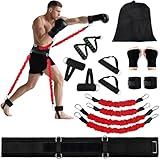
While not technically weights, resistance bands can be incorporated into your shadow boxing routine to add resistance. You can loop a band around your wrists or ankles to increase the challenge of your movements. Resistance bands are a versatile and affordable option that can be used to target various muscle groups.
Pros:
- Versatile and affordable.
- Can be used to target various muscle groups.
Cons:
- May not provide as much resistance as other weight options.
How to Shadow Box with Weights Safely
If you’re going to shadow box with weights, safety should be your top priority. Here are some guidelines to follow:
- Start light: Begin with light weights, such as 1-2 pound wrist weights or lightly weighted gloves.
- Focus on form: Prioritize proper technique over adding more weight. If your form starts to suffer, reduce the weight or stop using weights altogether.
- Warm-up properly: Before shadow boxing with weights, warm up your muscles and joints with dynamic stretches and light shadow boxing without weights.
- Listen to your body: Pay attention to any pain or discomfort. If you feel any pain, stop immediately.
- Gradually increase the weight: As you get stronger, you can gradually increase the weight. Don’t increase the weight too quickly, as this can increase your risk of injury.
- Vary your routine: Don’t shadow box with weights every day. Alternate between shadow boxing with and without weights to avoid overtraining and allow your muscles to recover.
- Cool down: After shadow boxing with weights, cool down with static stretches to improve flexibility and reduce muscle soreness.
- Consider consulting a coach: If you’re unsure about how to shadow box with weights safely, consider consulting a boxing coach or trainer. They can assess your form and provide personalized guidance.
Weight Selection and Progression
Choosing the right weight is critical for safety and effectiveness. Here’s a general guideline for weight selection:
| Weight Type | Starting Weight | Progression |
|---|---|---|
| Wrist Weights | 1-2 lbs | Increase by 0.5-1 lb increments |
| Weighted Gloves | 4-8 oz | Increase by 2-4 oz increments |
| Hand Wraps with Resistance | Varies (follow product guidelines) | Increase resistance gradually |
Remember to always prioritize form over weight. If your technique starts to suffer, reduce the weight or stop using weights. The goal is to improve your strength and power without sacrificing your technique or risking injury.
Shadow Boxing with Weights vs. Other Training Methods
Shadow boxing with weights is just one tool in a boxer’s arsenal. It’s important to consider how it fits into your overall training plan. Here’s how it compares to other training methods: (See Also: De Hood Boxing Gym Sheffield )
Shadow Boxing vs. Heavy Bag Work
Shadow boxing with weights can be a good supplement to heavy bag work, but it should not replace it entirely. Heavy bag work allows you to practice punching with power and impact. Shadow boxing with weights can help you build strength and endurance, but it doesn’t provide the same feedback as hitting a heavy bag. Both are important components of a well-rounded boxing training program.
Shadow Boxing vs. Strength Training
Shadow boxing with weights can help you build strength and endurance, but it’s not a substitute for dedicated strength training. Strength training, such as weightlifting or bodyweight exercises, is essential for building overall strength and power. Shadow boxing with weights can be a supplemental exercise to complement your strength training routine.
Shadow Boxing vs. Sparring
Shadow boxing with weights can help you prepare for sparring, but it cannot replace it. Sparring allows you to practice your skills against a live opponent. It’s essential for developing your reflexes, timing, and strategic thinking. Shadow boxing with weights can help you improve your physical conditioning for sparring, but it doesn’t provide the same experience.
Common Mistakes to Avoid
Here are some common mistakes to avoid when shadow boxing with weights:
- Using too much weight: This is the most common mistake. It can lead to poor form and an increased risk of injury.
- Neglecting proper form: Always prioritize proper technique over adding more weight.
- Not warming up properly: Always warm up your muscles and joints before shadow boxing with weights.
- Shadow boxing with weights too frequently: Avoid overtraining by alternating between shadow boxing with and without weights.
- Ignoring pain: If you feel any pain, stop immediately.
Is Shadow Boxing with Weights Right for You?
Whether or not shadow boxing with weights is right for you depends on your individual goals, experience level, and training program. If you’re a beginner, it’s generally best to focus on mastering the fundamentals of shadow boxing before adding weights. If you’re an experienced boxer, shadow boxing with weights can be a valuable tool for improving your strength, power, and conditioning. However, it’s essential to use weights safely and prioritize proper form.
Alternatives to Shadow Boxing with Weights
If you’re not comfortable with shadow boxing with weights, or if you’re looking for other ways to improve your boxing skills, here are some alternatives:
- Shadow boxing without weights: Focus on perfecting your technique, footwork, and head movement.
- Heavy bag work: Practice punching with power and impact.
- Speed bag training: Improve your hand speed and coordination.
- Double-end bag training: Develop your timing, reflexes, and accuracy.
- Jump rope: Improve your cardiovascular fitness, footwork, and coordination.
- Strength training: Build overall strength and power.
- Sparring: Practice your skills against a live opponent.
- Agility drills: Improve your footwork, reflexes, and coordination.
By incorporating a variety of training methods, you can create a well-rounded boxing training program that helps you achieve your goals.
Verdict
Shadow boxing with weights can be a beneficial addition to your boxing training, offering potential gains in strength, speed, and endurance. However, it’s crucial to approach it with caution. Start with light weights, prioritize proper form, and listen to your body. Always warm up properly, and don’t overdo it. If you’re unsure, consult a coach or trainer for guidance. By following these guidelines, you can safely incorporate weights into your shadow boxing routine and take your boxing skills to the next level.
Remember that shadow boxing with weights is just one piece of the puzzle. A comprehensive training program should include a variety of exercises, such as heavy bag work, strength training, and sparring, to help you become a well-rounded boxer. By combining these training methods, you’ll be well on your way to achieving your boxing goals.