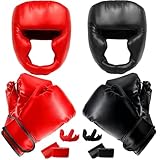
So, you’re getting into boxing, or maybe you’re already throwing punches, and you’re wondering about the essentials. One of the first things you’ll hear about is hand wraps. They’re a fundamental part of a boxer’s gear, right up there with gloves and a mouthguard. But what if you’re in a pinch, or maybe just curious – is it okay to box *only* with hand wraps? That’s the question we’ll tackle here.
We’ll explore the ‘why’ behind hand wraps, the risks involved when you decide to skip the gloves (or use them improperly), and when hand wraps alone might be considered. This isn’t just about following the rules; it’s about understanding how to protect your most valuable tools: your hands. Because let’s face it, without healthy hands, your boxing journey ends before it even begins. Let’s delve in.
The Crucial Role of Hand Wraps
Before we get to the core question, let’s understand why hand wraps are so important. They’re not just a fashion accessory; they’re the first line of defense for your hands. Think of them as a customized, protective shell that you create each time you wrap your hands.
Why Hand Wraps Are Essential:
- Support and Stability: Boxing involves repetitive, high-impact movements. Hand wraps provide crucial support to the small bones in your hands and wrists, reducing the risk of sprains and fractures. They keep everything aligned when you’re throwing a punch.
- Shock Absorption: Hand wraps absorb a significant amount of the impact from your punches. This helps to minimize the force that travels through your hand and up your arm, reducing the risk of injury.
- Protection of Skin and Knuckles: Hand wraps act as a barrier between your skin and the rough interior of boxing gloves. They help to prevent cuts, abrasions, and blisters. They also add a layer of padding over your knuckles, reducing the impact during contact.
- Wrist Alignment: Proper wrapping techniques can help to keep your wrist in a straight line, which is crucial for delivering a powerful and safe punch. A misaligned wrist is a recipe for injury.
The Anatomy of a Punch
To fully grasp the importance of hand wraps, you need a basic understanding of how a punch works, and what can go wrong. When you throw a punch, you’re not just using your arm; you’re engaging your entire body. The power originates from your legs and core, transferring through your shoulders, arm, and finally, your hand. The force is concentrated on the knuckles. Without the proper support and protection, this force can lead to a variety of injuries.
Here’s a simplified breakdown:
- The Foundation: Your feet are planted, providing a stable base.
- The Rotation: Your core and hips rotate, generating power.
- The Transfer: The power moves through your shoulder and arm.
- The Impact: Your knuckles make contact with the target.
If any part of this chain is weak or unsupported, the entire structure is at risk. That’s where hand wraps come in.
Boxing Without Gloves: A Risky Proposition
Now, let’s address the central question: Is it okay to box only with hand wraps? The short answer is: Generally, no. It’s not advisable, and it’s often against the rules in structured training or sparring.
Here’s why: (See Also: Are Boxing Gloves Made Of Leather )
Increased Risk of Injury
Without the padding and protection of boxing gloves, your hands are far more vulnerable. The force of impact is concentrated on a smaller surface area, leading to:
- Fractures: The small bones in your hands, especially the metacarpals (the bones in your palm), are prone to fracture without the protection of gloves.
- Sprains and Dislocations: Your wrists and fingers are also at risk of sprains and dislocations.
- Lacerations and Abrasions: The skin on your knuckles and hands will be more likely to tear or be abraded.
- Knuckle Damage: Repeated impact without adequate padding can lead to bruising, inflammation, and even long-term damage to your knuckles.
Impact on Training
Boxing gloves are designed to distribute the force of a punch over a wider area. Without them, you’re limited in the types of training you can do safely. You’ll need to drastically reduce the power of your punches, which can limit the effectiveness of your training. You will not be able to spar properly.
The Importance of Sparring
Sparring is a critical component of boxing training. It allows you to practice your skills in a controlled environment, against a live opponent. However, sparring without gloves is incredibly dangerous. The risk of serious injury is significantly increased.
Situations Where Hand Wraps Alone Might Be Considered (with Extreme Caution)
While generally discouraged, there *might* be very limited situations where boxing *only* with hand wraps could be considered. However, these situations come with significant caveats and should only be undertaken with extreme caution and under the guidance of a qualified coach.
Light Bag Work
Very light bag work, focusing on technique and speed rather than power, *might* be permissible. However, even then, the impact should be minimal, and the duration should be short. The focus should be on refining your form, not on generating power. The bag should also be of a softer variety, like a speed bag. This is not the same as hitting a heavy bag.
Shadow Boxing
Shadow boxing, where you’re practicing punches without a target, is generally safe with just hand wraps. This is because there’s no impact. However, even in shadow boxing, it’s essential to maintain proper form and avoid overextending your punches.
Technical Drills
Some technical drills that emphasize movement and technique may be done with hand wraps only. But again, the focus should be on form, not on power or impact. This is often done by advanced boxers to feel their hands and make sure they are properly aligned. (See Also: Are Boxing Gloves Weighted )
Caveats and Considerations
Even in these limited scenarios, several factors need careful consideration:
- Your Skill Level: Beginners should *never* box without gloves.
- Your Coach’s Guidance: Always consult with a qualified boxing coach before engaging in any activity without gloves. They can assess your technique and advise on the appropriateness of the activity.
- The Type of Target: Avoid hitting hard surfaces.
- Listen to Your Body: If you feel any pain, stop immediately.
- Duration: Keep the training sessions short.
The Right Way: Using Hand Wraps and Gloves Together
The best and safest way to box is always to use hand wraps *and* boxing gloves. Here’s a quick guide to the proper procedure:
1. Wrapping Your Hands
There are several different hand-wrapping techniques, but the goal is always the same: to provide support and protection. Here’s a general outline:
- Start with Your Wrist: Loop the wrap around your wrist several times to provide support.
- Wrap Your Knuckles: Wrap the hand wrap around your knuckles to create a padded surface.
- Wrap Between Your Fingers: Wrap between your fingers to provide extra support and help prevent your hand from opening up during a punch.
- Finish with the Wrist: Secure the wrap around your wrist.
There are many tutorials available online that can show you the different techniques. It’s a good idea to practice a few and find one that works best for you. Make sure the wrap is snug but not too tight, which can restrict blood flow.
2. Choosing the Right Gloves
Boxing gloves come in various sizes and weights. The right choice depends on your weight, the type of training you’re doing, and the rules of the organization you’re fighting with. Here are some general guidelines:
- Weight: The weight of the gloves is measured in ounces (oz). Generally, heavier gloves (14-16 oz) are used for sparring and heavy bag work, as they provide more padding and protection. Lighter gloves (10-12 oz) are often used for competition and speed bag work.
- Size: Make sure the gloves fit your hands properly. They should be snug but not too tight.
- Type: There are different types of gloves, including training gloves, sparring gloves, and competition gloves. Choose the type that’s appropriate for your activity.
3. Putting on the Gloves
Once your hands are wrapped, put on your gloves. Ensure they fit snugly and that the wrist closure is secure. Before you start training, make sure your wraps are not causing any discomfort or restricting your movement.
Alternative Protective Measures
Sometimes, you might not have access to boxing gloves but still want to train. In these situations, you might consider alternative protective measures: (See Also: How To Figure Out Boxing Glove Size )
Focus Mitts
If you’re working with a partner, focus mitts can provide some protection. They’re designed to absorb impact and allow you to practice your punches. However, the partner should always wear gloves to protect their hands.
Bag Gloves (for Limited Use)
Bag gloves provide some protection, but they’re not as effective as full boxing gloves. They’re designed for heavy bag work only and should not be used for sparring. They are designed more for speed than impact.
Proper Technique (always)
Regardless of the protective gear you’re using, proper technique is essential. Focus on:
- Keeping Your Wrists Straight: This is crucial for preventing injury.
- Punching with Your Knuckles: Make contact with the target using the first two knuckles on your hand.
- Protecting Your Face: Keep your hands up to protect your face and jaw.
When to See a Doctor
If you experience any pain or discomfort in your hands or wrists, see a doctor immediately. Don’t try to tough it out. Ignoring an injury can lead to long-term problems.
Here are some signs that you should seek medical attention:
- Persistent Pain: Any pain that lasts for more than a few days.
- Swelling: Swelling in your hands or wrists.
- Limited Range of Motion: Difficulty moving your hands or wrists.
- Numbness or Tingling: These can be signs of nerve damage.
A doctor can diagnose the problem and recommend the appropriate treatment. This may include rest, ice, medication, or physical therapy. In some cases, surgery may be necessary.
The Bottom Line: Prioritize Safety
Boxing is a demanding sport, but it’s also a rewarding one. However, safety should always be your top priority. By understanding the importance of hand wraps and gloves, you can minimize your risk of injury and enjoy a long and healthy boxing career. Always prioritize proper training techniques and listen to your body.
Final Verdict
So, can you box with just hand wraps? Technically, yes, in very limited circumstances, like shadow boxing or extremely light bag work, but it’s generally not recommended and often unsafe. The absence of boxing gloves dramatically increases your risk of hand and wrist injuries. Hand wraps are essential for support and some shock absorption, but they are designed to work in conjunction with gloves. For any serious training, sparring, or competition, proper gloves are non-negotiable.
Your hands are your tools in boxing; protecting them is paramount. Always prioritize safety over convenience. If you are unsure, consult a qualified coach. They can guide you toward the safest and most effective training methods. Remember, a long boxing career is built on a foundation of healthy hands and smart training choices. Train smart, train safe, and enjoy the sweet science!