Shadow boxing. It’s the unsung hero of boxing training. Often overlooked, it’s the foundation upon which all other skills are built. It’s where you refine your technique, build your endurance, and visualize your victories. But it’s not just about flailing your arms around; there’s a real art and science to it.
I’ve spent years in the boxing gym, and I can tell you that shadow boxing is one of the most effective ways to improve. It allows you to focus on the nuances of your movements without the pressure of an opponent. It’s also a fantastic workout. So, whether you’re a seasoned boxer or just starting, this guide will provide you with the knowledge and strategies you need to maximize your shadow boxing sessions and ultimately, improve your boxing skills.
We’ll cover everything from the basics of stance and movement to advanced techniques for visualizing your opponent and building your mental game. Get ready to transform your shadow boxing from a simple warm-up into a powerful tool for success in the ring.
The Fundamentals of Shadow Boxing
Before we get into the advanced stuff, let’s nail the basics. A solid foundation is crucial for effective shadow boxing. This includes your stance, footwork, and the fundamental punches.
Stance: The Starting Point
Your stance is your base, your point of stability. A good stance provides balance, power, and the ability to move quickly. Here’s how to set it up:
- Feet: Your feet should be shoulder-width apart, with one foot slightly in front of the other (usually your non-dominant foot).
- Angle: Turn your lead foot slightly inward, and your rear foot outward at about a 45-degree angle. This creates a stable base and allows for easy pivoting.
- Knees: Slightly bend your knees. This lowers your center of gravity, making you more stable and allowing for quicker movement.
- Weight Distribution: Distribute your weight evenly, but with a slight bias towards the balls of your feet. This allows you to move quickly in any direction.
- Hands: Keep your hands up, near your face, protecting your chin. Your elbows should be tucked in to protect your ribs.
Why it matters: A proper stance ensures you’re balanced and ready to react. It’s the platform from which you’ll launch your punches and defend against imaginary attacks. A poor stance leaves you vulnerable.
Footwork: Dancing Around the Ring
Footwork is the key to controlling distance, setting up punches, and avoiding your opponent’s attacks. Think of your feet as the wheels of a car; they dictate where you go and how fast.
- The Shuffle: This is the most basic movement. To shuffle, slide your feet along the ground, always maintaining your stance. If you’re moving forward, move your lead foot first, then your rear foot. The same applies when moving backward.
- Pivoting: Pivoting is essential for creating angles and avoiding punches. To pivot, push off your rear foot and turn your body. Imagine your rear foot is a compass, and you’re turning around its center.
- The Jab Step: Use this to close the distance. Step forward with your lead foot while throwing a jab.
- The Cross Step: Step forward with your rear foot while throwing a cross.
Why it matters: Good footwork keeps you out of harm’s way, allows you to dictate the fight, and sets up your punches. Imagine trying to hit a moving target while standing still; it’s almost impossible.
The Fundamental Punches: The Building Blocks
These are the core punches you’ll use in boxing. Mastering them is non-negotiable.
- The Jab: The jab is your primary weapon. It’s a quick, straight punch thrown with your lead hand. It’s used to measure distance, set up other punches, and score points.
- The Cross: The cross is a powerful punch thrown with your rear hand. It’s a straight punch that crosses your body.
- The Hook: The hook is a looping punch thrown with either hand. It’s effective at close range and can generate a lot of power.
- The Uppercut: The uppercut is a vertical punch thrown from a low position. It’s designed to hit your opponent’s chin or body.
Why it matters: These punches are the language of boxing. Without them, you can’t effectively attack or defend. They are the foundation upon which you’ll build more complex combinations.
Shadow Boxing Drills and Techniques
Now that you know the basics, let’s get into some specific drills and techniques to make your shadow boxing more effective. These drills will help you refine your movements, improve your technique, and build your stamina.
Punching Combinations: Putting It Together
Punching combinations are a series of punches thrown in a specific sequence. They’re far more effective than throwing single punches because they keep your opponent guessing and increase your chances of landing a knockout blow.
- Jab-Cross: A classic combination that’s great for beginners. Throw a jab, followed by a cross.
- Jab-Jab-Cross: Adds another jab to the mix, increasing the speed and deception.
- Jab-Cross-Hook: A more advanced combination that combines speed and power.
- Hook-Uppercut: A powerful combination that’s effective at close range.
- Cross-Hook-Cross: A combination that targets both the head and body.
How to do it: Start slowly, focusing on proper form. As you become more comfortable, increase the speed and power of your punches. Visualize your opponent and imagine where your punches will land.
Footwork Drills: Moving with Purpose
Footwork is key. These drills will help you develop agility and control.
- The Triangle Drill: Imagine three points forming a triangle. Move around the triangle, practicing your footwork and maintaining your stance. Focus on smooth transitions and keeping your weight balanced.
- The Box Drill: Imagine a square. Move around the square, practicing your footwork in each direction. This drill helps improve your lateral movement and ability to change direction quickly.
- The Line Drill: Draw a line on the floor. Practice moving forward, backward, and sideways along the line, focusing on maintaining your balance and stance.
Why it matters: Footwork drills improve your agility, balance, and coordination, all of which are crucial for success in the ring. (See Also: Does Shadow Boxing Really Work )
Defense Drills: Staying Safe
Defense is just as important as offense. These drills will help you develop your defensive skills.
- The Slip Drill: Imagine your opponent is throwing punches. Practice slipping to the left and right, avoiding the imaginary punches.
- The Bob and Weave Drill: Practice moving your head up and down and side to side, avoiding the imaginary punches.
- The Block Drill: Practice blocking imaginary punches with your gloves.
- The Parry Drill: Practice deflecting imaginary punches with your gloves.
How to do it: Visualize your opponent’s punches and react accordingly. Keep your hands up and your elbows in to protect yourself.
Adding Intensity and Purpose to Your Shadow Boxing
Shadow boxing is a workout, but it can be more. Here’s how to up the ante.
Adding Resistance: Increasing the Challenge
Adding resistance can significantly increase the intensity of your shadow boxing workout. This helps build strength, power, and endurance.
- Hand Wraps: Wrapping your hands properly is essential for protecting your wrists.
- Light Dumbbells: Hold light dumbbells (1-3 lbs) in each hand to increase the resistance.
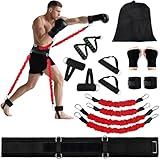
- Resistance Bands: Attach resistance bands to your ankles or wrists to increase the resistance during footwork drills.
Important: Start with light resistance and gradually increase it as you get stronger. Focus on maintaining proper form, even when fatigued.
Visualization: Seeing Success
Visualization is a powerful tool for improving your performance. It involves mentally rehearsing your fight and visualizing yourself executing your game plan successfully.
- Visualize Your Opponent: Imagine your opponent in front of you. Picture their stance, their movements, and their tendencies.
- Visualize Your Game Plan: Visualize yourself executing your punches, your footwork, and your defensive techniques.
- Visualize Success: See yourself landing punches, avoiding your opponent’s attacks, and ultimately winning the fight.
How to do it: Close your eyes and focus on the details. The more vividly you visualize, the more effective it will be.
Rhythm and Timing: Finding Your Flow
Rhythm and timing are crucial in boxing. They allow you to control the pace of the fight and land your punches effectively.
- Use a Metronome: A metronome can help you develop your rhythm and timing. Set the metronome to a specific tempo and practice your punches and footwork in time with the beat.
- Listen to Music: Choose music with a good beat and practice your punches and footwork in time with the music.
- Focus on Your Breathing: Proper breathing is essential for maintaining your rhythm and timing. Breathe in through your nose and out through your mouth, coordinating your breathing with your punches and footwork.
Why it matters: Rhythm and timing will make your punches more effective and make it easier to anticipate your opponent’s moves.
Common Mistakes and How to Avoid Them
Even experienced boxers can make mistakes when shadow boxing. Here are some common errors and how to fix them.
Lack of Focus: Staying Present
It’s easy to zone out during shadow boxing, but staying focused is essential for making the most of your workout.
- Distractions: Minimize distractions by turning off your phone and finding a quiet space to train.
- Boredom: Keep things interesting by varying your drills and combinations.
- Mental Fatigue: Take breaks when needed. If you find yourself losing focus, take a short break to clear your head.
Why it matters: Focus allows you to concentrate on your technique, visualize your opponent, and improve your overall performance.
Poor Form: Maintaining Technique
Poor form can lead to injuries and limit your effectiveness. It’s crucial to maintain proper technique throughout your shadow boxing session.
- Mirror: Use a mirror to monitor your form. Check your stance, your punches, and your footwork.
- Video: Record yourself shadow boxing and review the footage to identify areas for improvement.
- Coach: If possible, work with a coach who can provide feedback and guidance.
Why it matters: Proper form ensures you’re punching with maximum power and efficiency, and also helps prevent injuries. (See Also: Are Boxing Classes Worth It )
Rushing: Patience Is Key
Rushing your punches and movements can lead to poor technique and missed opportunities.
- Slow Down: Start slowly and focus on proper technique.
- Control: Practice controlling your movements.
- Patience: Be patient and allow yourself time to develop your skills.
Why it matters: Rushing leads to mistakes. Slow down, focus on precision, and build your speed gradually.
Integrating Shadow Boxing Into Your Training Routine
Shadow boxing isn’t just a standalone activity; it’s a vital part of a comprehensive boxing training program. Here’s how to incorporate it effectively.
Warm-Up: Preparing Your Body
Always start with a warm-up. This prepares your body for the workout ahead.
- Light Cardio: Start with 5-10 minutes of light cardio, such as jogging in place or jumping jacks.
- Dynamic Stretching: Perform dynamic stretches, such as arm circles, leg swings, and torso twists.
- Shadow Boxing: Begin your shadow boxing session slowly, focusing on your technique and gradually increasing the intensity.
Why it matters: Warming up increases blood flow to your muscles, which prepares them for exercise and reduces the risk of injury.
Cool-Down: Recovering and Rebuilding
Cooling down is as important as warming up. It helps your body recover and rebuild after your workout.
- Light Cardio: Finish with 5-10 minutes of light cardio, such as walking.
- Static Stretching: Hold static stretches, such as hamstring stretches, quad stretches, and shoulder stretches.
- Nutrition and Hydration: Replenish your fluids and consume a nutritious meal or snack to aid in recovery.
Why it matters: Cooling down helps your muscles recover, reduces soreness, and improves your overall fitness.
Frequency and Duration: Finding the Right Balance
The frequency and duration of your shadow boxing sessions will depend on your fitness level and your training goals.
- Frequency: Aim to shadow box 3-5 times per week.
- Duration: Start with 3-5 rounds of 3 minutes each, with a 1-minute rest between rounds.
- Progress: Gradually increase the number of rounds and the duration of your sessions as you get stronger and more conditioned.
Why it matters: Consistent shadow boxing, performed with proper technique, is the key to building your skills and improving your boxing performance.
Advanced Shadow Boxing Strategies
Once you’ve mastered the basics, you can elevate your shadow boxing with advanced strategies.
Shadow Sparring: Practicing with a Partner
Shadow sparring involves shadow boxing with a partner, working on your defense, offense, and footwork while also getting used to the presence of another boxer.
- Focus: Focus on your technique and visualizing your opponent.
- Communication: Communicate with your partner.
- Defense: Work on your defensive skills.
- Offense: Practice your offensive combinations.
Why it matters: Shadow sparring helps you to develop your skills and prepare you for real sparring sessions. It also teaches you to react to your partner’s movements.
Analyzing Your Performance: Continuous Improvement
Regularly analyze your shadow boxing sessions to identify areas for improvement. This might include recording your sessions or working with a coach.
- Record Your Sessions: Record your shadow boxing sessions and review the footage to identify areas for improvement.
- Work with a Coach: If possible, work with a coach who can provide feedback and guidance.
- Keep a Training Journal: Keep a training journal to track your progress and identify areas for improvement.
Why it matters: Analyzing your performance helps you to identify your weaknesses, which allows you to focus on improving them. It also allows you to track your progress and celebrate your successes. (See Also: Does Boxing Classes Help With Weight Loss )
Adapting to Different Opponents: Versatility Is Key
Boxing is about adapting to different opponents. Shadow boxing can help you prepare for different styles.
- Study Different Styles: Study the fighting styles of different boxers and practice adapting your movements.
- Practice Different Strategies: Practice different strategies and techniques.
- Focus on Adaptability: Focus on your ability to adapt.
Why it matters: Preparing for different opponents will help you to be ready for anything and to gain an advantage in the ring.
Putting It All Together: A Sample Shadow Boxing Workout
Here’s a sample shadow boxing workout you can use as a starting point. Adjust the duration and intensity to suit your fitness level.
- Warm-up (5 minutes): Jogging in place, jumping jacks, arm circles, leg swings.
- Shadow Boxing (3 rounds of 3 minutes each, with 1-minute rest):
- Round 1: Focus on stance, footwork, and basic punches (jab, cross, hook).
- Round 2: Punching combinations (jab-cross, jab-jab-cross, hook-uppercut).
- Round 3: Defense drills (slip, bob and weave, block, parry).
- Cool-down (5 minutes): Walking, static stretches (hamstring, quad, shoulder).
Remember: This is just a sample workout. Feel free to adjust it to suit your needs and preferences. You can incorporate resistance, visualization, and music to enhance the effectiveness of your workout.
Maintaining Motivation: Staying Consistent
Consistency is key to success in any sport, and shadow boxing is no exception. Here’s how to stay motivated.
Setting Goals: Staying Focused
Set clear, achievable goals to stay motivated. This can include improving your technique, increasing your endurance, or simply getting in better shape.
- Set SMART Goals: Set goals that are Specific, Measurable, Achievable, Relevant, and Time-bound.
- Track Your Progress: Track your progress to see how far you’ve come and to stay motivated.
- Celebrate Your Successes: Celebrate your successes, no matter how small.
Why it matters: Setting goals gives you something to work towards and provides a sense of accomplishment.
Finding a Training Partner: The Power of Support
Training with a partner can provide motivation, support, and accountability.
- Find a Training Partner: Find a training partner who shares your goals and who can provide support and encouragement.
- Train Together: Train together regularly and provide each other with feedback and motivation.
- Make it Fun: Make your training sessions fun and enjoyable.
Why it matters: Training with a partner can help you stay motivated, accountable, and focused on your goals.
Variety: Keeping It Fresh
Varying your workouts can help prevent boredom and keep you engaged. Experiment with different drills, combinations, and techniques.
- Change Up Your Drills: Vary your shadow boxing drills.
- Try New Combinations: Try new combinations.
- Incorporate Different Techniques: Incorporate different techniques.
Why it matters: Variety keeps your workouts interesting and challenging, helping you stay motivated.
Final Verdict
Shadow boxing is more than just a warm-up; it’s a critical component of any boxer’s training regimen. By focusing on the fundamentals, incorporating effective drills, adding intensity, and staying consistent, you can significantly improve your boxing skills. Remember to prioritize proper form, visualize your success, and adapt your training to your individual needs and goals.
Regular practice, combined with a commitment to continuous improvement, will not only enhance your technique and power but also build your confidence and mental fortitude. So, get in the gym, wrap your hands, and start shadow boxing your way to victory. The ring, or the gym, awaits!