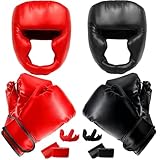
Finding the right boxing gloves is crucial for both your performance and safety. A poorly fitted glove can lead to injuries, hinder your technique, and make your training sessions less effective. Title Boxing is a well-respected brand, known for its quality and durability. But with so many options, how do you know which size is right for you? This guide will break down everything you need to know about how to size Title boxing gloves, ensuring you get the perfect fit for your needs.
We’ll cover factors like hand size, weight, and the type of boxing you’ll be doing. Whether you’re a beginner just starting out or a seasoned fighter, understanding glove sizing is essential. We will explore the different types of gloves Title offers, the weight variations, and how to measure your hand accurately. By the end of this article, you’ll be confident in your ability to choose the perfect Title boxing gloves.
Understanding Boxing Glove Sizing: The Basics
Boxing glove sizing can seem confusing at first, but it’s based on a few key factors. The primary measurement is the glove’s weight, typically expressed in ounces (oz). These weights aren’t about the physical weight of the glove itself, but rather the amount of padding and protection it provides. Heavier gloves have more padding and are generally used for sparring and training, while lighter gloves are often used for competition and speed work. The size of the glove also relates to the size of your hands, although the weight is more important initially.
Factors Affecting Glove Size
Several factors influence the ideal boxing glove size for you:
- Your Hand Size: This is the most obvious factor. Larger hands generally need larger gloves.
- Your Weight: Heavier individuals often need heavier gloves for adequate hand protection.
- Type of Training: Sparring, bag work, and competition all require different glove weights.
- Experience Level: Beginners often start with heavier gloves for added protection.
Title Boxing Glove Types
Title Boxing offers a wide range of gloves, each designed for specific purposes. Here’s a look at some common types:
- Training Gloves: These are versatile gloves suitable for bag work, pad work, and sparring. They typically range from 12oz to 16oz.
- Sparring Gloves: Specifically designed for sparring, these gloves prioritize protection for both you and your sparring partner. They are usually 14oz or 16oz, sometimes even heavier.
- Competition Gloves: These gloves are designed for professional fights and are often lighter, typically 8oz or 10oz, to allow for faster hand speed.
- Bag Gloves: These gloves are specifically designed for heavy bag training. They are typically lighter than training gloves, usually 10oz to 14oz.
- Hybrid Gloves: These gloves are designed to be used for multiple purposes. They are a good option for people who are just starting out.
How to Measure Your Hand for Boxing Gloves
Accurate hand measurements are crucial for determining the correct glove size. Here’s how to do it:
What You’ll Need
- A flexible measuring tape.
- A pen or pencil.
- A piece of paper.
Step-by-Step Measurement Guide
- Measure Your Hand Circumference: Extend your dominant hand and make a loose fist. Use the measuring tape to measure around the knuckles of your hand. Make sure the tape is snug but not too tight.
- Measure Your Hand Length: Place your hand flat on a piece of paper. With a pen or pencil, mark a line at the tip of your longest finger and at the base of your palm. Measure the distance between these two points.
- Record Your Measurements: Write down both measurements (circumference and length) in inches or centimeters.
Example Measurements
Let’s say your hand circumference is 8 inches and your hand length is 7 inches. These measurements will help you determine the appropriate glove size.
Title Boxing Glove Size Chart: A Detailed Breakdown
While hand measurements are important, Title Boxing, like most brands, provides size charts that correlate hand measurements and weight recommendations. Keep in mind that these are general guidelines, and the best fit may vary based on your individual preferences and training style. It’s also important to consider that some gloves may fit differently based on their specific design or materials.
Title Boxing Glove Size Chart (general Guide)
Here is a simplified general size chart. Please note that exact sizing can vary, so always consult the specific product’s size chart:
| Glove Weight (oz) | Hand Circumference (inches) | Recommended Use | Typical User |
|---|---|---|---|
| 8 oz | Under 7 inches | Competition, Speed Work | Professional Fighters, Smaller Hands |
| 10 oz | 7 – 7.5 inches | Competition, Speed Work, Light Bag Work | Amateurs, Experienced Fighters |
| 12 oz | 7.5 – 8 inches | Bag Work, Pad Work, Light Sparring | Beginners, Intermediate Fighters |
| 14 oz | 8 – 8.5 inches | Sparring, Heavy Bag Work | Intermediate, Advanced Fighters |
| 16 oz | 8.5 inches and up | Sparring, Heavy Bag Work, Training | Larger Hands, Heavyweight Fighters |
| 18 oz | 9 inches and up | Sparring, Heavy Bag Work, Training | Very Large Hands, Experienced Fighters |
Important Note: This chart is a general guide. Always check the specific size chart for the Title Boxing glove model you are considering, as sizing can vary between different glove lines.
Choosing the Right Glove Weight for Your Training
The weight of your boxing gloves significantly impacts your training. Choosing the correct weight ensures you receive adequate protection and optimizes your performance. Here’s a breakdown of glove weights and their ideal uses.
Oz Gloves
Best for: Competition and speed work. These gloves are lighter, allowing for faster hand speed. They offer less padding, so they are not recommended for heavy bag work or sparring, particularly for beginners.
Oz Gloves
Best for: Bag work, pad work, and light sparring. They provide a good balance of protection and speed. They are a common starting point for many boxers.
Oz Gloves
Best for: Sparring and heavy bag work. These gloves offer more padding and are a great choice for sparring to protect both you and your partner. They are also suitable for heavy bag work, especially if you have larger hands or are hitting the bag with significant force.
Oz Gloves
Best for: Sparring and general training. These gloves offer the maximum protection and are ideal for sparring, especially for heavier fighters or those who spar frequently. They are also suitable for heavy bag work.
Oz Gloves
Best for: Heavy sparring and training for very large hands. These gloves offer the most protection available. (See Also: How Heavy Should My Boxing Gloves Be )
Specific Considerations for Different Training Styles
Your training style plays a vital role in determining the appropriate glove size. Consider these factors when making your decision.
Sparring
Prioritize Protection: For sparring, prioritize gloves that offer maximum protection. The goal is to minimize the risk of injury to both yourself and your sparring partner. 14oz or 16oz gloves are generally recommended.
Heavy Bag Work
Balance Protection and Speed: For heavy bag work, you need gloves that provide adequate padding to protect your hands from impact. However, you also want to maintain a reasonable level of hand speed. 12oz, 14oz, or 16oz gloves can be suitable, depending on your hand size and the intensity of your training. Heavier gloves are often preferred for heavy bag work.
Pad Work
Focus on Technique and Speed: Pad work involves working with a trainer or partner who holds pads. The focus is on technique, speed, and combinations. 12oz or 14oz gloves are often used for pad work, as they provide a good balance of protection and maneuverability.
Competition
Follow Regulations: For competition, you must adhere to the rules and regulations set by the governing body. This typically involves using 8oz or 10oz gloves. The size will be specified by the competition rules. These gloves are lighter, allowing for faster hand speed and more precise punching, but they offer less padding, which means they are not suitable for sparring or heavy bag work.
Fit and Feel: What to Look For
Beyond the size chart, the fit and feel of your boxing gloves are essential for comfort and performance. Here’s what to look for:
Proper Wrist Support
Importance: Adequate wrist support is crucial to prevent injuries. Look for gloves with a secure and supportive wrist closure system, such as a hook-and-loop strap or lace-up closure. This is especially important during sparring and heavy bag work.
How to Check: When trying on gloves, make sure the wrist feels snug and supportive. The closure should provide a secure fit without restricting your movement.
Comfortable Hand Compartment
Importance: The hand compartment should comfortably accommodate your hand without feeling too tight or too loose. This ensures proper alignment and allows for natural fist formation.
How to Check: Try making a fist inside the glove. Your fingers should not be cramped or forced into an unnatural position. There should be enough room for your hand wrap as well.
Quality Materials and Construction
Importance: High-quality materials and construction contribute to the durability and longevity of your gloves. Look for gloves made from durable materials like genuine leather or high-quality synthetic leather. The stitching should be strong and even.
How to Check: Examine the gloves for any signs of poor craftsmanship, such as loose stitching or uneven padding. Check the materials for wear and tear.
Ventilation
Importance: Good ventilation helps to keep your hands cool and dry during training. This prevents excessive sweating and reduces the risk of skin irritation.
How to Check: Look for gloves with ventilation features, such as mesh panels or perforations in the palm area. This allows for better airflow.
Tips for Trying on Gloves and Ensuring the Best Fit
Getting the right fit is crucial, so here are some tips to help you: (See Also: How Long Do Boxing Shoes Last )
Always Wear Hand Wraps
Why: Hand wraps provide an extra layer of protection and support, and they also absorb sweat. The gloves should fit over your hand wraps comfortably.
How: When trying on gloves, always wear your hand wraps. This is the only way to get an accurate assessment of the fit.
Test Your Fist Formation
Why: Make a fist inside the glove to ensure there is enough room for your hand and that your fingers can move naturally.
How: Once the glove is on with your hand wraps, make a fist and move your fingers. If your hand feels cramped, or your fingers are pushed into an unnatural position, the glove is too small.
Walk Around and Mimic Movements
Why: This will help you identify any areas where the glove might rub or restrict your movement.
How: After putting on the gloves, move around a bit. Shadow box or do some other exercises that mimic the movements you’ll perform during training. Pay attention to how the gloves feel during these movements.
Consider Breaking-in Time
Why: Some gloves may feel stiff initially and require a break-in period.
How: If the gloves feel slightly tight but comfortable, they may loosen up after a few training sessions. If the gloves feel extremely tight, even without hand wraps, they are probably too small.
Maintenance and Care for Your Title Boxing Gloves
Proper care and maintenance will extend the life of your gloves and keep them in top condition.
Cleaning Your Gloves
After Each Use: Wipe down the exterior of your gloves with a damp cloth to remove sweat and dirt. Allow them to air dry completely.
Regularly: Use a glove deodorizer or a mixture of water and vinegar to kill bacteria and eliminate odors. Avoid harsh chemicals.
Drying Your Gloves
After Training: Always let your gloves air dry completely after each use. Stuffing them with newspaper or using a glove dryer can help speed up the process.
Avoid: Never put your gloves in direct sunlight or use a heat source, as this can damage the materials.
Storage
Ideal Conditions: Store your gloves in a cool, dry place away from direct sunlight and extreme temperatures. Using a glove bag can also help.
Avoid: Do not store your gloves in a gym bag without allowing them to dry first. This can trap moisture and promote bacterial growth. (See Also: How To Spot Fake Twins Boxing Gloves )
Where to Buy Title Boxing Gloves
Title Boxing gloves can be purchased from various sources. Here are some options:
Title Boxing Website
Pros: The most direct source. You will find the most complete selection, including all the latest models and sizes. You can often find exclusive deals and promotions.
Cons: Shipping costs may apply.
Specialty Boxing Stores
Pros: You can try on gloves and get expert advice from staff. They often carry a wide range of Title Boxing products.
Cons: Selection may be more limited than on the Title Boxing website.
Online Retailers (amazon, Etc.)
Pros: Convenience and potentially competitive pricing. Offers customer reviews.
Cons: You may not be able to try on the gloves before purchasing. Always be sure to check the seller’s reputation and return policy.
Troubleshooting Common Sizing Issues
Even with careful measurements, you may encounter sizing issues. Here’s how to address them:
Gloves Feel Too Tight
Check your hand wraps: Ensure you are not wrapping your hands too tightly, which may be adding too much bulk.
Consider the break-in period: Some gloves may feel snug initially but will loosen up with use. If the gloves feel extremely tight, consider going up a size.
Gloves Feel Too Loose
Ensure proper hand wrapping: Make sure your hand wraps are providing adequate support and filling the glove.
Consider a different glove model: Some glove models may fit differently. Try different models to find a better fit.
Adjust your training style: If you’re sparring, consider using a heavier glove.
When to Seek Professional Advice
If you’re unsure about the best size or type of gloves for your needs, it’s always wise to seek professional advice. Here’s when to consider it:
- If you’re new to boxing: An experienced coach or trainer can assess your technique and training style, and recommend appropriate gloves.
- If you have unusual hand proportions: If you have very long fingers or a wide palm, for example, a professional can help you find gloves that fit.
- If you’re experiencing pain or discomfort: If you’re experiencing pain or discomfort while training, seek professional advice to ensure your gloves are the right size and type.
Verdict
Choosing the right size Title Boxing gloves is a crucial step in ensuring a safe and effective training experience. By understanding the factors that influence sizing, measuring your hand accurately, and considering your training style, you can select gloves that fit comfortably and provide the necessary protection. Remember to always wear hand wraps, test the fit with fist formation, and consider the break-in period. With the right gloves, you can focus on improving your technique and enjoying your training. By following these guidelines, you’ll be well-equipped to make an informed decision and find the perfect Title boxing gloves for your needs. Happy training!