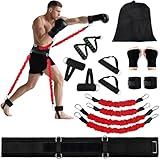
So, you’re ready to lace up those gloves and transform your living room into a boxing ring? That’s fantastic! Boxing is an incredible workout – it builds strength, improves cardio, and sharpens your mental focus. But simply throwing punches randomly won’t get you the results you crave. The key to success with at-home boxing workouts lies in a well-structured schedule.
Think of your workout plan as a blueprint for your fitness journey. Without a solid plan, you’re just wandering aimlessly. With one, you’re moving with purpose, maximizing your efforts, and seeing real progress. This guide will walk you through creating a boxing workout schedule that fits your life, your goals, and your current fitness level. We’ll cover everything from warm-ups and cool-downs to workout frequency and recovery. Let’s get started!
Understanding Your Goals and Fitness Level
Before you even think about throwing a jab, you need to understand where you are and where you want to be. This is the foundation upon which your entire schedule will be built. Ask yourself:
- What are your primary goals? Are you looking to lose weight, build muscle, improve your cardio, or learn boxing techniques? Your goals will heavily influence the types of workouts you choose and the intensity at which you perform them.
- What is your current fitness level? Are you a complete beginner, or do you have some experience with boxing or other forms of exercise? Your starting point will determine how frequently you train and the duration of your sessions. Don’t overestimate your abilities; it’s better to start slow and gradually increase the intensity.
- What equipment do you have? Do you have access to a heavy bag, speed bag, or other boxing equipment? If not, that’s okay! You can still get a great workout with shadowboxing, jump rope, and bodyweight exercises.
Once you’ve answered these questions, you’ll have a clearer picture of what your schedule should look like. For example, if your goal is weight loss and you’re a beginner, you might start with three 30-minute workouts per week, gradually increasing the duration and intensity as you get fitter. If you’re looking to improve your boxing skills, you might incorporate more technique-focused sessions.
Essential Components of a Boxing Workout
A well-rounded boxing workout includes several key components. Understanding these elements will help you structure your schedule effectively:
Warm-Up (5-10 Minutes)
Warming up is crucial to prepare your body for the workout ahead. It increases blood flow to your muscles, reduces the risk of injury, and improves your performance. Your warm-up should include:
- Light cardio: Jumping jacks, high knees, butt kicks, or jogging in place.
- Dynamic stretching: Arm circles, torso twists, leg swings, and shoulder rotations. Focus on movements that mimic the actions you’ll be performing during your workout.
Shadowboxing (3-5 Rounds, 3 Minutes Each with 1-Minute Rest)
Shadowboxing is a fundamental boxing exercise. It allows you to practice your technique, footwork, and combinations without any equipment. Focus on proper form, speed, and fluidity. Imagine you’re in the ring with an opponent, and move accordingly. Vary your punches, footwork, and head movement.
Heavy Bag Work (3-5 Rounds, 3 Minutes Each with 1-Minute Rest)
If you have a heavy bag, this is where you’ll build power and improve your punching technique. Focus on proper form, generating power from your legs and core, and maintaining a good rhythm. Vary your punches, combinations, and footwork. Remember to wear appropriate hand wraps and boxing gloves to protect your hands.
Speed Bag Work (optional, 3-5 Rounds, 3 Minutes Each with 1-Minute Rest)
The speed bag improves hand-eye coordination, timing, and rhythm. It’s a challenging but rewarding exercise. Start slowly and focus on accuracy and control. As you improve, you can increase your speed and incorporate more complex combinations.
Footwork Drills (5-10 Minutes)
Footwork is essential for boxing. Practice drills like the shuffle, pivot, and lateral movement. Focus on staying balanced, moving efficiently, and maintaining your stance. Footwork drills can be done with or without a heavy bag. (See Also: Does Shadow Boxing Really Work )
Bodyweight Exercises (3-4 Rounds, 1 Minute Each with 30 Seconds Rest)
Incorporate bodyweight exercises to build strength and endurance. Examples include:
- Push-ups: Targets your chest, shoulders, and triceps.
- Sit-ups or Crunches: Strengthen your core.
- Burpees: A full-body exercise that combines cardio and strength training.
- Squats: Works your legs and glutes.
- Plank: Improves core stability.
- Mountain climbers: A dynamic exercise that works your core and cardio.
Cool-Down (5-10 Minutes)
Cooling down is just as important as warming up. It helps your body recover and reduces muscle soreness. Your cool-down should include:
- Static stretching: Hold each stretch for 30 seconds, focusing on major muscle groups like your shoulders, chest, back, legs, and core.
- Deep breathing: Helps to calm your nervous system and promote relaxation.
Sample at-Home Boxing Workout Schedules
Here are a few sample schedules to get you started. Remember to adjust these based on your goals, fitness level, and available equipment. Always listen to your body and take rest days when needed.
Beginner Schedule (3 Days Per Week)
This schedule is perfect for those new to boxing or who are just starting their fitness journey.
| Day | Workout |
|---|---|
| Monday | Warm-up (5 minutes), Shadowboxing (3 rounds), Bodyweight exercises (3 rounds), Cool-down (5 minutes) |
| Tuesday | Rest or Active Recovery (light cardio like walking or cycling) |
| Wednesday | Warm-up (5 minutes), Shadowboxing (3 rounds), Bodyweight exercises (3 rounds), Cool-down (5 minutes) |
| Thursday | Rest or Active Recovery |
| Friday | Warm-up (5 minutes), Shadowboxing (2 rounds), Heavy bag (2 rounds if available), Bodyweight exercises (3 rounds), Cool-down (5 minutes) |
| Saturday | Rest |
| Sunday | Rest or Active Recovery |
Intermediate Schedule (4 Days Per Week)
This schedule is for those with some boxing experience or a moderate fitness level.
| Day | Workout |
|---|---|
| Monday | Warm-up (5 minutes), Shadowboxing (3 rounds), Heavy bag (3 rounds), Bodyweight exercises (4 rounds), Cool-down (5 minutes) |
| Tuesday | Rest or Active Recovery |
| Wednesday | Warm-up (5 minutes), Shadowboxing (3 rounds), Speed bag (3 rounds, optional), Footwork drills (10 minutes), Cool-down (5 minutes) |
| Thursday | Rest or Active Recovery |
| Friday | Warm-up (5 minutes), Shadowboxing (3 rounds), Heavy bag (4 rounds), Bodyweight exercises (4 rounds), Cool-down (5 minutes) |
| Saturday | Rest |
| Sunday | Active Recovery (light cardio, stretching) or Rest |
Advanced Schedule (5 Days Per Week)
This schedule is designed for experienced boxers or those with a high level of fitness.
| Day | Workout |
|---|---|
| Monday | Warm-up (5 minutes), Shadowboxing (4 rounds), Heavy bag (5 rounds), Bodyweight exercises (5 rounds), Cool-down (5 minutes) |
| Tuesday | Warm-up (5 minutes), Speed bag (5 rounds), Footwork drills (15 minutes), Core work (10 minutes), Cool-down (5 minutes) |
| Wednesday | Rest or Active Recovery |
| Thursday | Warm-up (5 minutes), Shadowboxing (4 rounds), Heavy bag (5 rounds), Bodyweight exercises (5 rounds), Cool-down (5 minutes) |
| Friday | Warm-up (5 minutes), Shadowboxing (3 rounds), Speed bag (4 rounds), Footwork drills (10 minutes), Cool-down (5 minutes) |
| Saturday | Rest |
| Sunday | Active Recovery (light cardio, stretching) or Rest |
Tips for Success
Here are some additional tips to help you maximize your results and stay consistent with your at-home boxing workouts:
1. Find a Dedicated Space
Designate a specific area in your home for your workouts. This could be a corner of your living room, a spare bedroom, or even your garage. Having a dedicated space will help you stay focused and motivated.
2. Invest in Quality Equipment
While you can get a great workout with minimal equipment, investing in some basic gear will enhance your experience. Consider purchasing: (See Also: Are Boxing Classes Worth It )
- Boxing gloves: Choose gloves that fit properly and provide adequate padding.
- Hand wraps: Essential for protecting your hands and wrists.
- Heavy bag (optional): A heavy bag allows you to practice power punches and combinations.
- Jump rope: A great tool for cardio and footwork.
- Speed bag (optional): Improves hand-eye coordination and rhythm.
3. Warm-Up Properly
Never skip your warm-up. It’s crucial for preventing injuries and preparing your body for the workout ahead. Focus on dynamic stretches that mimic the movements you’ll be performing during your workout.
4. Focus on Technique
Proper technique is more important than speed or power, especially when you’re just starting. Watch videos, read books, or consider taking online classes to learn the correct form for your punches, footwork, and defensive movements. Poor technique can lead to injuries.
5. Stay Consistent
Consistency is key. Stick to your schedule as closely as possible. Even if you can’t complete a full workout, try to do something, even if it’s just a 15-minute session. Missing workouts here and there is normal, but try not to let it derail your entire plan.
6. Listen to Your Body
Rest and recovery are just as important as the workouts themselves. Don’t push yourself too hard, especially when you’re just starting. Pay attention to your body and take rest days when needed. If you’re feeling pain, stop the workout and rest. Don’t train through injuries.
7. Mix It Up
Vary your workouts to keep things interesting and challenge your body in new ways. Try different combinations, drills, and exercises. This will also help prevent boredom and plateaus.
8. Stay Hydrated
Drink plenty of water before, during, and after your workouts. Dehydration can lead to fatigue and impair your performance.
9. Fuel Your Body
Eat a healthy, balanced diet to fuel your workouts and support your recovery. Focus on whole foods, including lean protein, complex carbohydrates, and healthy fats. Avoid processed foods, sugary drinks, and excessive amounts of unhealthy fats.
10. Track Your Progress
Keep track of your workouts, including the exercises you performed, the number of rounds, and the intensity. This will help you monitor your progress and make adjustments to your schedule as needed. You can use a workout journal, a fitness app, or a spreadsheet to track your progress.
11. Find a Workout Buddy (optional)
Working out with a friend can help you stay motivated and accountable. You can encourage each other, share tips, and make the workouts more enjoyable. Even if your friend can’t box with you in person, you can work out together virtually via video call. (See Also: Does Boxing Classes Help With Weight Loss )
12. Consider Online Resources
There are tons of free resources available online, including workout videos, tutorials, and articles. Use these resources to learn new techniques, get inspiration, and stay motivated. YouTube is an especially great source for boxing content.
13. Don’t Give Up!
Boxing can be challenging, but it’s also incredibly rewarding. There will be days when you don’t feel like working out, but don’t let those feelings stop you. Remember your goals, stay consistent, and celebrate your progress. You’ve got this!
Adjusting Your Schedule as You Progress
As you get fitter and more experienced, you’ll need to adjust your schedule to continue making progress. Here’s how:
- Increase the frequency of your workouts: If you’re currently working out three times per week, try adding a fourth or fifth session.
- Increase the duration of your workouts: Gradually increase the length of your workouts by adding rounds or increasing the time spent on each exercise.
- Increase the intensity of your workouts: Try increasing the speed of your punches, the weight you’re lifting (if using weights), or the difficulty of your bodyweight exercises.
- Introduce new exercises and combinations: Learn new punches, footwork drills, and defensive movements to keep your workouts challenging and engaging.
- Incorporate more advanced training techniques: Consider incorporating interval training, plyometrics, or other advanced training methods to take your workouts to the next level.
Remember that progress isn’t always linear. There will be times when you hit plateaus or experience setbacks. Don’t get discouraged. Just keep working hard, stay consistent, and make adjustments to your schedule as needed. With dedication and perseverance, you’ll achieve your boxing goals.
Incorporating Rest and Recovery
Rest and recovery are crucial for preventing injuries, allowing your body to repair itself, and optimizing your performance. Here’s how to incorporate rest and recovery into your boxing workout schedule:
- Take rest days: Schedule at least one or two rest days per week. On rest days, avoid strenuous activities and focus on light activities like walking, stretching, or yoga.
- Get enough sleep: Aim for 7-9 hours of sleep per night. Sleep is essential for muscle repair and recovery.
- Eat a balanced diet: Consume a diet rich in nutrients to support muscle recovery and overall health.
- Stay hydrated: Drink plenty of water to help your body recover and function properly.
- Use active recovery: On active recovery days, engage in light activities such as walking, cycling, swimming, or yoga. These activities can help improve blood flow, reduce muscle soreness, and promote recovery.
- Consider massage: Massage can help reduce muscle soreness, improve blood flow, and promote relaxation.
- Listen to your body: Pay attention to how your body feels and adjust your training accordingly. If you’re feeling sore or fatigued, take an extra rest day or reduce the intensity of your workout.
Troubleshooting Common Problems
Even with a well-designed schedule, you might encounter some challenges. Here’s how to troubleshoot some common problems:
- Lack of motivation: If you’re struggling to stay motivated, try setting realistic goals, tracking your progress, and rewarding yourself for your accomplishments. Find a workout buddy or join an online boxing community for support and encouragement.
- Boredom: To combat boredom, vary your workouts, try new exercises and combinations, and listen to music or podcasts while you train.
- Plateaus: If you’ve hit a plateau, try adjusting your schedule by increasing the intensity, duration, or frequency of your workouts. Introduce new exercises and combinations to challenge your body in new ways. Ensure you are getting enough rest and proper nutrition.
- Injuries: If you experience an injury, stop working out immediately and consult with a healthcare professional. Rest, ice, compression, and elevation (RICE) are often recommended for minor injuries. Gradually return to training as you heal, starting with light exercises and gradually increasing the intensity.
- Time constraints: If you’re short on time, try shortening your workouts, doing interval training, or breaking your workouts into smaller chunks throughout the day. Prioritize the most important components of your workout, such as warm-up, shadowboxing, and cool-down.
By addressing these common problems, you can stay on track with your at-home boxing workouts and achieve your fitness goals.
Final Thoughts
Creating a boxing workout schedule for your home workouts is a rewarding process, offering a path to better fitness and skill development. By understanding your goals, incorporating the essential components of a boxing workout, and following a structured plan, you’ll be well on your way to achieving your fitness objectives. Remember to adjust your schedule as you progress, prioritize rest and recovery, and stay consistent. With dedication and the right approach, you can transform your body and your life with the power of boxing. Now, go out there and make it happen!