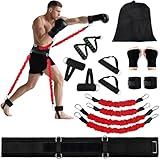
So, you’re thinking about taking a boxing class? That’s fantastic! Boxing is an incredibly rewarding workout that builds strength, endurance, and mental toughness. It’s also a lot of fun. But before you step into the ring (or the gym’s version of one), it’s wise to prepare. This isn’t just about showing up; it’s about setting yourself up for success and minimizing the chances of injury.
Preparing for your first boxing class might seem daunting, but don’t worry. I’m here to guide you through everything you need to know, from the right gear and physical conditioning to understanding boxing etiquette and what to expect during your initial sessions. We’ll cover everything, so you can confidently walk into the gym and start throwing punches.
Let’s get you ready to rumble, safely and effectively.
Essential Gear and Equipment
Before you even think about throwing a jab, you need the right equipment. This isn’t just about looking the part; it’s about protecting yourself and making the most of your training. Here’s a breakdown of the essential gear:
Boxing Gloves
Boxing gloves are non-negotiable. They protect your hands and wrists, and they also protect your sparring partner. Don’t even think about showing up without them. When starting out, it’s often best to rent or borrow gloves from the gym. However, if you plan to stick with boxing, investing in your own pair is wise.
- Weight: Gloves are measured in ounces (oz). For general training and bag work, 12oz or 14oz gloves are common for adults. For sparring, heavier gloves (16oz) are often required for added protection.
- Material: Leather gloves are more durable and offer better performance than synthetic alternatives, though they are usually more expensive. Synthetic gloves can be a good starting point.
- Fit: Gloves should fit snugly but not too tightly. Your fingers shouldn’t be jammed against the end of the glove. Try them on with hand wraps (more on those later).
Hand Wraps
Hand wraps are critical for protecting your knuckles, wrists, and the small bones in your hand. They absorb sweat, and provide support. Think of them as the foundation upon which your gloves rest.
- Material: Wraps are typically made of cotton or a cotton-blend material. Some have a slight stretch for a more secure fit.
- Length: Wraps come in different lengths, typically ranging from 120 inches to 180 inches. Longer wraps offer more coverage. 180-inch wraps are usually best.
- Wrapping Technique: Learning to wrap your hands correctly is essential. Many gyms will teach you, or you can find countless tutorials online. Proper wrapping is the key to preventing injuries.
Boxing Shoes
Boxing shoes are designed for optimal footwork, stability, and ankle support. While you might get away with wearing cross-training shoes initially, dedicated boxing shoes are highly recommended for serious training.
- Features: Boxing shoes typically have a high-top design for ankle support, a flat sole for grip and pivot, and a lightweight construction for agility.
- Alternatives: If you don’t have boxing shoes, choose shoes with a flat, non-marking sole. Avoid running shoes, which have too much cushioning and can hinder your footwork.
Mouthguard
A mouthguard is essential for protecting your teeth and gums. Even if you’re not sparring, it’s wise to wear one during bag work. (See Also: Does Shadow Boxing Really Work )
- Types: There are three main types: boil-and-bite, pre-molded, and custom-fitted. Boil-and-bite mouthguards are the most affordable and readily available. Custom-fitted mouthguards offer the best protection and comfort but are more expensive.
- Fit: The mouthguard should fit snugly and comfortably, covering your upper teeth. Follow the manufacturer’s instructions for fitting a boil-and-bite mouthguard.
Other Gear
- Protective Cup: Men should wear a protective cup to protect the groin area, especially during sparring.
- Headgear: If you plan to spar, headgear is crucial for protecting your head from cuts and concussions. (often provided by the gym)
- Clothing: Wear comfortable athletic clothing that allows for a full range of motion. Shorts or athletic pants and a t-shirt or tank top are ideal.
- Water Bottle & Towel: Boxing is a sweaty workout. Stay hydrated and bring a towel.
Physical Preparation: Getting Your Body Ready
Boxing is a demanding sport that requires a high level of physical fitness. To prepare for your boxing class, you should focus on several key areas of fitness:
Cardiovascular Endurance
Boxing is a cardio-intensive sport. You’ll be moving constantly, throwing punches, and defending yourself. Building your cardiovascular endurance is crucial for lasting through training sessions and sparring.
- Activities: Running, jump roping, cycling, and swimming are excellent for improving your cardiovascular fitness. Aim for at least 30 minutes of moderate-intensity cardio most days of the week.
- Interval Training: Incorporate interval training (alternating between high-intensity bursts and periods of rest or low-intensity activity) to simulate the demands of boxing.
- Jump Rope: Jump rope is an excellent boxing-specific exercise. It improves coordination, footwork, and cardiovascular endurance.
Strength Training
Strength training is essential for developing punching power, protecting your joints, and preventing injuries. Focus on compound exercises that work multiple muscle groups simultaneously.
- Exercises: Squats, deadlifts, push-ups, pull-ups, bench presses, overhead presses, and rows are all beneficial.
- Frequency: Aim for 2-3 strength training sessions per week, allowing for rest days in between.
- Focus: Focus on proper form and controlled movements. Don’t lift more weight than you can handle with good technique.
Core Strength
A strong core is the foundation of your punches and defensive movements. It provides stability and helps you transfer power effectively.
- Exercises: Planks, Russian twists, leg raises, bicycle crunches, and medicine ball exercises are all effective for strengthening your core.
- Integration: Incorporate core exercises into your strength training routine.
Flexibility and Mobility
Flexibility and mobility are important for preventing injuries and improving your range of motion.
- Stretching: Dynamic stretching (stretches that involve movement) before your workout and static stretching (holding a stretch) after your workout are beneficial.
- Yoga or Pilates: These practices can improve your flexibility, balance, and core strength.
Nutrition and Hydration
What you eat and drink will significantly impact your performance and recovery. Fuel your body properly to get the most out of your boxing class.
Nutrition
- Balanced Diet: Eat a balanced diet that includes lean protein, complex carbohydrates, healthy fats, fruits, and vegetables.
- Pre-Workout Meal: Eat a meal 1-2 hours before your workout that includes carbohydrates for energy and protein for muscle support.
- Post-Workout Meal: Consume a meal or snack within an hour after your workout that includes protein and carbohydrates to aid in muscle recovery.
- Avoid Processed Foods: Limit your intake of processed foods, sugary drinks, and excessive amounts of saturated and unhealthy fats.
Hydration
- Drink Plenty of Water: Drink plenty of water throughout the day, especially before, during, and after your workouts.
- Electrolytes: Consider drinking electrolyte-rich beverages, especially during intense training sessions, to replace lost electrolytes.
Understanding Boxing Class Etiquette
Boxing gyms have their own culture and unspoken rules. Understanding the etiquette will help you fit in and show respect to your instructors and fellow boxers. (See Also: Are Boxing Classes Worth It )
- Be Punctual: Arrive on time for your class. This shows respect for the instructor and allows you to warm up properly.
- Listen to the Instructor: Pay attention to the instructor’s instructions and follow them carefully.
- Respect the Equipment: Take care of the gym’s equipment. Put it away neatly after use.
- Be Respectful of Others: Be respectful of your training partners. Help them, encourage them, and avoid unnecessary roughhousing.
- Clean Up: Wipe down any equipment you use, such as heavy bags, with a cleaning solution.
- Ask Questions: Don’t be afraid to ask questions. The instructor and other boxers are usually happy to help.
- Focus on Learning: Boxing is a skill. Be patient, persistent, and focus on learning the techniques correctly.
What to Expect in Your First Boxing Class
Your first boxing class will likely involve a combination of the following:
Warm-Up
A thorough warm-up is crucial to prepare your body for the workout and prevent injuries. This typically includes:
- Cardio: Jumping jacks, running in place, or jump rope.
- Dynamic Stretching: Arm circles, leg swings, torso twists.
- Shadow Boxing: Practicing basic punches and footwork without a bag.
Technical Instruction
The instructor will teach you the fundamentals of boxing. This will likely include:
- Stance: Learning the proper boxing stance.
- Footwork: Learning how to move around the ring.
- Basic Punches: Jab, cross, hook, uppercut.
- Defense: Blocking, slipping, and weaving.
Bag Work
You’ll likely spend time hitting heavy bags, speed bags, or double-end bags. This is where you’ll practice the punches and techniques you’ve learned.
- Focus: Focus on proper technique, not just power.
- Targeting: Aim for different areas of the bag to practice various punches.
- Breathing: Remember to breathe. Exhale as you punch.
Pad Work (if Applicable)
Some classes may include pad work, where you’ll work with a partner to practice punching combinations and defensive techniques.
- Communication: Communicate with your partner.
- Focus: Focus on your technique and follow your partner’s lead.
Conditioning
Boxing classes often include conditioning exercises to build strength and endurance. This might include:
- Bodyweight Exercises: Push-ups, sit-ups, burpees.
- Plyometrics: Jump squats, box jumps.
Cool-Down and Stretching
The class will end with a cool-down and stretching to help your body recover. (See Also: Does Boxing Classes Help With Weight Loss )
- Static Stretching: Holding stretches for 20-30 seconds.
- Relaxation: Take a few moments to relax and focus on your breathing.
Common Mistakes to Avoid
Here are some common mistakes to avoid when you’re starting boxing:
- Poor Form: Prioritize proper technique over power.
- Holding Your Breath: Remember to breathe. Exhale as you punch.
- Overtraining: Don’t try to do too much too soon. Rest and recovery are crucial.
- Neglecting Warm-Up: Always warm up before your workout.
- Ignoring Pain: Don’t push through pain. Listen to your body and rest when needed.
Finding the Right Boxing Class
Finding the right boxing class is an important part of your preparation. Consider the following factors:
- Experience Level: Look for a class that’s appropriate for your experience level. Many gyms offer beginner classes.
- Instructor Credentials: Research the instructor’s credentials and experience.
- Class Structure: Find a class that fits your training goals and schedule.
- Gym Atmosphere: Visit the gym and see if the atmosphere is welcoming and supportive.
- Reviews: Read online reviews to get an idea of other people’s experiences.
Sample Beginner Boxing Workout
Here’s a sample workout you can try to get started (adjust based on your fitness level):
- Warm-up (10 minutes): Jump rope, dynamic stretching, shadow boxing.
- Shadow Boxing (10 minutes): Practice jab, cross, hook, uppercut, and footwork.
- Bag Work (15 minutes): Alternate between rounds of punching combinations and rest.
- Conditioning (15 minutes): Bodyweight exercises like push-ups, sit-ups, and squats.
- Cool-down and Stretching (10 minutes): Static stretching.
Progression and Continued Learning
Boxing is a skill that takes time and dedication to develop. As you progress, you can:
- Increase Intensity: Gradually increase the intensity and duration of your workouts.
- Learn Advanced Techniques: Learn more complex punches, combinations, and defensive techniques.
- Sparring (Optional): Consider sparring with a partner to test your skills.
- Compete (Optional): If you’re serious, consider competing in amateur boxing.
- Seek Feedback: Ask your instructor for feedback on your technique and areas for improvement.
Safety First
Boxing, like any contact sport, carries a risk of injury. However, you can minimize the risks by:
- Proper Gear: Always wear the appropriate protective gear.
- Proper Technique: Focus on learning and using proper technique.
- Listen to Your Body: Rest when you need to.
- Consult a Doctor: Consult your doctor before starting any new exercise program.
- Follow Instructions: Always follow your instructor’s instructions.
Final Verdict
Preparing for your boxing class is an investment in your physical and mental well-being. By equipping yourself with the right gear, building your fitness, and understanding the basics of boxing, you’ll be well on your way to enjoying this challenging and rewarding sport. Remember to focus on technique, listen to your body, and have fun. With dedication and consistent effort, you’ll see improvements in your strength, endurance, and overall fitness.
Boxing is not just about throwing punches; it’s about discipline, focus, and pushing your limits. Embrace the challenge, and enjoy the journey. Get ready to sweat, learn, and grow as a boxer and as an individual. You’ve got this!