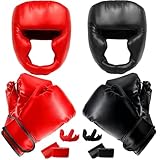
Ah, the sweet smell of victory… followed by the not-so-sweet smell of your boxing gloves. We’ve all been there. You’ve just finished a killer workout, you’re buzzing with endorphins, and then you take a whiff of your gloves. Suddenly, that post-fight high is replaced by a wave of… well, let’s just say it’s not roses.
Keeping your boxing gloves fresh and odor-free is crucial, not just for your nose’s sake but also for the longevity of your gear and your overall health. Bacteria and fungi thrive in the dark, moist environment inside your gloves, leading to unpleasant smells, potential skin irritation, and even the breakdown of the glove material itself. I’m going to guide you through everything you need to know about keeping your gloves in top condition.
This comprehensive guide will cover everything from immediate post-workout care to long-term storage solutions. We’ll explore various cleaning methods, the science behind the stink, and preventative measures to keep your gloves smelling fresh. So, let’s get started and banish those odors once and for all!
The Science of Stink: Why Do Boxing Gloves Smell?
Before we dive into solutions, let’s understand the root cause of the problem. The unpleasant odor emanating from your boxing gloves is primarily due to the growth of bacteria and fungi. Your hands sweat profusely during training, creating a warm, moist environment inside the gloves – the perfect breeding ground for these microorganisms. Sweat itself doesn’t smell (initially), but as it mixes with dead skin cells, oils, and bacteria, it breaks down and produces volatile organic compounds (VOCs), which cause the foul odor.
Think of it like this: your gloves are a miniature, enclosed ecosystem. When you don’t care for them, they become a haven for microbial activity. This activity leads to the production of various odor-causing substances. These include:
- Ammonia: A byproduct of bacterial breakdown of urea in sweat.
- Isovaleric acid: Produced by bacteria on the skin, contributing to a cheesy or foot-like smell.
- Acetic acid: A component of vinegar and contributes to a sour odor.
The type of smell and its intensity can vary depending on factors such as:
- How often you train: More frequent training means more sweat and, therefore, more potential for odor.
- The material of your gloves: Leather gloves can absorb more sweat than synthetic ones.
- Your personal hygiene: Washing your hands before and after training helps.
- Environmental conditions: High humidity accelerates microbial growth.
Immediate Post-Workout Care: The First Line of Defense
The actions you take immediately after your workout are critical in preventing odors from taking hold. This is where your first line of defense comes into play. These simple steps can make a huge difference in the long run.
1. Remove Your Gloves Immediately
Don’t leave your gloves in your gym bag! As soon as you finish training, take them off. The longer they stay sealed up, the more time bacteria have to multiply. Every second counts, especially in humid environments.
2. Air Them Out
The primary goal is to dry the gloves. Open them up as wide as possible and place them in a well-ventilated area. Avoid direct sunlight, as this can damage the material of your gloves. A shaded area with good airflow is ideal.
3. Wipe Down the Exterior
Use a clean, damp cloth (slightly moistened with water) to wipe down the exterior of your gloves. This removes surface sweat and dirt that might contribute to the odor. Don’t saturate the gloves; just a gentle wipe is sufficient. For leather gloves, a specific leather cleaner can be used. (See Also: How To Hand Wrap Boxing )
4. Dry Your Hands
Before putting your gloves on, ensure your hands are dry. This minimizes the amount of sweat transferred to the inside of the gloves. Washing your hands with antibacterial soap before and after each workout is another great habit to form.
Cleaning Your Boxing Gloves: Methods and Techniques
Regular cleaning is essential to combat odors and maintain the integrity of your gloves. There are several effective cleaning methods, each with its advantages and disadvantages. Choose the method that best suits your gloves’ material and your personal preferences.
1. Air Drying
The simplest method is, of course, air drying. After each workout, air your gloves out as described above. This is the bare minimum, but it’s crucial. For optimal air drying, use a glove deodorizer, a specialized product designed to quickly and efficiently dry the gloves.
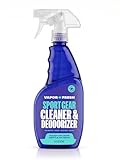
2. Glove Deodorizers and Sprays
These products are specifically designed to kill bacteria and absorb odors. They typically contain antimicrobial agents and fragrances. There are several types of deodorizers available:
- Spray-on deodorizers: These are easy to apply and can be used after each workout. Make sure to spray the inside and outside of the gloves. Look for products that specifically mention antibacterial or antifungal properties.
- Insertable deodorizers: These are typically pouches filled with absorbent materials like activated charcoal or silica gel. They are inserted into the gloves after use to absorb moisture and odors.
- Odor-absorbing balls: Similar to insertable deodorizers, these balls are placed inside the gloves to absorb moisture and neutralize odors.
How to use: Follow the manufacturer’s instructions carefully. Generally, you spray or insert the deodorizer after each use and leave it in place until your next training session.
3. Wiping with a Mild Solution
For a deeper clean, you can wipe the interior of your gloves with a mild solution. This method is suitable for synthetic and leather gloves, but test it on a small, inconspicuous area first. Here’s how:
- Mix a solution: Combine a small amount of mild soap (like baby shampoo or a gentle dish soap) with warm water. Avoid using harsh chemicals or bleach.
- Dampen a cloth: Dip a clean cloth in the solution and wring it out thoroughly. You want the cloth damp, not soaking wet.
- Wipe the interior: Carefully wipe the inside of your gloves, paying attention to areas that come into contact with your hands.
- Rinse (optional): If you feel it’s necessary, use a clean, damp cloth (with just water) to remove any soap residue.
- Air dry: Allow the gloves to air dry completely in a well-ventilated area.
4. Deep Cleaning (less Frequent)
For a more thorough cleaning, you can use a combination of the above methods. However, deep cleaning should be done less frequently to avoid damaging the gloves. The frequency depends on how often you train and how much you sweat.
- Prepare the gloves: Before deep cleaning, remove any laces or straps that can be detached.
- Pre-treat stains: If there are any visible stains on the exterior of the gloves, pre-treat them with a stain remover suitable for the glove material.
- Gentle washing (optional): For synthetic gloves, you can gently hand wash them in a basin of lukewarm water with mild soap. Avoid soaking leather gloves.
- Rinsing: Rinse the gloves thoroughly to remove all traces of soap.
- Drying: Air dry the gloves completely. This process can take several days. Consider using a fan to speed up the drying process.
- Deodorizing: Once the gloves are completely dry, use a glove deodorizer or spray to further eliminate any lingering odors.
Important Note: Never put your boxing gloves in a washing machine or dryer, as this can severely damage them.
Material Matters: Glove-Specific Cleaning Tips
Different glove materials require different cleaning approaches. Understanding the specific needs of your gloves will help you avoid damage and ensure their longevity. (See Also: Are Boxing Gloves Made Of Leather )
1. Leather Gloves
Leather gloves require special care to prevent the leather from drying out and cracking. Here’s how to care for them:
- Wipe down: After each workout, wipe down the exterior with a damp cloth.
- Leather cleaner: Use a leather cleaner and conditioner specifically designed for boxing gloves. Follow the product instructions carefully.
- Avoid water saturation: Do not submerge leather gloves in water.
- Air dry thoroughly: Allow them to air dry completely in a well-ventilated area, away from direct sunlight and heat sources.
- Conditioning: Apply leather conditioner periodically to keep the leather supple and prevent cracking.
2. Synthetic Gloves (e.G., Pu, Vinyl)
Synthetic gloves are generally more durable and easier to clean than leather gloves. Here’s how to care for them:
- Wipe down: Wipe down the exterior with a damp cloth after each workout.
- Mild soap solution: Use a mild soap solution for deeper cleaning.
- Air dry: Allow them to air dry completely.
- Avoid harsh chemicals: Do not use harsh chemicals or abrasive cleaners.
3. Other Materials
Some gloves may incorporate other materials, such as mesh or specialized linings. Always refer to the manufacturer’s instructions for specific cleaning guidelines. If in doubt, err on the side of caution and use gentle cleaning methods.
Preventative Measures: Stopping the Smell Before It Starts
The best way to keep your boxing gloves from smelling bad is to prevent the odor from developing in the first place. Several preventative measures can help.
1. Wash Your Hands
This is a fundamental hygiene practice that can significantly reduce odor. Wash your hands thoroughly with antibacterial soap before and after each training session. This removes dirt, sweat, and bacteria that can contribute to odor.
2. Use Hand Wraps
Hand wraps act as a barrier between your hands and your gloves, absorbing sweat and protecting the glove’s interior. They also provide support for your wrists and knuckles. Choose high-quality, breathable hand wraps and wash them regularly after each use. This is a critical step in keeping your gloves fresh.
3. Glove Liners
Consider using glove liners. These are thin, breathable fabric layers that you wear under your hand wraps. They offer an additional layer of protection, absorbing sweat and reducing the amount of moisture that reaches your gloves. Glove liners are easy to wash and can extend the life of your gloves.
4. Rotate Your Gloves
If you train frequently, consider owning two pairs of gloves. This allows you to alternate between them, giving each pair ample time to dry completely between workouts. This prevents the constant buildup of moisture and bacteria.
5. Proper Storage
How you store your gloves is crucial. Always store them in a well-ventilated area, away from direct sunlight and heat sources. Avoid storing them in a gym bag or a closed container, as this traps moisture and promotes bacterial growth. Consider using a glove rack or a mesh bag for storage. (See Also: How To Frame Boxing Shorts )
6. Consider Anti-Odor Products
Besides glove deodorizers, there are other products that can help. For example, some people use anti-odor sprays or powders on their hands or hand wraps before training. These products can help to reduce sweat and minimize odor.
Troubleshooting Common Odor Problems
Even with the best care, sometimes your gloves might develop a stubborn odor. Here are some troubleshooting tips:
1. Persistent Odor
If the odor persists despite your efforts, consider a more thorough cleaning. This might involve a deeper cleaning method, such as wiping the interior with a mild soap solution. If the odor is particularly strong, you might need to repeat the cleaning process.
2. Mold or Mildew
If you notice any signs of mold or mildew (e.g., visible spots or a musty smell), act quickly. Disinfect the gloves with an antifungal spray or solution. Air dry the gloves completely in a well-ventilated area. In severe cases, you might need to replace the gloves.
3. Material Degradation
Over time, the material of your gloves can degrade, especially if they are exposed to excessive moisture or harsh chemicals. If you notice any signs of material degradation (e.g., cracking, peeling, or a loss of cushioning), it might be time to replace your gloves.
Verdict
Keeping your boxing gloves smelling fresh requires a consistent and proactive approach. By following the tips and techniques outlined in this guide, you can significantly reduce odors, extend the life of your gloves, and enjoy a more pleasant training experience. Remember that prevention is key: take immediate action after each workout, clean your gloves regularly, and practice good hygiene.
By investing a little time and effort in the care of your gloves, you’ll not only keep them smelling fresh but also protect your health and enhance your performance. The sweet smell of victory is always better when it’s not mixed with the less-than-pleasant aroma of stale sweat!
Maintaining fresh-smelling boxing gloves is achievable with the right knowledge and consistent effort. Regular cleaning, proper drying techniques, and preventive measures like using hand wraps are all essential. Remember to tailor your cleaning methods to the specific material of your gloves and to address any persistent odor issues promptly.
Prioritizing glove hygiene not only ensures a more pleasant training experience but also contributes to the longevity of your equipment and your overall well-being. By following these guidelines, you can confidently step into the ring, knowing your gloves are ready to perform and odor-free.
Ultimately, the key to success is a consistent routine. Make glove care a habit, and you’ll enjoy a fresher, more enjoyable boxing experience. Your nose (and your training partners) will thank you!