Boxing workouts are fantastic for fitness. They build strength, stamina, and coordination. But, like any exercise routine, they can become less effective if you don’t continually push yourself. You might find yourself going through the motions, hitting the bag without really challenging your body or mind.
The key to continued progress is to regularly increase the challenge. This article will show you exactly how to do that, transforming your boxing workouts from routine exercises into intense training sessions that deliver results. We’ll explore various methods, from adjusting your technique and equipment to changing your workout structure and intensity. Get ready to take your boxing to the next level!
I’ll be walking you through practical strategies, explaining the ‘why’ behind each technique, and giving you actionable steps to implement them. Whether you’re a seasoned boxer or just starting, these tips will help you make every workout count.
Understanding the Importance of Progressive Overload
Before diving into specific techniques, it’s crucial to understand the fundamental principle behind increasing challenge: progressive overload. This means gradually increasing the demands placed on your body over time. Your body adapts to the stresses you place on it. If you keep doing the same thing, your progress will plateau. By incrementally adding difficulty, you force your body to adapt and improve.
Think of it like lifting weights. If you always lift the same weight, your muscles won’t get stronger. You need to gradually increase the weight to challenge them. The same principle applies to boxing. You need to progressively increase the intensity, duration, or complexity of your workouts to keep seeing improvement.
Technique and Form: The Foundation of Challenge
Improving your technique is a fundamental way to increase the challenge in your boxing workouts. Better technique allows you to generate more power, move more efficiently, and execute combinations with greater speed and precision. Here’s how to focus on technique:
1. Perfecting Your Stance and Footwork
Your stance is the foundation of everything in boxing. A solid stance provides stability, balance, and the ability to generate power. Footwork is your engine, allowing you to move in and out of range, set up punches, and evade your opponent’s attacks. Here’s what you can do:
- Focus on Balance: Practice maintaining a balanced stance, with your weight distributed evenly between your feet. Avoid leaning too far forward or backward.
- Master the Shuffle: Practice the shuffle step, which is the primary movement in boxing. Keep your feet low to the ground and avoid crossing your feet.
- Develop Agility: Incorporate agility drills like ladder drills, cone drills, and jump rope variations to improve your footwork speed and coordination.
2. Refining Your Punching Technique
Proper punching technique is essential for maximizing power and minimizing the risk of injury. Here’s how to refine your punches:
- Generate Power from the Ground Up: Power starts in your legs and core. Engage your core muscles to generate rotational force and transfer it through your body to your fist.
- Maintain Proper Hand Position: Keep your hands up to protect your face, and rotate your fist as you punch.
- Practice Punching Combinations: Combine different punches into sequences to improve your timing, coordination, and overall offensive ability.
- Focus on Speed and Accuracy: Speed and accuracy are just as important as power. Practice throwing punches quickly and accurately, focusing on hitting your target.
3. Defensive Strategies: Blocking, Slipping, and Weaving
Defense is just as important as offense. A strong defense allows you to avoid punches, conserve energy, and create opportunities to counterattack. Here’s how to improve your defensive skills: (See Also: Does Shadow Boxing Really Work )
- Master the Block: Practice blocking punches with your gloves, keeping your forearms and elbows close to your body.
- Develop Slipping and Weaving: Learn to slip punches by moving your head to the side, and weave by ducking under punches.
- Practice Head Movement: Incorporate head movement drills into your workouts to improve your ability to evade punches.
Equipment and Environment: Setting the Stage for Challenge
The equipment you use and the environment you train in can significantly impact the challenge of your boxing workouts. Here’s how to leverage them:
1. Varying Your Training Tools
Using different training tools can help you target different aspects of your boxing skills and add variety to your workouts. Consider these:
- Heavy Bag: The heavy bag is a staple for developing power, endurance, and technique. Experiment with different bag weights and sizes.
- Speed Bag: The speed bag improves hand speed, coordination, and rhythm.
- Double-End Bag: The double-end bag challenges your timing, accuracy, and reflexes.
- Focus Mitts: Focus mitts are essential for practicing combinations and working with a partner.
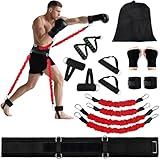
- Resistance Bands: Resistance bands can be used to add resistance to your punches, improving strength and power.
2. Changing Your Training Location
Switching up your training location can help keep things interesting and provide new challenges. Here are a few ideas:
- Outdoor Training: Training outdoors, such as in a park, can provide a change of scenery and the added challenge of dealing with wind or uneven terrain.
- Gym with Different Equipment: Try training in a different gym that has equipment you’re not used to, such as a different type of heavy bag or training tools.
- Sparring Sessions: Sparring with different partners can expose you to different fighting styles and help you develop your adaptability.
Workout Structure: Designing Challenging Sessions
The way you structure your workouts is crucial for increasing the challenge. Consider these strategies:
1. Adjusting Round Length and Rest Times
Manipulating the length of your rounds and rest periods is a simple but effective way to increase the intensity of your workouts. Here’s how:
- Increase Round Length: Gradually increase the length of your rounds from 2 minutes to 3 or even 4 minutes.
- Reduce Rest Times: Decrease the rest periods between rounds, such as from 1 minute to 30 seconds.
- Pyramid Training: Structure your workout with increasing round lengths followed by decreasing rest periods, and then reversing the process.
2. Incorporating Interval Training
Interval training involves alternating between high-intensity bursts of activity and periods of rest or lower-intensity activity. This is an excellent way to improve your cardiovascular fitness and anaerobic capacity. Here’s how to do it:
- High-Intensity Rounds: Alternate between rounds of intense bag work or shadow boxing and rounds of active recovery, such as light shadow boxing or jump rope.
- Tabata Training: Use the Tabata protocol (20 seconds of high-intensity exercise followed by 10 seconds of rest) for exercises like shadow boxing, burpees, or jump rope.
- Timed Rounds: Set a timer and perform specific exercises for a set amount of time, such as 30 seconds of push-ups followed by 30 seconds of jumping jacks.
3. Adding Conditioning Drills
Conditioning drills are essential for building stamina and endurance. Here are some drills to incorporate:
- Jump Rope: Jump rope is a great way to improve your cardiovascular fitness, coordination, and footwork. Vary your jump rope techniques, such as high knees, double unders, and crossovers.
- Sprints: Sprinting is an excellent way to build speed and power. Incorporate short bursts of sprinting into your workouts, such as running sprints between rounds of bag work.
- Bodyweight Exercises: Bodyweight exercises like push-ups, burpees, sit-ups, and mountain climbers can build strength and endurance.
- Shadow Boxing with Resistance: Add resistance bands to your shadow boxing to increase the intensity and build strength.
Intensity and Volume: Pushing Your Limits
The intensity and volume of your workouts are critical factors in increasing the challenge. Here’s how to push your limits safely and effectively: (See Also: Are Boxing Classes Worth It )
1. Increasing Punching Volume and Power
Increasing the number of punches you throw and the power behind them is a direct way to increase the challenge. Here’s how:
- Focus on Punching Combinations: Practice throwing combinations of punches with speed and power.
- Increase Punching Speed: Focus on throwing punches as quickly as possible while maintaining good form.
- Increase Punching Power: Engage your core and legs to generate more power in your punches.
- Add Weighted Gloves: Use weighted gloves to increase the resistance and build strength.
2. Incorporating Active Recovery
Active recovery involves performing low-intensity exercises during your rest periods to promote blood flow and reduce muscle soreness. Here’s how:
- Light Shadow Boxing: During rest periods, perform light shadow boxing to keep your muscles active.
- Jump Rope: Jump rope at a moderate pace to improve blood flow.
- Stretching: Stretch your muscles to improve flexibility and reduce muscle soreness.
3. Monitoring Your Progress and Adjusting Accordingly
It’s crucial to monitor your progress and make adjustments to your workouts as needed. Here’s how:
- Keep a Training Journal: Keep a training journal to track your workouts, including the exercises you performed, the number of rounds, the rest times, and how you felt.
- Assess Your Performance: Regularly assess your performance by sparring, hitting the heavy bag, or shadow boxing.
- Listen to Your Body: Pay attention to how your body feels. If you’re feeling fatigued or sore, take a rest day or modify your workout.
- Vary Your Workouts: Don’t be afraid to change up your workouts to keep things interesting and prevent plateaus.
Advanced Techniques: Elevating Your Training
Once you’ve mastered the basics, you can incorporate more advanced techniques to further increase the challenge. Here are a few examples:
1. Partner Drills and Sparring
Partner drills and sparring are excellent ways to improve your skills and challenge yourself. Here’s how to use them effectively:
- Focus Mitts: Practice combinations and defensive techniques with a partner using focus mitts.
- Pad Work: Have your partner hold pads while you practice punching combinations and defensive maneuvers.
- Sparring: Sparring is the ultimate test of your boxing skills. Spar with different partners to develop your adaptability and improve your overall performance.
2. Plyometrics and Explosive Movements
Plyometrics and explosive movements can help you develop power and speed. Here’s how to incorporate them:
- Box Jumps: Perform box jumps to improve your explosive power and vertical jump.
- Medicine Ball Throws: Use medicine balls to develop rotational power and core strength.
- Jump Squats: Perform jump squats to build lower body power and explosiveness.
3. Mental Toughness Training
Boxing is as much a mental game as it is a physical one. Mental toughness training can help you improve your focus, resilience, and ability to perform under pressure. Consider these techniques:
- Visualization: Visualize yourself performing well in your workouts and sparring sessions.
- Positive Self-Talk: Use positive self-talk to boost your confidence and motivation.
- Stress Management Techniques: Practice stress management techniques, such as deep breathing and meditation, to improve your focus and concentration.
Nutrition and Recovery: Fueling Your Progress
Proper nutrition and recovery are essential for supporting your training and preventing injury. Here’s what you need to know: (See Also: Does Boxing Classes Help With Weight Loss )
1. Fueling Your Body for Peak Performance
Your diet plays a crucial role in your performance. Here’s how to fuel your body effectively:
- Eat a Balanced Diet: Consume a balanced diet that includes plenty of fruits, vegetables, lean protein, and complex carbohydrates.
- Hydrate Adequately: Drink plenty of water throughout the day to stay hydrated.
- Time Your Meals: Eat a meal or snack before your workouts to fuel your performance, and consume protein and carbohydrates after your workouts to aid in recovery.
2. Prioritizing Rest and Recovery
Rest and recovery are just as important as training. Here’s how to prioritize them:
- Get Enough Sleep: Aim for 7-9 hours of sleep per night to allow your body to recover and rebuild.
- Incorporate Rest Days: Take rest days to allow your body to recover from intense workouts.
- Use Active Recovery: Perform low-intensity exercises, such as light stretching or walking, on your rest days to promote blood flow and reduce muscle soreness.
3. Preventing Injuries
Preventing injuries is crucial for staying healthy and continuing to train. Here’s how to prevent injuries:
- Warm Up Properly: Always warm up before your workouts to prepare your muscles for exercise.
- Use Proper Form: Use proper form to minimize the risk of injury.
- Listen to Your Body: Pay attention to any pain or discomfort and stop training if necessary.
- Stretch Regularly: Stretch regularly to improve flexibility and reduce muscle soreness.
Putting It All Together: A Sample Workout Progression
Here’s an example of how you can progressively increase the challenge in your workouts over time:
| Week | Workout Focus | Rounds | Round Length | Rest Time | Additional Notes |
|---|---|---|---|---|---|
| 1 | Technique & Conditioning | 3 | 2 minutes | 1 minute | Focus on form, light bag work, jump rope |
| 2 | Increased Volume | 4 | 2 minutes | 1 minute | Add more combinations, increase jump rope intensity |
| 3 | Interval Training | 5 | 2 minutes work, 1 minute rest | 30 seconds active recovery | Incorporate burpees and push-ups between rounds |
| 4 | Increased Intensity | 5 | 3 minutes | 1 minute | Focus on power punches, add weighted gloves |
| 5 | Sparring and Advanced Drills | 3-4 | 3 minutes | 1 minute | Sparring or focus mitt work |
This is just a sample progression. Adjust the parameters to suit your fitness level and goals. Remember to listen to your body and make adjustments as needed. Consistency is key.
Verdict
By incorporating these strategies, you can transform your boxing workouts into challenging and rewarding training sessions. Remember to focus on progressive overload, continually pushing yourself to improve your technique, strength, and endurance. The journey to becoming a better boxer is a marathon, not a sprint. Consistency, dedication, and a willingness to embrace the challenge are the keys to success.
Remember to always prioritize proper form, listen to your body, and take rest days when needed. With consistent effort and a smart approach to training, you’ll see significant improvements in your boxing skills and overall fitness. Enjoy the process, and celebrate your progress along the way. Your dedication will pay off, and you’ll be well on your way to achieving your boxing goals.