Shadow boxing. It’s the unsung hero of boxing training. Often overlooked, it’s the foundation upon which all your skills are built. Think of it as your private practice, a chance to refine your technique, build stamina, and visualize success. But, like any skill, simply going through the motions won’t cut it.
This isn’t about just throwing punches in the air. This is about purposeful practice, about honing your craft. We’re going to break down how to improve shadow boxing, transforming it from a warm-up into a powerful tool for improvement. I’ll share drills, tips, and techniques to help you become a more skilled and confident boxer. Get ready to elevate your game!
The Core Principles of Effective Shadow Boxing
Before we jump into specific drills, let’s establish the fundamental principles. Understanding these will help you get the most out of every shadow boxing session.
1. Perfect Your Form
Focus on technique above all else. Shadow boxing is your opportunity to practice perfect form without the pressure of a live opponent. Ensure your stance is correct, your hands are up, and your punches are thrown with proper mechanics. This means rotating your hips, transferring your weight, and snapping your punches back to your guard. Watch yourself in a mirror to identify and correct any flaws. Think of it as a moving mirror.
2. Visualize Your Opponent
Create a realistic scenario. Don’t just throw punches randomly. Imagine an opponent in front of you. Visualize their movements, their style, and how you will react. Are they a southpaw? Are they aggressive or defensive? This mental engagement significantly enhances the effectiveness of your shadow boxing.
3. Footwork Fundamentals
Footwork is key. Shadow boxing is not just about throwing punches; it’s about movement. Practice your footwork drills, such as lateral shuffles, pivots, and the step-through. Imagine your opponent constantly trying to cut you off or to escape your attacks. Make sure your footwork is both efficient and effective. Work on your balance, and always be ready to change direction.
4. Consistent Practice
Make it a habit. Consistency is vital. Aim to shadow box regularly, even if it’s only for 10-15 minutes each day. The more you practice, the more ingrained your techniques will become, and the faster you’ll see improvements. Make it part of your routine like brushing your teeth or eating breakfast. It will become second nature, and you will start to crave it.
5. Maintain Intensity
Push yourself. While focusing on technique is essential, don’t forget to maintain a good pace. Shadow boxing should be a workout. Increase your heart rate, and simulate the energy expenditure of a real fight. This will improve your stamina and help you react more effectively under pressure. It’s about training your mind and body to be ready for the demands of the ring.
Essential Shadow Boxing Drills
Now, let’s get into some specific drills that you can incorporate into your shadow boxing routine. These drills are designed to address various aspects of your boxing game.
1. The Basic Combination Drill
Purpose: To drill fundamental punches and combinations.
How to do it: Start with the basic jab-cross-hook combination. Then, move on to other common combinations like jab-cross-hook-cross or jab-jab-cross. Focus on speed, accuracy, and power. Make sure you are rotating your hips and transferring your weight properly. Repeat each combination for a set number of rounds, say 3 rounds of 3 minutes with 1 minute rest.
Why it matters: This drill builds muscle memory and helps you execute combinations smoothly and efficiently under pressure.
2. The Defensive Drill
Purpose: To improve your defensive skills and footwork.
How to do it: Imagine your opponent is throwing punches. Practice slipping, rolling, and blocking. Add in footwork, such as moving laterally or pivoting away from your imaginary opponent. Focus on staying balanced and keeping your hands up. You can incorporate the use of head movement to avoid punches. Keep your eyes on your opponent, and try to anticipate their moves.
Why it matters: Defense is just as important as offense. This drill helps you develop the reflexes and footwork needed to avoid getting hit.
3. The Power Punch Drill
Purpose: To increase punching power and explosiveness. (See Also: Does Shadow Boxing Really Work )
How to do it: Focus on throwing powerful punches, such as crosses and hooks. Start slowly, emphasizing proper technique. Then, gradually increase your speed and power. Visualize hitting your opponent with each punch. Focus on the hip rotation and the transfer of weight. You can even add a small weight to your glove to increase the resistance. Consider using a medicine ball to practice twisting and generating power from your core.
Why it matters: Power is crucial in boxing. This drill helps you generate more force with each punch, increasing your chances of landing a knockout.
4. The Footwork Drill
Purpose: To improve your footwork and agility.
How to do it: Practice various footwork drills, such as the shuffle, the pivot, and the step-through. Imagine your opponent is trying to cut you off, and you need to move around them. Focus on staying light on your feet and maintaining your balance. Practice moving forwards, backwards, and sideways. You can also incorporate jumping rope to improve your footwork and coordination.
Why it matters: Good footwork is essential for both offense and defense. This drill helps you move around the ring efficiently and stay in the best position to land punches.
5. The Endurance Drill
Purpose: To build stamina and endurance.
How to do it: Shadow box continuously for a set period of time, such as 3-5 rounds of 3 minutes each with minimal rest. Focus on maintaining a good pace and throwing punches consistently. You can vary the intensity of your punches to simulate the different stages of a fight. This drill will help you improve your cardiovascular fitness and your ability to maintain your energy levels during a fight.
Why it matters: Boxing is a physically demanding sport. This drill helps you build the stamina needed to last through a fight.
Advanced Shadow Boxing Techniques
Once you’ve mastered the basic drills, you can start incorporating more advanced techniques to further enhance your shadow boxing.
1. Sparring Simulation
Purpose: To prepare for sparring and real fights.
How to do it: Imagine you are sparring with a specific opponent. Visualize their style, their strengths, and their weaknesses. Practice countering their attacks and executing your game plan. React to their movements as if you were in a real fight. This will help you prepare mentally and physically for sparring.
Why it matters: This technique helps you translate your shadow boxing skills into real-life sparring scenarios.
2. Shadow Boxing with Resistance
Purpose: To increase strength and power.
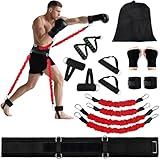
How to do it: Use resistance bands or light weights to add resistance to your punches and movements. This will challenge your muscles and help you build strength and power. Be careful not to use too much resistance, as this can lead to injury. Focus on maintaining proper form throughout the exercise.
Why it matters: This technique helps you build strength and power, which can improve your punching ability and overall performance. (See Also: Are Boxing Classes Worth It )
3. Shadow Boxing with a Focus Mitts Routine
Purpose: To transition from shadow boxing to mitt work.
How to do it: Start with a combination of shadow boxing and focus mitts. For example, shadow box for one round, then work with focus mitts for one round. This will help you transition from shadow boxing to working with a partner. This will allow you to focus on punches you have worked on in shadow boxing and apply them to a real-life situation.
Why it matters: This will help you to bridge the gap between shadow boxing and actual sparring.
4. Analyzing Your Performance
Purpose: To identify areas for improvement.
How to do it: Record yourself shadow boxing and then review the footage. This will help you identify any technical flaws or areas where you can improve. Pay attention to your footwork, your hand speed, and your overall technique. Make notes on what you can do better, and then incorporate those improvements into your next shadow boxing session.
Why it matters: This will help you to identify your weaknesses, and you can focus on improving them.
5. Incorporating Different Stances
Purpose: To enhance versatility and adaptability.
How to do it: Practice shadow boxing in different stances, such as orthodox and southpaw. This will help you become more comfortable with different fighting styles and prepare you for opponents who switch stances. This also helps you become more versatile and adaptable in the ring.
Why it matters: Boxing is a sport of adaptation, and this prepares you for different styles.
Tips for Maximizing Your Shadow Boxing Sessions
Here are some additional tips to help you get the most out of your shadow boxing sessions.
1. Warm-Up Properly
Prepare your body. Before each shadow boxing session, warm up with light cardio, such as jumping jacks or jogging in place. Then, perform dynamic stretches to prepare your muscles for movement. This will help prevent injuries and improve your performance. Don’t skip the warm-up!
2. Cool Down After
Recover and repair. After your shadow boxing session, cool down with static stretches. Hold each stretch for 20-30 seconds to improve flexibility and reduce muscle soreness. Cooling down is just as important as warming up.
3. Use a Mirror
See yourself. Shadow boxing in front of a mirror is invaluable. It allows you to check your form, identify any technical flaws, and make corrections on the spot. If you don’t have a full-length mirror, a partial mirror is better than nothing.
4. Vary Your Routine
Keep it interesting. Don’t fall into a rut. Vary your shadow boxing routine by changing your combinations, footwork, and intensity. This will keep your workouts engaging and prevent boredom. Vary the number of rounds, and the rest periods between each round.
5. Listen to Music
Find your rhythm. Music can enhance your shadow boxing experience. Choose music that motivates you and helps you maintain a good pace. The right music can help you get in the zone and improve your focus. (See Also: Does Boxing Classes Help With Weight Loss )
6. Rest and Recovery
Give your body time. Allow adequate rest and recovery between shadow boxing sessions to prevent overtraining and injuries. Your muscles need time to repair and rebuild. Pay attention to your body, and take a rest day when needed.
7. Record Your Sessions
Track your progress. Record your shadow boxing sessions periodically to monitor your progress. This will help you see how far you’ve come and identify areas where you still need to improve. It’s also a great way to stay motivated.
8. Seek Feedback
Get another perspective. If possible, ask a coach or experienced boxer to watch you shadow box and provide feedback. They can offer valuable insights and help you identify any areas where you can improve. A fresh set of eyes can make a big difference.
9. Stay Hydrated
Fuel your performance. Drink plenty of water before, during, and after your shadow boxing sessions. Dehydration can negatively impact your performance and increase your risk of injury. Keep a water bottle nearby and sip frequently.
10. Focus on Breathing
Maximize oxygen intake. Pay attention to your breathing throughout your shadow boxing session. Breathe deeply and rhythmically to ensure your muscles receive enough oxygen. This will help you maintain your energy levels and prevent fatigue.
Common Mistakes to Avoid
Here are some common mistakes to avoid during shadow boxing.
1. Poor Form
Prioritize technique. Neglecting proper form is the most common mistake. Make sure your punches are thrown correctly, with proper hip rotation and weight transfer. Avoid dropping your hands, telegraphing your punches, and keeping your elbows flared out.
2. Lack of Visualization
Engage your mind. Shadow boxing without visualizing an opponent is a missed opportunity. Imagine an opponent in front of you, and react to their movements. This will make your shadow boxing more realistic and effective.
3. Inconsistent Practice
Make it a habit. Shadow boxing sporadically won’t yield significant results. Aim to shadow box regularly, even if it’s only for a few minutes each day. Consistency is key to improvement.
4. Overdoing It
Listen to your body. Overtraining can lead to injuries and burnout. Don’t push yourself too hard, especially when you’re just starting out. Take rest days when needed and pay attention to your body’s signals.
5. Ignoring Footwork
Don’t neglect your feet. Footwork is essential in boxing. Incorporate footwork drills into your shadow boxing routine. Practice moving around, pivoting, and changing direction. Don’t just stand in one place and throw punches.
6. Lack of Intensity
Push yourself. Shadow boxing should be a workout. Maintain a good pace and throw your punches with power and speed. If you’re not sweating and breathing hard, you’re not working hard enough.
7. Not Using a Mirror
Self-assessment is key. Shadow boxing in front of a mirror is crucial for self-assessment. It allows you to check your form, identify any flaws, and make corrections on the spot. Don’t skip this important step.
8. Not Varying Your Routine
Keep it fresh. Repeating the same routine over and over can lead to boredom and plateaus. Vary your combinations, footwork, and intensity to keep things interesting and challenging.
9. Lack of Focus
Stay present. Avoid distractions and focus on your shadow boxing. Clear your mind and concentrate on your technique, your footwork, and your visualization. Avoid daydreaming or letting your mind wander.
10. Not Seeking Feedback
Get guidance. Don’t be afraid to ask for feedback from a coach or experienced boxer. They can offer valuable insights and help you identify areas where you can improve. A fresh perspective can make a big difference.
Conclusion
Shadow boxing is a powerful tool for improving your boxing skills, and it is a key component of any boxing training regime. By focusing on technique, visualization, and consistent practice, you can transform your shadow boxing into a highly effective workout. Remember to incorporate the drills and techniques we’ve discussed, avoid the common mistakes, and listen to your body. Embrace the process, stay dedicated, and watch your boxing skills soar. Now go get to work, and enjoy the journey!