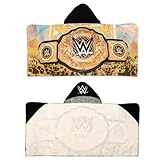
So, you’re fascinated by the glitz, the glory, and the sheer weight of a championship belt? You’re not alone! Wrestling belts aren’t just accessories; they’re symbols of achievement, dedication, and the culmination of countless hours of hard work. They represent a wrestler’s journey, their triumphs, and their place in history. But how do you actually get your hands on one?
Whether you’re a budding wrestler aiming for the top, a dedicated collector eager to expand your collection, or simply curious about the process, this guide has you covered. We’ll explore the various avenues, from the professional wrestling world to the world of collectibles, providing you with a complete understanding of how to acquire these coveted pieces of sports entertainment history. Get ready to learn about the different ways to obtain a wrestling belt, the factors that influence their value, and the steps you need to take to add one to your own collection. Let’s dive in!
The Path to Championship Gold: Becoming a Professional Wrestler
The most direct, albeit challenging, route to owning a wrestling belt is to become a professional wrestler. This path requires immense dedication, physical conditioning, and a strong will to succeed. It’s a journey filled with ups and downs, but the rewards can be significant, including the ultimate prize: a championship belt.
Training and Development
Finding a reputable wrestling school is the first crucial step. Research schools in your area and consider their track record, the experience of the trainers, and the overall environment. Look for schools that offer comprehensive training in all aspects of wrestling, including in-ring skills, character development, and promo skills.
- Physical Conditioning: Wrestling demands peak physical fitness. Be prepared to dedicate time to strength training, cardio, and flexibility exercises.
- In-Ring Training: This involves learning basic wrestling techniques, such as how to bump (take falls), lock up, and execute various moves safely.
- Character Development: A compelling character is essential for connecting with the audience. Consider your wrestling persona, your motivations, and how you will portray yourself.
- Promo Skills: Learning how to cut effective promos (speeches) is crucial for building your character and engaging the crowd.
Breaking Into the Independent Circuit
Once you’ve completed your training, you’ll likely start your career on the independent wrestling circuit. This is where you’ll gain experience, hone your skills, and build a following. Be prepared for:
- Low Pay: Early in your career, you won’t be earning much. Be prepared to supplement your income with another job.
- Travel: You’ll likely be traveling to various towns and cities to wrestle.
- Exposure: This is your chance to showcase your talent and make a name for yourself.
The Journey to a Major Promotion
The ultimate goal for many wrestlers is to sign with a major promotion like WWE, AEW, or NJPW. This is a highly competitive field, and it requires dedication, skill, and a bit of luck. To increase your chances:
- Network: Build relationships with other wrestlers, promoters, and scouts.
- Promote Yourself: Use social media and other platforms to showcase your work.
- Stay Consistent: Keep training, performing, and improving your skills.
Earning a Championship Belt
Once you’re in a major promotion, the path to a championship belt is still challenging. You’ll need to work your way up the ranks, build a strong fanbase, and prove yourself as a main event talent. Here’s what to expect:
- Winning Matches: You’ll need to consistently win matches to earn opportunities to challenge for titles.
- Building a Story: Championship reigns are often built on compelling storylines and rivalries.
- Winning the Title: The moment of victory is the culmination of your hard work and dedication.
- Defending the Title: As champion, you’ll need to defend your title against worthy challengers.
Collecting Wrestling Belts: A Passion for History
If you’re not interested in becoming a wrestler but still want to own a championship belt, collecting is an excellent option. The world of wrestling collectibles is vast and varied, offering something for everyone. (See Also: Are Ncaa Wrestling Championships Cancelled )
Types of Belts to Collect
There are several types of wrestling belts you can collect, each with its own appeal:
- Replica Belts: These are the most common type of collectible. They are designed to look like the actual belts used by wrestlers and are often made with high-quality materials.
- Vintage Belts: These are original belts from the past, which can be incredibly valuable. They often come with a rich history and are highly sought after by collectors.
- Custom Belts: Some collectors commission custom belts, which are designed and made to their specifications.
- Signed Belts: Belts signed by famous wrestlers can significantly increase their value.
Where to Find Wrestling Belts
There are several places you can find wrestling belts to add to your collection:
- Online Retailers: Websites like Amazon, eBay, and ProWrestlingTees.com offer a wide selection of replica belts and other wrestling merchandise.
- Wrestling Conventions: These events are a great place to meet other collectors, buy and sell belts, and get autographs from wrestlers.
- Auctions: Auction houses specializing in sports memorabilia often have vintage belts and other rare items for sale.
- Specialty Shops: Some stores specialize in wrestling collectibles and carry a variety of belts, figures, and other memorabilia.
Factors Influencing Value
The value of a wrestling belt can vary greatly depending on several factors:
- Rarity: The fewer belts of a particular type that exist, the more valuable it will be.
- Condition: Belts in excellent condition are worth more than those that are damaged or worn.
- Provenance: The history of the belt, including who owned it and when, can significantly impact its value.
- Signatures: Belts signed by famous wrestlers are more valuable.
- Material: The materials used in the belt, such as the type of metal and leather, can affect its value.
Tips for Collectors
If you’re new to collecting wrestling belts, here are some tips to help you get started:
- Do Your Research: Learn as much as you can about the different types of belts, their history, and their value.
- Set a Budget: Determine how much you’re willing to spend on a belt before you start shopping.
- Buy from Reputable Sources: Purchase belts from established retailers or collectors to ensure authenticity.
- Inspect Carefully: Before buying a belt, examine it closely for any signs of damage or wear.
- Protect Your Investment: Store your belts in a safe, dry place to protect them from damage.
Building Your Own Championship Belt
For those with a creative streak and a desire for a truly unique piece, crafting your own championship belt is an exciting option. This allows you to design a belt that perfectly reflects your vision and interests.
Design and Planning
The first step is to come up with a design. Consider:
- The Overall Theme: What message or concept do you want your belt to convey?
- The Plate Shape: Do you want a classic shape, or something more unique?
- The Materials: What materials will you use for the plates, strap, and other components?
- The Details: Consider the fonts, images, and other details that will make your belt stand out.
Materials and Tools
You’ll need a variety of materials and tools to build your own championship belt. This might include: (See Also: Are All Wrestling Matches Predetermined )
- Metal Sheets: For the plates, you can use materials like brass, copper, or steel.
- Leather or Faux Leather: For the strap.
- Fasteners: Buckles, snaps, and rivets to hold everything together.
- Tools: Metalworking tools, leatherworking tools, and potentially a laser cutter or CNC machine for detailed designs.
Construction Process
The construction process involves several steps:
- Plate Fabrication: Cutting, shaping, and engraving the metal plates. This may involve using power tools and hand tools.
- Strap Preparation: Cutting, shaping, and attaching the leather or faux leather strap.
- Assembly: Attaching the plates to the strap.
- Finishing: Polishing, painting, and adding any final details.
Resources and Inspiration
There are many resources available to help you build your own championship belt:
- Online Tutorials: YouTube and other platforms offer numerous tutorials on belt making.
- Crafting Communities: Join online forums and communities to learn from experienced belt makers.
- Professional Belt Makers: Some professionals offer classes or guidance for aspiring belt makers.
The Legal and Ethical Considerations
Before you start collecting or making wrestling belts, it’s important to be aware of the legal and ethical considerations.
Copyright and Trademark
Wrestling promotions own the copyright and trademark for their championship belt designs. Reproducing or selling replicas of these belts without permission can result in legal action.
- Replica Belts: Most replica belts are licensed by the wrestling promotions. Ensure you are purchasing licensed products.
- Custom Belts: If you are making a custom belt, design it in a way that does not infringe on existing trademarks.
Authenticity and Fraud
Be cautious when purchasing belts, especially vintage or high-value items. Ensure you are buying from a reputable source and that the belt is authentic.
- Due Diligence: Research the seller and the belt before making a purchase.
- Documentation: Request any available documentation, such as certificates of authenticity.
- Expert Opinion: Consider consulting with an expert to verify the authenticity of a belt.
Respect for the Sport
Show respect for the sport of professional wrestling and the wrestlers who have earned the right to wear these belts. Treat the belts you own or create as valuable pieces of wrestling history.
Comparing Options: Professional Wrestling vs. Collecting vs. Diy
Let’s compare the different ways to obtain a wrestling belt: (See Also: Are The Wwe Arm Wrestling Matches Real )
| Method | Pros | Cons |
|---|---|---|
| Becoming a Professional Wrestler |
|
|
| Collecting Wrestling Belts |
|
|
| Building Your Own Championship Belt |
|
|
Conclusion
Obtaining a wrestling belt, whether through the grueling path of a professional wrestler, the pursuit of collecting, or the creative endeavor of crafting your own, is a journey filled with excitement, challenge, and reward. Each path offers a unique way to connect with the world of wrestling and own a piece of its history.
For those dreaming of championship glory, the dedication required to become a professional wrestler is an extraordinary testament to the human spirit. The thrill of stepping into the ring, the roar of the crowd, and the feeling of holding a championship belt aloft are unparalleled experiences. For collectors, the hunt for rare and valuable belts is a rewarding adventure, connecting them with the legends of the sport. The joy of finding a vintage belt or adding a signed replica to your collection is something that only fellow collectors can truly understand.
Whether you choose to chase the dream of wrestling stardom, curate a collection of wrestling memorabilia, or design your own wrestling belt, your passion for this unique form of entertainment is what fuels the experience. The world of wrestling offers something for everyone, and the opportunity to own a championship belt is a dream that can become a reality.
Ultimately, the best way to get a wrestling belt depends on your personal goals and interests. Embrace the passion, do your research, and enjoy the journey, and you’ll be well on your way to owning a piece of wrestling history.
Remember to respect the sport, the athletes, and the legacy of these iconic symbols. Whether you are a fan, a collector, or a creator, wrestling belts represent the dedication, the drama, and the unforgettable moments that make professional wrestling so captivating.
So, take your pick, choose your path, and get ready to experience the excitement of owning a wrestling belt. The journey awaits!