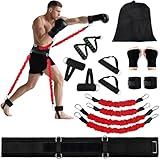
So, you’re interested in boxing, huh? That’s fantastic! Boxing is more than just a sport; it’s a full-body workout that builds strength, endurance, coordination, and mental toughness. It’s a fantastic way to get in shape, relieve stress, and learn valuable self-defense skills. Whether you’re aiming to step into the ring or just want a killer workout routine, this guide will walk you through everything you need to know about how to do a boxing workout.
We’ll cover the basics, from the equipment you’ll need to the proper techniques for punches, footwork, and defense. I’ll also share some sample workout routines that you can adapt to your fitness level. Get ready to sweat, learn, and feel amazing. Let’s get started!
Getting Started: Essential Equipment and Preparation
Before you throw your first punch, you need the right gear. Investing in quality equipment will not only make your workouts more effective but also safer. Here’s a breakdown of what you’ll need:
Boxing Gloves
Choose gloves that fit properly. They should be snug but not too tight. A good rule of thumb is to measure your hand circumference around the knuckles. Boxing gloves are typically measured in ounces (oz), with 10oz, 12oz, 14oz, and 16oz being the most common sizes. Heavier gloves provide more protection and are often used for sparring. Lighter gloves are often used for speed work and bag work. If you’re a beginner, 12oz or 14oz gloves are a good starting point. Ensure your gloves have adequate wrist support.
Hand Wraps
Hand wraps are crucial for protecting your hands and wrists. They absorb sweat, cushion your knuckles, and provide support. There are several types of hand wraps, including Mexican-style and standard wraps. Mexican-style wraps are generally preferred for their superior support and flexibility. Wrap your hands correctly to ensure maximum protection. This involves wrapping your knuckles, wrists, and the base of your thumb. Practice wrapping your hands before your first workout.
Heavy Bag
A heavy bag is essential for practicing your punches and combinations. Choose a bag that suits your space and fitness level. Heavy bags come in various weights, ranging from 50lbs to over 100lbs. Beginners should start with a lighter bag (around 70-80lbs) and gradually increase the weight as they get stronger. Make sure you have a sturdy way to hang the bag, whether it’s a ceiling mount or a freestanding base.
Boxing Shoes
Boxing shoes are designed to provide excellent ankle support and grip. They have flat soles that allow for quick footwork and pivoting. While not strictly mandatory, boxing shoes can significantly improve your performance and reduce the risk of injury. Sneakers with flat soles can be used as a substitute, but ensure they provide good ankle support.
Other Essentials
- Mouthguard: Protect your teeth and gums.
- Jump Rope: For warming up and improving footwork.
- Comfortable Workout Clothes: Choose breathable fabrics that allow for a full range of motion.
- Water Bottle: Stay hydrated throughout your workout.
- Towel: To wipe away sweat.
Warm-Up: Preparing Your Body for Action
A proper warm-up is crucial to prevent injuries and prepare your muscles for the workout ahead. This should last for about 10-15 minutes. Here’s a sample warm-up routine: (See Also: Does Shadow Boxing Really Work )
- Jumping Jacks: 1 minute
- Jump Rope: 3-5 minutes (start slow and gradually increase the speed)
- Arm Circles: Forward and backward, 30 seconds each
- Shoulder Rolls: Forward and backward, 30 seconds each
- Neck Rotations: Gentle rotations, 30 seconds each
- Dynamic Stretching: Include arm swings, leg swings, torso twists, and high knees. Focus on movements that mimic boxing actions. For example, shadow boxing, practicing footwork, and hip rotations.
Basic Boxing Techniques: Punches and Footwork
Stance
Your stance is the foundation of boxing. It provides balance, power, and mobility. Here’s how to adopt the basic boxing stance:
- Foot Placement: Stand with your feet shoulder-width apart, one foot slightly ahead of the other. If you’re right-handed, your left foot should be forward; if you’re left-handed, your right foot should be forward.
- Knee Bend: Bend your knees slightly to lower your center of gravity. This will help you stay balanced and move quickly.
- Weight Distribution: Distribute your weight evenly between your feet, with a slight emphasis on your front foot.
- Guard Position: Keep your hands up, protecting your face. Your lead hand (the one in front) should be positioned near your cheek, and your rear hand should be near your chin. Your elbows should be tucked in to protect your body.
- Chin Down: Keep your chin tucked down to protect it from punches.
The Jab
The jab is the most fundamental punch in boxing. It’s a quick, straight punch thrown with your lead hand. Here’s how to throw a proper jab:
- Starting Position: Begin in your boxing stance.
- Footwork: Step forward slightly with your lead foot as you throw the punch.
- Punching Motion: Extend your lead arm straight out toward your target, keeping your elbow slightly bent.
- Rotation: Rotate your fist as you punch, so your palm faces down at the end of the punch.
- Return: Quickly retract your hand back to your guard position.
- Key points: Keep your non-punching hand up to protect your face. Breathe out as you punch.
The Cross
The cross is a powerful punch thrown with your rear hand. It travels across your body and is often used to follow up a jab. Here’s how to throw a cross:
- Starting Position: Begin in your boxing stance.
- Footwork: Pivot your rear foot and rotate your hip as you throw the punch.
- Punching Motion: Extend your rear arm straight out toward your target, keeping your elbow slightly bent.
- Rotation: Rotate your fist as you punch, so your palm faces down at the end of the punch.
- Return: Quickly retract your hand back to your guard position.
- Key points: Keep your non-punching hand up to protect your face. Breathe out as you punch. Generate power from your legs and hips.
The Hook
The hook is a powerful, circular punch. It’s thrown with your lead or rear hand, targeting the side of your opponent’s head or body. Here’s how to throw a hook:
- Starting Position: Begin in your boxing stance.
- Footwork: Pivot your foot toward the side you are punching.
- Punching Motion: Bend your elbow and bring your fist in a circular motion toward your target.
- Rotation: Keep your elbow high and your fist level with your shoulder.
- Return: Quickly retract your hand back to your guard position.
- Key points: Keep your non-punching hand up to protect your face. Rotate your hips into the punch for added power.
The Uppercut
The uppercut is a powerful, vertical punch. It’s thrown with your lead or rear hand, targeting the chin or body. Here’s how to throw an uppercut:
- Starting Position: Begin in your boxing stance.
- Footwork: Slightly bend your knees and shift your weight.
- Punching Motion: Bend your elbow and bring your fist upward in a vertical motion.
- Rotation: Keep your elbow close to your body.
- Return: Quickly retract your hand back to your guard position.
- Key points: Keep your non-punching hand up to protect your face. Generate power from your legs and hips.
Footwork
Footwork is crucial in boxing for both offense and defense. It allows you to move around the ring, maintain your distance, and set up your punches. Here are some basic footwork drills:
- Shuffle: Slide your feet along the ground, keeping your feet shoulder-width apart.
- Pivot: Turn on the balls of your feet to change direction.
- Step and Slide: Move one foot, then slide the other foot to maintain your stance.
- Footwork Drills: Practice moving forward, backward, and sideways, while maintaining your boxing stance.
Defense: Protecting Yourself in the Ring
Defense is just as important as offense in boxing. Here are some key defensive techniques: (See Also: Are Boxing Classes Worth It )
- Blocking: Use your gloves and arms to block punches. Keep your elbows tucked in to protect your body.
- Parrying: Use your gloves to deflect your opponent’s punches.
- Slipping: Move your head to the side to avoid punches.
- Rolling: Duck under punches.
- Footwork: Use your footwork to move out of the way of punches.
Boxing Workout Routines: Sample Workouts
Here are a few sample boxing workout routines for different fitness levels. Remember to adjust the intensity and duration based on your own fitness level. Always listen to your body and take breaks when needed.
Beginner Workout
This workout is designed to introduce you to the basic boxing techniques and build a foundation of fitness.
- Warm-up: 10 minutes (as described above)
- Shadow Boxing: 3 rounds of 3 minutes each, with 1 minute rest between rounds. Focus on proper form and technique. Practice jabs, crosses, hooks, and uppercuts.
- Heavy Bag Work: 3 rounds of 3 minutes each, with 1 minute rest between rounds. Practice basic combinations (e.g., jab-cross, jab-jab-cross).
- Footwork Drills: 5 minutes. Practice shuffling, pivoting, and stepping.
- Core Exercises: 3 rounds of 1 minute each, with 30 seconds rest between rounds. Include exercises like planks, crunches, and Russian twists.
- Cool-down and Stretching: 5-10 minutes. Focus on static stretches, holding each stretch for 30 seconds.
Intermediate Workout
This workout increases the intensity and complexity of the exercises.
- Warm-up: 10 minutes
- Jump Rope: 3 rounds of 3 minutes each, with 1 minute rest between rounds.
- Shadow Boxing: 4 rounds of 3 minutes each, with 1 minute rest between rounds. Incorporate more complex combinations and footwork.
- Heavy Bag Work: 4 rounds of 3 minutes each, with 1 minute rest between rounds. Practice combinations, incorporating hooks and uppercuts.
- Pad Work (with a partner if possible): 3 rounds of 3 minutes each, with 1 minute rest between rounds. Practice combinations and defensive techniques.
- Footwork Drills: 7 minutes. Incorporate more advanced footwork drills, such as weaving and bobbing.
- Core Exercises: 4 rounds of 1 minute each, with 30 seconds rest between rounds. Include exercises like bicycle crunches, leg raises, and medicine ball twists.
- Cool-down and Stretching: 5-10 minutes.
Advanced Workout
This workout is designed for experienced boxers who want a challenging and intense workout. This workout will require advanced techniques and physical endurance.
- Warm-up: 10 minutes
- Jump Rope: 4 rounds of 3 minutes each, with 30 seconds rest between rounds.
- Shadow Boxing: 5 rounds of 3 minutes each, with 1 minute rest between rounds. Focus on speed, power, and precision.
- Heavy Bag Work: 5 rounds of 3 minutes each, with 1 minute rest between rounds. Practice complex combinations and power punches.
- Pad Work (with a partner): 5 rounds of 3 minutes each, with 1 minute rest between rounds. Focus on sparring techniques and defensive skills.
- Footwork Drills: 10 minutes. Incorporate advanced footwork drills, such as lateral movement and ring control.
- Strength Training: Include exercises such as push-ups, pull-ups, squats, and lunges.
- Core Exercises: 5 rounds of 1 minute each, with 30 seconds rest between rounds. Include exercises that challenge core stability and strength.
- Cool-down and Stretching: 5-10 minutes.
Training Tips: Maximizing Your Boxing Workouts
- Focus on Technique: Proper technique is more important than power.
- Vary Your Workouts: Mix up your workouts to keep things interesting and challenge different muscle groups.
- Listen to Your Body: Take rest days when needed and don’t push yourself too hard, especially when starting out.
- Stay Consistent: Consistency is key to seeing results. Aim to work out at least 2-3 times per week.
- Find a Training Partner: Training with a partner can help you stay motivated and improve your skills.
- Watch Professional Boxing: Observe how professional boxers move, punch, and defend.
- Nutrition and Hydration: Eat a balanced diet and stay hydrated.
Common Mistakes to Avoid
- Dropping Your Hands: Always keep your hands up to protect your face.
- Looking Down: Keep your eyes focused on your opponent or the heavy bag.
- Over-Extending Your Punches: Keep your elbows slightly bent when punching.
- Not Pivoting: Rotate your hips and feet when throwing punches for added power.
- Neglecting Footwork: Good footwork is essential for both offense and defense.
- Not Warming Up: Always warm up before your workout.
- Ignoring Rest: Allow yourself adequate rest.
The Benefits of Boxing Workouts
Boxing workouts offer a multitude of benefits, making them a fantastic choice for anyone looking to improve their fitness and overall well-being. Here’s a look at some of the key advantages:
- Cardiovascular Health: Boxing is a high-intensity workout that significantly improves cardiovascular health. The constant movement, punching, and footwork elevate your heart rate, strengthening your heart and improving blood circulation. Regular boxing workouts can reduce the risk of heart disease and stroke.
- Strength and Endurance: Boxing builds both strength and endurance. The repetitive punching, footwork, and defensive movements engage multiple muscle groups, leading to increased strength. The high-intensity nature of the workout also enhances endurance, allowing you to sustain physical activity for longer periods.
- Weight Loss: Boxing is an effective way to burn calories and lose weight. The combination of cardio and strength training burns a significant amount of calories during each workout, aiding in weight loss and fat reduction.
- Improved Coordination and Agility: Boxing requires precise movements and quick reflexes, which significantly improve coordination and agility. The constant footwork, hand-eye coordination, and defensive techniques enhance your overall body awareness and responsiveness.
- Stress Relief: Boxing can be a fantastic stress reliever. The physical exertion and the opportunity to release pent-up energy can help reduce stress levels and improve your mood. Hitting a heavy bag can be a therapeutic way to channel frustration and improve mental well-being.
- Self-Defense Skills: Boxing teaches valuable self-defense skills, providing you with the knowledge and confidence to protect yourself in potentially dangerous situations.
- Mental Toughness: Boxing is a challenging sport that requires mental toughness and discipline. It helps you develop focus, determination, and resilience.
- Full-Body Workout: Unlike many other workouts that focus on specific muscle groups, boxing provides a complete full-body workout. Every muscle group is engaged, leading to balanced muscular development.
Boxing for All: Adapting Workouts to Your Level
Boxing is a versatile activity that can be adapted to suit various fitness levels and goals. Whether you’re a beginner or an experienced athlete, you can tailor your workouts to meet your specific needs.
Beginners
If you’re new to boxing, it’s essential to start slow and focus on proper technique. Begin with basic shadow boxing, focusing on the fundamentals of stance, footwork, and punch execution. Gradually increase the intensity and duration of your workouts as you gain strength and endurance. Focus on building a solid foundation before progressing to more advanced techniques. Start with shorter rounds on the heavy bag and gradually increase the time. Pay close attention to your body and rest when needed. (See Also: Does Boxing Classes Help With Weight Loss )
Intermediate
For those with some boxing experience, you can incorporate more complex combinations, pad work, and sparring (if you have a qualified partner). Increase the intensity of your workouts by adding more rounds, heavier weights, and faster movements. Focus on refining your technique, improving your speed, and developing your power. Incorporate more advanced footwork drills to enhance your agility and ring movement.
Advanced
Advanced boxers can push their limits with high-intensity workouts, sparring sessions, and specialized training drills. Focus on refining your technique, improving your speed, power, and stamina. This may involve incorporating plyometric exercises, strength training, and specialized drills to enhance your performance. You can also incorporate sparring sessions with experienced partners to test your skills and refine your strategies. Consider working with a coach to develop a personalized training plan.
Integrating Boxing Into Your Fitness Routine
Boxing workouts can be easily integrated into your existing fitness routine or used as a standalone workout. Here are some tips for incorporating boxing into your fitness plan:
- As a Standalone Workout: Follow the sample workout routines provided in this guide, adjusting the intensity and duration based on your fitness level.
- As a Cross-Training Activity: Incorporate boxing workouts into your existing routine to add variety and challenge your body in new ways.
- For Cardio: Use boxing workouts as a high-intensity cardio session to improve your cardiovascular health and burn calories.
- For Strength Training: Combine boxing workouts with strength training exercises to build overall strength and muscle.
- For Fun and Stress Relief: Enjoy boxing as a fun and engaging way to relieve stress and improve your mood.
Nutrition and Hydration: Fueling Your Boxing Workouts
Proper nutrition and hydration are crucial for optimal performance and recovery. Here are some key guidelines:
- Hydration: Drink plenty of water throughout the day, especially before, during, and after your workouts.
- Pre-Workout Meal: Consume a meal rich in carbohydrates and protein 1-2 hours before your workout.
- Post-Workout Meal: Consume a meal rich in protein and carbohydrates within 1-2 hours after your workout to aid in muscle recovery.
- Balanced Diet: Eat a balanced diet with plenty of fruits, vegetables, lean protein, and whole grains.
- Avoid Processed Foods: Limit your intake of processed foods, sugary drinks, and unhealthy fats.
- Consult a Professional: Consider consulting a nutritionist or registered dietitian for personalized dietary advice.
Conclusion
Boxing workouts offer a comprehensive approach to fitness, combining cardiovascular training, strength building, and mental discipline. By following the guidelines and tips in this guide, you can create an effective boxing workout routine that suits your fitness level and goals. Remember to prioritize proper technique, listen to your body, and stay consistent.
Whether you’re looking to improve your overall fitness, learn self-defense skills, or simply relieve stress, boxing is a rewarding activity that can transform your body and mind. So, put on your gloves, wrap your hands, and get ready to experience the power and benefits of boxing! Enjoy the journey!