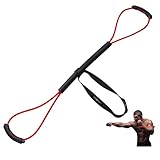
So, you want to get your boxing on, but you don’t have a heavy bag? No problem! You absolutely can get a killer boxing workout in without one. I’m here to tell you that you can build strength, improve your cardio, and hone your boxing skills right at home, even if you’re bag-less.
This guide breaks down everything you need to know. We’ll cover essential exercises, shadow boxing techniques, and how to structure your workouts for maximum impact. You’ll learn how to build a routine that challenges you, keeps you engaged, and helps you achieve your boxing goals without needing any specialized equipment.
Ready to get started? Let’s lace up those imaginary gloves and get to work!
Understanding the Advantages of Bag-Free Boxing Workouts
Many people assume a heavy bag is essential for boxing training. While it’s a great tool, it’s not the only way to get in a fantastic workout. In fact, bag-free workouts offer several advantages, making them a valuable part of any boxer’s training regimen.
- Accessibility: You can work out anywhere, anytime. No need for a gym or specialized equipment.
- Focus on Technique: Without a bag to hit, you’ll concentrate more on your form, footwork, and overall technique. This is crucial for building a solid foundation.
- Injury Prevention: Bag work can be tough on your joints. Bag-free workouts often involve less impact, reducing the risk of injuries.
- Variety: You can incorporate a wider range of exercises and drills, keeping your workouts fresh and engaging.
Essential Equipment (or Lack Thereof!)
The beauty of bag-free boxing is its simplicity. You don’t need much. Here’s what you’ll want to have on hand:
- Jump Rope: A great warm-up and cardio tool.
- Boxing Gloves: Protect your hands, even for shadow boxing.
- Hand Wraps: Essential for hand and wrist support.
- Comfortable Workout Clothes: Something that allows for a full range of motion.
- Water Bottle: Stay hydrated!
- Timer: For interval training. A smartphone timer works perfectly.
- Mirror (Optional): Helps you check your form during shadow boxing.
Warm-Up: Preparing Your Body
Before any boxing workout, a proper warm-up is crucial. It prepares your muscles for activity, increases blood flow, and reduces the risk of injury. Here’s a sample warm-up routine: (See Also: How To Hang Boxing Bag Without Hook )
- Jumping Jacks: 2 minutes. Get your heart rate up.
- Arm Circles: 1 minute forward, 1 minute backward. Loosen up your shoulders.
- Wrist Rotations: 1 minute each direction.
- Shoulder Rotations: 1 minute each direction.
- Neck Rotations: Gently rotate your head side to side and up and down.
- High Knees: 1 minute.
- Butt Kicks: 1 minute.
- Dynamic Stretching: Include leg swings (forward, side), torso twists, and arm swings. 5 minutes.
Shadow Boxing: The Core of Bag-Free Training
Shadow boxing is the cornerstone of bag-free boxing. It’s where you practice your technique, footwork, and combinations without any impact. Focus on these key elements:
- Stance: Maintain a proper boxing stance. Feet shoulder-width apart, lead foot slightly forward, knees bent, hands up, chin tucked.
- Footwork: Practice moving around the “ring.” Step, pivot, shuffle.
- Basic Punches: Practice your jab, cross, hook, and uppercut. Focus on proper form: rotating your hips, keeping your guard up, and snapping your punches.
- Combinations: Put punches together. Start with simple combinations like jab-cross, then move to more complex ones.
- Defense: Practice slipping, rolling, and blocking punches.
- Visualization: Imagine you’re in the ring with an opponent. React to their moves.
Shadow Boxing Drills
Vary your shadow boxing routine with these drills:
- Speed Rounds: Focus on throwing as many punches as possible with good form.
- Power Rounds: Focus on throwing powerful punches, emphasizing hip rotation and follow-through.
- Combination Rounds: Practice specific combinations repeatedly.
- Footwork Drills: Focus on moving around the “ring” – forward, backward, side to side, and pivoting.
- Defense Drills: Practice slipping, rolling, and blocking punches.
Cardio and Conditioning Exercises
Boxing is a demanding sport that requires excellent cardiovascular fitness and overall conditioning. Incorporate these exercises into your bag-free workout:
- Jump Rope: This is a boxing staple. Start with short intervals and gradually increase the duration.
- Burpees: A full-body exercise that combines a squat, push-up, and jump.
- Mountain Climbers: A great cardio and core exercise.
- High Knees: Improves cardio and works your legs.
- Butt Kicks: Another cardio exercise.
- Jumping Jacks: Easy, but effective.
- Running or Sprinting: If you have access to a running track or open space, incorporate interval sprints.
Strength Training: Building a Powerful Punch
Strength training is essential for developing power and endurance in your punches. You don’t need a gym; bodyweight exercises are very effective.
- Push-ups: A classic exercise for chest, shoulders, and triceps. Vary the hand position for different muscle emphasis.
- Plank: Develops core strength, critical for balance and power.
- Squats: Builds leg strength and power.
- Lunges: Works your legs and improves balance.
- Dips: Use a chair or bench to work your triceps and chest.
- Crunches: Works your abdominal muscles.
- Russian Twists: Improves core strength and rotational power.
- Bodyweight Rows: Use a sturdy table or bar to work your back muscles.
Sample Bag-Free Boxing Workout Routine
Here’s a sample workout routine you can follow. Adjust the times and exercises to fit your fitness level and goals. (See Also: Is Undisputed Boxing Crossplay )
- Warm-up: 5 minutes (as described above)
- Jump Rope: 3 rounds of 3 minutes with 1-minute rest
- Shadow Boxing:
- Round 1: 3 minutes – Jab-cross
- Round 2: 3 minutes – Jab-cross-hook
- Round 3: 3 minutes – Footwork and defense
Rest 1 minute between rounds.
- Strength Training:
- Push-ups: 3 sets of as many reps as possible (AMRAP)
- Squats: 3 sets of 15 reps
- Plank: 3 sets, hold for 30-60 seconds
- Lunges: 3 sets of 10 reps per leg
- Cardio:
- Burpees: 3 rounds of 1 minute with 30-second rest
- Mountain Climbers: 3 rounds of 1 minute with 30-second rest
- Cool-down and Stretching: 5 minutes
Advanced Techniques and Drills
Once you’ve mastered the basics, you can elevate your bag-free training with these advanced techniques and drills:
- Focus Mitts (If Available): If you have a partner, using focus mitts is a fantastic way to practice your punches and combinations with resistance and feedback.
- Partner Shadow Boxing: Shadow box with a partner. One person throws punches, and the other practices defense.
- Reaction Drills: Have a partner call out punches or combinations, and react accordingly.
- Footwork Drills with Cones: Set up cones to practice footwork patterns and agility.
- Visualization and Mental Training: Visualize yourself in the ring, executing your punches and defense flawlessly.
Nutrition and Hydration: Fueling Your Workouts
Proper nutrition and hydration are essential for optimal performance and recovery. Here’s what you need to keep in mind:
- Hydration: Drink plenty of water throughout the day, especially before, during, and after your workouts.
- Balanced Diet: Eat a diet rich in fruits, vegetables, lean protein, and complex carbohydrates.
- Pre-Workout Meal: Eat a meal 1-2 hours before your workout that includes carbohydrates for energy and protein for muscle support.
- Post-Workout Meal: Consume a meal or snack within an hour after your workout to replenish glycogen stores and aid muscle recovery. Include protein and carbohydrates.
- Supplements (Optional): Consider supplements like creatine, protein powder, or branched-chain amino acids (BCAAs) to support your training and recovery, but consult with a healthcare professional before taking any supplements.
Common Mistakes to Avoid
Here are some common mistakes to avoid during your bag-free boxing training:
- Poor Form: Always prioritize proper form over speed or power. Bad habits are hard to break.
- Neglecting Footwork: Footwork is crucial in boxing. Don’t neglect footwork drills.
- Skipping Warm-up: A proper warm-up is essential to prevent injuries.
- Over-Training: Listen to your body and take rest days when needed.
- Lack of Variety: Keep your workouts interesting by varying your exercises and drills.
Progression and Adaptation
To keep making progress, you need to progressively overload your workouts. This means gradually increasing the intensity, duration, or difficulty of your exercises. Here’s how to do it:
- Increase Workout Duration: Add more rounds to your shadow boxing or cardio sessions.
- Increase the Intensity: Throw punches harder, move faster, and increase the pace of your drills.
- Add More Resistance: Use resistance bands during your strength training.
- Increase the Complexity: Learn more complex combinations and incorporate more advanced drills.
- Listen to Your Body: Don’t push yourself too hard, especially when you’re starting. Rest and recovery are crucial for progress.
Training Schedule and Consistency
Consistency is key to seeing results. Create a realistic training schedule and stick to it. Here’s a sample weekly schedule: (See Also: How To Boxing Hand Wraps Guide )
| Day | Activity |
|---|---|
| Monday | Bag-Free Boxing Workout (as described above) |
| Tuesday | Cardio (running, jump rope, etc.) |
| Wednesday | Strength Training |
| Thursday | Bag-Free Boxing Workout |
| Friday | Active Recovery (light cardio, stretching) |
| Saturday | Rest |
| Sunday | Long Run or Cross-Training |
Remember, this is just a sample schedule. Adjust it to fit your personal preferences, goals, and schedule.
Finding Motivation and Staying Consistent
Staying motivated and consistent can be challenging. Here are some tips to help you stay on track:
- Set Realistic Goals: Start with achievable goals and gradually increase the difficulty.
- Track Your Progress: Keep a training journal to monitor your workouts and track your improvements.
- Find a Training Partner: Training with a friend can help you stay accountable and motivated.
- Join a Boxing Community (Online or Offline): Connect with other boxers for support and inspiration.
- Reward Yourself: Celebrate your accomplishments to stay motivated.
- Mix it Up: Keep your workouts interesting by varying your exercises and drills.
- Listen to Music: Create a playlist of high-energy music to get you pumped up.
- Focus on the Process: Enjoy the journey and celebrate small victories.
Troubleshooting and Injury Prevention
Even with careful planning, injuries can happen. Here’s how to prevent and address common issues:
- Proper Warm-up and Cool-down: Always warm up before your workouts and cool down afterward.
- Listen to Your Body: Don’t push through pain. Rest when needed.
- Use Proper Form: Focus on correct technique to avoid strain.
- Wear Protective Gear: Use hand wraps and gloves, even for shadow boxing.
- Gradual Progression: Increase the intensity and duration of your workouts gradually.
- Stay Hydrated: Dehydration can increase your risk of injury.
- Seek Professional Advice: If you experience any persistent pain, consult a doctor or physical therapist.
Combining Bag-Free Workouts with Other Forms of Exercise
Bag-free boxing workouts can be a fantastic part of a broader fitness regimen. Consider incorporating these activities:
- Cross-Training: Activities like swimming, cycling, or yoga can improve your overall fitness and help you recover.
- Strength Training: Building strength is crucial for boxing. Incorporate weightlifting or bodyweight exercises.
- Flexibility Training: Stretching and yoga can improve your range of motion and reduce your risk of injury.
- Cardio: Running, swimming, or other forms of cardio can enhance your cardiovascular fitness.
The Importance of Rest and Recovery
Rest and recovery are just as important as the workouts themselves. Your body needs time to repair and rebuild muscle tissue. Here’s how to incorporate rest and recovery into your training:
- Rest Days: Take at least one or two rest days per week.
- Active Recovery: On rest days, engage in light activities like walking or stretching.
- Sleep: Get 7-9 hours of sleep per night.
- Nutrition: Eat a balanced diet to support muscle recovery.
- Listen to Your Body: If you’re feeling tired or sore, take a break.
Verdict
Bag-free boxing workouts are a fantastic way to train, improve your fitness, and develop your boxing skills. By focusing on technique, footwork, and conditioning, you can achieve your boxing goals without needing a heavy bag. Remember to prioritize proper form, listen to your body, and stay consistent with your training. With dedication and hard work, you can build a powerful and effective boxing workout routine, wherever you are.
So, get out there, start shadow boxing, and enjoy the journey! You’ve got this!