Shadow boxing. It’s the unsung hero of boxing training. Often overlooked, it’s the foundation upon which all other skills are built. But let’s be honest, just flailing around in front of a mirror isn’t going to cut it. To truly ‘win’ at shadow boxing, you need a plan, a purpose, and a commitment to improvement.
This isn’t just about throwing punches; it’s about refining your technique, building muscle memory, and visualizing your success in the ring. I’m going to share with you a detailed roadmap. We’ll explore the crucial elements that separate good shadow boxing from truly effective shadow boxing. Get ready to transform your training and elevate your game. Let’s get started!
The Fundamentals of Winning Shadow Boxing
Before we get into the advanced stuff, let’s nail down the basics. These are the cornerstones upon which your shadow boxing prowess will be built. Neglecting these is like trying to build a house on sand – it just won’t work.
Stance and Footwork
Your stance is your foundation. It’s the position from which you’ll launch your attacks and defend yourself. A proper stance provides balance, power, and agility. The classic boxing stance involves a slightly bladed position, with your lead foot pointing towards your opponent (imaginary in this case) and your rear foot at about a 45-degree angle. Your feet should be shoulder-width apart, knees slightly bent, and weight evenly distributed. This allows for quick movement in any direction.
Footwork is the key to controlling distance and angles. Practice shuffling, pivoting, and stepping in and out. Imagine your opponent and move around them, cutting off their angles or creating your own. Footwork drills are essential. Practice the ‘box step’ (moving your feet in a square pattern), the pivot (turning on your lead foot), and the shuffle (sliding your feet without crossing them). A good drill is the ‘shadow boxing triangle’ – move in a triangle around an imaginary opponent, working on footwork and combinations.
Guard and Hand Positioning
Your guard is your shield. It protects you from your opponent’s attacks. Keep your hands up, near your face, elbows tucked in, and chin down. This protects your most vulnerable areas. Don’t let your hands drop! Even when throwing punches, quickly return your hands to the guard position. This is a crucial habit to develop.
Always be aware of your hands’ position. Your lead hand should be close to your face, covering your cheek. Your rear hand should be near your chin, ready to block or counter. This constant awareness is vital in a real fight. Practice keeping your guard up even when you are fatigued; it’s a critical part of your defense.
Breathing and Rhythm
Breathing might seem simple, but it’s crucial for endurance and power. Exhale sharply as you throw a punch, and inhale through your nose. This helps to release tension and generate power. Don’t hold your breath! That will tire you out quickly.
Develop a consistent rhythm. Shadow boxing is like a dance. Find a rhythm that works for you, and stick to it. This rhythm will also help with your timing and coordination. Use the rhythm to synchronize your breathing with your movements. This will improve your stamina and make your punches more effective.
Developing Effective Shadow Boxing Routines
Now that we have the fundamentals down, let’s explore how to create effective shadow boxing routines. This is where you start to personalize your training and focus on specific areas of improvement.
Warm-Up and Cool-Down
Always start with a proper warm-up. This prepares your body for the workout and helps prevent injuries. Include dynamic stretching, such as arm circles, leg swings, and torso twists. A light cardio session, like jumping jacks or jogging in place, is also beneficial.
After your shadow boxing session, cool down with static stretching, holding each stretch for 20-30 seconds. This helps to improve flexibility and reduce muscle soreness. Don’t skip the warm-up or cool-down; they are essential for your overall well-being and performance.
Punch Combinations
Practice a variety of punch combinations. Don’t just throw single punches. Combine punches in different sequences, like jab-cross, jab-cross-hook, or jab-cross-hook-uppercut. The more combinations you practice, the more versatile you’ll become in the ring. Vary the speed and power of your punches to keep things interesting.
Here are some examples of combinations to get you started:
- Jab-Cross
- Jab-Cross-Hook
- Jab-Cross-Hook-Uppercut
- Cross-Hook-Cross
- Lead Uppercut-Cross-Hook
Experiment with different combinations and find what works best for you. Focus on smooth transitions between punches and maintaining your guard throughout.
Footwork Drills Within Your Routine
Incorporate footwork drills into your shadow boxing routine. This will improve your agility, balance, and ability to move around your opponent. Don’t just stand in one place; move around the imaginary opponent, working on your footwork.
Try these footwork drills:
- Shuffle: Move sideways, forwards, and backwards while maintaining your stance.
- Pivot: Turn on your lead foot to change your angle.
- In-and-Out: Step in and out, simulating attacking and retreating.
- Triangle: Move around an imaginary opponent in a triangular pattern.
Footwork is as important as punch combinations. By practicing these drills regularly, you will significantly improve your movement and control in the ring. (See Also: Does Shadow Boxing Really Work )
Defensive Drills
Don’t neglect your defense! Shadow boxing is an excellent opportunity to practice defensive techniques. Visualize your opponent throwing punches and react accordingly.
Practice these defensive techniques:
- Blocking: Block punches with your gloves.
- Slipping: Move your head to the side to avoid punches.
- Weaving: Duck under punches.
- Parrying: Redirect your opponent’s punches.
Defensive skills are just as important as offensive skills. By incorporating defensive drills into your routine, you’ll become a more well-rounded fighter.
Rounds and Rest Periods
Structure your shadow boxing sessions like a real fight. Use rounds and rest periods to simulate the demands of a match. This will improve your endurance and mental toughness.
Start with 3-minute rounds with 1-minute rest periods. Gradually increase the number of rounds and decrease the rest periods as you improve your fitness. This will help you to build your stamina and prepare you for the rigors of competition. Remember, consistency is key!
Visualizing Success: Mental Training
Shadow boxing isn’t just a physical workout; it’s also a mental one. Visualization is a powerful tool that can help you improve your performance and build confidence. Use your shadow boxing sessions to visualize your success in the ring.
Visualization Techniques
Close your eyes and imagine yourself in the ring. See yourself moving, throwing punches, and defending yourself effectively. Visualize your opponent and anticipate their moves. Imagine landing your punches with power and precision. Feel the energy and excitement of the fight.
Focus on your goals. Visualize yourself achieving your goals, whether it’s winning a fight, improving your technique, or building your confidence. The more you visualize your success, the more likely you are to achieve it. Use all your senses; see, hear, and feel the fight.
Mental Toughness
Shadow boxing is a great opportunity to build mental toughness. Push yourself during your sessions. Focus on your breathing, maintain your guard, and keep moving, even when you’re tired. This will help you to develop the mental fortitude you need to succeed in the ring.
When you feel like quitting, push through the fatigue. Remind yourself of your goals and why you’re training. Mental toughness is crucial for success in boxing. It’s the ability to persevere through adversity and never give up.
Confidence Building
Use shadow boxing to build your confidence. As you improve your technique and visualize your success, you’ll start to feel more confident in your abilities. Believe in yourself and your training. Confidence is a key ingredient for success in boxing. Believe that you can win!
Celebrate your progress and acknowledge your accomplishments. This will help you to build a positive self-image and further boost your confidence. Shadow boxing can be a journey of self-discovery, helping you to build both physical and mental strength.
Advanced Shadow Boxing Strategies
Once you’ve mastered the basics, it’s time to take your shadow boxing to the next level. These advanced strategies will help you refine your technique and gain a competitive edge.
Analyzing Your Opponent
Before you even step into the ring, study your opponent. Analyze their fighting style, strengths, and weaknesses. What are their favorite combinations? What are their tendencies? Where are their vulnerabilities?
Use this information to develop a game plan. During your shadow boxing sessions, practice techniques that will exploit your opponent’s weaknesses and neutralize their strengths. This will give you a significant advantage in the ring. Knowledge is power, so use it wisely.
Technical Refinement
Focus on refining your technique. Pay attention to every detail of your movements, from your footwork to your punch delivery. Watch videos of professional boxers and try to emulate their techniques. Identify areas where you can improve and work on them consistently.
Focus on the details. Small adjustments can make a big difference. Are your punches rotating properly? Is your footwork efficient? Are you maintaining your guard? The more you refine your technique, the more effective you’ll become. (See Also: Are Boxing Classes Worth It )
Adding Resistance
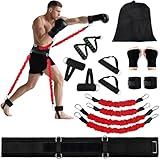
To increase the intensity of your shadow boxing, add resistance. This will help you build strength and power. Use resistance bands, light dumbbells, or shadow box with a weighted vest.
Resistance training will make your punches more powerful. It will also help you to build muscle and improve your endurance. Be careful not to overdo it, especially when starting. Increase the resistance gradually to avoid injury.
Incorporating Sparring Drills
If you have a sparring partner, incorporate sparring drills into your shadow boxing routine. This will help you to simulate the conditions of a real fight and improve your reaction time. Practice specific combinations and defensive techniques with your partner.
Sparring drills are an excellent way to prepare for a fight. They allow you to apply the techniques you’ve learned in a controlled environment. Focus on communication with your partner and practice proper technique. Sparring drills are important for developing your fighting instincts.
Film Yourself
One of the most effective ways to improve your shadow boxing is to film yourself. This allows you to see your movements from a different perspective and identify areas where you can improve. Watch your videos critically and make adjustments to your technique.
Filming yourself provides valuable feedback. You’ll be able to see your flaws and strengths. This will help you to make informed decisions about your training. Record yourself regularly to track your progress and identify areas for improvement.
Common Mistakes and How to Avoid Them
Even experienced boxers make mistakes. Here are some common pitfalls in shadow boxing and how to avoid them.
Poor Form
Focus on maintaining proper form throughout your shadow boxing sessions. Avoid sloppy technique. This can lead to bad habits and injuries. Pay attention to your footwork, guard, and punch delivery. If you’re unsure about your form, ask a coach or experienced boxer for feedback.
Correcting poor form takes time and effort. Be patient with yourself and focus on making small improvements. The goal is to develop good habits that will serve you well in the ring.
Lack of Focus
Stay focused during your shadow boxing sessions. Don’t let your mind wander. This is your time to train and improve. Visualize your opponent and focus on your technique. Distractions can derail your training and hinder your progress. Dedication is key to success.
If you find yourself getting distracted, take a break and refocus. Remind yourself of your goals and why you’re training. Staying focused is a skill that you can develop with practice.
Insufficient Intensity
Push yourself during your shadow boxing sessions. Don’t go through the motions. Increase the intensity of your workouts by adding resistance, increasing the number of rounds, or decreasing the rest periods. Challenge yourself to improve your fitness and performance.
Intensity is crucial for building stamina and power. If you’re not pushing yourself, you’re not making the most of your training. Find a balance between pushing yourself and avoiding overtraining. Listen to your body and adjust your training accordingly.
Ignoring Weaknesses
Don’t ignore your weaknesses. Focus on improving the areas where you struggle. If you have a weak jab, spend extra time working on it. If your footwork is slow, practice footwork drills. Addressing your weaknesses will make you a more well-rounded fighter.
Identify your weaknesses and develop a plan to address them. This might involve working with a coach, watching videos, or practicing specific drills. Don’t be afraid to ask for help. Everyone has weaknesses; the key is to address them.
Lack of Consistency
Consistency is key to success in boxing. Make shadow boxing a regular part of your training routine. Train consistently, even when you don’t feel like it. The more you train, the better you’ll become. Consistency builds discipline and reinforces good habits.
Create a schedule and stick to it. Even short, regular shadow boxing sessions are better than infrequent, long ones. Consistency is the foundation of any successful training program. Make shadow boxing a habit. (See Also: Does Boxing Classes Help With Weight Loss )
Putting It All Together: A Winning Shadow Boxing Strategy
Now that we’ve covered the key elements of effective shadow boxing, let’s put it all together into a winning strategy. This is a framework you can adapt to your own needs and goals.
The Weekly Schedule
Allocate time for shadow boxing several times per week. The specific number of sessions will depend on your training schedule, but aim for at least three sessions per week. Vary the duration and intensity of your sessions to prevent overtraining.
Consistency is the key. Make shadow boxing a regular part of your training routine. This will help you to build the muscle memory and mental toughness you need to succeed. Plan your week to accommodate your training.
Warm-Up and Cool-Down Every Time
Always begin and end your shadow boxing sessions with proper warm-up and cool-down routines. This will help to prevent injuries and improve your flexibility. The warm-up should include dynamic stretching and light cardio. The cool-down should include static stretching.
Don’t skip these essential elements. They are crucial for your overall health and performance. Properly preparing your body is as important as the workout itself.
Variety Is Key
Vary your shadow boxing routines to keep things interesting and challenging. Don’t do the same routine every time. Incorporate different punch combinations, footwork drills, and defensive techniques. This will help you to avoid boredom and prevent plateaus.
Variety keeps your training fresh and engaging. It also helps you to develop a wider range of skills. Experiment with different routines and find what works best for you. Change things up regularly to keep your body guessing.
Focus on Weaknesses
Dedicate time to work on your weaknesses. If you struggle with a particular punch or defensive technique, spend extra time practicing it. This will help you to become a more well-rounded fighter. Identify the areas where you need the most improvement.
Don’t be afraid to ask for help from a coach or experienced boxer. They can provide valuable feedback and help you to improve your technique. Addressing your weaknesses is essential for long-term success.
Record and Review
Record your shadow boxing sessions to track your progress and identify areas for improvement. Review your videos critically and make adjustments to your technique. This will help you to refine your movements and develop good habits.
Filming yourself provides invaluable feedback. It allows you to see your flaws and strengths. This will help you to make informed decisions about your training. Make it a habit to record your sessions regularly.
Listen to Your Body
Pay attention to your body and rest when needed. Overtraining can lead to injuries and burnout. Don’t be afraid to take a rest day when you need it. Listen to your body’s signals.
Recovery is just as important as training. Adequate rest and nutrition are essential for optimal performance. Don’t push yourself too hard. Balance training with rest and recovery.
By following these strategies and consistently applying yourself, you’ll not only ‘win’ at shadow boxing, but you’ll also build the skills, confidence, and mental fortitude to succeed in the ring. Shadow boxing is an integral part of the journey. Embrace it, and let it transform you into the best fighter you can be!
Final Verdict
Shadow boxing is more than just practice; it’s a vital tool for any boxer. By focusing on the fundamentals like stance, footwork, and guard, you build a solid foundation. Incorporating structured routines with combinations, footwork drills, and defensive maneuvers allows for focused improvement. Remember to visualize success, build mental toughness, and boost your confidence through consistent effort.
Embrace the process of self-assessment by filming your sessions and constantly seeking ways to refine your technique. Avoid common pitfalls by maintaining proper form, staying focused, and pushing yourself while listening to your body. Consistency, variety, and a dedication to addressing your weaknesses are the cornerstones of victory. With these strategies, you’ll not only excel in shadow boxing but also become a more skilled and confident fighter.