Shadow boxing. The unsung hero of boxing training. It’s where the magic happens, where raw potential starts to take shape. But how much of this magic do you really need? How many rounds of shadow boxing is the sweet spot for maximum benefit? We’re going to break it down, looking at everything from the basic principles to advanced techniques, ensuring you get the most out of every minute.
Shadow boxing isn’t just about throwing punches; it’s a dynamic dance. It’s a chance to refine your technique, build stamina, and visualize your fight strategy. The right number of rounds can significantly impact your progress. Get ready to learn the optimal duration and structure for your shadow boxing sessions, and how to tailor them to your specific goals, experience level, and physical condition.
The Fundamentals of Shadow Boxing
Before we dive into the specifics of round numbers, let’s refresh our understanding of shadow boxing itself. It’s the art of boxing without an opponent, a personal practice that allows you to focus on form, footwork, and strategy. It’s the bedrock of a boxer’s training regimen, essential for developing and maintaining skills.
Why Shadow Box? The Core Benefits
Shadow boxing offers a multitude of benefits, making it an indispensable part of any boxer’s training. Here’s why it’s so crucial:
- Technical Refinement: Shadow boxing allows you to meticulously analyze and perfect your punches, footwork, and defensive movements. Without the pressure of a live opponent, you can focus on the nuances of your technique.
- Muscle Memory Development: Repetition is key in boxing. Shadow boxing builds muscle memory, ensuring your movements become second nature. This allows you to react instinctively in the ring.
- Cardiovascular Conditioning: Shadow boxing is a fantastic cardiovascular workout. It elevates your heart rate, improving stamina and endurance. This is crucial for maintaining energy throughout a fight.
- Strategic Thinking: Shadow boxing is a great way to visualize fight scenarios, practice combinations, and develop your ring IQ. You can simulate different opponents and adapt your strategy accordingly.
- Warm-Up and Cool-Down: Shadow boxing serves as an excellent warm-up before a training session and a cool-down afterward, helping to prepare your body for more intense activity and aiding in recovery.
Essential Elements of a Good Shadow Boxing Session
To get the most out of your shadow boxing, it’s essential to incorporate these elements:
- Proper Form: Focus on maintaining good form throughout your punches, footwork, and defensive maneuvers. This prevents bad habits from forming.
- Footwork: Practice your footwork drills, such as lateral movement, pivots, and slips, as these are critical for positioning and avoiding punches.
- Combinations: Use a variety of punch combinations, such as jab-cross, hook-uppercut, and body shots, to develop your offensive skills.
- Defense: Practice defensive techniques, such as slipping punches, blocking, and parrying, to improve your ability to avoid strikes.
- Visualization: Imagine you’re in the ring with a real opponent. Visualize their movements, anticipate their attacks, and react accordingly.
- Rhythm and Timing: Work on your rhythm and timing, varying the speed and intensity of your punches to keep your opponent guessing.
How Many Rounds? The Ideal Duration
The number of rounds you do in shadow boxing can vary depending on your experience, goals, and the overall structure of your training program. There’s no one-size-fits-all answer, but here are some guidelines.
Beginner’s Guide to Rounds
If you’re new to boxing, start with shorter sessions to build a solid foundation. Focus on mastering the basics without overexerting yourself.
- Rounds: 3-5 rounds.
- Round Length: 2-3 minutes per round.
- Rest: 1 minute rest between rounds.
- Focus: Technique, form, and basic combinations.
- Why: This allows you to focus on the basics and prevent overtraining.
Intermediate Shadow Boxing Schedule
As you gain experience, you can increase the duration and intensity of your shadow boxing sessions.
- Rounds: 6-8 rounds.
- Round Length: 3 minutes per round.
- Rest: 1 minute rest between rounds.
- Focus: Advanced combinations, defensive techniques, and strategic thinking.
- Why: This helps improve stamina and develop more complex skills.
Advanced Shadow Boxing Regimen
For experienced boxers, shadow boxing can be a key part of maintaining peak performance. (See Also: Does Shadow Boxing Really Work )
- Rounds: 8-12 rounds.
- Round Length: 3 minutes per round.
- Rest: 1 minute rest between rounds.
- Focus: High intensity, strategic visualization, and refining existing skills.
- Why: This provides a comprehensive workout that simulates the demands of a fight.
Structuring Your Shadow Boxing Session
The structure of your shadow boxing session is just as important as the number of rounds. Consider these factors:
Warm-Up
Always start with a proper warm-up to prepare your body for exercise. This will help reduce the risk of injury and improve your performance. A good warm-up should take 5-10 minutes and should include:
- Light Cardio: Such as jogging in place, jumping jacks, or shadow boxing at a low intensity.
- Dynamic Stretching: Arm circles, leg swings, torso twists, and other movements that prepare your muscles for action.
- Shadow Boxing (Light): Start with a few rounds of shadow boxing at a low intensity, focusing on technique and form.
Main Session
This is where you’ll focus on the core elements of shadow boxing, such as technique, combinations, and footwork. Vary the intensity and focus throughout your rounds to keep things interesting and challenging.
- Round 1-2: Focus on technique and form. Throw basic punches, practice footwork, and work on your stance.
- Round 3-4: Increase the intensity and work on combinations. Mix up your punches and practice defensive maneuvers.
- Round 5-6: Focus on strategic thinking and visualization. Imagine you’re in the ring with a real opponent and practice your fight plan.
- Round 7-8: Increase the intensity again, working on speed, power, and endurance.
Cool-Down
Finish with a cool-down to help your body recover. This should include:
- Static Stretching: Hold each stretch for 20-30 seconds to improve flexibility and reduce muscle soreness.
- Light Cardio: Such as walking or light shadow boxing.
Advanced Techniques and Variations
Once you’ve mastered the basics, you can incorporate advanced techniques and variations to make your shadow boxing sessions more challenging and effective.
Adding Resistance
Using resistance can enhance your strength and power. Here are a few ways to add resistance to your shadow boxing:
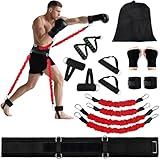
- Resistance Bands: Attach resistance bands to your arms or legs to increase the difficulty of your punches and footwork.
- Light Dumbbells: Hold light dumbbells (1-3 pounds) in your hands to increase the weight and resistance of your punches.
- Weighted Vest: Wear a weighted vest to increase the overall weight and intensity of your workout.
Incorporating Equipment
Using equipment can help you develop specific skills and refine your technique:
- Heavy Bag: After shadow boxing, hit the heavy bag to practice your power and combinations.
- Speed Bag: Practice your hand speed and coordination with the speed bag.
- Double End Bag: Improve your timing, accuracy, and head movement with the double end bag.
Focusing on Specific Skills
Target specific skills to improve your overall boxing performance: (See Also: Are Boxing Classes Worth It )
- Footwork Drills: Practice footwork drills such as lateral movement, pivots, and slips.
- Defensive Drills: Work on your defensive techniques, such as slipping punches, blocking, and parrying.
- Combination Drills: Practice various punch combinations, such as jab-cross, hook-uppercut, and body shots.
The Importance of Rest and Recovery
Rest and recovery are just as important as the training itself. Allowing your body time to recover will help you avoid injuries and improve your performance.
How Much Rest?
During shadow boxing, take a 1-minute rest between rounds. This allows you to catch your breath, hydrate, and prepare for the next round. Outside of training, aim for 7-9 hours of sleep per night to allow your body to recover and rebuild.
Nutrition and Hydration
Proper nutrition and hydration are essential for optimal performance and recovery. Drink plenty of water throughout the day, especially before, during, and after your training sessions. Eat a balanced diet that includes plenty of protein, carbohydrates, and healthy fats.
Listen to Your Body
Pay attention to your body and take rest days when needed. If you’re feeling tired or sore, take a break. Overtraining can lead to injuries and burnout.
Adapting to Your Goals and Needs
Your shadow boxing routine should be tailored to your specific goals and needs. Whether you’re training for a fight, improving your fitness, or simply enjoying the sport, adjust your routine accordingly.
For Competition
If you’re training for a fight, your shadow boxing should mimic the demands of a real bout. Increase the number of rounds, intensity, and focus on strategic visualization. Practice your fight plan and visualize your opponent’s movements.
For Fitness
If your primary goal is fitness, focus on high-intensity workouts that elevate your heart rate and improve your stamina. Incorporate interval training and vary the intensity of your rounds.
For Skill Development
If you’re focused on skill development, dedicate time to refining your technique, practicing combinations, and working on specific skills. Use video analysis to identify areas for improvement. (See Also: Does Boxing Classes Help With Weight Loss )
Adjusting for Injuries and Limitations
If you have any injuries or limitations, adjust your routine accordingly. Avoid movements that aggravate your injury and focus on exercises that you can perform safely. Consult with a healthcare professional or coach for guidance.
Common Mistakes to Avoid
To maximize the effectiveness of your shadow boxing sessions, avoid these common mistakes:
- Poor Form: Always prioritize proper form over speed or power. Bad habits can be difficult to break.
- Lack of Focus: Stay focused and engaged throughout your session. Avoid distractions and concentrate on your technique and strategy.
- Insufficient Warm-Up: Always warm up properly before shadow boxing to reduce the risk of injury.
- Ignoring Rest and Recovery: Allow your body adequate time to rest and recover. Overtraining can lead to injuries and burnout.
- Not Varying Your Routine: Keep your routine fresh by varying the intensity, combinations, and focus of your rounds.
Shadow Boxing vs. Other Training Methods
Shadow boxing is a cornerstone of boxing training, but it’s most effective when combined with other training methods.
Shadow Boxing and Heavy Bag Work
Shadow boxing helps to refine your technique and strategy. Heavy bag work builds power and endurance. Combining the two is a powerful combination.
Shadow Boxing and Sparring
Sparring provides real-world experience and allows you to test your skills against a live opponent. Shadow boxing can be used to prepare for sparring sessions, focusing on specific techniques and strategies.
Shadow Boxing and Conditioning
Shadow boxing improves your cardiovascular fitness and stamina. Supplement this with other conditioning exercises, such as running, jumping rope, and bodyweight exercises, to develop overall fitness.
Maximizing Your Shadow Boxing Results
To get the most out of your shadow boxing, consider these tips:
- Record Yourself: Use your phone or a camera to record your shadow boxing sessions. This allows you to analyze your form and identify areas for improvement.
- Work with a Coach: A coach can provide valuable feedback and guidance, helping you to refine your technique and develop your strategy.
- Set Goals: Set specific goals for each shadow boxing session, such as improving your footwork or practicing a specific combination.
- Stay Consistent: Consistency is key. Make shadow boxing a regular part of your training routine to see the best results.
- Stay Disciplined: Stick to your routine, even when you don’t feel like it. Discipline is essential for success.
Sample Shadow Boxing Routines
Here are a few sample shadow boxing routines, tailored to different experience levels:
Beginner Routine (3 Rounds)
- Round 1: Focus on stance, basic punches (jab, cross), and footwork.
- Round 2: Add in basic combinations (jab-cross, jab-cross-hook), working on form.
- Round 3: Focus on defense, slipping punches, and light movement.
Intermediate Routine (6 Rounds)
- Round 1: Warm-up, light shadow boxing, focus on stance and footwork.
- Round 2: Basic combinations, increasing speed and power.
- Round 3: Defensive drills, slipping punches, blocking, and parrying.
- Round 4: Combinations incorporating hooks and uppercuts.
- Round 5: Strategic visualization, imagining an opponent.
- Round 6: High intensity, focusing on speed and endurance.
Advanced Routine (10 Rounds)
- Round 1: Warm-up, light shadow boxing, focusing on technique and form.
- Round 2: Basic combinations, focusing on speed and power.
- Round 3: Defensive drills, incorporating head movement.
- Round 4: Combinations incorporating hooks, uppercuts, and body shots.
- Round 5: Footwork drills, incorporating lateral movement and pivots.
- Round 6: Strategic visualization, imagining a specific opponent.
- Round 7: High-intensity combinations, focusing on speed and power.
- Round 8: Focus on specific skills, such as counter-punching.
- Round 9: Combinations, mixing up the pace and intensity.
- Round 10: Cool-down, light shadow boxing.
Final Thoughts
So, how many rounds of shadow boxing is the right amount? The answer, as you’ve seen, is: it depends. Consider your experience, goals, and current fitness level. For beginners, 3-5 rounds is a great starting point. Intermediate boxers can aim for 6-8 rounds, and experienced fighters might go for 8-12 rounds. Remember to structure your sessions with a proper warm-up, focus on technique, and incorporate rest and recovery.
Ultimately, the key is consistency and adaptation. Listen to your body, adjust your routine as needed, and always strive to refine your skills. Shadow boxing is a journey of continuous improvement. Embrace it, and you’ll find yourself not only becoming a better boxer but also building valuable mental and physical resilience.