So, you’re looking to sharpen your boxing skills, and shadow boxing has caught your eye. Excellent choice! It’s a fantastic way to improve your technique, build stamina, and visualize your fights. But the question that often pops up is: how many rounds of shadow boxing should I do? The answer, as with many things in boxing, isn’t a simple one-size-fits-all. It depends on your fitness level, your goals, and how much time you can dedicate to training.
This guide will walk you through the factors to consider when determining the optimal number of shadow boxing rounds for you. We’ll explore different training phases, how to structure your sessions, and how to adjust your routine as you progress. Get ready to lace up those imaginary gloves and get ready to learn!
Shadow boxing is more than just throwing punches in the air; it’s a dynamic workout that can significantly boost your boxing performance. Let’s delve into how to maximize its benefits.
Understanding the Fundamentals of Shadow Boxing
Before we get into the specifics of round numbers, let’s make sure we’re on the same page about what shadow boxing *is* and why it’s so vital.
Shadow boxing is essentially practicing your boxing techniques without a physical opponent or heavy bag. You’re throwing punches, working on footwork, and practicing defensive maneuvers. It’s a solo exercise that allows you to focus on your form, speed, and overall boxing strategy.
The Benefits of Shadow Boxing
Shadow boxing offers a multitude of benefits:
- Improved Technique: Allows you to focus on your form without the pressure of a sparring partner or the impact of a heavy bag.
- Enhanced Speed and Power: Consistent practice helps build muscle memory, leading to faster and more powerful punches.
- Cardiovascular Fitness: Shadow boxing is a great cardio workout, improving your stamina and endurance.
- Mental Toughness: It helps you develop focus, discipline, and the ability to visualize your fights.
- Strategic Thinking: You can use shadow boxing to practice different combinations and strategies.
Key Elements of a Good Shadow Boxing Session
To get the most out of your shadow boxing, keep these elements in mind:
- Proper Form: Focus on maintaining good posture, keeping your hands up, and executing each punch correctly.
- Footwork: Practice moving around, pivoting, and stepping in and out to improve your agility.
- Combinations: Vary your punches, mixing jabs, crosses, hooks, and uppercuts.
- Defense: Include head movement, slips, and blocks to simulate defensive maneuvers.
- Visualization: Imagine you’re in the ring with a real opponent and visualize your strategy.
Determining the Right Number of Rounds
Now, let’s get to the main question: how many rounds of shadow boxing should you do? The answer is nuanced, depending on your experience, goals, and the overall structure of your training program.
Beginner Level
If you’re new to boxing or just starting with shadow boxing, it’s best to begin with shorter sessions to avoid overexertion and injury.
- Rounds: Start with 3 rounds.
- Round Length: 2 minutes per round.
- Rest: 1 minute rest between rounds.
- Focus: Concentrate on basic punches (jabs, crosses), footwork, and form.
- Progression: Gradually increase the round length to 3 minutes as you get more comfortable and your stamina improves.
Why this approach works: This allows you to focus on technique and build a base level of fitness without overwhelming your body. Short rounds also help you stay focused and maintain good form throughout the session. (See Also: Does Shadow Boxing Really Work )
Intermediate Level
Once you’ve built a solid foundation, you can increase the intensity and duration of your shadow boxing sessions.
- Rounds: Aim for 4-6 rounds.
- Round Length: 3 minutes per round.
- Rest: 1 minute rest between rounds.
- Focus: Incorporate more complex combinations, defensive drills, and strategic thinking.
- Progression: You can also add more sessions per week. For instance, if you were doing 3 sessions a week, try 4 or 5.
Why this approach works: This allows you to challenge yourself, improve your stamina, and refine your technique. It also gives you more time to practice different strategies and combinations.
Advanced Level
For experienced boxers or those preparing for a fight, shadow boxing becomes a critical part of the training regimen.
- Rounds: 6-12 rounds.
- Round Length: 3 minutes per round.
- Rest: 1 minute rest between rounds.
- Focus: High intensity, simulating a real fight, working on specific game plans, and focusing on speed and power.
- Progression: Vary your routines, incorporating different combinations, defensive drills, and strategic thinking.
Why this approach works: This is crucial for building fight-specific endurance, honing your skills, and preparing mentally for competition.
Structuring Your Shadow Boxing Session
A well-structured shadow boxing session is more effective than simply throwing punches for a set amount of time. Here’s a framework to help you organize your sessions:
Warm-Up (5-10 Minutes)
Start with a dynamic warm-up to prepare your body for exercise. This includes:
- Jumping jacks
- High knees
- Butt kicks
- Arm circles
- Shadow boxing with light punches and focusing on footwork
Shadow Boxing (as Per Your Level)
Follow the round and rest guidelines based on your experience level as described above. Focus on the elements discussed earlier: form, footwork, combinations, defense, and visualization.
Cool-Down (5-10 Minutes)
Cool down with some light shadow boxing, stretching, and deep breathing exercises. This helps to reduce muscle soreness and improve recovery.
Example Shadow Boxing Routine (intermediate Level)
Here’s a sample routine for someone at the intermediate level: (See Also: Are Boxing Classes Worth It )
- Warm-up: 5 minutes of dynamic stretching and light shadow boxing.
- Round 1: Focus on basic punches: Jabs and crosses, with good footwork.
- Round 2: Combinations: Jab, cross, hook, uppercut, and incorporating head movement.
- Round 3: Defensive drills: Slipping, blocking, and parrying.
- Round 4: Strategic thinking: Practicing a specific game plan, focusing on speed and power.
- Cool-down: 5 minutes of light shadow boxing and stretching.
Tips for Maximizing Your Shadow Boxing Sessions
Here are some tips to help you get the most out of your shadow boxing:
- Visualize Your Opponent: Imagine a specific opponent and visualize your strategy, anticipating their moves and reacting accordingly. This helps make your training more realistic and effective.
- Use a Mirror: Shadow boxing in front of a mirror allows you to check your form and identify any technical flaws.
- Record Yourself: Record your shadow boxing sessions and review them to identify areas for improvement. This helps you monitor your progress and make necessary adjustments.
- Focus on Breathing: Proper breathing is essential for maintaining stamina and power. Inhale deeply before each combination and exhale forcefully as you throw your punches.
- Vary Your Routine: Keep things interesting by changing your combinations, footwork, and defensive drills. This prevents boredom and helps you develop a wider range of skills.
- Listen to Music: Music can help you maintain a good rhythm and boost your motivation. Choose music with a consistent beat that matches your desired pace.
- Don’t Forget Footwork: Footwork is crucial in boxing. Practice moving around the “ring,” pivoting, and stepping in and out. This will improve your agility and overall boxing ability.
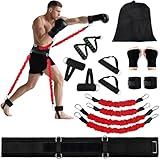
- Add Resistance Bands: Resistance bands are a great way to add intensity to your shadow boxing. They help build strength and improve your punching power and speed.
Integrating Shadow Boxing Into Your Overall Training Plan
Shadow boxing is a valuable tool, but it’s most effective when integrated into a comprehensive training plan. Here’s how to incorporate it:
Warm-Up and Cool-Down
Always include shadow boxing as part of your warm-up to prepare your muscles and joints for more strenuous activities. Use it in your cool-down to help your body recover.
Complement with Other Exercises
Combine shadow boxing with other training methods, such as:
- Heavy Bag Work: This helps you develop power and accuracy.
- Sparring: This allows you to apply your skills in a live setting.
- Strength and Conditioning: This improves your overall fitness and performance.
Rest and Recovery
Make sure to get adequate rest and recovery to allow your body to adapt and rebuild. Overtraining can lead to injuries and hinder your progress. Aim for at least one full rest day per week.
Example Weekly Training Schedule
Here’s a sample weekly training schedule for an intermediate boxer:
| Day | Activity |
|---|---|
| Monday | Shadow Boxing (6 rounds), Strength Training |
| Tuesday | Heavy Bag Work, Cardio |
| Wednesday | Rest |
| Thursday | Shadow Boxing (6 rounds), Sparring |
| Friday | Strength Training, Cardio |
| Saturday | Shadow Boxing (4 rounds), Technique Drills |
| Sunday | Rest or Active Recovery (light cardio) |
Common Mistakes to Avoid
Here are some mistakes that can hinder your shadow boxing progress:
- Rushing Your Punches: Focus on proper form and technique over speed.
- Neglecting Footwork: Footwork is just as important as punching; practice it regularly.
- Not Varying Your Routine: Keep things interesting and challenging by mixing up your combinations and drills.
- Ignoring Your Defense: Always include defensive maneuvers in your shadow boxing.
- Not Warming Up or Cooling Down: These are crucial for injury prevention and recovery.
By avoiding these common mistakes, you can significantly improve the effectiveness of your shadow boxing sessions.
Adapting Your Routine as You Progress
As you get more experienced, you’ll need to adjust your shadow boxing routine to keep challenging yourself and improving. Here’s how: (See Also: Does Boxing Classes Help With Weight Loss )
Increasing Intensity
Add intensity by:
- Increasing round length.
- Adding more rounds.
- Incorporating resistance bands.
- Focusing on speed and power.
Focusing on Specific Skills
Concentrate on the skills you want to improve, such as:
- Speed and agility.
- Punching combinations.
- Defensive techniques.
- Footwork drills.
Incorporating Fight Strategies
Practice specific game plans and strategies you’ll use in sparring or a real fight. This helps you prepare mentally and strategically.
Tools and Equipment That Can Help
While shadow boxing doesn’t require much equipment, certain tools can enhance your training.
- Boxing Gloves: Protect your hands, even when shadow boxing.
- Hand Wraps: Essential for protecting your hands and wrists.
- Mirror: Allows you to check your form.
- Timer: Helps you track your rounds and rest periods.
- Music: Provides motivation and helps you keep a rhythm.
- Resistance Bands: Add resistance to your punches and improve strength.
- Footwork Ladder: Improves agility and footwork skills.
Shadow Boxing for Weight Loss and Fitness
Shadow boxing is an excellent cardio workout that can help you burn calories and improve your overall fitness. It can be a great addition to a weight loss program.
How Shadow Boxing Helps
- Burns Calories: Shadow boxing can burn a significant number of calories, contributing to a calorie deficit.
- Improves Cardiovascular Health: It elevates your heart rate, improving cardiovascular fitness.
- Builds Muscle: Shadow boxing engages multiple muscle groups, helping to build lean muscle mass.
Tips for Weight Loss
- Combine with a Healthy Diet: A balanced diet is essential for weight loss.
- Maintain Consistency: Regular shadow boxing sessions are key to seeing results.
- Increase Intensity: Gradually increase the intensity of your workouts to burn more calories.
Shadow Boxing vs. Other Boxing Training Methods
Shadow boxing is a foundational exercise, but it’s just one piece of the puzzle. Here’s how it compares to other boxing training methods:
| Training Method | Benefits | When to Use |
|---|---|---|
| Shadow Boxing | Improves technique, speed, and endurance. | Warm-up, cool-down, skill development. |
| Heavy Bag Work | Develops power, accuracy, and punching combinations. | Building power, practicing combinations, conditioning. |
| Sparring | Develops fight skills, strategy, and adaptability. | After building a base of skills, preparing for fights. |
| Strength Training | Improves overall strength, power, and injury prevention. | Throughout the training program, focusing on key muscle groups. |
| Cardio | Improves cardiovascular fitness and endurance. | Throughout the training program, enhancing stamina. |
Each method serves a specific purpose, and the best training plan incorporates all of them.
Conclusion
So, how many rounds of shadow boxing should you do? The answer depends on your experience level and goals. Beginners should start with 3 rounds of 2 minutes each, while intermediate boxers can progress to 4-6 rounds of 3 minutes. Advanced boxers and those preparing for fights may do 6-12 rounds. Remember to focus on proper form, footwork, combinations, and defense, and always warm up and cool down.
Shadow boxing is a powerful tool for improving your boxing skills, building fitness, and developing mental toughness. By incorporating it into a well-rounded training plan and adjusting your routine as you progress, you’ll be well on your way to achieving your boxing goals. Consistency and proper technique are key. Now go out there and throw some punches!