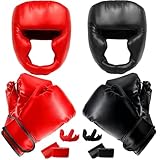
Ever wondered why boxers seem to have so many different pairs of gloves? It’s not just for show! One of the most critical aspects of boxing gloves is their weight, measured in ounces. This seemingly simple number dictates a lot, from the amount of protection offered to the power a punch can deliver. Choosing the right ounce gloves is essential for safety, training effectiveness, and even competition success.
We’ll unpack everything you need to know about boxing glove ounces. We’ll explore the different weights available, what they’re used for, and how to choose the right pair for your needs. Whether you’re a seasoned fighter, a beginner taking your first class, or a fitness enthusiast, understanding boxing glove weights is key. Let’s get started and clear up any confusion!
The Significance of Boxing Glove Ounces
Boxing gloves are not a one-size-fits-all piece of equipment. The weight of the gloves plays a pivotal role in the sport, influencing everything from the impact of punches to the protection afforded to the boxer’s hands. The ounce (oz) measurement refers to the weight of each glove, and it’s a critical factor in determining the glove’s suitability for different training purposes and competitive levels. But why is this measurement so important? Let’s break it down.
Why Weight Matters
The weight of boxing gloves directly affects both the impact of punches and the level of protection the gloves provide. Heavier gloves offer more padding, which means greater protection for the boxer’s hands, wrists, and knuckles. However, they also slow down the speed of punches and can potentially increase fatigue during training. Lighter gloves, on the other hand, allow for faster hand speed and more agility, but they offer less protection, which is why they are often used in competition.
Understanding the impact of different glove weights is crucial for safety and effective training. For example, using heavier gloves during bag work can build strength and endurance, while lighter gloves can be used for speed and technique drills. The right weight depends on the purpose of your training and your skill level.
Impact on Punching Power and Speed
The weight of the gloves influences punching power and speed. Heavier gloves can make punches feel more powerful because of the increased mass behind them. However, they can also slow down the punch, reducing the overall speed. This is why heavier gloves are often used for training, as they help build strength and power.
Lighter gloves, conversely, allow for faster hand speed and more agility. This is particularly important in competitive boxing, where speed and precision are critical. However, the trade-off is often less protection, making it important to consider the type of sparring or competition you are engaged in.
Protection Levels
The primary function of boxing gloves is to protect the hands. The weight of the glove directly correlates to the amount of padding and, therefore, the level of protection. Heavier gloves generally have more padding, absorbing more of the impact of punches. This reduces the risk of hand injuries, such as broken bones, sprains, and bruises. This is why heavier gloves are recommended for beginners and those engaging in heavy bag work.
Lighter gloves provide less padding and, consequently, less protection. They are often preferred in competitive boxing to allow for faster hand speed and more precise punching. The trade-off is an increased risk of injury, so it’s essential to use lighter gloves only when necessary and with proper technique.
Common Boxing Glove Weights and Their Uses
Boxing gloves come in a range of weights, each designed for a specific purpose. Understanding these different weights is vital for choosing the right gloves for your training and competition needs. Let’s look at the most common boxing glove weights and their typical applications.
Oz Gloves
8 oz gloves are typically used in professional boxing matches. They are designed to be relatively lightweight, enabling fighters to punch with speed and precision. The lighter weight, however, means less padding and, therefore, less protection. These gloves are not generally recommended for beginners or heavy bag work due to the increased risk of hand injuries.
Key Characteristics:
- Primarily used in professional matches.
- Lightweight for speed and agility.
- Minimal padding, offering less protection.
- Not recommended for beginners or heavy bag work.
Oz Gloves
10 oz gloves are also commonly used in professional boxing and are often seen in televised fights. They offer a bit more padding than 8 oz gloves, providing slightly more protection while still allowing for a good balance of speed and power. These gloves are a step up in protection from 8 oz gloves but are still not ideal for heavy bag work, especially for beginners.
Key Characteristics: (See Also: How To Wrap Hand Wraps For Boxing )
- Used in professional fights.
- Slightly more padding than 8 oz gloves.
- Balance of speed and power.
- Not ideal for heavy bag work, especially for beginners.
Oz Gloves
12 oz gloves are a popular choice for sparring and some amateur competitions. They provide a good balance between protection and punching power. The extra padding compared to 10 oz gloves makes them a safer option for sparring, reducing the risk of injury to both fighters. Many gyms and training facilities will use 12 oz gloves for general training purposes.
Key Characteristics:
- Good for sparring and amateur competitions.
- Balanced protection and punching power.
- Safer for sparring due to increased padding.
- Commonly used in gyms for general training.
Oz Gloves
14 oz gloves are commonly used for general training, including heavy bag work and sparring. They offer more protection than 12 oz gloves, making them a safer choice for intense training sessions. The extra weight helps build strength and endurance. The added padding reduces the impact on the hands, wrists, and knuckles.
Key Characteristics:
- Suitable for general training, heavy bag work, and sparring.
- More protection than 12 oz gloves.
- Builds strength and endurance.
- Reduces the impact on hands and wrists.
Oz Gloves
16 oz gloves are the most common weight for heavy bag work and sparring, especially for beginners or those prioritizing hand protection. They offer the most padding of the commonly used glove weights, significantly reducing the risk of injury. The added weight also helps build strength and improve stamina. These gloves are often mandated in many gyms for sparring to ensure the safety of the participants.
Key Characteristics:
- Most common for heavy bag work and sparring.
- Highest level of protection.
- Builds strength and improves stamina.
- Often mandated in gyms for sparring.
Beyond 16 Oz
While 16 oz gloves are the most common, some gloves are available in heavier weights, such as 18 oz or even 20 oz. These are usually used for specific types of training, such as strength and conditioning, or for boxers who want to maximize protection during heavy bag work. The added weight helps build incredible strength and endurance but also significantly reduces punching speed.
Key Characteristics:
- Used for specific training purposes.
- Maximum protection and strength building.
- Significantly reduces punching speed.
Choosing the Right Boxing Glove Weight for You
Choosing the right boxing glove weight depends on several factors, including your experience level, training goals, and the type of training you’ll be doing. It’s essential to consider these factors to ensure you have the right equipment for safety, effectiveness, and enjoyment of your training. Let’s break down the key considerations.
Factors to Consider
Several factors should guide your decision when choosing boxing glove weights. These factors help ensure you select gloves that align with your training needs and protect your hands effectively.
Experience Level
Beginners: If you’re new to boxing, it’s generally recommended to start with heavier gloves, such as 14 oz or 16 oz. These offer more padding and protection, reducing the risk of injury as you learn the proper punching technique. The added weight also helps build strength in your arms and shoulders.
Intermediate: As you gain experience, you can consider using lighter gloves for specific training purposes. 12 oz gloves might be suitable for sparring, while 14 oz or 16 oz gloves can still be used for heavy bag work and general training. This allows you to balance protection with speed and power.
Advanced: Professional boxers often use 8 oz or 10 oz gloves for matches to maximize speed and power. However, they typically train with heavier gloves (14 oz or 16 oz) to build strength and endurance. Their extensive experience allows them to manage the increased risk associated with lighter gloves. (See Also: How To Clean Sweaty Boxing Gloves )
Training Goals
Heavy Bag Work: For heavy bag work, heavier gloves (14 oz or 16 oz) are generally recommended. They provide the necessary padding to protect your hands and wrists from the constant impact. Heavier gloves also help build strength and endurance as you work on your technique.
Sparring: For sparring, 12 oz or 14 oz gloves are commonly used. These weights offer a good balance of protection and punching power. The added padding reduces the risk of injury to both you and your sparring partner.
Competition: In amateur and professional competitions, the glove weight is often dictated by the rules of the organization. Generally, 8 oz or 10 oz gloves are used for matches. It’s crucial to check the specific requirements of your competition before selecting your gloves.
Weight and Size
Bodyweight: Your body weight can also influence the glove weight you choose. Heavier individuals may benefit from using heavier gloves for added protection, while lighter individuals might find lighter gloves more comfortable and manageable.
Hand Size: The size of your hands is also a factor. If you have larger hands, you might prefer gloves with more padding, which can influence the weight you choose. Always try on gloves to ensure a comfortable and secure fit.
Specific Recommendations
Here are some specific recommendations based on different training scenarios:
For Beginners:
16 oz gloves: These are ideal for heavy bag work and sparring. They provide maximum protection and help build strength. You will be less likely to injure yourself while you are learning how to punch and defend yourself.
For Intermediate Boxers:
14 oz gloves: Use these for heavy bag work and sparring. They offer a good balance of protection and power. This weight is also helpful in improving your stamina and strength.
12 oz gloves: These are great for sparring and some amateur competitions, providing a balance of protection and speed.
For Advanced Boxers:
16 oz gloves: Use these for training to build strength and endurance. The added weight helps with conditioning and prepares you for the demands of competition.
10 oz or 8 oz gloves: Use these for competition, depending on the rules and regulations. These weights maximize speed and power.
Trying on Gloves
Before purchasing gloves, it’s essential to try them on. This allows you to assess the fit and comfort, ensuring they meet your needs. Here’s what to consider when trying on boxing gloves:
- Fit: The gloves should fit snugly but not too tightly. You should be able to make a fist comfortably without feeling restricted.
- Padding: Check the padding around the knuckles and wrists. Ensure it provides adequate protection.
- Wrist Support: The gloves should offer good wrist support to prevent injuries.
- Comfort: The gloves should be comfortable to wear for extended periods.
Maintenance and Care of Boxing Gloves
Proper maintenance and care of your boxing gloves are crucial for extending their lifespan and ensuring they remain effective. Regular cleaning and storage can prevent the build-up of bacteria and odors, as well as protect the integrity of the glove’s materials. Here’s how to care for your boxing gloves. (See Also: How To Make Your Boxing Gloves Not Smell )
Cleaning Your Gloves
After each use, it’s important to clean your gloves to remove sweat and prevent the growth of bacteria. Here’s a step-by-step guide:
- Wipe Down: Use a clean, damp cloth to wipe down the exterior of the gloves.
- Air Dry: Allow the gloves to air dry completely. Avoid using direct heat, such as a hairdryer, as this can damage the materials.
- Sanitize: Use a glove deodorizer or a spray specifically designed for boxing gloves to kill bacteria and eliminate odors.
Drying Your Gloves
Proper drying is essential to prevent the growth of mold and mildew. Here’s how to ensure your gloves dry properly:
- Air Dry: After each use, allow your gloves to air dry in a well-ventilated area.
- Stuff with Newspaper: To absorb moisture, stuff the gloves with newspaper. Replace the newspaper regularly until the gloves are completely dry.
- Avoid Direct Heat: Never use direct heat sources, such as a hairdryer or radiator, to dry your gloves.
Storage Tips
Proper storage is key to maintaining the quality of your gloves. Here are some storage tips:
- Store in a Cool, Dry Place: Store your gloves in a cool, dry place away from direct sunlight and heat.
- Use a Glove Bag: Consider using a glove bag to protect your gloves from dust and damage.
- Avoid Compressing: Do not compress or stack heavy items on top of your gloves.
Other Maintenance Tips
- Use Hand Wraps: Always wear hand wraps when using your boxing gloves. This provides additional protection and absorbs sweat, which can help prolong the life of your gloves.
- Rotate Gloves: If you train frequently, consider having multiple pairs of gloves and rotating them to allow them to dry completely between uses.
- Inspect Regularly: Regularly inspect your gloves for any signs of wear and tear, such as tears in the stitching or damage to the padding. Replace your gloves when necessary to ensure your safety.
Additional Considerations and Tips
Beyond the basics, there are a few additional factors and tips that can help you get the most out of your boxing gloves and training. These include the materials used in the gloves, the importance of hand wraps, and the impact of glove design. Let’s explore these further.
Materials Used in Boxing Gloves
Boxing gloves are made from various materials, each with its own advantages and disadvantages. The choice of material can influence the durability, comfort, and overall performance of the gloves.
Leather Gloves
Leather is a popular choice for boxing gloves due to its durability, flexibility, and comfort. High-quality leather gloves can last for years with proper care. However, leather gloves can be more expensive than synthetic options.
Advantages:
- Durable
- Flexible
- Comfortable
Disadvantages:
- Can be expensive
- Requires proper care
Synthetic Leather Gloves
Synthetic leather, often made from materials like polyurethane (PU) or polyvinyl chloride (PVC), offers a more affordable alternative to leather. Synthetic gloves are typically easier to clean and maintain. However, they may not be as durable as leather gloves and can wear out more quickly.
Advantages:
- Affordable
- Easy to clean
- Low maintenance
Disadvantages:
- Less durable than leather
- May not be as comfortable
The Importance of Hand Wraps
Hand wraps are a critical component of boxing gear, providing additional support and protection for your hands and wrists. They help to stabilize the bones in your hands, absorb sweat, and provide an extra layer of padding. Always wear hand wraps when using your boxing gloves to maximize protection and comfort.
Why Hand Wraps Matter:
- Support: They provide support to the wrist and hand, reducing the risk of injury.
- Protection: They offer an additional layer of padding, protecting the knuckles and bones.
- Hygiene: They absorb sweat, keeping your gloves cleaner and extending their lifespan.
Glove Design and Features
Different glove designs and features can impact your training experience and performance. Here’s what to consider:
- Closure Type: Gloves can have lace-up or Velcro closures. Lace-up gloves offer a more secure fit but require assistance to put on. Velcro gloves are easier to put on and take off.
- Padding Distribution: The distribution of padding can vary. Some gloves have more padding on the knuckles, while others have more padding on the wrist.
- Ventilation: Look for gloves with ventilation features, such as mesh panels, to promote airflow and keep your hands cool and dry.
Final Verdict
Understanding the role of boxing glove ounces is fundamental for any boxer or fitness enthusiast. The weight of the gloves directly impacts the level of protection, punching power, and speed. Choosing the right weight depends on factors such as experience, training goals, and bodyweight. For beginners, heavier gloves like 14 oz or 16 oz are usually recommended for safety and strength building. As you progress, you can adjust the weight to suit your training needs, from sparring to competition. Remember to prioritize safety by always using hand wraps and properly maintaining your gloves. By considering these factors, you can ensure you select the appropriate gloves to enhance your training and achieve your boxing goals.