Shadow boxing is the unsung hero of boxing training. It’s where you build your foundation, honing your technique and conditioning your body. But how long should you actually be shadow boxing for? It’s a common question, and the answer isn’t as simple as it seems. The duration of your shadow boxing rounds can significantly impact your training’s effectiveness, affecting everything from your stamina to your punch combinations.
We’re going to explore the optimal round lengths for shadow boxing, breaking down the factors that influence them. We’ll examine how round duration changes based on your experience level and training goals. Furthermore, we’ll discuss the importance of rest periods and how to structure your shadow boxing sessions for maximum benefit. Prepare to optimize your shadow boxing routine!
Understanding Shadow Boxing Round Lengths
The standard round length in professional boxing is three minutes, with a one-minute rest period between rounds. This structure is a cornerstone of the sport, and it’s often mirrored in shadow boxing. However, the ideal duration of your shadow boxing rounds can vary depending on your fitness level, training goals, and the specific aspects of your technique you’re focusing on.
Why Three Minutes? The Pro Standard
The three-minute round isn’t arbitrary; it’s a carefully considered duration designed to mimic the demands of a real fight. It allows fighters to build the stamina necessary to maintain high-intensity activity throughout a bout. The one-minute rest provides a crucial window for recovery, allowing the body to replenish energy stores and clear lactic acid. In shadow boxing, adhering to this structure helps you:
- Develop Cardiovascular Endurance: Three-minute rounds challenge your heart and lungs, improving your overall stamina.
- Build Muscle Endurance: Shadow boxing engages multiple muscle groups, and three-minute rounds help you build the endurance necessary to maintain proper form and generate power over time.
- Practice Fight-Specific Timing: Shadow boxing in three-minute intervals allows you to practice pacing yourself, managing your energy levels, and adapting to the ebb and flow of a fight.
Variations Based on Experience and Goals
While the three-minute round is a good starting point, it’s not a one-size-fits-all solution. Here are some variations to consider, tailored to different training objectives:
- Beginners: If you’re new to boxing or shadow boxing, starting with shorter rounds (e.g., one or two minutes) can be beneficial. This allows you to focus on technique without becoming overly fatigued. Gradually increase the round length as your fitness improves.
- Endurance Training: To build exceptional stamina, consider extending your shadow boxing rounds to four or even five minutes. This will push your cardiovascular system and help you develop the ability to fight through fatigue.
- Technical Focus: When working on specific techniques, such as footwork or punch combinations, shorter rounds (e.g., two minutes) can allow you to concentrate on form without losing focus.
- Power Development: For power training, incorporate rounds with bursts of high-intensity work, followed by brief periods of active recovery. This can involve throwing power punches or incorporating plyometric exercises during your shadow boxing routine.
Structuring Your Shadow Boxing Session
The duration of your rounds is just one piece of the puzzle. The overall structure of your shadow boxing session is equally important. A well-structured session will help you maximize your training benefits and minimize the risk of injury.
Warm-Up (5-10 Minutes)
Never skip your warm-up. This prepares your body for the demands of shadow boxing and reduces the risk of injury. A good warm-up should include:
- Cardio: Light cardio, such as jogging in place, jumping jacks, or high knees, to elevate your heart rate.
- Dynamic Stretching: Movements that take your joints through their full range of motion, such as arm circles, leg swings, and torso twists.
- Shadow Boxing Lightly: Start with a few rounds of shadow boxing at a low intensity to activate your muscles and practice your form.
Shadow Boxing Rounds (variable Duration)
This is the core of your workout. Choose round lengths based on your training goals and experience level. Remember to:
- Focus on Technique: Maintain proper form throughout your rounds. Avoid sacrificing technique for speed or power.
- Vary Your Combinations: Practice a variety of punches, footwork, and defensive movements.
- Visualize Your Opponent: Imagine a specific opponent and react to their movements.
- Stay Relaxed: Avoid tensing up. Maintain a relaxed posture to conserve energy and move more fluidly.
Rest Periods (1 Minute)
Rest periods are just as important as the rounds themselves. Use this time to:
- Catch Your Breath: Focus on deep, controlled breathing to recover.
- Stay Active: Lightly move around, such as pacing or shadow boxing at a very low intensity.
- Reflect: Consider what you did well and what you can improve in the next round.
Cool-Down (5-10 Minutes)
Cooling down helps your body recover and reduces muscle soreness. Include: (See Also: Does Shadow Boxing Really Work )
- Static Stretching: Hold stretches for 20-30 seconds, focusing on the muscles you worked during your shadow boxing session.
- Deep Breathing: Take slow, deep breaths to calm your nervous system.
Advanced Shadow Boxing Techniques and Round Structure
As you progress, you can incorporate more advanced techniques and adjust your round structure to further enhance your training.
Adding Resistance
To increase the intensity of your shadow boxing, consider using resistance tools such as:
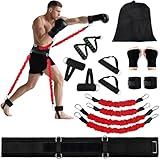
- Resistance Bands: Attach resistance bands to your ankles or wrists to increase the effort required for your punches and footwork.
- Weighted Gloves: Weighted gloves can help you build punching power and endurance, but use them cautiously to avoid injury.
When using resistance, start with shorter rounds and gradually increase the duration as you adapt. Focus on maintaining proper form throughout.
Incorporating Footwork Drills
Footwork is crucial in boxing. Incorporate footwork drills into your shadow boxing routine to improve your agility, balance, and coordination. Examples include:
- Shuffle Steps: Practice moving laterally and diagonally while maintaining a balanced stance.
- Pivot Steps: Practice pivoting on your feet to change your angle of attack and defense.
- In-and-Out Movements: Practice stepping in and out of range quickly and efficiently.
Focus on smooth, controlled movements and maintain a solid base. You can alternate between rounds of shadow boxing with footwork drills and rounds of regular shadow boxing.
Shadow Boxing with a Mirror
Shadow boxing in front of a mirror is a powerful tool for self-assessment. It allows you to:
- Monitor Your Form: Identify and correct any technical flaws in your punches, footwork, and defensive movements.
- Visualize Your Movements: See how your body moves and adjust your technique accordingly.
- Improve Your Timing: Practice your timing and coordination by observing your movements in the mirror.
Use the mirror to focus on the details of your technique and make adjustments as needed. Consider dedicating specific rounds to analyzing your form.
Adding Sparring Simulations
To simulate a real fight, incorporate sparring simulations into your shadow boxing routine. This involves:
- Imagining an Opponent: Visualize a specific opponent and react to their movements.
- Practicing Counter-Punching: Focus on anticipating your opponent’s attacks and delivering effective counter-punches.
- Developing Ring Generalship: Practice controlling the pace and distance of the fight.
This type of shadow boxing helps you develop your fight IQ and prepares you for the strategic aspects of boxing. It also helps you to improve your reaction time. (See Also: Are Boxing Classes Worth It )
Shadow Boxing for Different Training Goals
The optimal round length and structure of your shadow boxing sessions will vary depending on your specific training goals. Here are some examples:
Weight Loss
If your goal is weight loss, focus on maximizing calorie expenditure. This means:
- Longer Rounds: Extend your rounds to 3-5 minutes.
- High Intensity: Maintain a high intensity throughout your rounds.
- Minimal Rest: Keep your rest periods short (e.g., 30-45 seconds).
- Interval Training: Incorporate interval training, alternating between high-intensity bursts and periods of active recovery.
Combining shadow boxing with other forms of cardio, like running or jumping rope, will further aid in weight loss.
Muscle Building
While shadow boxing isn’t the primary method for building muscle, it can contribute to muscular endurance and definition. To enhance muscle building:
- Focus on Power: Incorporate power punches and explosive movements into your routine.
- Resistance: Use resistance bands or weighted gloves.
- Shorter Rest: Keep rest periods relatively short to keep the muscles under tension.
Combine shadow boxing with strength training exercises, such as push-ups and bodyweight squats, to maximize muscle growth.
Technical Improvement
If your primary goal is to improve your technique, focus on:
- Shorter Rounds: Use rounds of 2-3 minutes to maintain focus.
- Specific Drills: Dedicate rounds to practicing specific punches, combinations, or defensive movements.
- Mirror Work: Spend time shadow boxing in front of a mirror to analyze your form.
Record your shadow boxing sessions to review your technique and identify areas for improvement. Working with a coach can provide you with invaluable feedback.
Conditioning
Shadow boxing is an excellent way to improve your overall conditioning. To enhance your conditioning:
- Longer Rounds: Extend your rounds to 3-5 minutes.
- High Intensity: Maintain a high intensity throughout your rounds.
- Vary Your Movements: Include different types of punches, footwork, and defensive movements to challenge your body in various ways.
Incorporate other conditioning exercises, such as running, jumping rope, and plyometrics, to supplement your shadow boxing routine. (See Also: Does Boxing Classes Help With Weight Loss )
Sample Shadow Boxing Routines
Here are a few sample shadow boxing routines, tailored to different training goals:
Beginner Routine (30-Minute Session)
- Warm-up (5 minutes): Jogging in place, dynamic stretching.
- Shadow Boxing (1 minute rounds): Focus on basic punches and footwork.
- Rest (1 minute)
- Shadow Boxing (1 minute rounds): Focus on defense.
- Rest (1 minute)
- Shadow Boxing (1 minute rounds): Focus on combinations.
- Rest (1 minute)
- Repeat the above sequence 3 times.
- Cool-down (5 minutes): Static stretching.
Intermediate Routine (45-Minute Session)
- Warm-up (5 minutes): Dynamic stretching, light cardio.
- Shadow Boxing (3-minute rounds): Focus on combinations and footwork.
- Rest (1 minute)
- Shadow Boxing (3-minute rounds): Focus on power punches.
- Rest (1 minute)
- Shadow Boxing (3-minute rounds): Sparring simulation.
- Rest (1 minute)
- Repeat the above sequence 2 times.
- Cool-down (5 minutes): Static stretching.
Advanced Routine (60-Minute Session)
- Warm-up (5 minutes): Dynamic stretching, light cardio.
- Shadow Boxing (4-minute rounds): Focus on various techniques.
- Rest (1 minute)
- Shadow Boxing with Resistance (3-minute rounds).
- Rest (1 minute)
- Footwork Drills (3-minute rounds).
- Rest (1 minute)
- Shadow Boxing (4-minute rounds): Sparring simulation.
- Rest (1 minute)
- Repeat the above sequence 2 times.
- Cool-down (5 minutes): Static stretching.
Common Mistakes to Avoid
To maximize the effectiveness of your shadow boxing, avoid these common mistakes:
- Poor Form: Prioritize proper technique over speed or power. Incorrect form can lead to injuries.
- Tensing Up: Stay relaxed to conserve energy and move fluidly.
- Skipping the Warm-up: Always warm up before you start.
- Ignoring Rest: Use rest periods to recover and reflect.
- Lack of Variety: Don’t always throw the same punches or combinations. Vary your movements.
By avoiding these pitfalls, you can optimize your shadow boxing sessions and achieve your training goals more effectively.
The Importance of Consistency
Consistency is key to seeing results in any form of training, and shadow boxing is no exception. Make shadow boxing a regular part of your routine. Aim to shadow box at least 2-3 times per week. The more you practice, the better you’ll become. Track your progress. Note down how long you shadow box per round, what combinations you worked on, and any improvements you notice. This will help you stay motivated and focused on your goals.
Listen to your body. Rest when you need to. Don’t push yourself too hard, especially when you’re starting. Gradually increase the intensity and duration of your shadow boxing sessions as your fitness improves. If you experience any pain, stop and rest. Proper rest and recovery are essential for progress.
Consider seeking guidance from a qualified boxing coach. A coach can provide personalized feedback on your technique, help you develop effective training plans, and ensure that you’re training safely and efficiently. A coach can also help you develop a deeper understanding of the sport and the nuances of shadow boxing.
Verdict
Knowing how long to shadow box per round is essential for effective training. Whether you’re a beginner or a seasoned boxer, understanding the nuances of round duration, rest periods, and overall session structure will greatly enhance your progress. Remember to tailor your shadow boxing sessions to your specific goals, whether it’s building stamina, improving technique, or preparing for a fight. By incorporating the strategies discussed, you’ll be well on your way to maximizing your potential in the ring.
Ultimately, the perfect shadow boxing round length is the one that best suits your individual needs and training objectives. Experiment with different durations, techniques, and rest periods to find what works best for you. Embrace the process, stay consistent, and enjoy the journey of improving your boxing skills.