Ever watched a boxer gracefully moving, throwing punches at thin air? That’s shadow boxing, and it’s more than just a warm-up. It’s a crucial training method used by fighters of all levels to hone their skills. I’ve spent years in the gym, and shadow boxing has always been a constant companion in my training. It’s a fantastic way to improve your technique, build stamina, and develop mental focus.
You might be wondering, ‘how does shadow boxing work?’ Well, it’s a versatile exercise that can be adapted to suit your specific goals, whether you’re a seasoned fighter or just starting to explore the world of boxing. In this guide, we’ll break down the essentials, covering everything from the basic stances and punches to more advanced techniques and drills. Get ready to learn how shadow boxing can transform your fitness journey.
The Fundamentals of Shadow Boxing
Before we get into the nitty-gritty, let’s cover the basics. Shadow boxing is essentially practicing boxing without an opponent. You’re mimicking the movements of a fight, focusing on your technique, footwork, and overall form. It’s a solo exercise that allows you to concentrate on your weaknesses and refine your strengths.
Stance and Footwork: The Foundation
Your stance is the foundation of everything in boxing. It’s the base from which you generate power, move efficiently, and defend yourself. There are a few key elements to a good boxing stance:
- Feet shoulder-width apart: Your feet should be roughly shoulder-width apart, with one foot slightly in front of the other. If you’re right-handed, your left foot should be forward; if you’re left-handed, your right foot should be forward.
- Slight bend in the knees: This allows for greater mobility and power generation. Think of it like a coiled spring, ready to unleash.
- Weight distribution: Your weight should be evenly distributed, with a slight lean forward. This helps with balance and allows you to move quickly.
- Heels slightly off the ground: This enables you to pivot and move around the ring with ease.
- Hands up, chin down: Protect your face. Keep your hands up near your cheeks, and your chin tucked down towards your chest.
Footwork is equally important. It’s how you move around the ‘ring’ (or your training space) and position yourself to attack and defend. Good footwork allows you to control the distance, set up your punches, and avoid your opponent’s attacks. Here are some key footwork techniques:
- Shuffle: This is the basic movement. Slide your feet along the ground, keeping your feet shoulder-width apart. Don’t cross your feet.
- Pivot: Turn on the balls of your feet to change direction or angle.
- Step-and-slide: Step with one foot, and then slide the other foot to maintain your stance.
- Angle: Move to the side of your imaginary opponent to change the angle of your attack.
The Basic Punches: Your Arsenal
Now, let’s talk about the punches. Shadow boxing is all about practicing your punches with proper form. Here are the four basic punches in boxing:
- Jab: This is a quick, straight punch thrown with your lead hand. It’s used to measure distance, set up other punches, and score points. Key points: Keep your elbow in, snap your hand back quickly, and rotate your fist slightly on impact.
- Cross: This is a powerful straight punch thrown with your rear hand. It’s often used as a finishing punch. Key points: Rotate your torso, transfer your weight, and snap your hand back quickly.
- Hook: This is a powerful punch thrown with a bent arm. It’s used to attack the sides of your opponent’s head or body. Key points: Keep your elbow up, pivot your foot, and rotate your torso.
- Uppercut: This is a vertical punch thrown from a low position. It’s used to attack the chin or body. Key points: Bend your knees, drive upwards, and keep your elbow close to your body.
Practice each punch individually, focusing on your form and technique. Then, start combining them into combinations. For example, you could practice a jab-cross, a jab-cross-hook, or a hook-uppercut. The possibilities are endless.
Shadow Boxing Drills and Techniques
Once you’ve mastered the basics, you can start incorporating drills and more advanced techniques to take your shadow boxing to the next level. This will not only improve your physical skills but also your mental game.
Warm-Up and Cool-Down
Before you start shadow boxing, it’s essential to warm up your muscles. This prepares your body for the workout and reduces the risk of injury. A good warm-up should include:
- Light cardio: Jumping jacks, jogging in place, or skipping rope for 5-10 minutes.
- Dynamic stretching: Arm circles, leg swings, torso twists, and shoulder rotations.
After your shadow boxing session, cool down with some static stretching. Hold each stretch for 20-30 seconds to improve flexibility and reduce muscle soreness. Focus on stretching the muscles you worked during your shadow boxing session, such as your shoulders, arms, legs, and core. Examples include: (See Also: Does Shadow Boxing Really Work )
- Arm stretches: Triceps stretch, shoulder stretch.
- Leg stretches: Hamstring stretch, quad stretch, calf stretch.
- Core stretches: Side bends, torso twists.
Combining Punches: Building Combinations
Punch combinations are the heart of boxing. They allow you to attack your opponent from multiple angles, increase your power, and set up knockouts. Start with basic combinations and gradually increase the complexity as you improve. Here are some examples:
- Jab-cross: A classic combination that’s effective for both offense and defense.
- Jab-cross-hook: Adds a hook to the mix, increasing the power and versatility.
- Jab-jab-cross: A quick combination that can overwhelm your opponent.
- Hook-cross: A powerful combination that can knock out your opponent.
- Uppercut-hook: A great combination for attacking the head and body.
Practice these combinations repeatedly, focusing on your technique, speed, and power. Visualize your opponent and imagine how you would execute each combination in a real fight. Remember to keep your hands up to protect your face and chin.
Footwork Drills: Moving Like a Pro
Footwork is crucial for controlling the distance, setting up your punches, and avoiding your opponent’s attacks. Here are some footwork drills you can incorporate into your shadow boxing routine:
- Shuffle: Practice shuffling forward, backward, and sideways, maintaining your stance and keeping your feet shoulder-width apart.
- Pivot: Practice pivoting on the balls of your feet to change direction or angle.
- Step-and-slide: Practice stepping with one foot and sliding the other foot to maintain your stance.
- Angle: Practice moving to the side of your imaginary opponent to change the angle of your attack.
- Footwork drills with punches: Combine footwork with punches. For example, shuffle forward while throwing a jab, or step to the side while throwing a hook.
Footwork drills will improve your agility, balance, and coordination, making you a more effective boxer.
Defense Techniques: Protecting Yourself
Defense is just as important as offense in boxing. Here are some defensive techniques you can practice during shadow boxing:
- Blocking: Use your gloves to block your opponent’s punches.
- Parrying: Use your gloves to deflect your opponent’s punches.
- Slipping: Move your head to the side to avoid your opponent’s punches.
- Rolling: Duck under your opponent’s punches.
- Covering up: Protect your head and body with your gloves.
Practice these defensive techniques while shadow boxing, visualizing your opponent’s punches and reacting accordingly. Remember to keep your hands up to protect your face and chin.
Adding Resistance: Enhancing the Workout
To make your shadow boxing more challenging, you can add resistance. This will increase the intensity of your workout and improve your strength and power. Here are some ways to add resistance:
- Hand wraps: Wrapping your hands is essential for protecting your hands and wrists. It also adds a small amount of resistance.
- Weights: Use light dumbbells (2-5 pounds) or wrist weights. Hold the weights while shadow boxing to increase the resistance.
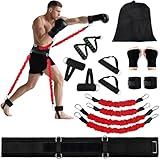
- Resistance bands: Wrap resistance bands around your wrists or ankles to increase the resistance.
Adding resistance will help you build muscle, improve your power, and make your shadow boxing more effective.
Visualization: The Mental Game
Visualization is a powerful tool that can help you improve your boxing skills. During your shadow boxing session, visualize yourself in a fight. Imagine your opponent, your movements, and your punches. Visualize yourself executing your combinations and defensive techniques perfectly. This will help you: (See Also: Are Boxing Classes Worth It )
- Improve your technique: By visualizing your movements, you can focus on your form and technique.
- Build confidence: By visualizing yourself succeeding, you can build confidence and self-esteem.
- Reduce stress: Visualization can help you relax and reduce stress.
- Enhance focus: Visualization can help you focus on your goals and achieve them.
Visualization is a key component of mental toughness and will significantly improve your performance.
Shadow Boxing for Different Goals
Shadow boxing isn’t a one-size-fits-all workout. You can tailor it to meet your specific goals, whether you’re looking to improve your fitness, prepare for a fight, or simply relieve stress. Let’s explore how.
For Fitness and Cardio
If your primary goal is to improve your fitness and cardio, focus on:
- High-intensity intervals: Alternate between periods of high-intensity shadow boxing (e.g., throwing punches at maximum speed) and periods of rest or low-intensity activity (e.g., jogging in place).
- Longer durations: Aim for longer shadow boxing sessions (e.g., 30-60 minutes).
- Focus on speed and endurance: Prioritize speed and endurance over power.
- Use a timer: Set a timer for rounds and rest periods. This will help you stay on track and maintain a consistent pace.
This approach will help you burn calories, improve your cardiovascular health, and build stamina.
For Boxing Training and Technique
If you’re training for boxing, focus on:
- Technical precision: Pay close attention to your form, footwork, and punch combinations.
- Specific drills: Practice drills that focus on specific aspects of boxing, such as footwork, defense, or punch combinations.
- Visualize your opponent: Imagine your opponent and how you would fight them.
- Sparring preparation: Use shadow boxing to prepare for sparring sessions. Practice the techniques and strategies you plan to use in sparring.
This will help you refine your technique, improve your strategy, and prepare you for competition.
For Stress Relief and Mental Focus
Shadow boxing can be a great way to relieve stress and improve your mental focus. Focus on:
- Relaxation: Focus on your breathing and try to relax your muscles.
- Mindfulness: Pay attention to your movements and sensations.
- Rhythm and flow: Focus on the rhythm and flow of your movements.
- Positive affirmations: Repeat positive affirmations to yourself, such as ‘I am strong,’ or ‘I am confident.’
This approach can help you release tension, improve your mood, and boost your mental clarity.
Adapting Shadow Boxing to Your Experience Level
Whether you’re a beginner or a seasoned fighter, shadow boxing can be adapted to suit your experience level. Here’s how: (See Also: Does Boxing Classes Help With Weight Loss )
| Beginner | Intermediate | Advanced |
|---|---|---|
| Focus on the basics: stance, footwork, and basic punches. | Incorporate more complex combinations and footwork drills. | Focus on advanced techniques, such as counter-punching and slipping. |
| Start with shorter sessions (15-20 minutes). | Increase the duration of your sessions (30-45 minutes). | Do longer, more intense sessions (45-60 minutes or more). |
| Focus on technique and form. | Focus on speed, power, and endurance. | Focus on strategy, tactics, and visualization. |
Maximizing Your Shadow Boxing Workout
To get the most out of your shadow boxing workout, consider these tips and best practices. These points will help you get the most out of your training time and see significant improvements.
Proper Gear and Equipment
While shadow boxing doesn’t require a lot of equipment, having the right gear can enhance your workout and protect you from injury. Here’s what you’ll need:
- Hand wraps: Essential for protecting your hands and wrists.
- Boxing gloves: Even though you’re not hitting anything, gloves can provide a sense of realism and help you practice your punches.
- Comfortable athletic wear: Choose clothing that allows for a full range of motion and wicks away sweat.
- Boxing shoes: Boxing shoes can provide good ankle support and grip, which is beneficial for footwork drills.
- Mirror: A mirror can help you monitor your form and technique.
- Timer: Use a timer to track your rounds and rest periods.
Investing in quality gear is an investment in your training and will help you stay safe and comfortable during your workouts.
Consistency and Routine
Consistency is key to seeing results. Make shadow boxing a regular part of your training routine. Aim to shadow box at least 2-3 times per week. Create a consistent schedule and stick to it. This will help you develop good habits and make shadow boxing a part of your lifestyle. Vary your workouts to keep things interesting and challenging. Try different combinations, footwork drills, and intensity levels.
Monitoring Your Progress
Track your progress to stay motivated and see how far you’ve come. Keep a training journal and note your workouts, including the duration, intensity, and any drills you performed. Take before-and-after photos to track your physical progress. Measure your heart rate to monitor your cardiovascular fitness. Set realistic goals and celebrate your achievements.
Avoiding Common Mistakes
Even experienced boxers can fall into bad habits. Here are some common mistakes to avoid:
- Rushing your punches: Focus on your technique and form over speed.
- Neglecting your footwork: Footwork is crucial for moving around the ring and setting up your punches.
- Not keeping your hands up: Always protect your face and chin.
- Not warming up properly: Always warm up before shadow boxing to prevent injuries.
- Not cooling down: Always cool down after shadow boxing to improve flexibility and reduce muscle soreness.
By avoiding these mistakes, you can maximize the effectiveness of your shadow boxing workouts.
Incorporating Shadow Boxing with Other Training
Shadow boxing is a versatile exercise that can be combined with other training methods to create a well-rounded workout routine. Here are some ideas:
- Strength training: Combine shadow boxing with strength training exercises, such as push-ups, squats, and lunges.
- Cardio: Incorporate shadow boxing into your cardio routine. For example, you could shadow box for 30 minutes, then run for 20 minutes.
- Sparring: Use shadow boxing to prepare for sparring sessions. Practice the techniques and strategies you plan to use in sparring.
- Bag work: Combine shadow boxing with bag work to improve your punching power and technique.
By combining shadow boxing with other training methods, you can create a complete and effective workout routine.
Final Verdict
Shadow boxing is a powerful tool for anyone looking to improve their boxing skills, fitness, or mental focus. By understanding the fundamentals, incorporating drills, and staying consistent, you can transform your body and mind. Remember to focus on your form, footwork, and technique, and don’t be afraid to experiment and find what works best for you. With dedication and practice, you’ll see significant improvements in your boxing abilities and overall well-being. So, lace up those imaginary gloves, step into your ‘ring,’ and start shadow boxing today!