Shadow boxing. It’s the unsung hero of boxing training. Often overlooked, it’s the foundation upon which all successful fighters build their skills. It’s where you refine your technique, build your endurance, and sharpen your mental game. But ‘winning’ at shadow boxing isn’t about landing a knockout punch on thin air; it’s about maximizing its benefits to improve your performance in the ring.
So, how exactly do you ‘win’ at shadow boxing? It’s not about how many punches you throw, but how effectively you utilize this crucial training tool. We’ll explore the key elements that transform a simple shadow boxing session into a powerful training experience. Get ready to learn the secrets to making every shadow boxing round count.
This guide will show you how to transform your shadow boxing into a winning strategy, enhancing your skills and preparing you for real fights.
The Fundamentals: Building a Solid Base
Before we get into the advanced techniques, let’s establish the fundamentals. A strong foundation is essential for maximizing the effectiveness of your shadow boxing sessions. This includes proper stance, footwork, and a clear understanding of the basic punches and defenses. Think of this as the blueprint for your boxing success.
Stance: The Power Position
Your stance is the starting point for everything. It provides balance, power, and the ability to move quickly. A good stance allows you to generate force and protects you from incoming attacks. Here’s how to get it right:
- Feet: Position your feet shoulder-width apart, with your lead foot slightly ahead of your rear foot.
- Angle: Your body should be at a slight angle to your opponent (imaginary in this case).
- Knees: Slightly bend your knees; this lowers your center of gravity and improves stability.
- Weight Distribution: Distribute your weight evenly, with a slight bias towards the balls of your feet. This allows for quick movement.
- Hands: Keep your hands up, protecting your face. Your lead hand should be in front of your face, and your rear hand near your chin.
Why it matters: A correct stance ensures you’re ready to react, defend, and launch attacks efficiently. A poor stance compromises your balance, making you vulnerable.
Footwork: Dancing Around the Ring
Footwork is the secret ingredient to agility and control. It’s how you move in and out of range, set up your attacks, and avoid your opponent’s punches. Consider these key footwork techniques:
- Shuffle: The basic movement. Slide your feet along the floor, keeping your feet shoulder-width apart.
- Pivot: Rotate on the balls of your feet to change your angle.
- Lateral Movement: Move side to side to control distance and create angles.
- Lead Step: Step forward with your lead foot, followed by your rear foot.
- Rear Step: Step back with your rear foot, followed by your lead foot.
Why it matters: Footwork is your method of controlling the fight. Good footwork enables you to dictate the pace, position yourself favorably, and evade punches.
Basic Punches: The Building Blocks
Mastering the basic punches is non-negotiable. These are the tools you’ll use to build your offense. Practice them repeatedly to develop speed, power, and accuracy:
- Jab: A quick, straight punch thrown with your lead hand. It sets up other punches and controls distance.
- Cross: A powerful straight punch thrown with your rear hand. It’s delivered over the jab.
- Hook: A powerful, arcing punch thrown with either hand. It targets the head or body.
- Uppercut: A vertical punch thrown from a low position, targeting the chin or body.
Why it matters: These punches are the foundation of your attack. Proper technique ensures maximum power and efficiency, while minimizing the risk of injury.
Defensive Techniques: Protecting Yourself
Defense is as important as offense. Shadow boxing is an excellent opportunity to practice your defensive maneuvers. This includes:
- Blocking: Using your gloves to deflect punches.
- Parrying: Pushing your opponent’s punches away with your gloves.
- Slipping: Moving your head to the side to avoid punches.
- Bobbing and Weaving: Ducking and moving your head to evade punches.
Why it matters: Solid defense keeps you in the fight. It reduces the damage you take and allows you to counter effectively.
Adding Intensity and Purpose: Elevating Your Shadow Boxing
Once you’ve grasped the fundamentals, it’s time to crank up the intensity and add purpose to your shadow boxing. This means focusing on specific goals, incorporating different training methods, and pushing your limits. This is where you truly start to ‘win’ at shadow boxing.
Visualization: Seeing the Fight
Visualization is a powerful mental tool. Before you start, visualize yourself in the ring. Imagine your opponent, the environment, and the strategies you’ll use. This mental rehearsal prepares your mind and body for the actual fight.
- Visualize your opponent: Picture their stance, movements, and tendencies.
- Visualize your strategy: Plan your attacks, defenses, and combinations.
- Visualize success: See yourself landing punches, avoiding attacks, and winning the fight.
Why it matters: Visualization improves your mental focus, boosts your confidence, and helps you execute your game plan more effectively.
Shadow Boxing Drills: Targeted Practice
Drills allow you to focus on specific skills or techniques. They help you break down complex movements into manageable components. Here are a few examples:
- Punching Combinations: Practice various combinations, such as jab-cross-hook or cross-hook-uppercut.
- Defense Drills: Practice slipping, blocking, and parrying punches.
- Footwork Drills: Focus on lateral movement, pivots, and shuffling.
- Speed Drills: Work on throwing punches as quickly as possible.
Why it matters: Drills refine your technique and build muscle memory. They also help you develop specific skills that you can use in the ring.
Adding Resistance: Increasing the Challenge
Adding resistance makes your shadow boxing more demanding and helps you build strength and endurance. Use these methods:
- Light Dumbbells: Hold light dumbbells (1-3 lbs) in each hand to increase resistance.
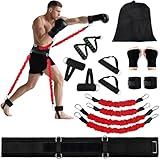
- Resistance Bands: Wrap resistance bands around your wrists or ankles to increase the effort required for punches and footwork.
- Weighted Vests: Wear a weighted vest to increase the overall load.
Why it matters: Resistance training improves your strength, power, and endurance. It also helps you develop the stamina needed for a full fight.
Focus on Form and Technique: Perfecting Your Craft
Don’t just throw punches; focus on your form and technique. Proper form is essential for maximizing power, minimizing the risk of injury, and developing efficient movement. Here’s how to do it:
- Watch Yourself: Use a mirror to observe your form.
- Record Your Sessions: Record your shadow boxing sessions and analyze your technique.
- Work with a Coach: Get feedback and guidance from a qualified boxing coach.
- Slow Down: Sometimes, slowing down can help improve your form.
Why it matters: Good technique translates to more effective punches and efficient movement. It also helps prevent injuries and improve overall performance.
Structuring Your Shadow Boxing Session: A Winning Routine
A well-structured shadow boxing session includes a warm-up, the main workout, and a cool-down. This ensures you’re prepared for the workout, working at your maximum potential, and recover properly. Here’s a sample routine: (See Also: Does Shadow Boxing Really Work )
Warm-Up: Preparing Your Body
The warm-up prepares your body for the workout. It increases blood flow, raises your body temperature, and prepares your muscles for action. Include these exercises:
- Light Cardio: Jumping jacks, jogging in place, or shadow boxing at a low intensity. (3-5 minutes)
- Dynamic Stretching: Arm circles, leg swings, torso twists. (5-7 minutes)
- Shadow Boxing at Low Intensity: Practice basic punches and footwork. (3-5 minutes)
Why it matters: A proper warm-up reduces the risk of injury and prepares your body for the workout.
Main Workout: The Core of the Session
This is where you put in the work. Focus on your goals and incorporate the techniques and drills we’ve discussed. Here’s a sample structure:
- Rounds: 3-5 rounds of 3 minutes each, with 1-minute rest between rounds.
- Focus: Focus on a specific aspect, such as speed, power, or defense, each round.
- Combinations: Use a variety of combinations.
- Footwork: Incorporate footwork drills between combinations.
- Defense: Practice defensive techniques.
Why it matters: The main workout is where you build your skills and improve your performance. Consistency is key.
Cool-Down: Recovering and Rebuilding
The cool-down helps your body recover and reduces muscle soreness. It’s an important part of any workout. Here’s what to do:
- Light Cardio: Slow jogging or walking. (3-5 minutes)
- Static Stretching: Hold stretches for 20-30 seconds. (5-7 minutes). Focus on the muscles you worked during the session.
Why it matters: A proper cool-down helps your body recover and reduces the risk of injury.
Advanced Strategies: Taking Your Shadow Boxing to the Next Level
Once you’ve mastered the basics and built a solid routine, it’s time to explore advanced strategies. These techniques will help you further refine your skills and gain a competitive edge. This is where you truly start to ‘dominate’ shadow boxing.
Sparring Simulation: Recreating the Fight
Sparring simulation takes your shadow boxing to a new level. It involves simulating the movements and strategies of a sparring session. This helps you prepare for the unpredictability of a real fight.
- Imagine an Opponent: Visualize your opponent’s style, strengths, and weaknesses.
- Focus on Specific Scenarios: Practice countering your opponent’s attacks, setting traps, and controlling the distance.
- Incorporate Movement: Use your footwork to move around the ring, create angles, and avoid attacks.
Why it matters: Sparring simulation helps you develop your fight IQ, improve your decision-making skills, and prepare for the mental challenges of a real fight.
Pad Work Integration: From Shadow to Reality
Shadow boxing and pad work complement each other perfectly. Integrate them to maximize your training. Here’s how:
- Warm-up: Start with shadow boxing to warm up.
- Pad Work: Perform pad work to practice your combinations and techniques.
- Transition: Finish with shadow boxing to consolidate your skills and practice your footwork and defense.
Why it matters: This integration helps you translate your shadow boxing skills to real-world applications and improves your overall performance.
Fight Strategy Development: Planning Your Victory
Use shadow boxing to develop and refine your fight strategy. Analyze your strengths and weaknesses, and plan your approach to each fight. Here’s how:
- Analyze Your Opponent: Study your opponent’s strengths, weaknesses, and tendencies.
- Develop a Game Plan: Plan your attacks, defenses, and combinations.
- Practice Your Strategy: Use shadow boxing to practice your game plan.
- Adapt and Adjust: Be prepared to adapt your strategy based on your opponent’s actions.
Why it matters: A well-developed fight strategy increases your chances of success. It gives you a clear plan of action and helps you make better decisions during the fight.
Mental Toughness: The Mind Game
Shadow boxing is not just about physical training; it’s also about building mental toughness. It’s where you learn to push yourself, overcome challenges, and stay focused. Here’s how:
- Set Goals: Set specific goals for each session.
- Stay Focused: Focus on your technique and strategy.
- Push Your Limits: Challenge yourself to work harder and longer.
- Visualize Success: See yourself succeeding.
Why it matters: Mental toughness is a key ingredient for success in boxing. It helps you stay focused, motivated, and resilient under pressure.
Common Mistakes and How to Avoid Them
Even the best boxers make mistakes. Recognizing and avoiding common pitfalls will help you get the most out of your shadow boxing sessions.
Poor Form: The Foundation of Bad Habits
Poor form is the biggest mistake. It leads to inefficient movement, reduced power, and an increased risk of injury. Here’s how to avoid it:
- Focus on Technique: Prioritize proper form over speed and power.
- Use a Mirror: Observe your form in a mirror.
- Record Your Sessions: Analyze your technique.
- Work with a Coach: Get feedback and guidance.
Why it matters: Bad habits are hard to break. Start with good form, and you’ll build a solid foundation.
Lack of Focus: Wasting Time and Energy
Shadow boxing without focus is like running on a treadmill without a goal. You’re just going through the motions. Here’s how to stay focused:
- Set Goals: Have a clear objective for each session.
- Visualize: Imagine your opponent and the fight.
- Stay Present: Focus on the task at hand.
- Eliminate Distractions: Turn off your phone and focus on your workout.
Why it matters: Focus is essential for effective training. It allows you to maximize your effort and get the most out of each session.
Ignoring Footwork: The Key to Agility
Footwork is the foundation of boxing movement. Neglecting it is like trying to build a house without a foundation. Here’s how to fix it: (See Also: Are Boxing Classes Worth It )
- Practice Footwork Drills: Incorporate footwork drills into your routine.
- Focus on Movement: Think about your footwork as you throw punches.
- Use a Visual Aid: Imagine a ring and move around it.
Why it matters: Good footwork enables you to control the distance, create angles, and avoid punches. Neglecting it severely limits your effectiveness.
Insufficient Warm-Up and Cool-Down: Risks and Recovery
Skipping the warm-up increases the risk of injury. Skipping the cool-down hinders recovery. Here’s how to do it right:
- Warm-up: Include light cardio, dynamic stretching, and shadow boxing at low intensity.
- Main Workout: Focus on your goals.
- Cool-down: Include light cardio and static stretching.
Why it matters: Proper warm-up prepares your body for the workout. Cool-down aids in recovery and reduces muscle soreness.
Inconsistency: The Enemy of Progress
Consistency is key to progress in any sport. Inconsistent training leads to inconsistent results. Here’s how to stay consistent:
- Set a Schedule: Schedule your shadow boxing sessions.
- Make it a Habit: Treat it like any other important activity.
- Be Realistic: Don’t overtrain.
- Track Your Progress: Monitor your improvements.
Why it matters: Consistent training leads to consistent progress. It helps you build a solid foundation and achieve your goals.
Putting It All Together: Winning Through Preparation
Winning in shadow boxing isn’t about luck; it’s about preparation. It’s about combining the fundamentals, adding intensity, and building advanced strategies. By following these steps, you’ll transform your shadow boxing into a powerful training tool that will dramatically improve your boxing skills.
Review and Adapt: Continuous Improvement
Regularly review your progress and adapt your approach. This includes:
- Assess Your Performance: Analyze your shadow boxing sessions and identify areas for improvement.
- Adjust Your Routine: Make changes to your routine based on your assessment.
- Seek Feedback: Ask your coach or training partners for feedback.
- Stay Committed: Remain dedicated to your training.
Why it matters: Continuous improvement ensures you’re always getting better. It also helps you stay motivated and reach your full potential.
Mental Fortitude: The Unseen Advantage
Develop mental fortitude to withstand the pressures of training and competition. This includes:
- Believe in Yourself: Have confidence in your abilities.
- Stay Positive: Maintain a positive attitude.
- Manage Stress: Learn to manage stress and pressure.
- Never Give Up: Persevere through challenges.
Why it matters: Mental fortitude gives you the edge in the ring. It helps you stay focused, resilient, and confident.
Embrace the Process: Enjoy the Journey
Remember that the journey is just as important as the destination. Enjoy the process of learning and improving. This includes:
- Stay Curious: Always seek to learn more.
- Be Patient: Progress takes time.
- Celebrate Your Successes: Acknowledge your accomplishments.
- Have Fun: Enjoy your training.
Why it matters: Enjoying the process makes training more sustainable. It also helps you stay motivated and committed to your goals.
Measuring Your Success: Beyond the Mirror
How do you know if you’re ‘winning’ at shadow boxing? It’s not about how tired you feel or how many punches you throw. It’s about the results you see in your overall boxing performance. Consider these metrics:
- Improved Technique: Are your punches more accurate, powerful, and efficient?
- Enhanced Footwork: Are you moving around the ring more effectively?
- Increased Stamina: Can you maintain a high level of performance throughout a fight?
- Improved Defense: Are you avoiding punches more effectively?
- Increased Confidence: Do you feel more confident in your abilities?
Why it matters: These metrics are indicators of progress. They show that your shadow boxing training is paying off.
Shadow Boxing for All: Tailoring Your Training
Shadow boxing isn’t just for professional boxers. It’s a versatile training tool that can benefit anyone. Adapt your training to your fitness level and goals.
Beginner’s Guide: Starting Out Right
If you’re new to boxing, start with the basics. Focus on:
- Fundamentals: Master the stance, footwork, and basic punches.
- Low Intensity: Start with short rounds at a low intensity.
- Proper Form: Focus on technique over speed or power.
- Gradual Progression: Gradually increase the intensity and duration of your workouts.
Why it matters: Starting with the basics ensures a solid foundation and reduces the risk of injury.
Intermediate Level: Building on Your Skills
If you have some boxing experience, it’s time to build on your skills. Focus on:
- Combinations: Practice a variety of punch combinations.
- Speed and Power: Work on increasing the speed and power of your punches.
- Defense Drills: Practice defensive techniques.
- Sparring Simulation: Start incorporating sparring simulation.
Why it matters: Refining your skills will improve your performance in the ring.
Advanced Training: Reaching Your Potential
For advanced boxers, shadow boxing is a tool for fine-tuning skills. Focus on:
- Fight Strategy: Develop and refine your fight strategy.
- Sparring Simulation: Maximize sparring simulation.
- Mental Toughness: Work on building mental toughness.
- Continuous Improvement: Always seek ways to improve.
Why it matters: Advanced training helps you reach your full potential. (See Also: Does Boxing Classes Help With Weight Loss )
Beyond the Basics: Shadow Boxing Variations
To keep things interesting and continue challenging yourself, consider these variations:
Shadow Boxing with a Mirror: Self-Assessment
Using a mirror allows you to immediately see your form and correct any flaws. Pay close attention to:
- Posture: Ensure your back is straight and your core is engaged.
- Hand Position: Keep your hands up to protect your face.
- Footwork: Maintain proper balance and movement.
- Punch Technique: Observe the trajectory and impact of your punches.
Why it matters: This variation helps you identify and correct bad habits, improving your technique.
Shadow Boxing with Music: Rhythm and Timing
Music can enhance your rhythm and timing. Choose music with a tempo that matches your desired pace. Focus on:
- Rhythm: Match your punches to the beat of the music.
- Timing: Develop a sense of timing and coordination.
- Footwork: Coordinate your footwork with the music.
- Motivation: Use music to stay motivated and focused.
Why it matters: This variation improves your coordination and provides a more engaging workout experience.
Shadow Boxing with a Partner: Simulating a Real Fight
If you have a partner, they can provide feedback and simulate an opponent. This is a great way to:
- Practice Combinations: Work on punch combinations with a target.
- Improve Defense: Practice defending against your partner’s simulated attacks.
- Develop Fight IQ: Learn to anticipate your partner’s movements.
- Increase Intensity: Push yourself to perform under pressure.
Why it matters: This variation closely mimics a real fight, helping you prepare for sparring and competition.
Shadow Boxing Outdoors: Embrace the Elements
Training outdoors offers a change of scenery and can boost your motivation. Consider:
- Finding a Safe Space: Choose a flat, open area.
- Adjusting for Conditions: Be mindful of weather conditions.
- Focusing on Footwork: Practice footwork drills on different surfaces.
- Enjoying the Fresh Air: Take advantage of the benefits of outdoor training.
Why it matters: Training outdoors can break up the monotony of indoor training and improve your overall fitness.
The Mental Game: Winning the Fight Within
Shadow boxing is more than just physical training; it’s a mental exercise. It’s where you develop the focus, discipline, and resilience needed to succeed in the ring. This mental toughness is crucial for winning.
Building Focus: Sharpening Your Mind
Focus is essential for effective training. It allows you to concentrate on your technique, strategy, and goals. Here’s how to build focus:
- Set Clear Goals: Have a specific objective for each session.
- Eliminate Distractions: Turn off your phone and focus on your workout.
- Visualize Success: Imagine yourself performing at your best.
- Practice Mindfulness: Focus on the present moment.
Why it matters: A focused mind is a powerful weapon. It allows you to maximize your effort and achieve your goals.
Developing Discipline: Sticking to the Plan
Discipline is the ability to stick to your training plan, even when you don’t feel like it. It’s essential for consistent progress. Here’s how to develop discipline:
- Create a Schedule: Set a regular training schedule.
- Make it a Habit: Treat training like any other important activity.
- Be Consistent: Stick to your schedule, even when you’re tired.
- Reward Yourself: Acknowledge your accomplishments.
Why it matters: Discipline is the key to achieving your goals. It ensures you’re consistent in your training and makes progress over time.
Cultivating Resilience: Bouncing Back
Resilience is the ability to bounce back from setbacks. It’s essential for dealing with the physical and mental challenges of boxing. Here’s how to cultivate resilience:
- Learn from Mistakes: Don’t let setbacks discourage you.
- Stay Positive: Maintain a positive attitude.
- Seek Support: Talk to your coach, training partners, or friends.
- Never Give Up: Persevere through challenges.
Why it matters: Resilience allows you to overcome challenges and achieve your goals. It helps you stay motivated and focused, even when things get tough.
Boosting Confidence: Believing in Yourself
Confidence is the belief in your abilities. It’s essential for performing at your best. Here’s how to boost your confidence:
- Set Realistic Goals: Set achievable goals.
- Track Your Progress: Monitor your improvements.
- Celebrate Your Successes: Acknowledge your accomplishments.
- Visualize Success: Imagine yourself performing at your best.
Why it matters: Confidence enables you to perform at your best. It helps you believe in your abilities and handle pressure.
Managing Stress: Staying Calm Under Pressure
Boxing can be stressful. Learning to manage stress is crucial. Here’s how to manage stress:
- Deep Breathing: Practice deep breathing exercises.
- Visualization: Use visualization techniques to calm your mind.
- Positive Self-Talk: Use positive self-talk to boost your confidence.
- Seek Support: Talk to your coach, training partners, or friends.
Why it matters: Managing stress helps you stay calm under pressure. It allows you to make better decisions and perform at your best.
Final Verdict
Shadow boxing is more than just a warm-up; it’s a potent training tool. By focusing on the fundamentals, adding intensity, developing advanced strategies, and cultivating mental toughness, you can transform your shadow boxing sessions into a winning formula. Remember, the key is to be consistent, focused, and adaptable. Embrace the process, enjoy the journey, and watch your boxing skills soar. The ‘win’ in shadow boxing isn’t just about the physical; it’s a holistic approach to boxing training, shaping not just your body, but your mind and your approach to the fight game. Shadow boxing, when done correctly, is a complete workout that prepares you for anything the ring can throw at you.