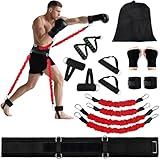
Ever watched a boxer moving gracefully, throwing punches at thin air, and wondered what they were doing? That, my friend, is shadow boxing. It’s a fundamental part of boxing training, and it’s something anyone can do, regardless of their fitness level or experience. Shadow boxing is more than just throwing punches; it’s a dynamic workout that builds muscle, improves technique, and boosts your cardiovascular health.
This isn’t just for boxers, though. Whether you’re aiming to get in shape, learn self-defense, or simply find a new way to relieve stress, shadow boxing has a lot to offer. We’ll break down the essentials, step-by-step, so you can start shadow boxing like a pro. From proper form to incorporating different drills, we’ll cover everything you need to know to get started. Let’s get moving!
What Is Shadow Boxing?
Shadow boxing is essentially boxing against an imaginary opponent. It’s a solo exercise where you practice punches, footwork, and defensive movements without a partner or equipment like a heavy bag. You’re visualizing your opponent, anticipating their moves, and reacting accordingly. This form of training allows you to refine your technique, build stamina, and improve your overall boxing skills.
The beauty of shadow boxing lies in its accessibility. You don’t need a gym, expensive equipment, or a coach to get started. All you need is a little space and the willingness to learn. It’s a versatile workout that can be tailored to your fitness level and goals.
Benefits of Shadow Boxing
Shadow boxing provides a wide range of benefits that extend beyond just improving your boxing skills. It’s a fantastic full-body workout that will help you achieve your fitness goals.
Improved Technique
Shadow boxing is the perfect way to practice and refine your punches. Without the distraction of a real opponent, you can focus on the technical aspects of your punches, such as hand position, footwork, and body mechanics. You can also work on your defensive moves like slipping, rolling, and blocking. Consistent practice will lead to significant improvements in your boxing technique.
Enhanced Stamina and Endurance
Shadow boxing is a cardio-intensive workout. The constant movement, punching, and footwork will significantly improve your cardiovascular health and endurance. Over time, you’ll find yourself able to shadow box for longer periods without getting winded. This increased stamina will benefit you in other areas of your life as well.
Muscle Development and Strength
Shadow boxing works multiple muscle groups throughout your body. The constant punching engages your arms, shoulders, back, and core. Footwork exercises strengthen your legs and improve your balance. Regular shadow boxing will help you build lean muscle mass and improve your overall strength.
Better Coordination and Agility
Shadow boxing requires coordination between your hands, feet, and body. It helps improve your hand-eye coordination, balance, and agility. The more you practice, the more fluid and graceful your movements will become.
Stress Relief and Mental Focus
Shadow boxing can be a great way to relieve stress and improve your mental focus. The rhythmic movements and physical exertion can help you clear your mind and release tension. It’s a fantastic way to channel your energy and improve your mental clarity.
Self-Discipline and Confidence
Shadow boxing requires self-discipline and consistency. By sticking to a regular shadow boxing routine, you’ll develop a sense of self-discipline. As you improve your skills and fitness, your confidence will also increase.
Getting Started: Your Shadow Boxing Routine
Now that you understand the benefits, let’s get into the practical side of shadow boxing. Here’s a step-by-step guide to help you create an effective shadow boxing routine.
Warm-Up (5-10 Minutes)
Before you start throwing punches, it’s crucial to warm up your body. This will help prevent injuries and prepare your muscles for the workout. Here’s a suggested warm-up routine:
- Light Cardio: Start with a few minutes of jumping jacks, high knees, or jogging in place to get your heart rate up.
- Dynamic Stretching: Perform dynamic stretches to increase your range of motion. Examples include arm circles, leg swings, torso twists, and shoulder rotations.
- Shadow Boxing Warm-up: Throw some light punches, focusing on your form, to get your muscles ready.
Basic Stance and Footwork
The foundation of effective shadow boxing is a good stance and proper footwork. Here’s how to get it right:
- Stance: Stand with your feet shoulder-width apart, one foot slightly ahead of the other (your dominant hand side). Your knees should be slightly bent, and your weight should be evenly distributed. Your hands should be up, guarding your face.
- Footwork: Practice moving around the space. Shuffle, pivot, and step in different directions. Keep your hands up and your guard tight.
Basic Punches
Now, let’s learn the basic punches. Focus on proper technique, not speed or power, at first. (See Also: Does Shadow Boxing Really Work )
- Jab: Extend your lead arm straight out, turning your fist over as you punch. Keep your other hand guarding your face.
- Cross: Rotate your body and throw your rear hand straight out, turning your fist over as you punch. Keep your other hand guarding your face.
- Hook: Bend your elbow and swing your arm in a sideways arc, aiming for the side of your imaginary opponent’s head.
- Uppercut: Bend your knees and throw your punch upwards, aiming for the chin of your imaginary opponent.
Combining Punches
Once you’ve mastered the basic punches, start combining them into combinations. Here are a few examples:
- Jab-Cross
- Jab-Jab-Cross
- Jab-Cross-Hook
- Jab-Cross-Hook-Uppercut
Remember to keep your guard up and your movements fluid.
Defensive Movements
Don’t just focus on punching; incorporate defensive movements into your routine. This will improve your agility and reaction time.
- Slipping: Move your head to the side to avoid an imaginary punch.
- Rolling: Duck under an imaginary punch by bending your knees and rotating your body.
- Blocking: Use your gloves to block imaginary punches.
Cool-Down (5-10 Minutes)
After your shadow boxing session, it’s important to cool down. This helps your muscles recover and reduces the risk of soreness. Here’s what you can do:
- Static Stretching: Hold each stretch for 20-30 seconds. Focus on the muscles you worked during your workout.
- Deep Breathing: Take slow, deep breaths to help your body relax.
Advanced Shadow Boxing Techniques
Once you’ve mastered the basics, you can take your shadow boxing to the next level. Here are some advanced techniques to incorporate into your routine.
Adding Power and Speed
As you get more comfortable with the basic punches and combinations, you can start adding power and speed. Focus on generating power from your core and using proper technique to deliver your punches efficiently. Increasing speed will improve your reaction time and cardiovascular output. Remember to maintain control and keep your guard up.
Footwork Drills
Footwork is crucial in boxing. Here are some drills to improve your footwork:
- Shuffle: Practice shuffling sideways, forwards, and backward, maintaining your stance.
- Pivot: Pivot on your feet to change direction quickly.
- Step and Slide: Step with one foot and slide the other to maintain your stance.
Combination Drills
Create and practice various combinations. Vary the punches, the angles, and the rhythm to keep your workout engaging and challenging. Try to mimic real-fight scenarios.
Visualization Techniques
Enhance your shadow boxing by visualizing your opponent. Imagine their movements, their strengths, and their weaknesses. React to their actions as if you were in a real fight. This will improve your reaction time and decision-making skills.
Incorporating Sparring Strategies
If you have experience sparring, use shadow boxing to practice your strategies. Rehearse your game plan, work on your counters, and anticipate your opponent’s moves. This can be a great way to prepare for an upcoming sparring session or fight.
Structuring Your Shadow Boxing Workout
To get the most out of your shadow boxing, it’s important to structure your workouts effectively. Here’s how to create a well-rounded routine.
Workout Duration
The length of your shadow boxing workout can vary depending on your fitness level and goals. Start with 15-20 minutes and gradually increase the duration as you get fitter. Professional boxers often shadow box for 3-5 rounds (3 minutes per round) with a minute of rest in between.
Rounds and Rest
Consider structuring your workout in rounds with short rest periods. This simulates a real fight and helps you build stamina. Start with 2-3 rounds and gradually increase the number of rounds. Rest for 30-60 seconds between rounds.
Frequency
Aim to shadow box at least 3-4 times per week to see significant improvements in your skills and fitness. Consistency is key. Even short, regular sessions are more effective than infrequent, long workouts. (See Also: Are Boxing Classes Worth It )
Variety
Vary your shadow boxing routine to prevent boredom and challenge your body in new ways. Try different combinations, footwork drills, and defensive movements. You can also incorporate other exercises, such as jumping jacks, push-ups, and sit-ups.
Listen to Your Body
Pay attention to your body and take rest days when needed. Don’t push yourself too hard, especially when you’re starting. It’s important to prevent injuries and allow your body to recover.
Common Mistakes to Avoid
Here are some common mistakes to avoid while shadow boxing:
- Poor Form: Focus on proper technique. Incorrect form can lead to injuries.
- Neglecting Footwork: Footwork is just as important as punching. Practice your footwork drills.
- Looking Down: Keep your eyes up and focus on your imaginary opponent.
- Dropping Your Guard: Always keep your hands up to protect your face.
- Rushing: Don’t rush your punches. Focus on technique and control.
- Lack of Visualization: Don’t just throw punches. Visualize your opponent and react to their moves.
Essential Gear for Shadow Boxing
While you don’t need a lot of equipment for shadow boxing, a few items can enhance your workouts.
- Boxing Gloves: Although not strictly necessary, wearing boxing gloves can help you get used to the feel of them and protect your hands. Use lighter gloves for shadow boxing.
- Hand Wraps: Always wrap your hands before putting on your gloves. Hand wraps provide extra support and protection.
- Boxing Shoes: Boxing shoes provide good ankle support and grip.
- Mirror: Shadow boxing in front of a mirror can help you monitor your form and make corrections.
- Timer: A timer is essential for structuring your workout with rounds and rest periods.
Integrating Shadow Boxing Into Your Broader Fitness Regimen
Shadow boxing is a versatile exercise that can be easily integrated into your broader fitness regimen. Here’s how you can incorporate it effectively.
Warm-Up Routine
Use shadow boxing as a dynamic warm-up before your other workouts. It’s a great way to activate your muscles and prepare your body for more intense exercises. Start with light shadow boxing, focusing on your form and technique.
Cardio Workout
Shadow boxing is an excellent cardio workout. Use it as a standalone cardio session or combine it with other cardio exercises like running, cycling, or swimming. Vary the intensity and duration of your shadow boxing to challenge your cardiovascular system.
Strength Training Supplement
Combine shadow boxing with strength training exercises. Shadow boxing can improve your overall strength and endurance. Supplement your shadow boxing with exercises like push-ups, pull-ups, squats, and lunges to build muscle and increase your power.
Active Recovery
Use shadow boxing as an active recovery exercise on your rest days. It can help improve blood flow, reduce muscle soreness, and promote faster recovery. Keep the intensity low and focus on your technique.
Cross-Training
Shadow boxing is a great cross-training activity for other sports. It improves your coordination, agility, and overall fitness. It is particularly beneficial for sports that require quick movements and hand-eye coordination.
Nutrition and Hydration
No matter what your fitness goals are, proper nutrition and hydration are essential. Make sure to eat a balanced diet and drink plenty of water to support your workouts and recovery. Consider consulting with a nutritionist or dietitian for personalized guidance.
Tracking Progress
Keep track of your progress to stay motivated and monitor your improvements. Track your workouts, the number of rounds, and the combinations you practice. Take notes on your form, your stamina, and how you feel after each workout. This will help you identify areas where you need to improve and celebrate your achievements.
Shadow Boxing for Different Fitness Levels
Shadow boxing can be adapted for all fitness levels. Here’s how to adjust your routine based on your current fitness level.
Beginner
If you’re new to shadow boxing, start slow and focus on the basics. Concentrate on proper form, the basic punches, and footwork. Begin with shorter workouts (15-20 minutes) and gradually increase the duration. Focus on consistency over intensity. (See Also: Does Boxing Classes Help With Weight Loss )
Intermediate
Once you’ve mastered the basics, you can increase the intensity and complexity of your workouts. Add more advanced combinations, footwork drills, and defensive movements. Increase the number of rounds and rest periods. Incorporate speed and power training.
Advanced
For advanced shadow boxers, the goal is to refine technique, improve speed and power, and simulate real-fight scenarios. Focus on detailed drills, sparring strategies, and intense conditioning. Vary your workouts frequently to prevent plateaus. Pay close attention to your body and adjust your training accordingly.
Shadow Boxing Drills and Variations
To keep your shadow boxing workouts engaging and effective, try these drills and variations:
Speed Bag Drill
Imagine a speed bag in front of you and practice rapid punches, focusing on speed and hand-eye coordination. Vary the rhythm and combinations.
Heavy Bag Simulation
Imagine a heavy bag in front of you and throw powerful punches, simulating hitting the bag. Focus on generating power from your core.
Partner Drills
If you have a partner, they can call out combinations or simulate punches for you to react to. This adds another layer of challenge and realism.
Mirror Work
Shadow box in front of a mirror to monitor your form. This is a great way to make corrections and improve your technique.
Interval Training
Alternate between high-intensity bursts of shadow boxing and short rest periods to improve your stamina.
Combination Drills
Create and practice different combinations. Vary the punches, the angles, and the rhythm to keep your workout engaging and challenging.
Footwork Drills
Practice different footwork drills, such as shuffling, pivoting, and step-and-slide, to improve your agility and coordination.
Shadow Boxing Safety Tips
While shadow boxing is a relatively safe exercise, it’s essential to follow these safety tips:
- Warm-up Properly: Always warm up before your shadow boxing session.
- Use Hand Wraps: Protect your hands by using hand wraps.
- Start Slowly: Don’t try to go too hard or too fast, especially when starting.
- Focus on Technique: Prioritize proper form over speed and power.
- Listen to Your Body: Take rest days when needed and don’t push yourself too hard.
- Stay Hydrated: Drink plenty of water before, during, and after your workout.
- Cool Down: Always cool down and stretch after your workout.
- Consult a Professional: If you have any health concerns, consult with a doctor or a qualified trainer.
Final Thoughts
Shadow boxing is a fantastic exercise for anyone looking to improve their fitness, boxing skills, or simply relieve stress. It’s a versatile, accessible, and highly effective workout that can be tailored to your individual needs and goals. By following the tips and techniques outlined in this guide, you can create a shadow boxing routine that will help you achieve your fitness aspirations.
Remember to focus on proper technique, consistency, and listening to your body. Embrace the process, enjoy the challenge, and watch yourself transform. Shadow boxing is a journey of self-improvement that will not only enhance your physical fitness but also boost your confidence and mental clarity. So, lace up your imaginary gloves, step into the ring, and start shadow boxing today!