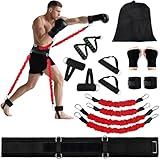
Shadow boxing is a cornerstone of boxing training, a fundamental exercise used by fighters of all levels. It’s a fantastic way to hone your technique, improve your footwork, and build endurance. But what happens when you introduce weights into the mix? Does shadow boxing with weights truly offer an advantage, or does it simply add unnecessary strain? I’ve spent years immersed in the world of boxing, both as a practitioner and observer, and I’m here to break down the science, the benefits, and the potential drawbacks of adding weights to your shadow boxing routine.
We’ll explore how these weighted variations can impact your punching power, speed, and overall conditioning. We’ll also consider the risks involved and how to implement this training method safely and effectively. Whether you’re a seasoned boxer looking to refine your skills or a fitness enthusiast seeking to enhance your workout, this guide will provide you with the insights you need to make an informed decision about incorporating weights into your shadow boxing regimen.
The Fundamentals: Shadow Boxing Unveiled
Before we delve into the world of weighted shadow boxing, let’s revisit the core principles of shadow boxing itself. Shadow boxing is essentially a solo workout where you simulate a fight. You move around, throwing punches, weaving, bobbing, and slipping, all without an opponent present. The primary goal is to practice your technique, develop muscle memory, and improve your cardiovascular fitness.
Key Benefits of Shadow Boxing:
- Technique Refinement: Shadow boxing allows you to focus on the proper form of each punch, ensuring that you’re hitting with the correct mechanics.
- Muscle Memory Development: Repeatedly practicing your punches helps to ingrain these movements into your muscle memory, making them more automatic in a real fight.
- Cardiovascular Conditioning: Shadow boxing is a great way to elevate your heart rate and improve your endurance.
- Footwork Improvement: The constant movement and footwork drills enhance your agility and balance.
- Mental Toughness: Shadow boxing helps you to stay focused and disciplined, building mental resilience.
Shadow boxing is a versatile exercise that can be adapted to suit different fitness levels and training goals. You can vary the intensity, duration, and focus of your workout to target specific areas of improvement.
Adding Weights: A New Dimension to Shadow Boxing
So, what happens when you introduce weights? Adding weights to your shadow boxing routine introduces an element of resistance, which can enhance the training benefits in several ways. The most common methods include using light dumbbells, weighted gloves, or wrist weights. Each of these methods offers a slightly different approach to increasing the challenge.
Types of Weights Used in Shadow Boxing:
- Dumbbells: Holding light dumbbells (typically 1-5 pounds) in each hand is a popular method. This increases the weight of your punches, which can help to build strength and power.
- Weighted Gloves: These gloves are specifically designed to add weight to your hands. They often weigh between 1-3 pounds each and can be a good alternative to dumbbells.
- Wrist Weights: Wrist weights are another option, although they are generally less preferred due to the potential for altering your punching mechanics. They can also put undue stress on the wrists.
The key is to choose weights that are light enough to allow you to maintain proper form and technique. The goal isn’t to lift as much weight as possible, but rather to use the weights to enhance your training.
The Potential Benefits of Weighted Shadow Boxing
Adding weights to your shadow boxing can offer several advantages, including:
Increased Punching Power: The added resistance from the weights forces your muscles to work harder, which can lead to increased strength and power in your punches. This can translate to more impactful blows in a real fight.
Enhanced Muscle Endurance: The resistance provided by the weights also helps to build muscle endurance. Your muscles will become better at withstanding fatigue, allowing you to maintain your punching power and speed for longer durations. (See Also: Does Shadow Boxing Really Work )
Improved Punching Speed: While it might seem counterintuitive, weighted shadow boxing can also help to improve your punching speed. By strengthening the muscles involved in punching, you can increase the speed at which you can generate power. When the weights are removed, your punches will feel lighter and faster.
Greater Muscle Definition: The added resistance can also contribute to increased muscle definition in your arms, shoulders, and back. This is because your muscles are working harder to overcome the resistance, leading to muscle growth.
Enhanced Shoulder Stability: Shadow boxing with weights can strengthen the muscles around your shoulder joint, improving stability and reducing the risk of injury. This is crucial for boxers who repeatedly throw punches over extended periods.
Increased Calorie Burn: The added resistance also increases the intensity of your workout, resulting in a higher calorie burn. This can contribute to weight loss and improved overall fitness.
The Risks and Considerations
While weighted shadow boxing can offer significant benefits, it’s essential to be aware of the potential risks and considerations. Improper use of weights can lead to injuries, so it’s crucial to prioritize safety.
Potential Risks:
- Altered Punching Mechanics: Using weights that are too heavy can lead to changes in your punching form. This can negatively affect your technique and potentially lead to injuries.
- Increased Risk of Injury: Improper form, combined with the added resistance, can increase the risk of injuries to your shoulders, wrists, and elbows.
- Muscle Strain: Overuse or using weights that are too heavy can cause muscle strains and fatigue.
- Shoulder Issues: Overuse, especially with improper form, can lead to rotator cuff strains or impingement syndrome.
Important Considerations:
- Proper Form is Paramount: Always prioritize proper form over the amount of weight you’re using. If your form starts to break down, reduce the weight or stop the exercise.
- Start Light: Begin with very light weights (1-2 pounds) and gradually increase the weight as your strength and endurance improve.
- Listen to Your Body: Pay attention to any pain or discomfort. If you experience any pain, stop the exercise immediately.
- Warm-up Properly: Always warm up your muscles before starting your weighted shadow boxing routine. This helps to prepare your muscles for the added stress.
- Cool Down: After your workout, cool down with some stretching to help your muscles recover.
- Focus on Technique: Even with weights, maintain your focus on proper punching technique.
- Don’t Overdo It: Limit your weighted shadow boxing sessions to 2-3 times per week to allow your body to recover.
How to Implement Weighted Shadow Boxing Safely and Effectively
To maximize the benefits of weighted shadow boxing while minimizing the risks, follow these guidelines:
1. Choose the Right Weights: Start with light weights, such as 1-2 pound dumbbells. You can gradually increase the weight as you get stronger, but always prioritize proper form. If you’re using weighted gloves, start with lighter models and make sure they fit comfortably.
2. Focus on Form: Throughout your workout, pay close attention to your punching technique. Make sure you’re keeping your elbows tucked in, your core engaged, and your punches straight. If your form starts to falter, reduce the weight or stop the exercise. (See Also: Are Boxing Classes Worth It )
3. Warm-up Thoroughly: Before starting your weighted shadow boxing session, warm up your muscles with dynamic stretches and light cardio. This will help to prepare your muscles for the added stress and reduce the risk of injury. Examples include arm circles, shoulder rotations, and light jogging.
4. Start Slow: Begin with shorter rounds and gradually increase the duration of your workouts as you get stronger. Don’t try to do too much too soon.
5. Incorporate Variety: Mix up your workouts by varying the types of punches you throw, the angles of your punches, and the speed at which you punch. This will help to keep your workouts engaging and challenging.
6. Rest and Recover: Allow your body adequate time to rest and recover between workouts. Avoid doing weighted shadow boxing on consecutive days. Get enough sleep, eat a healthy diet, and stay hydrated to support muscle recovery.
7. Consider Professional Guidance: If you’re new to shadow boxing with weights, consider consulting with a boxing coach or certified personal trainer. They can provide personalized guidance and help you to develop a safe and effective training program.
8. Include a Cool-Down: After your workout, cool down with static stretches to improve flexibility and reduce muscle soreness. Hold each stretch for 20-30 seconds.
9. Monitor Your Progress: Keep track of your workouts, the weights you’re using, and your progress. This will help you to stay motivated and track your improvement over time.
10. Listen to Your Body: This is perhaps the most important point. If you experience any pain or discomfort during your workout, stop immediately. Don’t push yourself too hard, and always prioritize your safety.
Comparing Weighted Shadow Boxing with Other Training Methods
To fully understand the role of weighted shadow boxing, it’s helpful to compare it to other training methods commonly used by boxers.
vs. Regular Shadow Boxing: Weighted shadow boxing takes regular shadow boxing to the next level by introducing resistance. This can lead to greater gains in strength, power, and endurance. However, regular shadow boxing is still essential for refining technique and building muscle memory. The two methods complement each other. (See Also: Does Boxing Classes Help With Weight Loss )
vs. Heavy Bag Training: Heavy bag training is another staple in boxing. It allows you to practice punching with full force and develop power. Weighted shadow boxing can be used to build the strength and endurance needed for effective heavy bag work. The heavy bag provides a target and feedback, which shadow boxing lacks.
vs. Strength Training (Weightlifting): Weightlifting, such as squats, deadlifts, and bench presses, builds overall strength and power. Weighted shadow boxing focuses more on the specific movements and muscles used in boxing. Weightlifting can be a valuable supplement to a boxer’s training, but it’s not a direct substitute for weighted shadow boxing.
vs. Speed Bag Training: The speed bag helps to improve hand-eye coordination, timing, and speed. Weighted shadow boxing can be used to build the strength and endurance needed to maintain speed during speed bag work. The speed bag helps build rhythm and timing, which shadow boxing can improve.
vs. Cardio Training (Running, Jumping Rope): Cardio training improves cardiovascular fitness and endurance. Weighted shadow boxing can also improve cardiovascular fitness, but it also has the added benefit of building boxing-specific strength and technique. Cardio training is still important for overall fitness.
Table: Comparison of Training Methods
| Training Method | Primary Benefit | Key Focus | Equipment |
|---|---|---|---|
| Regular Shadow Boxing | Technique, Muscle Memory, Cardio | Punching form, footwork | None |
| Weighted Shadow Boxing | Strength, Power, Endurance | Punching with resistance | Dumbbells, Weighted Gloves, Wrist Weights |
| Heavy Bag Training | Power, Technique, Conditioning | Punching with force | Heavy Bag |
| Strength Training (Weightlifting) | Overall Strength and Power | Compound exercises | Weights, Machines |
| Speed Bag Training | Hand-Eye Coordination, Speed, Rhythm | Punching a moving target | Speed Bag |
| Cardio Training | Cardiovascular Fitness, Endurance | Running, Jumping, etc. | None or minimal |
Integrating Weighted Shadow Boxing Into Your Routine
To get the most out of weighted shadow boxing, it’s important to integrate it strategically into your overall training program. Here’s a sample weekly plan:
Sample Weekly Training Plan:
- Monday: Strength Training (Weightlifting) – Focus on compound exercises like squats, deadlifts, and bench presses.
- Tuesday: Weighted Shadow Boxing – Focus on technique and endurance. Use light weights and shorter rounds.
- Wednesday: Active Recovery – Light cardio, stretching, or yoga.
- Thursday: Heavy Bag Training – Focus on power and technique.
- Friday: Weighted Shadow Boxing – Focus on speed and power. Use slightly heavier weights and shorter rounds.
- Saturday: Sparring or Conditioning – Sparring if you have a partner, or a high-intensity interval training (HIIT) workout.
- Sunday: Rest or Active Recovery – Rest or light cardio, stretching, or yoga.
This is just a sample plan, and you can adjust it to suit your individual needs and goals. The key is to vary your workouts and allow your body adequate time to recover. Remember to prioritize proper form, listen to your body, and gradually increase the intensity of your workouts.
The Long-Term Perspective: Consistency and Adaptation
The benefits of weighted shadow boxing are best realized through consistent training over time. It’s not a quick fix; it’s a tool that, when used correctly, can contribute significantly to your overall boxing performance. As you progress, your body will adapt to the added resistance. You’ll likely find that you can handle heavier weights, throw punches with more power, and maintain your speed and endurance for longer periods.
Key Takeaways for Long-Term Success:
- Consistency: Stick to your training plan and make weighted shadow boxing a regular part of your routine.
- Progressive Overload: Gradually increase the weight, duration, or intensity of your workouts over time to continue challenging your body.
- Listen to Your Body: Pay attention to any signs of fatigue or injury and adjust your training accordingly.
- Vary Your Training: Mix up your workouts to prevent boredom and target different aspects of your fitness.
- Stay Patient: Results take time and effort. Don’t get discouraged if you don’t see immediate results.
- Nutrition and Recovery: Fuel your body with a healthy diet and prioritize rest and recovery to maximize your gains.
By following these principles, you can make weighted shadow boxing a sustainable and effective part of your training regimen.
Conclusion
Incorporating weights into your shadow boxing routine can be a valuable addition to your training arsenal. It can enhance your punching power, improve your muscle endurance, and increase your overall fitness. However, it’s crucial to approach this training method with caution. Prioritize proper form, start with light weights, and gradually increase the intensity as your strength and endurance improve. By following these guidelines and listening to your body, you can harness the benefits of weighted shadow boxing while minimizing the risks. Remember that consistent training, proper technique, and a focus on recovery are essential for achieving long-term success. With dedication and a smart approach, weighted shadow boxing can be a potent tool in your quest to improve your boxing skills and achieve your fitness goals. It’s about finding the right balance between challenge and safety, ensuring you’re constantly pushing yourself while protecting your body from injury.