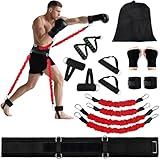
Ever wondered if you could sculpt a leaner physique without stepping foot in a crowded gym or spending hours on a treadmill? Well, you might be surprised to learn the answer is a resounding yes! Shadow boxing, the art of mimicking boxing movements without an opponent, is more than just a workout; it’s a full-body experience that can significantly impact your physical fitness.
This guide will explore the fascinating world of shadow boxing, answering the crucial question: does shadow boxing tone your body? We’ll break down the science behind the movements, the muscles involved, and the amazing benefits you can expect. Whether you’re a seasoned athlete or a complete beginner, get ready to discover how shadow boxing can transform your body and your approach to fitness. Let’s get started!
The Fundamentals of Shadow Boxing
Before we delve into the toning aspect, let’s establish the core principles of shadow boxing. At its heart, it’s about practicing boxing techniques: jabs, crosses, hooks, uppercuts, and footwork, all performed in a controlled environment. The key is to visualize an opponent, moving around them, and throwing punches with proper form and power. This mindful practice is what sets shadow boxing apart from a simple arm-pumping exercise.
Essential Shadow Boxing Techniques
- Jabs: The foundation of boxing. A quick, straight punch thrown with your lead hand. Focus on speed and accuracy.
- Crosses: A powerful punch thrown with your rear hand, crossing over your body. Generate power from your core and legs.
- Hooks: A sweeping punch aimed at the side of your opponent’s head or body. Requires good hip rotation.
- Uppercuts: An upward punch, excellent for close-range combat. Utilize your legs to generate upward force.
- Footwork: Crucial for balance and movement. Practice shuffling, pivoting, and slipping to improve your agility.
Proper Form: The Cornerstone of Effectiveness
Correct form is paramount. Incorrect technique can lead to injuries and limit your results. Here’s a quick guide to getting it right:
- Stance: Feet shoulder-width apart, one foot slightly ahead of the other. Knees bent, weight balanced.
- Guard: Hands up, protecting your face. Elbows in, protecting your body.
- Punches: Rotate your body with each punch. Extend your arm fully, but don’t lock your elbow.
- Footwork: Stay light on your feet. Move smoothly and efficiently.
- Breathing: Exhale with each punch. Inhale during recovery.
Muscles Worked During Shadow Boxing
Shadow boxing is a comprehensive workout that engages multiple muscle groups. This full-body engagement is a major factor in its toning capabilities. Let’s break down the key areas:
Upper Body Muscles
- Shoulders (Deltoids): Crucial for punching power and shoulder stability. They work during every punch.
- Chest (Pectorals): Involved in the pushing motion of punches, particularly crosses.
- Back (Latissimus Dorsi, Trapezius): Provide stability and power for punches. The lats help with pulling the arm back.
- Arms (Biceps, Triceps): Biceps flex the arm, while triceps extend it, both essential for punching and guarding.
Core Muscles
- Abdominals (Rectus Abdominis, Obliques): Crucial for generating power, stability, and rotational movement. They’re constantly engaged to stabilize the torso.
- Lower Back (Erector Spinae): Support your spine and help you maintain posture.
Lower Body Muscles
- Legs (Quadriceps, Hamstrings, Glutes, Calves): Provide the foundation for power generation and movement. They are essential for footwork, balance, and transferring power from the ground up.
How Shadow Boxing Contributes to Body Toning
Now, let’s address the central question: how does shadow boxing contribute to body toning? The answer lies in its unique combination of cardiovascular activity and muscle engagement. (See Also: Does Shadow Boxing Really Work )
Cardiovascular Benefits and Fat Burning
Shadow boxing is an excellent cardiovascular workout. The constant movement, rapid punches, and footwork elevate your heart rate, leading to increased calorie expenditure. This is a crucial aspect of fat loss, which is essential for revealing toned muscles. Regularly engaging in shadow boxing can improve your cardiovascular health and boost your metabolism, helping you burn more calories even after your workout.
Muscle Building and Definition
Shadow boxing isn’t just about burning calories; it also stimulates muscle growth. The repetitive punching motions and core engagement provide resistance, helping to build lean muscle mass. As you build muscle and reduce body fat, your muscles will become more defined and toned. This is the ultimate goal of body toning: to create a lean, sculpted physique.
Full-Body Engagement for Balanced Toning
Unlike exercises that isolate specific muscle groups, shadow boxing engages your entire body. This holistic approach ensures that you develop a balanced physique, avoiding the disproportionate muscle development that can occur with some exercises. Your shoulders, chest, back, core, and legs all work together, resulting in a more functional and aesthetically pleasing physique.
Shadow Boxing vs. Other Toning Exercises
Let’s compare shadow boxing to other popular toning exercises to understand its unique advantages.
| Exercise | Cardiovascular Impact | Muscle Engagement | Overall Toning | Equipment Needed |
|---|---|---|---|---|
| Shadow Boxing | High | Full Body | Excellent | None |
| Running | High | Lower Body (Primarily) | Good (Lower Body) | Shoes |
| Weightlifting | Moderate | Targeted (Specific Muscles) | Excellent (Muscle Building) | Weights |
| Yoga | Low to Moderate | Full Body (Flexibility Focus) | Good (Muscle Definition & Flexibility) | Yoga Mat |
As the table shows, shadow boxing offers a unique blend of cardiovascular benefits and full-body muscle engagement, making it a highly effective exercise for overall toning. While running is great for cardiovascular health, it primarily targets the lower body. Weightlifting is exceptional for building muscle, but it may require more equipment and a more targeted approach. Yoga improves flexibility and muscle definition, but it has a lower cardiovascular impact. (See Also: Are Boxing Classes Worth It )
Creating an Effective Shadow Boxing Routine
To maximize the toning benefits, you need to structure your shadow boxing sessions effectively. Here’s a sample routine and some tips for success.
Sample Shadow Boxing Routine
- Warm-up (5 minutes): Jumping jacks, high knees, arm circles, and dynamic stretching.
- Shadow Boxing Rounds (3-5 rounds of 3 minutes each, with 1-minute rest between rounds):
- Round 1: Jabs and crosses, focusing on speed and accuracy.
- Round 2: Hooks and uppercuts, incorporating footwork.
- Round 3: Combination of all punches, practicing defensive movements (slipping, rolling, blocking).
- Round 4 (Optional): Focus on a specific technique or combination.
- Round 5 (Optional): Freestyle, focusing on speed, power, and movement.
- Cool-down (5 minutes): Static stretching, holding each stretch for 30 seconds.
Tips for Success
- Focus on Form: Prioritize proper technique over speed or power. This will prevent injuries and maximize muscle engagement.
- Visualize an Opponent: Imagine a real opponent and move around them, making your punches more realistic.
- Use a Mirror: Watching yourself in a mirror helps you correct your form and improve your technique.
- Vary Your Routine: Change up your combinations, footwork, and intensity to keep things interesting and challenge your muscles.
- Incorporate Rest: Allow your body adequate rest and recovery between workouts.
- Stay Hydrated: Drink plenty of water before, during, and after your workouts.
- Listen to Your Body: Don’t push yourself too hard, especially when starting. Modify the routine as needed.
- Add Resistance (Optional): Once you’ve mastered the basics, consider adding light weights (wrist or ankle weights) to increase the intensity.
Integrating Shadow Boxing Into Your Fitness Plan
Shadow boxing can be a standalone workout or integrated into a broader fitness plan. Here’s how to make it work for you:
As a Standalone Workout
For beginners or those with limited time, shadow boxing can be a complete workout. Aim for 3-4 sessions per week, following the sample routine outlined above. Gradually increase the number of rounds or the intensity of your punches as you get fitter. Supplement your shadow boxing with some core exercises and stretching.
Combining with Other Exercises
Shadow boxing complements other forms of exercise very well. You can incorporate it into your existing routine in several ways:
- Cardio Warm-up: Use shadow boxing for 10-15 minutes as a warm-up before your strength training sessions.
- Cross-Training: Alternate shadow boxing with other activities like running, swimming, or cycling to provide variety and prevent overuse injuries.
- Active Recovery: Shadow box at a lower intensity on your rest days to promote blood flow and aid muscle recovery.
Nutrition and Shadow Boxing
Nutrition plays a critical role in achieving your toning goals. A balanced diet that supports muscle growth and fat loss is essential. (See Also: Does Boxing Classes Help With Weight Loss )
- Protein: Consume adequate protein to help repair and rebuild muscle tissue. Aim for around 0.8 grams of protein per pound of body weight.
- Carbohydrates: Choose complex carbohydrates for sustained energy.
- Healthy Fats: Include healthy fats in your diet for overall health and hormone production.
- Hydration: Drink plenty of water to stay hydrated and support your workouts.
- Calorie Deficit: To lose fat and reveal toned muscles, you need to consume fewer calories than you burn.
Common Mistakes to Avoid
While shadow boxing is a highly effective exercise, certain mistakes can hinder your progress or lead to injury. Here are some common pitfalls and how to avoid them.
- Poor Form: As mentioned earlier, incorrect form is the most significant mistake. Focus on proper technique from the start. Watch videos, and consider getting feedback from a trainer.
- Neglecting Footwork: Footwork is crucial for balance, agility, and power generation. Don’t neglect it. Practice your footwork drills regularly.
- Not Warming Up: Always warm up before your shadow boxing session to prepare your muscles and reduce the risk of injury.
- Overdoing It: Don’t push yourself too hard, especially when starting. Gradually increase the intensity and duration of your workouts.
- Ignoring Rest: Allow your body adequate rest and recovery between workouts. Overtraining can lead to fatigue, injury, and a plateau in your progress.
- Lack of Consistency: Consistency is key to achieving your fitness goals. Stick to your workout schedule and be patient. Results take time.
- Not Varying Your Routine: Changing up your routines will keep your body challenged and prevent plateaus.
Progression and Advanced Techniques
As you become more proficient, you can gradually increase the intensity and complexity of your shadow boxing workouts. Here are some advanced techniques and progression strategies.
Advanced Techniques
- Adding Weights: Use light hand weights or wrist weights to increase resistance and build more muscle.
- Focus Mitts: Incorporate focus mitt work with a partner to improve your technique and power.
- Heavy Bag Work: Transition to heavy bag training to develop your punching power and endurance.
- Sparring (with a Partner): If you’re interested in competitive boxing, sparring is essential for developing your skills.
Progression Strategies
- Increase Round Length: Gradually increase the duration of your shadow boxing rounds.
- Add More Rounds: Increase the number of rounds in your workout.
- Increase Punching Speed: Focus on throwing punches faster while maintaining good form.
- Add More Complex Combinations: Learn and practice more advanced punch combinations.
- Incorporate Plyometrics: Include plyometric exercises like jump squats or burpees to improve your explosiveness.
Verdict
So, does shadow boxing tone your body? Absolutely! Shadow boxing is an incredibly effective and versatile exercise that offers a multitude of benefits. It boosts cardiovascular health, burns calories, and builds lean muscle mass. By incorporating shadow boxing into your fitness routine, you can sculpt a toned physique, improve your overall fitness, and enhance your athletic performance. Remember to prioritize proper form, stay consistent, and listen to your body.
With dedication and the right approach, you can achieve your fitness goals and experience the amazing transformative power of shadow boxing. It’s a fantastic way to get fit, have fun, and build a body you can be proud of. Get ready to start punching your way to a healthier, more toned you!