Ever wondered if you can sculpt a six-pack without hitting a heavy bag or sparring? Shadow boxing, the art of boxing without an opponent, might be the answer. It’s a fantastic workout, readily accessible, and can be done anywhere, anytime. But the burning question remains: does shadow boxing build abs?
The short answer is: yes, it absolutely can. However, like any fitness endeavor, it’s more nuanced than a simple yes or no. Shadow boxing, when done correctly and consistently, engages your core muscles significantly. It’s not just about throwing punches; it’s about the entire body movement, from your feet to your head. In this guide, we’ll break down the science, the techniques, and the best practices to maximize your core engagement and achieve those coveted abdominal muscles through shadow boxing.
Get ready to learn how to make the most of this versatile workout and finally answer the question definitively.
The Core Connection: Why Shadow Boxing Works Your Abs
Shadow boxing isn’t just flailing your arms around. It’s a full-body workout that demands coordination, balance, and, crucially, core engagement. Your abdominal muscles play a pivotal role in every punch, every defensive maneuver, and every movement. Understanding this connection is the first step towards using shadow boxing effectively for ab development.
The Science Behind the Swings
When you throw a punch, your core acts as the powerhouse. It’s the anchor that allows you to generate force and transfer it from your legs and hips through your torso, and ultimately, into your fist. Without a strong core, your punches will lack power, and your movements will be sloppy. The core muscles, including the rectus abdominis (the six-pack), the obliques (the side muscles), and the transverse abdominis (the deep core muscle), work together to stabilize your body and rotate your torso. This constant engagement is what makes shadow boxing so effective for ab development.
Key Core Muscles in Action
- Rectus Abdominis: This is your ‘six-pack’ muscle. It’s responsible for flexing your spine, as in a crunch, and is heavily engaged during punches and defensive movements.
- Obliques: These muscles run along the sides of your abdomen. They are essential for rotational movements, such as twisting your torso when throwing hooks and uppercuts, which gives you power.
- Transverse Abdominis: This is your deepest core muscle. It acts like a corset, stabilizing your spine and pulling your abdominal wall inward. Good core stability is key for all boxing moves.
How Shadow Boxing Exercises the Core
Shadow boxing works the core dynamically. Unlike static exercises, like planks, shadow boxing involves constant movement and rotation. This dynamic engagement is excellent for building both strength and endurance in your abdominal muscles. The constant twisting, bending, and bracing required during shadow boxing keep your core engaged throughout the entire workout.
Techniques to Maximize Ab Engagement in Shadow Boxing
Simply throwing punches isn’t enough to build impressive abs. You need to focus on technique and form to ensure proper core engagement. Here’s a breakdown of key techniques to maximize your abdominal workout during shadow boxing.
Proper Stance and Posture
Your stance is the foundation of good shadow boxing and core engagement. A proper boxing stance provides a stable base and allows for efficient power transfer. Here’s how to achieve it:
- Feet: Stand with your feet shoulder-width apart, one foot slightly ahead of the other (typically your non-dominant foot).
- Knees: Slightly bend your knees to maintain a low center of gravity and provide stability.
- Weight Distribution: Distribute your weight evenly between your feet, but with a slight bias towards the balls of your feet. This allows for quick movement and power generation.
- Posture: Keep your back straight, your chest up, and your shoulders relaxed. Avoid hunching or slouching, as this will reduce core engagement.
- Chin Down: Protect your chin to maintain a strong core posture.
Punching with Core Power
Every punch should originate from your core. Here’s how to engage your core for each type of punch:
- Jab: Rotate your torso slightly as you extend your arm. Your core should initiate the movement, providing the power and stability.
- Cross: Rotate your hips and torso powerfully into the punch. The core is the primary driver of this movement, generating maximum force.
- Hook: Twist your torso and engage your obliques to generate the rotational force needed for the hook.
- Uppercut: Drive upwards from your legs and core, engaging your abdominal muscles to generate power and maintain balance.
Defensive Movements and Core Work
Defensive movements are just as crucial as offensive ones for core development. These movements require you to brace your core to maintain balance and stability. (See Also: Does Shadow Boxing Really Work )
- Bob and Weave: Bend at the knees and waist, keeping your core engaged to protect your head and avoid punches.
- Slip: Shift your weight and torso slightly to the side to avoid a punch. Keep your core tight to maintain balance.
- Block: Engage your core to brace against the force of a punch and protect your body.
Drills and Exercises to Boost Core Engagement
Incorporate specific drills and exercises into your shadow boxing routine to target your core muscles more effectively.
- Torso Twists: Practice torso twists between punches to enhance rotational power and engage your obliques.
- Medicine Ball Rotations: Hold a medicine ball and rotate your torso from side to side to strengthen your core.
- High Knees: Incorporate high knees to engage your core and improve cardiovascular fitness.
- Plank Variations: Integrate plank variations, such as side planks and plank with arm or leg lifts, to build core strength and stability.
Building a Shadow Boxing Routine for Abs
Creating a structured shadow boxing routine is key to maximizing your results. Here’s a sample routine you can follow, along with tips on duration, intensity, and frequency.
Sample Shadow Boxing Workout Routine
This routine is designed to be a starting point. Adjust the rounds and rest periods based on your fitness level.
- Warm-up (3 minutes): Jumping jacks, high knees, arm circles.
- Shadow Boxing (3 rounds of 3 minutes each with 1-minute rest):
- Round 1: Focus on jabs and crosses, emphasizing core engagement.
- Round 2: Incorporate hooks and uppercuts, focusing on rotational power.
- Round 3: Combine all punches with defensive movements.
Duration and Intensity
Aim for at least 30 minutes of shadow boxing, including warm-up, cool-down, and core exercises. Adjust the duration and intensity based on your fitness level. Beginners should start with shorter rounds and longer rest periods, gradually increasing the duration and intensity as they progress. High-intensity interval training (HIIT) can also be used in shadow boxing. For instance, you could do 30 seconds of high-intensity punching followed by 30 seconds of rest. Repeat these intervals for 10-15 minutes.
Frequency
To see results, shadow box at least 3-4 times per week. Consistency is key. Combine shadow boxing with other exercises and a healthy diet for optimal results.
Incorporating Core Exercises
Supplement your shadow boxing routine with specific core exercises. These exercises will help you target your abdominal muscles more directly and build strength and definition. Here are some effective exercises:
- Crunches: A classic exercise that targets the rectus abdominis.
- Russian Twists: Works the obliques, improving rotational power.
- Planks: Builds core strength and stability.
- Leg Raises: Targets the lower abs.
Diet and Nutrition: Fueling Your Abs
Exercise alone isn’t enough to build a defined six-pack. Diet and nutrition play a crucial role in reducing body fat and revealing your abdominal muscles. Here’s how to fuel your body for optimal results.
The Importance of a Healthy Diet
Your diet determines whether your hard work in shadow boxing will pay off. A healthy diet helps to reduce overall body fat, which is essential for seeing your abs. It also provides your body with the nutrients needed to build and repair muscle tissue.
Key Dietary Considerations
- Calorie Deficit: To lose body fat, you need to consume fewer calories than you burn.
- Protein Intake: Consume adequate protein to support muscle growth and repair. Aim for 0.8 to 1 gram of protein per pound of body weight.
- Complex Carbohydrates: Choose complex carbohydrates, such as whole grains, fruits, and vegetables, for sustained energy.
- Healthy Fats: Include healthy fats, such as avocados, nuts, and olive oil, in your diet.
- Hydration: Drink plenty of water to stay hydrated and support bodily functions.
Foods to Include in Your Diet
Focus on whole, unprocessed foods that are rich in nutrients and low in calories. Here are some examples: (See Also: Are Boxing Classes Worth It )
- Lean Protein: Chicken breast, fish, turkey, lean beef, eggs, and Greek yogurt.
- Complex Carbohydrates: Oats, quinoa, brown rice, sweet potatoes, and fruits.
- Healthy Fats: Avocados, nuts, seeds, and olive oil.
- Vegetables: Leafy greens, broccoli, cauliflower, and bell peppers.
- Fruits: Berries, apples, oranges, and bananas.
Foods to Limit or Avoid
Minimize your intake of processed foods, sugary drinks, and unhealthy fats. Here are some examples:
- Processed Foods: Fast food, packaged snacks, and refined grains.
- Sugary Drinks: Soda, juice, and sweetened beverages.
- Unhealthy Fats: Fried foods, processed meats, and excessive saturated fats.
- Excessive Alcohol: Alcohol can hinder fat loss and muscle growth.
Meal Timing and Frequency
While meal timing is less critical than overall calorie intake and nutrient composition, consider the following:
- Pre-Workout Meal: Consume a meal or snack with carbohydrates and protein 1-2 hours before your shadow boxing workout for energy.
- Post-Workout Meal: Consume a meal with protein and carbohydrates within 1-2 hours after your workout to support muscle recovery.
- Meal Frequency: Eat 3-5 meals per day to maintain energy levels and support muscle growth.
Advanced Techniques and Variations
Once you’ve mastered the basics, you can incorporate advanced techniques and variations to challenge your core further and enhance your results. These techniques will help you take your shadow boxing to the next level.
Adding Resistance
Using resistance can intensify your workout and provide additional challenges for your core. Here are a few ways to add resistance:
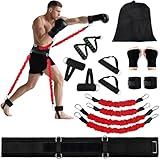
- Resistance Bands: Wrap resistance bands around your ankles or wrists to increase the difficulty of your punches and defensive movements.
- Light Dumbbells: Hold light dumbbells while shadow boxing to increase the load on your core muscles.
- Weighted Vest: Wear a weighted vest to increase the overall intensity of your workout.
Integrating Different Styles of Boxing
Experimenting with different boxing styles can help you target your core from various angles and keep your workouts engaging. Here are some styles you can try:
- American Boxing: Focus on combinations of punches and footwork.
- Thai Boxing (Muay Thai): Incorporate knee strikes, elbow strikes, and clinch work.
- Kickboxing: Include kicks and punches for a full-body workout.
Partner Drills
Shadow boxing with a partner can add a new dimension to your training. Here are some partner drills you can try:
- Focus Mitt Work: Have a partner hold focus mitts while you practice punching combinations, focusing on core engagement.
- Pad Work: Use pads for defense drills to work on your blocking, slipping, and weaving techniques.
- Body Shots: Practice throwing body shots on a heavy bag or focus mitts to strengthen your core.
Plyometric Exercises
Incorporate plyometric exercises to improve your explosiveness and core strength. These exercises involve explosive movements that engage your core muscles.
- Jump Squats: Perform jump squats to improve your leg power and core stability.
- Box Jumps: Jump onto a box to improve your explosive power and core strength.
- Medicine Ball Slams: Slam a medicine ball to the ground to engage your core and improve rotational power.
Common Mistakes to Avoid
While shadow boxing is a great workout, it’s easy to make mistakes that can hinder your progress or lead to injuries. Here are some common mistakes to avoid.
Poor Form and Technique
Incorrect form is one of the biggest culprits of ineffective workouts and potential injuries. Always prioritize proper form over speed or power. (See Also: Does Boxing Classes Help With Weight Loss )
- Slouching: Maintain good posture, keeping your back straight and chest up.
- Dropping Hands: Keep your hands up to protect your face and engage your core.
- Excessive Twisting: Avoid over-rotating your torso, as this can strain your back.
Neglecting Core Engagement
Failing to engage your core is a common mistake that reduces the effectiveness of your workout. Make a conscious effort to keep your core tight throughout your shadow boxing routine.
- Not Bracing: Engage your core muscles as if you’re bracing for a punch.
- Relying on Momentum: Control your movements and avoid relying on momentum, which can reduce core engagement.
Inconsistent Training
Consistency is key to achieving results. Skipping workouts or not following a structured routine can slow down your progress.
- Inconsistent Schedule: Stick to a regular shadow boxing schedule to ensure consistent training.
- Lack of Progression: Gradually increase the intensity and duration of your workouts to challenge your core and promote muscle growth.
Ignoring Diet and Nutrition
Even with consistent shadow boxing, you won’t see results if you don’t eat a healthy diet. Ignoring your nutrition can hinder fat loss and muscle development.
- Poor Diet: Consume a balanced diet with adequate protein, complex carbohydrates, and healthy fats.
- Excessive Calories: Consume a calorie deficit to lose body fat and reveal your abs.
Safety Considerations and Injury Prevention
Shadow boxing is a relatively safe form of exercise, but it’s important to take precautions to prevent injuries. Here are some safety tips to keep in mind.
Warm-Up Properly
Always warm up before shadow boxing to prepare your muscles for exercise. This will improve your performance and reduce your risk of injury.
- Dynamic Stretching: Perform dynamic stretching exercises, such as arm circles, leg swings, and torso twists.
- Cardio: Do some light cardio, such as jumping jacks or jogging in place.
Use Proper Equipment
Using the right equipment can enhance your workouts and protect your body.
- Boxing Gloves: Protect your hands and wrists by wearing boxing gloves.
- Hand Wraps: Use hand wraps for additional wrist support.
- Comfortable Shoes: Wear shoes with good support and cushioning.
Listen to Your Body
Pay attention to your body and take rest days when needed. Pushing yourself too hard can lead to injuries.
- Rest Days: Take rest days to allow your muscles to recover.
- Pain Management: Stop exercising if you feel any pain.
Stay Hydrated
Drinking plenty of water is essential for performance and recovery.
- Before, During, and After: Drink water before, during, and after your shadow boxing workout.
Final Verdict
So, does shadow boxing build abs? The answer is a resounding yes! When combined with proper technique, consistent effort, and a healthy diet, shadow boxing can be a highly effective method for developing a strong and defined core. It’s a versatile, accessible workout that can be tailored to all fitness levels. By focusing on core engagement, incorporating a structured routine, and paying attention to your diet, you can unlock the abdominal definition you’ve been striving for. Remember, consistency and proper form are key. Now, lace up those gloves and start punching your way to a stronger core and a more sculpted physique.
Shadow boxing is more than just a workout; it’s a testament to the power of discipline and dedication. Embrace the journey, and enjoy the process of building a stronger, healthier you, one punch at a time.