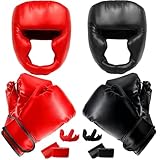
Ever feel the urge to punch something? We’ve all been there. But instead of resorting to questionable outlets, consider the humble boxing bag. It’s more than just a piece of sporting equipment; it’s a versatile tool that can transform your fitness journey, relieve stress, and even build some serious skills. Whether you’re a seasoned athlete or a complete beginner, the boxing bag offers a world of possibilities.
This isn’t just about throwing a few punches. We’re going to explore the myriad ways a boxing bag can benefit you. We’ll look at the physical advantages, the mental health boosts, and the practical skills you can develop. I’ll also share tips on how to choose the right bag, set up your workout space, and get started with effective training routines. Get ready to discover how this simple piece of equipment can pack a powerful punch in your life!
The Physical Benefits: A Knockout Workout
Let’s get straight to the point: using a boxing bag is a fantastic workout. It’s a full-body experience that engages numerous muscle groups simultaneously. Forget boring, repetitive gym routines; this is dynamic and engaging.
Cardiovascular Health
Firstly, it’s a cardiovascular powerhouse. Throwing punches, moving around the bag, and maintaining a solid stance elevates your heart rate, providing a superb cardio workout. This helps improve your cardiovascular health by:
- Strengthening your heart: Regular cardio makes your heart more efficient at pumping blood.
- Lowering blood pressure: Exercise helps to keep your blood pressure in a healthy range.
- Improving cholesterol levels: Boxing can help increase good cholesterol (HDL) and lower bad cholesterol (LDL).
How to maximize cardio: Focus on interval training. Alternate between high-intensity rounds of punching and brief periods of rest or active recovery (like light footwork). This method significantly boosts your cardiovascular fitness.
Muscle Building and Toning
Boxing bag workouts are not just about cardio; they’re also incredibly effective for building and toning muscle. Every punch, every movement, activates a range of muscles:
- Upper Body: Your shoulders, chest, back, and arms (biceps and triceps) are constantly engaged as you throw punches and maintain your guard.
- Core: The core muscles are essential for generating power, stability, and balance. They’re working overtime to keep you upright and allow you to rotate your torso.
- Lower Body: Your legs and glutes provide the foundation for your punches and footwork. Squats, lunges, and other footwork drills will build lower body strength and endurance.
Why it’s effective: The resistance provided by the bag, combined with the explosive movements, creates an environment where muscles are challenged and grow stronger. Furthermore, the combination of cardio and strength training in a single session is highly efficient for overall fitness.
Improved Coordination and Agility
Boxing bag work isn’t just brute force; it requires precision and coordination. You’re constantly working on:
- Hand-eye coordination: Hitting a moving target (the bag) improves your ability to track and react.
- Balance: Maintaining a solid stance while throwing punches and moving around the bag enhances your balance.
- Agility: Footwork drills and quick movements improve your agility and reflexes.
How to improve coordination: Practice different combinations, focusing on accuracy and speed. Incorporate footwork drills to enhance agility. Start slowly, focusing on technique, and gradually increase the speed and complexity of your movements.
Enhanced Endurance
Boxing is a demanding activity. It requires both muscular and cardiovascular endurance. Regular training will:
- Increase your stamina: You’ll be able to work harder and for longer periods.
- Reduce fatigue: Your body will become more efficient at utilizing energy.
How to build endurance: Gradually increase the duration and intensity of your workouts. Incorporate interval training and longer rounds. Consistency is key.
The Mental Health Benefits: Punching Away Stress
Beyond the physical advantages, boxing bag workouts offer significant mental health benefits. It’s a fantastic way to relieve stress, improve your mood, and boost your confidence. (See Also: Are Boxing Gloves Unisex )
Stress Relief and Emotional Release
Letting out pent-up frustration on a boxing bag can be incredibly therapeutic. It provides a healthy outlet for negative emotions:
- Physical release: The act of punching itself is a physical release, helping to dissipate tension.
- Mental distraction: Focusing on the workout can take your mind off worries.
- Improved mood: Exercise releases endorphins, which have mood-boosting effects.
How to use it for stress relief: When you’re feeling stressed, head to the bag and let it all out. Don’t worry about technique initially; focus on the physical act of punching. As you become more comfortable, you can focus on proper form and technique.
Improved Focus and Concentration
Boxing requires focus and concentration. You need to be present in the moment, reacting to the bag’s movements and planning your next move. This can:
- Sharpen your mind: Regular practice improves your ability to concentrate.
- Reduce distractions: The focused nature of the workout helps you to shut out external noise.
How to improve focus: During your workout, concentrate on your technique, breathing, and the rhythm of your punches. Eliminate distractions by turning off your phone and creating a dedicated workout space.
Increased Confidence and Self-Esteem
As you improve your skills and fitness, your confidence will naturally increase. You’ll feel a sense of accomplishment and empowerment:
- Sense of achievement: Achieving fitness goals boosts self-esteem.
- Feeling of empowerment: Learning self-defense techniques makes you feel safer and more capable.
Building confidence: Set realistic goals and track your progress. Celebrate your achievements, no matter how small. Focus on improving your technique and learning new skills.
Practical Skills and Self-Defense
Boxing bag training can equip you with valuable self-defense skills, teaching you to protect yourself in real-world scenarios.
Basic Boxing Techniques
You’ll learn fundamental boxing techniques, including:
- Stance: The correct foot and body positioning for balance and power.
- Footwork: How to move around the bag efficiently.
- Punches: Jab, cross, hook, and uppercut – the building blocks of boxing.
- Defense: Blocking, slipping, and weaving to avoid punches.
How to learn techniques: Start with the basics. Watch instructional videos, take a boxing class, or work with a coach to learn proper form. Practice each technique repeatedly before combining them.
Self-Defense Applications
These techniques can be applied in self-defense situations. While boxing bag training is not a complete self-defense system, it can provide:
- Increased awareness: You’ll become more aware of your surroundings.
- Basic self-defense skills: You’ll learn how to throw punches effectively and defend yourself.
- Confidence in a crisis: You’ll be more likely to react assertively if threatened.
Important note: Boxing bag training is best combined with other self-defense training methods for a more comprehensive approach. Consider taking a self-defense class to learn techniques specifically designed for real-world scenarios. (See Also: Do Bigger Boxing Gloves Hurt More )
Choosing the Right Boxing Bag
Selecting the correct boxing bag is crucial for a safe and effective workout. Several types cater to different needs and skill levels.
Types of Boxing Bags
- Heavy Bags: These are the most common type, designed for punching and kicking. They are typically cylindrical and come in various weights.
- Speed Bags: Small, teardrop-shaped bags used to develop hand speed, coordination, and reflexes.
- Double-End Bags: These bags are attached to the floor and ceiling with elastic cords, providing a dynamic target for developing accuracy and timing.
- Angle Bags (or Uppercut Bags): Designed for practicing uppercuts and hooks.
- Teardrop Bags (or Maize Bags): Excellent for practicing body shots and hooks.
Consider your needs: For general fitness and self-defense, a heavy bag is a great starting point. If you want to improve hand speed and reflexes, a speed bag is a good choice. If you want a more dynamic workout, consider a double-end bag.
Bag Weight and Size
The weight of the bag should be appropriate for your size and strength. A general guideline is to choose a bag that weighs approximately half your body weight. For example, if you weigh 150 pounds, a 75-pound bag is a good starting point. Here’s a table for reference:
| Your Weight | Recommended Bag Weight |
|---|---|
| Under 100 lbs | 30-50 lbs |
| 100-150 lbs | 50-75 lbs |
| 150-200 lbs | 75-100 lbs |
| Over 200 lbs | 100+ lbs |
Size matters: Consider the bag’s length, especially if you plan to incorporate kicks. Ensure the bag is long enough to accommodate your kicks without hitting the floor.
Bag Material and Construction
Boxing bags are typically made from leather, synthetic leather, or canvas. Each material has pros and cons:
- Leather bags: Durable and long-lasting but can be more expensive.
- Synthetic leather bags: More affordable and still durable.
- Canvas bags: The most budget-friendly option, but may wear out more quickly.
Quality matters: Look for bags with strong stitching and durable construction. Check the filling material (typically shredded fabric or sand) to ensure it’s evenly distributed.
Setting Up Your Workout Space
Creating a dedicated workout space is essential for a productive and enjoyable boxing bag experience.
Choosing a Location
Select a space that is:
- Adequate size: You need enough room to move around the bag freely.
- Sturdy: The space should be able to withstand the force of your punches and kicks.
- Well-ventilated: Good ventilation will help to keep you cool and prevent the buildup of odors.
Consider the floor: If you’re working out indoors, consider placing a mat or padding under the bag to absorb impact and protect your floor.
Hanging Your Boxing Bag
Properly hanging your boxing bag is essential for safety and performance. You’ll need:
- A sturdy mounting system: This could be a ceiling mount, a wall mount, or a heavy bag stand.
- A swivel: This allows the bag to rotate freely, reducing stress on the mounting system.
- Heavy-duty chains or straps: These connect the bag to the swivel or mounting system.
Safety first: Ensure the mounting system is securely attached to a stud or other strong support. Double-check all connections before each workout. (See Also: Do Gyms Have Boxing Bags )
Essential Equipment
In addition to the boxing bag, you’ll need a few other essential pieces of equipment:
- Boxing gloves: Protect your hands and knuckles. Choose gloves that fit properly and are appropriate for the type of bag you’re using.
- Hand wraps: Provide additional protection and support for your wrists and hands.
- Other equipment: Consider adding a jump rope, focus mitts, and a timer to your workout space for a more comprehensive training experience.
Getting Started: Your First Boxing Bag Workout
New to boxing bag workouts? Here’s how to create an effective and safe routine.
Warm-Up
Before you start punching, it’s crucial to warm up your muscles to prevent injuries. A typical warm-up should include:
- Light cardio: Jumping jacks, jogging in place, or shadow boxing.
- Dynamic stretching: Arm circles, leg swings, torso twists.
- Wrist and ankle rotations: Prepare your joints for the impact.
Duration: Aim for 5-10 minutes of warm-up before each workout.
Basic Boxing Techniques
Focus on mastering the fundamentals before attempting complex combinations. Practice the following techniques:
- Stance: Feet shoulder-width apart, one foot slightly ahead of the other, knees bent, hands up to protect your face.
- Jab: A straight punch thrown with your lead hand.
- Cross: A straight punch thrown with your rear hand.
- Hook: A powerful punch thrown with a bent arm, targeting the side of the bag.
- Uppercut: A punch thrown from the bottom, aiming for the chin.
Practice makes perfect: Start slowly, focusing on proper form. Gradually increase your speed and power as you become more comfortable.
Workout Structure
A typical boxing bag workout should include:
- Rounds: Alternate between rounds of punching and short rest periods (e.g., 2-3 minute rounds with 30-60 seconds of rest).
- Combinations: Practice different combinations of punches (e.g., jab-cross, jab-jab-cross, hook-uppercut).
- Footwork: Incorporate footwork drills to improve agility and balance.
- Cool-down: After your workout, cool down with static stretches, holding each stretch for 20-30 seconds.
Example workout: Warm-up (5-10 minutes) – 3 rounds of jab-cross (2 minutes each, 1 minute rest) – 3 rounds of hook-uppercut (2 minutes each, 1 minute rest) – 3 rounds of varied combinations (2 minutes each, 1 minute rest) – Cool-down (5-10 minutes).
Important Tips for Beginners
- Start slow: Don’t try to go too hard, too fast. Focus on technique first.
- Protect your hands: Always wear boxing gloves and hand wraps.
- Listen to your body: Take breaks when you need them. Don’t push yourself through pain.
- Stay hydrated: Drink plenty of water before, during, and after your workout.
- Have fun: Enjoy the process! Boxing bag workouts should be challenging but also enjoyable.
Conclusion
So, does boxing bag help? Absolutely! It’s a fantastic way to improve your physical fitness, mental well-being, and even learn some valuable self-defense skills. From building muscle and boosting cardiovascular health to relieving stress and increasing confidence, the benefits are clear.
By choosing the right bag, setting up a dedicated workout space, and following a structured training plan, you can unlock the transformative power of the boxing bag. Whether you’re a seasoned athlete or a complete beginner, it’s a versatile tool that can adapt to your needs and goals.
Embrace the challenge, stay consistent, and enjoy the journey. With dedication and practice, you’ll be punching your way to a healthier, happier, and more confident you. So, get ready to lace up your gloves, step up to the bag, and experience the incredible benefits firsthand!