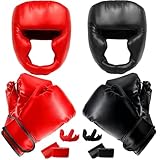
So, you’re wondering, ‘do I need new boxing gloves?’ It’s a question every boxer, from seasoned pros to weekend warriors, asks themselves eventually. Your gloves are the vital connection between your fists and the bag, the sparring partner, or the opponent in the ring. They protect your hands, wrists, and knuckles while also shielding your training partners from injury.
But how do you know when it’s time to retire your trusty pair and invest in a fresh set? It’s not always obvious, and sometimes, we get attached to our old gloves! This guide will walk you through everything you need to know about assessing your gloves, understanding the signs of wear and tear, and making the right decision for your training and safety. We’ll cover everything from the materials to the impact of your training regimen, helping you determine if it’s time for an upgrade.
Let’s get started. Your hands (and your training partners) will thank you.
Understanding Boxing Glove Lifespan
Boxing gloves, like any piece of athletic equipment, have a finite lifespan. This lifespan is influenced by a combination of factors, including the quality of the materials, the frequency and intensity of your training, and how well you care for your gloves. Understanding these factors is the first step in knowing when to replace your gloves.
Material Matters: Boxing Glove Construction
The materials used in boxing gloves significantly impact their durability and performance. Most boxing gloves are made from either leather or synthetic materials (typically polyurethane or vinyl). Let’s break down the pros and cons of each:
- Leather Gloves: Generally considered the premium option, leather gloves offer superior durability and breathability. High-quality leather gloves can last for years with proper care. They also tend to mold to your hands over time, providing a more custom and comfortable fit. However, leather gloves are often more expensive than synthetic options. They also require more maintenance, such as regular cleaning and conditioning, to prevent the leather from drying out and cracking.
- Synthetic Gloves: Synthetic gloves are a more budget-friendly alternative. They are typically easier to clean and require less maintenance. However, synthetic gloves may not be as durable as leather gloves and may show signs of wear and tear more quickly. They also may not breathe as well, leading to increased sweating and moisture buildup inside the glove. The lifespan of synthetic gloves can vary widely depending on the quality of the material and the intensity of use.
Training Frequency and Intensity
How often and how hard you train directly impacts the wear and tear on your gloves. Consider these factors:
- Training Frequency: If you train several times a week, your gloves will experience more stress than if you only train once or twice a week. The more you use your gloves, the faster they will wear out.
- Training Intensity: High-intensity training, such as heavy bag work and sparring, puts significantly more stress on your gloves than lighter workouts. The force of your punches, the number of rounds you spar, and the type of bag you use all contribute to the wear and tear.
- Type of Training: Heavy bag work, mitt work, and sparring each place different demands on your gloves. Heavy bag work focuses on power and impact, while mitt work emphasizes speed and accuracy. Sparring involves both power and the need for protection for yourself and your partner.
Proper Care and Maintenance
Proper care can significantly extend the life of your boxing gloves. Neglecting your gloves can accelerate their deterioration. Here’s what you should be doing: (See Also: Does Boxing Bag Build Muscle )
- Air Them Out: After each training session, remove your gloves from your hands and allow them to air dry. This prevents moisture buildup, which can damage the padding and promote the growth of bacteria and unpleasant odors.
- Use Glove Deodorizers: Consider using glove deodorizers or inserts to absorb moisture and eliminate odors. These can help maintain a fresh scent and prolong the life of your gloves.
- Clean Regularly: Wipe down the exterior of your gloves after each use with a damp cloth to remove sweat and dirt. For leather gloves, apply a leather conditioner periodically to prevent the leather from drying out and cracking. For synthetic gloves, follow the manufacturer’s cleaning instructions.
- Store Properly: Store your gloves in a cool, dry place away from direct sunlight. Avoid storing them in a gym bag for extended periods, as this can trap moisture and accelerate deterioration.
- Use Hand Wraps: Always wear hand wraps when using your boxing gloves. Hand wraps provide extra support for your wrists and hands, and they absorb sweat, protecting the inside of your gloves.
Signs It’s Time for New Boxing Gloves
Identifying when to replace your boxing gloves is crucial for both your safety and your performance. Here are several key indicators that it’s time for an upgrade:
1. Degradation of Padding
The padding in your gloves is designed to absorb the impact of your punches, protecting your hands and your training partners. Over time, the padding can break down, compress, and lose its ability to effectively absorb impact. This is one of the most significant signs that you need new gloves.
- Compression and Thinning: Feel the padding. Is it noticeably thinner than when the gloves were new? Does it feel compacted or hard? If so, the padding is likely losing its shock-absorbing properties.
- Lumps or Unevenness: Are there any lumps or uneven areas in the padding? This indicates that the padding is breaking down and may no longer provide adequate protection.
- Loss of ‘Spring’: Does the padding feel less resilient or ‘springy’ than it used to? When you press on the padding, does it offer less resistance? This is another sign of padding degradation.
Why it matters: If the padding is compromised, your hands and wrists are at greater risk of injury, including fractures, sprains, and contusions. Additionally, the lack of padding can make your punches less effective and can increase the risk of injury to your sparring partners.
2. Damage to the Outer Material
The exterior of your gloves protects the padding and helps to maintain the glove’s shape. Damage to the outer material is another sign that it’s time for a replacement.
- Cracks or Tears: Inspect the surface of your gloves for cracks, tears, or splits in the leather or synthetic material. Even small tears can worsen over time and compromise the glove’s structural integrity.
- Worn Stitching: Examine the stitching, especially around the seams and the wrist area. If the stitching is coming undone or showing signs of wear, the glove is likely to fail soon.
- Surface Wear: Noticeable wear and tear on the surface of the gloves, such as scuffing or abrasion, can indicate that the glove has been used extensively and may be losing its protective properties.
Why it matters: Damage to the outer material can expose the padding to moisture, dirt, and other contaminants, accelerating its degradation. Compromised outer material can also affect the glove’s ability to maintain its shape, which can impact its performance and comfort.
3. Loss of Support and Fit
Boxing gloves should provide adequate support for your wrists and hands, and they should fit snugly and comfortably. If your gloves no longer offer proper support or fit, it’s time for a new pair. (See Also: How Heavy Are Regulation Boxing Gloves )
- Loose Wrist Support: Does the wrist support feel loose or less secure than it used to? This can increase the risk of wrist injuries during training.
- Changes in Fit: Have your gloves stretched out or become misshapen? This can lead to a less secure fit and reduce the glove’s effectiveness.
- Difficulty Closing Your Fist: If it’s become difficult to fully close your fist inside the glove, or if your fingers feel cramped, the glove may no longer be the right size or shape for your hand.
Why it matters: Proper support and fit are crucial for preventing injuries and maximizing your punching power. A glove that doesn’t fit properly can lead to decreased performance and increased risk of injury.
4. Odor and Hygiene Issues
Boxing gloves can accumulate sweat, bacteria, and odors over time. While proper care can help mitigate these issues, persistent odor and hygiene problems are often a sign that it’s time for a replacement.
- Persistent Odor: Even after cleaning and airing out your gloves, does a strong, unpleasant odor persist? This indicates a buildup of bacteria and moisture inside the glove.
- Visible Mold or Mildew: If you notice any signs of mold or mildew inside or outside your gloves, it’s crucial to replace them immediately. Mold can pose serious health risks.
- Staining or Discoloration: Significant staining or discoloration inside the gloves can indicate a buildup of sweat and bacteria that is difficult to remove.
Why it matters: Poor hygiene can lead to skin infections and other health problems. Replacing your gloves regularly helps to maintain a clean and healthy training environment.
Choosing the Right Replacement Gloves
Once you’ve determined that you need new boxing gloves, the next step is to choose the right replacement pair. Several factors should influence your decision.
Determining Your Needs: Training Type and Usage
The type of boxing you do will influence the type of glove you need.
- Heavy Bag Gloves: These gloves are designed for focused bag work and are typically more durable and offer more padding than other types of gloves. They often have a compact design, which makes them ideal for power punches and conditioning. Look for gloves with high-density padding and a durable outer material.
- Sparring Gloves: Sparring gloves are specifically designed to protect both the wearer and the sparring partner. They typically have more padding than heavy bag gloves and are designed to absorb impact. Safety is paramount; look for gloves with ample padding in the knuckle area and a secure wrist closure.
- Competition Gloves: Competition gloves must meet specific regulations set by boxing organizations. They are usually lighter than training gloves and designed for maximum punching power. Always check the regulations of the specific organization before purchasing competition gloves.
- All-Purpose Gloves: If you engage in a variety of training activities, consider all-purpose gloves that offer a balance of protection, durability, and performance. Look for gloves that provide adequate padding for heavy bag work and are suitable for light sparring.
Glove Weight and Size
Glove weight is measured in ounces (oz) and refers to the amount of padding in the glove. The appropriate glove weight depends on your weight and the type of training you do. (See Also: How To Stop Boxing Gloves From Smelling )
- Weight Class: As a general rule, heavier fighters should use heavier gloves. This is because heavier gloves provide more padding and protection.
- Training Type: Heavier gloves (14-16 oz) are often recommended for sparring and heavy bag work because they offer more protection. Lighter gloves (10-12 oz) may be suitable for speed work and mitt work.
- Size Guide: Glove sizing is usually based on hand circumference. Measure around the knuckles of your dominant hand, excluding the thumb. Most manufacturers provide size charts to help you determine the correct glove size.
Material and Construction Considerations
As discussed earlier, the material and construction of your gloves will impact their durability and performance. Consider these factors:
- Material: Leather gloves are generally more durable and breathable than synthetic gloves. However, synthetic gloves are a more budget-friendly option.
- Padding: Look for gloves with high-density padding, which offers superior impact absorption. The padding should be evenly distributed throughout the glove.
- Wrist Support: Choose gloves with a secure wrist closure, such as a hook-and-loop strap or lace-up closure. This provides added support and helps to prevent wrist injuries.
- Construction: Examine the stitching and seams of the gloves. High-quality gloves will have reinforced stitching and durable construction.
Budget and Brand Reputation
Boxing gloves range in price, from budget-friendly options to premium models. Consider your budget and the reputation of the brand when making your selection.
- Budget: Determine how much you are willing to spend on a new pair of gloves. Boxing gloves range in price, so there’s an option for every budget.
- Brand Reputation: Research different brands and read reviews to get an idea of the quality and performance of their gloves. Some reputable brands include Everlast, Title Boxing, Cleto Reyes, and Winning.
- Value: Consider the overall value of the gloves, including their durability, performance, and features. Don’t always choose the cheapest option; investing in a higher-quality pair of gloves can save you money in the long run.
Trying on and Testing Your Gloves
Whenever possible, try on the gloves before you buy them. This allows you to assess the fit and feel of the gloves.
- Fit: The gloves should fit snugly but not too tightly. You should be able to make a fist comfortably without feeling restricted. Your fingers should touch the end of the glove, but not be crammed.
- Comfort: The gloves should feel comfortable on your hands. Pay attention to any pressure points or areas of discomfort.
- Movement: Practice making punches and other boxing movements while wearing the gloves. This will help you determine if the gloves allow for a full range of motion.
Extending the Life of Your New Gloves
Once you’ve invested in a new pair of boxing gloves, take steps to extend their lifespan.
- Follow the Care and Maintenance Tips: As mentioned earlier, proper care and maintenance are essential for extending the life of your gloves. This includes airing them out after each use, using glove deodorizers, cleaning them regularly, and storing them properly.
- Rotate Gloves: If you train frequently, consider owning two pairs of gloves and rotating between them. This allows each pair to dry out completely between uses, reducing moisture buildup and extending their lifespan.
- Protect Your Investment: Consider using glove bags or cases to protect your gloves during storage and transport. This helps to prevent damage and keeps your gloves clean.
Verdict
So, do you need new boxing gloves? If you’ve noticed any of the signs we’ve discussed – compressed padding, damaged outer material, a poor fit, or persistent odor – the answer is likely yes. Your gloves are a critical piece of equipment, and maintaining them properly, and replacing them when necessary, is essential for your safety and performance.
By understanding the factors that affect glove lifespan, recognizing the signs of wear and tear, and choosing the right replacement pair, you can ensure that your hands are well-protected and that you can continue to train and compete at your best. Remember to prioritize both your safety and that of your training partners. Consider your current gloves, assess their condition, and if needed, invest in new ones. Your future punches will thank you.