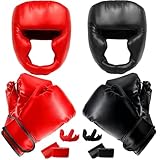
Ever stood in a boxing gym, staring at a pair of pristine, lace-up boxing gloves, and felt a pang of frustration? You know, the kind where you want to train, but the seemingly simple task of putting on your gloves feels like a Herculean effort? I’ve been there, and I understand the struggle. Lace-up gloves offer superior wrist support and a more secure fit, favored by many professionals and serious amateurs. However, their design presents a challenge: they’re notoriously tricky to get on solo.
This article will guide you through everything you need to know about putting on lace-up boxing gloves by yourself. We’ll explore the tools and techniques that make it possible, the reasons why it’s difficult, and some alternative options. Whether you’re a seasoned boxer or just starting, this guide is designed to equip you with the knowledge and skills to confidently lace up your gloves, even when you’re training alone. Get ready to bid farewell to the awkward fumbling and embrace the independence of a well-fitted glove!
The Challenges of Lacing Up Alone
Lace-up boxing gloves are designed for a snug and secure fit, which is achieved through a complex lacing system. This system is intended to provide optimal wrist support and prevent the glove from shifting during training or sparring. This design, while beneficial for performance and safety, presents a significant hurdle when you’re trying to put them on by yourself. The primary challenges include:
- Limited Dexterity: You’re essentially trying to tie intricate knots and tighten laces with one hand while the other is inside a bulky glove. This lack of dexterity makes it difficult to manipulate the laces effectively.
- Lack of Leverage: Without assistance, it’s hard to generate enough force to tighten the laces to the necessary level of snugness. This can lead to a glove that’s either too loose, compromising wrist support, or too tight, restricting blood flow.
- Visual Obstruction: The glove itself obstructs your view of the lacing process. You can’t clearly see how the laces are crossing and tightening, making it easy to make mistakes.
- Difficulty Reaching: Reaching around your own wrist to lace up the glove on the other hand is physically awkward and can be tiring.
Essential Tools and Techniques
While putting on lace-up gloves alone is difficult, it’s not impossible. With the right tools and techniques, you can achieve a secure and comfortable fit. Here’s what you’ll need and how to use it:
The Boxing Glove Buddy
The Boxing Glove Buddy (or similar lacing assist tools) is a game-changer. It’s a simple, yet ingenious device designed to make lacing up gloves a breeze. It typically consists of a long, sturdy strap with a loop at one end and a handle at the other. Here’s how to use it: (See Also: How Many Ounces Should Boxing Gloves Be )
- Insert the Loop: Place the loop of the Boxing Glove Buddy around your wrist.
- Insert your Hand: Put your hand into the glove, ensuring the loop is secure.
- Lace the Glove: Lace the glove as you normally would, but leave the laces a little looser than usual.
- Tighten with the Buddy: Use the handle of the Boxing Glove Buddy to pull the laces tight. The strap provides the leverage you need to achieve a snug fit.
- Secure the Laces: Once the glove is tight, tie off the laces and remove the Buddy.
Lace-Up Assistant Gloves
These gloves are designed with a built-in mechanism to assist with lacing. They often feature loops or straps that can be pulled to tighten the laces, making it easier to secure the gloves without assistance. These can be a good intermediate step if you’re not ready to invest in a full lacing assist tool.
The ‘loop and Pull’ Method
This is a DIY method that utilizes a loop and a pulling technique. It’s a bit more challenging than using a dedicated tool, but it can be effective in a pinch.
- Create a Loop: Take a piece of strong cord or rope (about 2-3 feet long). Create a loop large enough to fit over your wrist.
- Insert Hand: Put your hand into the glove, and place the loop around your wrist, ensuring it’s positioned correctly.
- Lace the Glove: Start lacing the glove as usual, but leave the laces a little looser than you would normally.
- Thread the Loop: Thread the loop through the laced eyelets, using it to pull the laces tighter as you go.
- Tighten and Tie: Once the glove is tight, remove the loop, and tie off the laces.
The ‘over-the-Shoulder’ Method
This is a more advanced technique that requires some flexibility and practice. It involves passing the laces over your shoulder to create tension while tying the glove. It’s not the easiest method, but it can work in a pinch.
- Lace Partially: Partially lace the glove, leaving the laces loose.
- Pass Over Shoulder: Take the laces and pass them over your opposite shoulder.
- Pull and Tighten: Pull on the laces to tighten the glove. Use your body weight and the shoulder as an anchor.
- Tie Off: Tie off the laces.
Step-by-Step Guide to Lacing Up Alone (using a Lacing Assist Tool)
Let’s walk through the process using a lacing assist tool, which is the most reliable method. This example assumes you have a Boxing Glove Buddy or a similar tool. If you are using a different tool, the general steps will be similar, but the specific actions may vary. (See Also: Can Hep C Be Spread By Boxing Gloves )
- Prepare Your Gloves: Ensure your gloves are clean and in good condition. Inspect the laces for wear and tear. If the laces are frayed, replace them before you start.
- Insert Hand and Loop: Put your dominant hand (the hand you’re lacing the glove on) into the glove. Place the loop of the lacing assist tool around your wrist. Ensure it’s secure.
- Lace the Glove (Loosely): Begin lacing the glove, following the standard lacing pattern. Don’t tighten the laces yet; leave them relatively loose. The goal is to get the laces through the eyelets without any significant tension.
- Position the Assist Tool: Hold the handle of the assist tool, ensuring you have a good grip. Make sure the strap is positioned so it can pull the laces evenly.
- Tighten the Laces: Now, use the assist tool to tighten the laces. Pull the handle of the tool to apply tension. Work your way up the glove, tightening the laces gradually. Avoid tightening one section too much at a time, as this can create uneven pressure.
- Achieve Desired Snugness: Continue tightening until you achieve the desired level of snugness. The glove should feel secure, with good wrist support, but not so tight that it restricts blood flow or causes discomfort.
- Tie Off the Laces: Once the glove is tight, tie off the laces securely. Use a double knot or a similar knot to prevent the laces from coming undone during training or sparring.
- Remove the Assist Tool: Carefully remove the lacing assist tool.
- Repeat for the Other Glove: Repeat the entire process for your other glove.
- Check the Fit: Once both gloves are on, check the fit. Make sure the gloves feel comfortable and secure. Check the wrist support by making a fist and moving your wrist in different directions.
Common Lacing Mistakes and How to Avoid Them
Even with the right tools, it’s easy to make mistakes when lacing up gloves. Here are some common errors and how to avoid them:
- Over-Tightening: This can restrict blood flow and lead to discomfort or even injury. To avoid this, tighten the laces gradually, and pay attention to how your hand feels. If you feel any numbness or tingling, loosen the laces immediately.
- Uneven Tightening: This can create pressure points and reduce wrist support. To avoid this, tighten the laces evenly, working your way up the glove. Periodically check the fit as you go to ensure even pressure.
- Loose Laces: Loose laces compromise wrist support and can allow the glove to shift during training or sparring. To avoid this, make sure you tighten the laces enough. Use a double knot or a secure knot to prevent them from coming undone.
- Incorrect Lacing Pattern: Incorrect lacing can affect the fit and support of the glove. Make sure you’re following a standard lacing pattern. If you’re unsure, consult a guide or watch a video.
- Failing to Inspect Laces: Worn or frayed laces can break during training, which can be dangerous. Always inspect the laces before each use. Replace them if they show any signs of wear and tear.
Alternative Options: Considering Velcro Gloves
If you find that lacing up your gloves alone is too challenging, consider the alternative: Velcro gloves. Velcro gloves are much easier to put on and take off by yourself. They offer a quick and convenient way to secure your hands, making them ideal for solo training sessions or when you’re short on time. Here’s a comparison to help you decide which is right for you:
| Feature | Lace-Up Gloves | Velcro Gloves |
|---|---|---|
| Ease of Use (Alone) | Difficult | Easy |
| Wrist Support | Superior | Good (varies by model) |
| Security | Very Secure | Secure (can loosen over time) |
| Fit Customization | Highly Customizable | Less Customizable |
| Durability | Generally Durable | Can wear out over time |
| Cost | Typically More Expensive | Generally Less Expensive |
| Training Style | Ideal for sparring and intense training | Suitable for various training styles |
Velcro gloves are not necessarily ‘better’ than lace-up gloves; they simply offer a different set of advantages. The best choice depends on your individual needs and preferences. If you prioritize maximum wrist support and a secure fit and are willing to put in the effort to lace up your gloves, then lace-up gloves are the way to go. If convenience and ease of use are more important, then Velcro gloves might be a better option. You might even consider having both types of gloves to suit different training needs.
Tips for Success
Here are some additional tips to help you master the art of lacing up your boxing gloves alone: (See Also: Can You Wear Apple Watch With Boxing Gloves )
- Practice Makes Perfect: The more you practice, the easier it will become. Don’t get discouraged if it’s difficult at first.
- Choose the Right Tool: Invest in a good-quality lacing assist tool. It will make a significant difference.
- Lace in a Well-Lit Area: Good lighting will help you see the laces and make fewer mistakes.
- Take Your Time: Don’t rush the process. Lacing up your gloves properly takes time and patience.
- Ask for Help: If you’re struggling, don’t hesitate to ask a friend or training partner for help.
- Consider Hand Wraps: Wearing hand wraps under your gloves can provide extra support and help absorb sweat, making your gloves last longer.
- Experiment with Different Lacing Patterns: While the standard pattern is the most common, you might find that a different pattern works better for you.
Maintaining Your Gloves
Proper care and maintenance can extend the life of your boxing gloves and ensure they perform at their best. Here are some tips:
- Air Them Out: After each training session, allow your gloves to air dry. Don’t store them in a gym bag without letting them dry first, as this can lead to bacteria growth and unpleasant odors.
- Clean Regularly: Wipe down the outside of your gloves with a damp cloth after each use. You can also use a specialized glove cleaner to remove sweat and grime.
- Use Glove Deodorizers: Place glove deodorizers inside your gloves to absorb moisture and prevent odors.
- Store Properly: Store your gloves in a cool, dry place. Avoid direct sunlight and extreme temperatures, which can damage the materials.
- Replace Laces When Needed: As mentioned earlier, inspect your laces regularly and replace them if they show any signs of wear and tear.
By following these tips, you can keep your gloves in top condition and ensure they last for years to come.
Final Thoughts
Putting on lace-up boxing gloves by yourself requires a bit of patience, the right tools, and a little bit of practice. While it might seem daunting at first, mastering the technique is well worth the effort. The superior wrist support and secure fit offered by lace-up gloves can significantly enhance your training experience. With the help of a lacing assist tool, or by utilizing other techniques described, you can confidently lace up your gloves and get to training without relying on a partner. Remember, consistency is key; the more you practice, the easier it will become. Embrace the process, and you’ll soon find yourself lacing up your gloves with ease and confidence. Enjoy the journey and the sweet science!