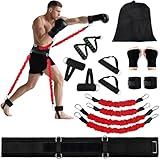
Ever wondered if you could ditch the treadmill and still shed those extra pounds? You might be surprised to learn that shadow boxing, the art of fighting an invisible opponent, could be your ticket to a leaner you. It’s a dynamic, full-body workout that’s accessible to everyone, regardless of experience or equipment. I’m excited to share some insights with you.
Shadow boxing isn’t just for professional boxers; it’s a fantastic way to burn calories, improve cardiovascular health, and build strength. Whether you’re a seasoned athlete or a complete beginner, shadow boxing offers a versatile and effective workout. We’ll explore the science behind it, the benefits, and how you can incorporate it into your routine to achieve your weight loss goals.
Let’s get started on your journey to a fitter, healthier you through the power of shadow boxing!
The Science Behind Shadow Boxing and Weight Loss
Shadow boxing, at its core, is a form of exercise that combines cardiovascular training, strength training, and coordination exercises. It’s a high-intensity workout that demands a lot from your body. When you shadow box, you’re constantly moving, throwing punches, weaving, and bobbing – all of which require significant energy expenditure. This energy comes from burning calories, which is fundamental to weight loss.
The intensity of shadow boxing is key to its effectiveness. Because you’re constantly engaged in dynamic movements, your heart rate increases rapidly, pushing you into the fat-burning zone. This is where your body primarily uses stored fat as fuel. The more intense your workout, the more calories you burn, and the more fat you potentially lose.
Furthermore, shadow boxing engages multiple muscle groups simultaneously. This leads to increased muscle mass, which in turn boosts your metabolism. A higher metabolism means your body burns more calories even when you’re at rest. It’s a win-win situation – you burn calories during your workout and continue to burn them throughout the day.
How Shadow Boxing Burns Calories
The number of calories you burn during a shadow boxing session depends on several factors, including your weight, intensity, and duration of the workout. However, shadow boxing is generally considered a high-calorie-burning exercise. Here’s a breakdown of how it works:
- Cardiovascular Exercise: Shadow boxing elevates your heart rate, providing a cardio workout that burns a significant number of calories.
- Muscle Engagement: Every punch, block, and movement engages multiple muscle groups, further increasing calorie expenditure.
- Metabolic Boost: High-intensity workouts like shadow boxing can boost your metabolism for hours after you finish exercising, leading to continued calorie burn.
On average, a 150-pound person can burn around 300-400 calories in a 30-minute shadow boxing session. Heavier individuals will likely burn even more calories. Of course, the exact number will vary depending on your effort and the specific exercises you do.
Comparing Shadow Boxing to Other Exercises
Let’s compare shadow boxing to other popular exercises to understand its effectiveness:
| Exercise | Calories Burned (per 30 mins, approx.) | Key Benefits |
|---|---|---|
| Shadow Boxing | 300-400+ | Full-body workout, improves coordination, builds muscle, high calorie burn. |
| Running (Moderate Pace) | 250-350 | Excellent cardio, improves endurance, accessible. |
| Swimming (Moderate Pace) | 200-300 | Low-impact, full-body workout, good for joint health. |
| Weightlifting | 150-250 | Builds muscle, boosts metabolism, improves strength. |
As you can see, shadow boxing is highly competitive in terms of calorie burn, rivaling running and offering the added benefits of strength training and improved coordination. It is a fantastic choice if you want a complete workout.
The Benefits of Shadow Boxing for Weight Loss
Beyond calorie burning, shadow boxing offers a wealth of benefits that contribute to weight loss and overall well-being. It’s a holistic approach to fitness that addresses multiple aspects of your physical health. (See Also: Does Shadow Boxing Really Work )
Improved Cardiovascular Health
Shadow boxing is an excellent cardiovascular workout. The constant movement and high intensity elevate your heart rate, strengthening your heart and improving blood circulation. This leads to:
- Reduced Risk of Heart Disease: Regular cardiovascular exercise can lower your blood pressure and cholesterol levels, reducing your risk of heart disease.
- Increased Stamina: Shadow boxing improves your endurance, making it easier to perform daily activities and other forms of exercise.
- Enhanced Lung Capacity: The deep breathing required during shadow boxing helps improve lung capacity and efficiency.
Muscle Building and Toning
Shadow boxing isn’t just about cardio; it also helps build and tone muscles. Every punch, block, and movement engages multiple muscle groups, leading to:
- Increased Muscle Mass: Building muscle helps boost your metabolism, making it easier to burn calories.
- Improved Strength and Endurance: Shadow boxing strengthens your muscles, improving your overall physical performance.
- Enhanced Body Composition: Combining cardio and strength training can help you lose fat and build lean muscle, leading to a more toned physique.
Enhanced Coordination and Agility
Shadow boxing requires you to coordinate your movements, improving your balance, agility, and reaction time. This is beneficial for:
- Improved Athletic Performance: Enhanced coordination and agility can improve your performance in other sports and physical activities.
- Reduced Risk of Injury: Improved balance and coordination can help you avoid falls and other injuries.
- Increased Body Awareness: Shadow boxing helps you become more aware of your body and its movements.
Stress Relief and Mental Benefits
Exercise, including shadow boxing, is a great stress reliever. The physical exertion releases endorphins, which have mood-boosting effects. This can lead to:
- Reduced Stress and Anxiety: Regular exercise can help reduce stress and anxiety levels.
- Improved Mood: Endorphins can improve your mood and overall sense of well-being.
- Increased Self-Confidence: Achieving fitness goals through shadow boxing can boost your self-confidence.
Getting Started with Shadow Boxing for Weight Loss
Ready to start shadow boxing? Here’s a step-by-step guide to help you get started:
1. Warm-Up
Before you begin any shadow boxing session, it’s essential to warm up your body to prepare your muscles for exercise and prevent injuries. A good warm-up should include:
- Light Cardio: 5-10 minutes of jogging in place, jumping jacks, or high knees.
- Dynamic Stretching: Arm circles, leg swings, torso twists, and other movements that increase your range of motion.
2. Basic Shadow Boxing Techniques
Learning the basic techniques is crucial for effective shadow boxing. Here are some fundamental punches and movements:
- Jab: A straight punch thrown with your lead hand. Keep your elbow close to your body and your non-punching hand guarding your face.
- Cross: A straight punch thrown with your rear hand, crossing over your body.
- Hook: A punch thrown with a bent arm, targeting the side of your opponent’s head or body.
- Uppercut: A punch thrown upwards, targeting the chin or body.
- Footwork: Practice moving around – forward, backward, and sideways – while maintaining a balanced stance.
- Defense: Learn to block punches with your gloves and to weave and bob to avoid punches.
3. Designing Your Shadow Boxing Workout
Create a workout routine that incorporates the basic techniques. Here’s a sample workout:
- Round 1: Jab, cross, jab, cross (3 minutes)
- Round 2: Hook, hook, uppercut, uppercut (3 minutes)
- Round 3: Jab, cross, hook, uppercut (3 minutes)
- Round 4: Focus on footwork and defense (3 minutes)
- Rest: 1 minute between rounds.
You can adjust the length of rounds and the number of rounds to fit your fitness level. Aim for at least 30 minutes of shadow boxing, 3-5 times a week.
4. Cool-Down
After your workout, cool down with static stretching to improve flexibility and reduce muscle soreness. Hold each stretch for 30 seconds, focusing on the muscles you worked during the session. Include: (See Also: Are Boxing Classes Worth It )
- Triceps stretch
- Shoulder stretch
- Hamstring stretch
- Quadriceps stretch
- Calf stretch
5. Essential Equipment
You don’t need a lot of equipment to get started with shadow boxing. However, some items can enhance your workout:
- Boxing Gloves: Protect your hands and wrists, and add resistance.
- Hand Wraps: Provide extra support and protection for your wrists.
- Heavy Bag: If you want to take your training to the next level, a heavy bag can help you practice your punches and build power.
- Jump Rope: A great warm-up and cardio exercise.
- Workout Clothes: Comfortable athletic wear that allows you to move freely.
Nutrition and Shadow Boxing: Fueling Your Weight Loss
While shadow boxing is a powerful tool for weight loss, it’s most effective when combined with a healthy diet. Nutrition plays a vital role in fueling your workouts, supporting muscle recovery, and achieving your weight loss goals.
The Importance of a Balanced Diet
A balanced diet provides your body with the nutrients it needs to perform at its best and lose weight. Focus on:
- Protein: Essential for muscle repair and growth. Aim for lean protein sources like chicken, fish, beans, and tofu.
- Carbohydrates: Provide energy for your workouts. Choose complex carbohydrates like whole grains, fruits, and vegetables.
- Healthy Fats: Important for overall health and hormone production. Include sources like avocados, nuts, and olive oil.
Hydration
Staying hydrated is crucial for optimal performance and weight loss. Drink plenty of water throughout the day, especially before, during, and after your shadow boxing sessions. Dehydration can lead to fatigue, reduced performance, and muscle cramps.
Pre- and Post-Workout Nutrition
What you eat before and after your workouts can significantly impact your performance and recovery. Consider these tips:
- Pre-Workout: Eat a meal or snack that includes carbohydrates and some protein about 1-2 hours before your workout. Examples: oatmeal with berries and nuts, a banana with peanut butter.
- Post-Workout: Consume a meal or snack that includes protein and carbohydrates within 1-2 hours after your workout to help your muscles recover. Examples: grilled chicken with sweet potatoes, a protein shake with fruit.
Tracking Your Progress
To stay motivated and ensure you’re making progress, track your workouts and your diet. This can help you identify areas for improvement and celebrate your successes. Consider using a fitness tracker or app to monitor your calorie intake, workouts, and weight loss.
Common Mistakes to Avoid
To maximize your weight loss results and prevent injuries, it’s essential to avoid common mistakes.
Poor Form
Improper form can lead to injuries and reduce the effectiveness of your workout. Focus on proper technique, and if possible, consider getting guidance from a boxing coach or watching instructional videos.
Overtraining
Overtraining can lead to fatigue, injuries, and a plateau in your weight loss progress. Listen to your body and allow for rest and recovery. Vary your workouts and include rest days in your routine.
Neglecting Nutrition
Shadow boxing alone won’t guarantee weight loss. You need to combine it with a balanced diet. Focus on consuming nutritious foods and avoiding excessive calories. (See Also: Does Boxing Classes Help With Weight Loss )
Lack of Consistency
Consistency is key to achieving any fitness goal. Stick to your workout routine and diet plan, even when you don’t feel motivated. Small changes over time can lead to significant results.
Ignoring Warm-Up and Cool-Down
Skipping your warm-up and cool-down can increase your risk of injury. Always warm up before your workout and cool down afterward to improve flexibility and reduce muscle soreness.
Advanced Shadow Boxing Techniques for Enhanced Weight Loss
Once you’ve mastered the basics, you can incorporate advanced techniques to enhance your weight loss and challenge yourself further.
Adding Resistance
Adding resistance to your shadow boxing can increase the intensity of your workout and burn more calories. Consider using:
- Resistance Bands: Attach resistance bands to your wrists or ankles to increase the effort required for each punch and movement.
- Light Dumbbells: Hold light dumbbells while shadow boxing to add resistance to your punches. Start with light weights and gradually increase the weight as you get stronger.
Incorporating Interval Training
Interval training involves alternating between high-intensity bursts of exercise and periods of rest or low-intensity activity. This can significantly boost calorie burn and improve your cardiovascular fitness.
- High-Intensity Intervals: Perform a series of high-intensity rounds of shadow boxing (e.g., 60 seconds) followed by brief rest periods (e.g., 30 seconds).
- Tabata Training: A specific type of interval training that involves 20 seconds of intense exercise followed by 10 seconds of rest, repeated for multiple rounds.
Focusing on Combination Drills
Combine multiple punches and movements into complex combinations to challenge your coordination, speed, and endurance. Examples include:
- Jab-Cross-Hook: Throw a jab, followed by a cross, and then a hook.
- Jab-Cross-Slip-Jab-Cross: Throw a jab, cross, slip to the side, then jab and cross again.
- Adding Kicks and Knees: Combine punches with kicks and knee strikes to engage more muscle groups and increase the intensity of your workout (if you have the space).
Using Visual Aids
Use visual aids like mirrors or videos to assess your form and make sure your technique is correct. Watching yourself can help you identify areas for improvement and ensure you’re performing the exercises safely and effectively.
Working with a Partner
Shadow boxing with a partner can add variety and motivation to your workouts. Take turns calling out combinations and practicing your defense. This can make the workout more engaging and challenging.
Conclusion
So, can you lose weight from shadow boxing? Absolutely! Shadow boxing is a highly effective workout that can significantly contribute to your weight loss goals. It’s a fantastic way to burn calories, build muscle, and improve your overall fitness. By incorporating shadow boxing into your routine, combined with a healthy diet and consistent effort, you can achieve remarkable results.
Remember to focus on proper form, listen to your body, and gradually increase the intensity of your workouts. Be patient, stay consistent, and celebrate your progress along the way. Shadow boxing is more than just a workout; it’s a journey towards a healthier and more confident you.
Embrace the challenge, stay dedicated, and enjoy the process of transforming your body and improving your well-being through the power of shadow boxing. You’ve got this!