Ever watched a boxer gracefully moving, throwing punches at an invisible opponent? That’s shadow boxing, a cornerstone of boxing training. It’s more than just flailing your arms around; it’s a dynamic exercise with a multitude of benefits, accessible to anyone, anywhere. Whether you’re a seasoned fighter or just starting to think about getting in shape, shadow boxing can be a powerful tool.
This isn’t about fancy footwork and complex combinations right away. It’s about building a solid foundation. We’ll explore exactly what shadow boxing is, its impressive advantages, and how to do it effectively. I’ll guide you through the techniques, common mistakes to avoid, and how to integrate shadow boxing into your workout routine. Get ready to learn how a simple practice can significantly improve your fitness, coordination, and overall well-being. Let’s get started!
What Is Shadow Boxing?
Shadow boxing is essentially boxing against an imaginary opponent. It involves mimicking the movements of a real boxing match, including punches, footwork, and defensive maneuvers, all without a physical partner or target. The goal is to practice and perfect boxing techniques, improve coordination, and build stamina.
It’s a versatile exercise that can be done anywhere, anytime. All you need is a little space and a willingness to move. This makes it a fantastic option for those who want to train at home, on the road, or even during a short break at work (if you have the space!).
Key Components of Shadow Boxing
- Footwork: This involves the way you move around, including shuffling, pivoting, and stepping in and out.
- Punching: Practicing different punches like jabs, crosses, hooks, and uppercuts.
- Defense: Including slipping, bobbing, weaving, and blocking.
- Rhythm and Timing: Maintaining a consistent pace and timing of your punches and movements.
The Benefits of Shadow Boxing
Shadow boxing offers a wide range of benefits for both physical and mental well-being. It’s a comprehensive workout that can significantly improve your fitness levels and boxing skills.
Physical Benefits
- Improved Cardiovascular Health: Shadow boxing is a great cardio workout. The constant movement and rapid punches increase your heart rate, improving your cardiovascular health. Over time, this can lead to a lower resting heart rate and reduced risk of heart disease.
- Enhanced Muscle Strength and Endurance: Shadow boxing engages multiple muscle groups, including your arms, shoulders, core, and legs. Regularly practicing shadow boxing can increase muscle strength and endurance. The repetitive movements help build stamina, enabling you to maintain a higher level of intensity for longer periods.
- Increased Coordination and Agility: Shadow boxing requires precise movements and coordination. It helps improve your hand-eye coordination and overall agility. The footwork and defensive maneuvers enhance your balance and reflexes.
- Weight Management: Shadow boxing burns a significant number of calories. This makes it an effective tool for weight management. Combining shadow boxing with a balanced diet can help you achieve your weight loss goals.
- Better Flexibility and Range of Motion: The various movements involved in shadow boxing, such as punching, footwork, and defensive techniques, help improve flexibility and range of motion. This can lead to reduced risk of injuries and improved overall mobility.
Mental Benefits
- Stress Relief: Shadow boxing can be a great stress reliever. The physical exertion releases endorphins, which have mood-boosting effects. It allows you to channel your energy and frustration in a positive way.
- Increased Focus and Concentration: Shadow boxing requires focus and concentration. You need to pay attention to your movements, timing, and technique. Regular practice can improve your ability to concentrate and stay focused on tasks.
- Improved Confidence: As you improve your boxing skills and fitness levels, your confidence will naturally increase. Shadow boxing can give you a sense of accomplishment and self-esteem.
- Mental Toughness: Shadow boxing builds mental toughness. It requires discipline, perseverance, and the ability to push yourself. This can help you develop a stronger mindset and resilience.
Essential Shadow Boxing Techniques
To get the most out of shadow boxing, it’s important to focus on proper technique. This includes the correct stance, punches, footwork, and defensive maneuvers.
The Boxing Stance
The boxing stance is the foundation of all your movements. It provides a stable base and allows you to generate power efficiently.
- Foot Placement: Stand with your feet shoulder-width apart, one foot slightly in front of the other. If you’re right-handed, your left foot should be forward; if you’re left-handed, your right foot should be forward.
- Knee Bend: Bend your knees slightly to lower your center of gravity and maintain balance.
- Body Angle: Turn your body slightly to the side, with your lead shoulder protecting your chin.
- Hand Position: Keep your hands up, near your face, to protect your chin and eyes. Your elbows should be tucked in to protect your body.
Punching Techniques
Proper punching technique is crucial for generating power and preventing injuries. (See Also: Does Shadow Boxing Really Work )
- Jab: Extend your lead arm straight out, turning your fist over at the end of the punch. Retract your arm quickly back to the starting position.
- Cross: Rotate your body and hip as you extend your rear arm across your body. Turn your fist over at the end of the punch. Retract your arm quickly back to the starting position.
- Hook: Bend your elbow and swing your arm in a semi-circular motion towards your target.
- Uppercut: Bend your knees and drive your fist upwards, aiming for your opponent’s chin.
Footwork
Footwork is essential for moving around the ring, maintaining balance, and setting up your punches.
- Shuffle: Slide your feet along the ground, keeping your feet shoulder-width apart.
- Pivot: Turn on the ball of your foot to change direction.
- Step: Take a step forward, backward, or sideways, maintaining your stance.
Defensive Maneuvers
Defense is just as important as offense. These techniques will help you avoid getting hit.
- Slipping: Move your head to the side to avoid punches.
- Bobbing and Weaving: Bend your knees and move your upper body side to side to avoid punches.
- Blocking: Use your gloves to block punches.
Creating a Shadow Boxing Routine
A well-structured shadow boxing routine will help you maximize your training benefits. Here’s how to create one.
Warm-Up (5-10 Minutes)
Always start with a warm-up to prepare your body for exercise.
- Jumping Jacks: 1 minute
- High Knees: 1 minute
- Butt Kicks: 1 minute
- Arm Circles: Forward and backward, 1 minute each
- Light Shadow Boxing: 2-3 minutes of light punches and footwork
Shadow Boxing (15-30 Minutes)
Focus on your technique and vary your punches and combinations.
- Round 1: Focus on jabs and footwork.
- Round 2: Add crosses and defensive maneuvers.
- Round 3: Incorporate hooks and uppercuts.
- Round 4: Combine all punches and footwork, and include defensive drills.
- Optional: Use a timer to structure your rounds. For example, 3 minutes of shadow boxing followed by 30 seconds of rest.
Cool-Down (5-10 Minutes)
Cool down to help your body recover.
- Light Shadow Boxing: 2-3 minutes of slow punches and footwork.
- Stretching: Hold each stretch for 30 seconds. Focus on stretching the muscles you used during your workout.
Tips for Effective Shadow Boxing
To improve your shadow boxing technique and results, consider these tips. (See Also: Are Boxing Classes Worth It )
- Focus on Technique: Prioritize proper form over speed.
- Visualize Your Opponent: Imagine a real opponent and react accordingly.
- Vary Your Combinations: Mix up your punches and footwork to keep things interesting and challenging.
- Maintain Rhythm and Timing: Keep a consistent pace and timing of your punches.
- Use a Mirror: Watching yourself in a mirror can help you identify and correct any flaws in your technique.
- Record Yourself: Record your shadow boxing sessions to review your technique and track your progress.
- Stay Relaxed: Avoid tensing up. Keep your shoulders relaxed and breathe deeply.
- Stay Consistent: Aim to shadow box regularly, even if it’s just for 15-20 minutes a few times a week.
Common Mistakes to Avoid
Being aware of common mistakes can help you improve your technique and prevent injuries.
- Not Keeping Your Hands Up: Always keep your hands up to protect your face.
- Dropping Your Elbows: Keep your elbows tucked in to protect your body.
- Not Moving Your Feet: Use your footwork to move around and maintain balance.
- Punching Without Rotation: Rotate your body and hip when throwing punches to generate power.
- Tensing Up: Stay relaxed and breathe deeply.
- Neglecting Defense: Always incorporate defensive maneuvers into your routine.
Integrating Shadow Boxing Into Your Workout Routine
Shadow boxing can be easily integrated into your existing workout routine.
As a Warm-Up
Shadow boxing is an excellent way to warm up before a more intense workout. It gets your heart rate up and prepares your muscles for exercise.
As a Standalone Workout
Shadow boxing can be a complete workout on its own. Follow the routine we outlined above for a full-body workout.
As a Supplement to Other Exercises
Combine shadow boxing with other exercises, such as strength training or cardio, to create a well-rounded fitness program. For example, do 3 rounds of shadow boxing, followed by strength exercises like push-ups and squats, then finish with 3 rounds of shadow boxing.
Adding Equipment
Once you’ve mastered the basics, you can enhance your shadow boxing sessions with equipment:
- Focus Mitts: Practice your combinations with a partner.
- Heavy Bag: Develop power and technique by hitting the heavy bag.
- Speed Bag: Improve hand speed and coordination.
- Jump Rope: Warm up and improve footwork.
Progression and Advanced Techniques
As you become more proficient, you can gradually increase the intensity and complexity of your shadow boxing workouts. (See Also: Does Boxing Classes Help With Weight Loss )
Increasing Intensity
- Increase the Duration: Extend the rounds or the total workout time.
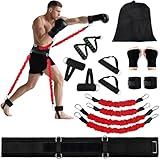
- Add Resistance: Use resistance bands to increase the challenge.
- Increase Speed: Practice throwing punches faster.
Advanced Techniques
- Advanced Combinations: Learn and practice complex punch combinations.
- Counter-Punching: Practice counter-punching techniques.
- Sparring: Once you’ve mastered the basics, consider sparring with a partner to test your skills.
Shadow Boxing for Different Fitness Levels
Shadow boxing is adaptable to any fitness level. You can modify the intensity and complexity of the exercises to suit your abilities.
Beginners
Start with the basics. Focus on proper form and technique. Keep the rounds short and the intensity low. Gradually increase the duration and intensity as you improve.
Intermediate
Incorporate more complex combinations and footwork drills. Increase the duration of your workouts and add resistance if needed.
Advanced
Focus on refining your technique and developing advanced skills. Incorporate sparring and other advanced drills. Experiment with different training methods.
Shadow Boxing vs. Other Boxing Training Methods
Shadow boxing is a foundational element of boxing training, but it’s just one piece of the puzzle. Here’s how it compares to other training methods.
| Training Method | Focus | Benefits | Considerations |
|---|---|---|---|
| Shadow Boxing | Technique, footwork, and conditioning | Improves boxing skills, cardio, and coordination. Can be done anywhere. | Requires proper form to be effective. |
| Heavy Bag Training | Power, strength, and endurance | Develops punching power and stamina. | Requires a heavy bag and space. |
| Sparring | Real-world application of skills and strategy | Improves fighting skills and mental toughness. | Requires a partner and protective gear. |
| Pad Work | Accuracy and combination training | Improves timing and power. | Requires a trainer or partner with pads. |
| Strength and Conditioning | Strength, power, and overall fitness | Improves overall fitness and boxing performance. | Requires access to a gym or equipment. |
Incorporating Shadow Boxing Into a Broader Fitness Plan
To maximize your results, incorporate shadow boxing into a well-rounded fitness plan that includes:
- Cardiovascular Exercise: Running, swimming, or cycling to improve cardiovascular health.
- Strength Training: Weightlifting or bodyweight exercises to build muscle strength and endurance.
- Flexibility Training: Stretching or yoga to improve flexibility and range of motion.
- Proper Nutrition: A balanced diet to fuel your workouts and support recovery.
- Adequate Rest: Allow your body enough time to recover between workouts.
Shadow Boxing and Injury Prevention
While shadow boxing is generally safe, it’s important to take precautions to prevent injuries.
- Warm-up Properly: Always warm up before you start.
- Use Proper Technique: Focus on proper form to prevent injuries.
- Listen to Your Body: Take breaks when needed.
- Wear Protective Gear: Consider using hand wraps and boxing gloves.
- Avoid Overtraining: Give your body adequate rest and recovery time.
Verdict
Shadow boxing is a remarkably effective and accessible form of exercise that offers a wealth of benefits. From improving cardiovascular health and muscle strength to enhancing coordination and mental focus, it’s a versatile tool for anyone looking to improve their fitness and boxing skills. By following the techniques, tips, and guidelines in this guide, you can start shadow boxing effectively, whether you’re a beginner or an experienced athlete. Remember to focus on proper form, visualize your opponent, and stay consistent. With dedication and practice, you can transform your fitness and well-being through the power of shadow boxing. So, put on your gloves (or don’t!), find some space, and get ready to move!