Ever wonder if you can sculpt a chiseled physique without hitting a heavy bag or sparring partner? The answer might surprise you! Shadow boxing, often seen as a warm-up, is a powerful training method that can significantly contribute to your fitness goals. It’s a fantastic way to improve your boxing skills, but can it actually help you get ripped? We’ll explore the science, the techniques, and the undeniable benefits of shadow boxing to determine if it’s a viable path to a leaner, more muscular you. Get ready to lace up your invisible gloves and learn how this versatile workout can transform your body.
Shadow boxing is more than just throwing punches in the air; it’s a dynamic exercise that demands focus, coordination, and, most importantly, effort. It engages multiple muscle groups, improves cardiovascular health, and hones your boxing technique. But does it pack enough punch to build serious muscle and burn significant calories? That’s what we’re here to find out. This guide will take you through everything you need to know, from the basic movements to advanced routines, and how to maximize your results. Let’s get started!
The Fundamentals: What Is Shadow Boxing?
Shadow boxing is essentially boxing against an imaginary opponent. You mimic the movements of a real boxing match, throwing punches, weaving, bobbing, and footwork, all without a physical target. This allows you to focus on your form, technique, and speed. It’s a versatile exercise that can be done anywhere, anytime, requiring minimal equipment.
Key Components of Shadow Boxing:
- Stance: The foundation of any good boxing workout. A proper stance provides balance and power.
- Footwork: Crucial for both offense and defense. Includes shuffling, pivoting, and moving in and out of range.
- Punches: Jabs, crosses, hooks, and uppercuts – executed with proper form and technique.
- Defense: Slipping, rolling, and blocking to avoid imaginary punches.
Shadow boxing is an excellent way to improve your boxing skills. It allows you to practice your punches, footwork, and defensive movements without the risk of injury. It also helps you develop muscle memory, making your movements more fluid and efficient. By focusing on your technique, you can identify and correct any flaws in your form. It is also an excellent tool for improving your cardiovascular fitness and burning calories.
Shadow Boxing for Muscle Building: Does It Work?
While shadow boxing might not be the primary method for building massive muscles like heavy weightlifting, it absolutely contributes to muscle development and definition. Think about it: you are repeatedly engaging your muscles against resistance (your own bodyweight).
Muscle Groups Targeted:
- Shoulders: Especially the deltoids (front, side, and rear) are heavily engaged when throwing punches.
- Arms: The biceps and triceps work to extend and retract your arms during punches.
- Chest: Muscles like the pectoralis major are activated during punches, adding to the power.
- Back: The core and back muscles are engaged to stabilize your body and generate power.
- Core: Crucial for stability, power generation, and transferring force from your lower body to your upper body.
- Legs: Constant movement and footwork engage the quadriceps, hamstrings, and calves.
The repetitive motions and constant engagement of these muscle groups lead to hypertrophy (muscle growth) over time. However, the level of muscle growth depends on several factors, including the intensity, duration, and frequency of your shadow boxing sessions. Moreover, shadow boxing is particularly effective for developing lean muscle and improving muscle definition, which contributes to a ‘ripped’ physique. It also helps in improving muscular endurance.
The Calorie-Burning Power of Shadow Boxing
One of the most significant benefits of shadow boxing is its ability to burn a substantial number of calories. This is because shadow boxing is a high-intensity interval training (HIIT) exercise. It involves short bursts of intense activity followed by brief recovery periods. This type of workout is known for its efficiency in burning calories and improving cardiovascular health.
Factors Affecting Calorie Burn:
- Intensity: The harder you work, the more calories you burn. Focus on throwing powerful, fast punches.
- Duration: Longer workouts burn more calories. Aim for at least 30 minutes of shadow boxing.
- Bodyweight: Heavier individuals burn more calories than lighter individuals.
- Technique: Proper form maximizes the use of your muscles, leading to a higher calorie burn.
The exact number of calories burned varies depending on these factors, but a 30-minute shadow boxing session can easily burn between 300 to 500 calories, or even more, which significantly contributes to a calorie deficit, which is essential for fat loss. When combined with a proper diet, shadow boxing can be a highly effective way to shed body fat and reveal underlying muscle, helping you achieve a ripped physique. Moreover, shadow boxing can boost your metabolism, which can help you burn more calories throughout the day, even when you’re not working out.
Crafting Effective Shadow Boxing Workouts
To maximize your results from shadow boxing, it’s essential to structure your workouts effectively. This involves choosing the right exercises, setting realistic goals, and incorporating variations to keep things interesting and challenging.
Workout Structure:
- Warm-up (5-10 minutes): Include light cardio (jumping jacks, high knees), dynamic stretching (arm circles, leg swings), and shadow boxing at a low intensity.
- Main Workout (20-40 minutes): Focus on a combination of different punches, footwork drills, and defensive movements.
- Cool-down (5-10 minutes): Static stretching (holding stretches for 20-30 seconds) to improve flexibility and reduce muscle soreness.
Sample Workout Routine:
Here’s a sample shadow boxing routine you can try:
Round 1: Jab, cross, jab, cross (3 minutes) (See Also: Does Shadow Boxing Really Work )
Round 2: Jab, cross, hook, cross (3 minutes)
Round 3: Jab, cross, hook, uppercut (3 minutes)
Round 4: Defensive drills (slipping, rolling, bobbing and weaving) (3 minutes)
Round 5: Footwork drills (shuffling, pivoting) (3 minutes)
Rest: 1 minute between rounds
Repeat the rounds for the desired duration of your workout. You can also vary the routine by incorporating different combinations of punches, footwork drills, and defensive movements. It’s crucial to maintain proper form throughout the workout to avoid injuries and maximize effectiveness.
Advanced Techniques and Drills
Once you’ve mastered the basics, you can take your shadow boxing to the next level with advanced techniques and drills. This will help you improve your skills, increase the intensity of your workouts, and keep your body challenged.
Advanced Drills:
- Speed Bag Drill: Imagine a speed bag and practice rapid punches, working on your hand speed and coordination.
- Heavy Bag Drill: Visualize hitting a heavy bag and throw powerful punches, focusing on your form and power.
- Partner Drills: If you have a training partner, practice shadow boxing with them. They can call out combinations or simulate an opponent’s movements.
Incorporating Resistance:
To further increase the intensity of your shadow boxing workouts, you can incorporate resistance. Here are a few options:
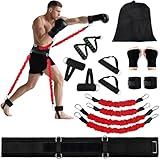
- Resistance Bands: Attach resistance bands to your wrists or ankles to increase the resistance during your punches and footwork.
- Light Dumbbells: Hold light dumbbells while shadow boxing to increase the load on your muscles. Be careful not to use too much weight, as this can compromise your form and potentially lead to injury.
By incorporating these advanced techniques and drills, you can make your shadow boxing workouts more challenging and effective, helping you achieve your fitness goals faster. Consistency is key, so make sure to stick to your routine and gradually increase the intensity and duration of your workouts.
Shadow Boxing vs. Other Forms of Exercise
Let’s compare shadow boxing to other popular forms of exercise to understand its strengths and weaknesses. (See Also: Are Boxing Classes Worth It )
| Exercise Type | Pros | Cons |
|---|---|---|
| Shadow Boxing |
|
|
| Weightlifting |
|
|
| Running |
|
|
| HIIT (High-Intensity Interval Training) |
|
|
As you can see, shadow boxing offers a unique combination of benefits. It’s a great option for those who want a full-body workout that improves cardiovascular health, enhances boxing skills, and burns calories. While it may not be as effective for building muscle mass as weightlifting, it can still contribute to muscle development and definition, which is key to getting ripped. Shadow boxing is also a fantastic option for cross-training, complementing other forms of exercise such as weightlifting or running.
Nutrition and Recovery: The Keys to a Ripped Physique
While shadow boxing is an excellent workout, it’s only one piece of the puzzle. To achieve a ripped physique, you also need to pay attention to your nutrition and recovery. These two factors are critical for muscle growth, fat loss, and overall health.
Nutrition:
Calorie Deficit: To lose body fat, you need to consume fewer calories than you burn. Shadow boxing can help you create this deficit. Track your calorie intake and adjust it as needed.
Protein Intake: Protein is essential for muscle growth and repair. Aim to consume 0.8 to 1 gram of protein per pound of body weight per day. Include protein-rich foods in every meal, such as lean meats, poultry, fish, eggs, and dairy.
Carbohydrates: Choose complex carbohydrates, such as whole grains, fruits, and vegetables, to fuel your workouts and provide energy. Avoid processed foods and sugary drinks.
Healthy Fats: Include healthy fats in your diet, such as avocados, nuts, and olive oil. These fats support hormone production and overall health. Limit saturated and trans fats.
Recovery:
Sleep: Aim for 7-9 hours of quality sleep per night. Sleep is essential for muscle repair and growth. Your body repairs itself while you sleep.
Rest Days: Schedule rest days to allow your body to recover from workouts. This is when your body rebuilds and repairs muscle tissue.
Active Recovery: On rest days, engage in light activities such as walking, yoga, or stretching to improve blood flow and reduce muscle soreness.
Hydration: Drink plenty of water throughout the day to stay hydrated. Water is essential for muscle function and recovery. Proper hydration helps your body function optimally. (See Also: Does Boxing Classes Help With Weight Loss )
By combining shadow boxing with a proper diet and adequate recovery, you can maximize your results and achieve a ripped physique. Consistency is key, so make sure to stick to your routine and be patient with the process. The results will come with time and effort.
Common Mistakes to Avoid
To get the most out of your shadow boxing workouts and avoid potential setbacks, it’s important to be aware of the common mistakes that people make.
Mistake 1: Poor Form
This is the most common mistake. Throwing punches without proper form can lead to injuries and reduce the effectiveness of your workout. Always focus on maintaining good form, even when you’re tired. Watch instructional videos and practice in front of a mirror to check your form.
Mistake 2: Lack of Intensity
If you’re not pushing yourself during your shadow boxing sessions, you won’t see significant results. Make sure to work at a high intensity, throwing powerful and fast punches. Incorporate different combinations and drills to challenge yourself.
Mistake 3: Neglecting Footwork
Footwork is a crucial component of shadow boxing. It’s important to practice your footwork drills regularly to improve your agility, balance, and coordination. Don’t just stand in one place; constantly move around, pivot, and shuffle.
Mistake 4: Skipping Warm-Up and Cool-Down
Warming up prepares your body for the workout, reducing the risk of injury. Cooling down helps to improve flexibility and reduce muscle soreness. Always include a warm-up and cool-down in your shadow boxing routine.
Mistake 5: Not Combining with Other Exercises
Shadow boxing is a great workout, but it’s not a complete solution for getting ripped. Combine it with other forms of exercise, such as weightlifting or HIIT, to maximize your results. You can also incorporate other exercises that target specific muscle groups.
By avoiding these common mistakes, you can optimize your shadow boxing workouts and increase your chances of achieving your fitness goals. Always focus on proper form, intensity, and consistency.
The Verdict: Can Shadow Boxing Get You Ripped?
So, does shadow boxing have the potential to get you ripped? The answer is a resounding yes, but with a few caveats. Shadow boxing is an exceptional tool for burning calories, improving cardiovascular health, and building lean muscle. It will significantly contribute to a more defined physique. However, shadow boxing is most effective when combined with a proper diet and, ideally, other forms of exercise, such as weightlifting, to build more muscle mass.
Shadow boxing alone is unlikely to give you the same level of muscle mass as a dedicated weight training program. It is also important to remember that achieving a ripped physique is a multifaceted process that involves consistent effort, a balanced diet, and adequate rest. However, if you are looking for a fun, effective, and accessible way to burn calories, improve your boxing skills, and build lean muscle, then shadow boxing is an excellent choice. It is a fantastic option for those who want a full-body workout that improves cardiovascular health, enhances boxing skills, and burns calories. The key is consistency, proper form, and incorporating it as part of a comprehensive fitness plan. If you are willing to put in the work, shadow boxing can be a powerful ally on your journey to a ripped physique!
Verdict
Shadow boxing is a versatile and effective exercise that can be a valuable part of any fitness routine. It’s a fantastic way to burn calories, improve cardiovascular health, and develop lean muscle, which are all essential for achieving a ripped physique. While shadow boxing alone may not build as much muscle mass as weightlifting, it can certainly contribute to muscle definition and overall body composition.
To maximize your results, combine shadow boxing with a balanced diet, adequate rest, and, if possible, other forms of exercise like weight training. Remember to prioritize proper form, intensity, and consistency in your workouts. By incorporating these elements, you can harness the power of shadow boxing to get closer to your fitness goals. Embrace the journey, stay dedicated, and enjoy the process of transforming your body!