Ever wondered if you could get a killer workout without needing a punching bag or an opponent? Shadow boxing, the art of throwing punches at an imaginary foe, might just be your answer. It’s a fantastic way to improve your boxing skills, but the burning question is: can shadow boxing be cardio? The short answer is a resounding yes, but the long answer is where things get interesting.
We’ll explore how shadow boxing stacks up against traditional cardio exercises like running or cycling. We’ll break down the specific components that make it a great cardio workout, looking at intensity, duration, and the muscles involved. You’ll learn how to structure your shadow boxing sessions to maximize your calorie burn and improve your cardiovascular fitness. Get ready to lace up those imaginary gloves and find out if shadow boxing can truly replace your treadmill time!
Shadow Boxing: More Than Just Punches in the Air
Shadow boxing is often seen as a fundamental training tool for boxers, a way to hone technique and build muscle memory. However, its benefits extend far beyond the boxing ring. It’s a full-body workout that engages multiple muscle groups, improves coordination, and, most importantly for our discussion, can provide a serious cardio challenge. Unlike hitting a heavy bag, shadow boxing forces you to move constantly, mimicking the dynamic footwork and evasive maneuvers of a real fight.
The Core Components of Shadow Boxing
To understand how shadow boxing works as cardio, let’s break down its key elements:
- Footwork: This is where a lot of the cardio comes in. Constant movement, shuffling, pivots, and quick steps are crucial.
- Punching: Throwing punches, even without impact, requires significant muscle engagement and energy expenditure.
- Evasive Maneuvers: Slipping, bobbing, and weaving demand quick reflexes and contribute to the overall intensity.
- Rhythm and Timing: The constant flow of movement, punching combinations, and defensive actions creates a rhythmic pattern that keeps your heart rate elevated.
Shadow Boxing vs. Traditional Cardio: A Comparison
Let’s put shadow boxing side-by-side with some common cardio exercises to see how they measure up:
| Feature | Shadow Boxing | Running | Cycling |
|---|---|---|---|
| Primary Muscle Groups | Shoulders, Arms, Core, Legs | Legs, Core | Legs, Core |
| Cardiovascular Benefits | High | High | High |
| Calorie Burn (per hour) | 400-800+ calories (depending on intensity) | 500-1000+ calories (depending on speed and incline) | 400-800+ calories (depending on speed and resistance) |
| Impact | Low to Moderate (depending on footwork) | High | Low |
| Equipment Required | None | Shoes | Bike |
| Skill Required | Basic knowledge of boxing techniques helpful but not essential | Minimal | Minimal |
| Variety | High (combinations, footwork drills, speed drills) | Moderate (varied routes, interval training) | Moderate (varied routes, interval training, resistance) |
As you can see, shadow boxing holds its own against more traditional forms of cardio, offering similar calorie-burning potential and cardiovascular benefits. The impact level is typically lower than running, which may be beneficial for individuals with joint issues. Plus, it requires minimal equipment, making it accessible to almost anyone, anywhere.
Boosting Your Cardio Through Shadow Boxing
To maximize the cardio benefits of shadow boxing, you need to structure your workouts strategically. Here’s how:
1. Warm-Up
Before you start throwing punches, it’s essential to prepare your body. A proper warm-up will increase blood flow to your muscles, improve flexibility, and reduce the risk of injury. Aim for 5-10 minutes of light cardio, such as jumping jacks, high knees, or arm circles. Follow this with dynamic stretching, like arm swings and leg swings. (See Also: Does Shadow Boxing Really Work )
2. High-Intensity Interval Training (hiit)
HIIT is a highly effective way to boost your cardio fitness. Alternate between short bursts of high-intensity shadow boxing (e.g., 30-60 seconds) and periods of active recovery (e.g., 30-60 seconds of light shadow boxing or rest). Here’s a sample HIIT routine:
- Round 1: Jab-cross-hook-uppercut combination (60 seconds) / Active Recovery (30 seconds)
- Round 2: Footwork drills (e.g., in-and-out, side-to-side) (60 seconds) / Active Recovery (30 seconds)
- Round 3: Defensive drills (e.g., slips, weaves) (60 seconds) / Active Recovery (30 seconds)
- Repeat this cycle for 3-5 rounds, then cool down.
3. Vary Your Combinations and Footwork
Don’t just throw the same punches over and over. Mix it up! Incorporate different combinations, such as jab-cross, hook-hook, or uppercut-cross. Experiment with different footwork drills, like shuffling, pivots, and lateral movements. This will keep your body guessing and prevent boredom.
4. Focus on Speed and Power
The intensity of your shadow boxing directly impacts its cardio benefits. Aim to throw your punches as fast as you can while maintaining proper form. Focus on generating power with each punch, engaging your core, and transferring your weight efficiently. Remember, it’s not just about throwing punches; it’s about throwing them with purpose.
5. Duration
The length of your shadow boxing sessions can vary depending on your fitness level and goals. Beginners should start with shorter sessions (15-20 minutes) and gradually increase the duration as they get fitter. Experienced boxers can shadow box for 30-45 minutes or even longer. Remember to listen to your body and take breaks when needed.
6. Cool-Down
After your shadow boxing session, it’s crucial to cool down. This helps your heart rate gradually return to normal and prevents muscle soreness. Perform static stretches, holding each stretch for 20-30 seconds. Focus on stretching the muscles you used during your workout, such as your shoulders, arms, legs, and core.
Advanced Shadow Boxing Techniques for Enhanced Cardio
Once you’ve mastered the basics, you can incorporate more advanced techniques to take your shadow boxing cardio to the next level.
1. Shadow Boxing with Resistance
Adding resistance can significantly increase the intensity of your workout. You can use: (See Also: Are Boxing Classes Worth It )
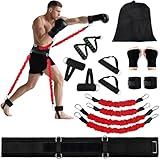
- Resistance Bands: Wrap resistance bands around your wrists or ankles to increase the effort required for each punch and movement.
- Light Dumbbells: Hold light dumbbells (2-5 pounds) to add resistance to your punches. Be cautious not to compromise your form.
2. Incorporate Plyometrics
Plyometric exercises, such as jump squats, burpees, and jump lunges, can be integrated into your shadow boxing routine. These exercises involve explosive movements that elevate your heart rate and improve power and agility. For example, you could do a round of shadow boxing followed by a round of burpees, then repeat.
3. Shadow Boxing with a Metronome
A metronome can help you maintain a consistent rhythm and improve your timing. Set the metronome to a specific tempo and try to match your punches and footwork to the beat. This can be particularly useful for speed drills and interval training.
4. Visualize an Opponent
Mental engagement can enhance the intensity of your workout. Imagine you’re facing a real opponent and visualize their movements. This can help you react faster, improve your footwork, and throw punches with more purpose.
5. Shadow Boxing with a Mirror
A mirror is a great tool for analyzing your technique and identifying areas for improvement. Watch your form as you shadow box and make adjustments as needed. This can help you improve your efficiency and prevent bad habits.
Common Mistakes to Avoid
To get the most out of your shadow boxing workouts, avoid these common mistakes:
- Poor Form: Prioritize proper technique over speed and power. Incorrect form can lead to injuries.
- Inconsistent Intensity: Maintain a consistent level of intensity throughout your workout. Avoid resting for extended periods.
- Neglecting Footwork: Footwork is crucial for cardio. Don’t neglect your footwork drills.
- Lack of Variety: Mix up your combinations, footwork, and drills to keep your body guessing and prevent boredom.
- Ignoring Your Body: Listen to your body and take breaks when needed. Don’t push yourself too hard, especially when you’re starting.
Shadow Boxing for Weight Loss
Shadow boxing can be an effective tool for weight loss, as it burns a significant number of calories. The exact number of calories you burn depends on several factors, including your weight, intensity, and duration of the workout. As mentioned earlier, a shadow boxing session can burn anywhere from 400 to 800+ calories per hour. However, it’s important to remember that weight loss is a result of a calorie deficit – burning more calories than you consume. Therefore, combining shadow boxing with a healthy diet is the most effective approach to achieving your weight loss goals.
Here’s how shadow boxing can contribute to weight loss: (See Also: Does Boxing Classes Help With Weight Loss )
- High Calorie Burn: Shadow boxing is a high-intensity workout that burns a significant number of calories in a relatively short amount of time.
- Muscle Building: Shadow boxing engages multiple muscle groups, which can help increase your metabolism and burn more calories even when you’re at rest.
- Improved Cardiovascular Fitness: Shadow boxing improves your cardiovascular fitness, which can enhance your ability to burn calories during other activities.
- Stress Reduction: Exercise, including shadow boxing, can help reduce stress, which can indirectly contribute to weight loss by preventing emotional eating.
Integrating Shadow Boxing Into Your Fitness Routine
Shadow boxing is a versatile exercise that can be easily integrated into your existing fitness routine. Here are a few ways to do it:
- As a Standalone Workout: You can use shadow boxing as your primary cardio workout, performing it 2-3 times per week.
- As a Warm-up: Incorporate shadow boxing into your warm-up routine before strength training or other workouts.
- As a Cool-down: Use shadow boxing as a cool-down activity after your main workout.
- As a Cross-Training Exercise: Supplement your other workouts with shadow boxing to add variety and challenge your body in new ways.
Sample Weekly Schedule:
- Monday: Shadow Boxing (30 minutes) + Strength Training
- Tuesday: Rest
- Wednesday: Running (30 minutes)
- Thursday: Shadow Boxing (30 minutes)
- Friday: Rest
- Saturday: Shadow Boxing (45 minutes)
- Sunday: Active Rest (e.g., yoga, stretching)
This is just a sample schedule; you can adjust it to fit your individual needs and preferences.
Equipment and Resources
The beauty of shadow boxing is that you need very little equipment to get started. However, some tools can enhance your workouts:
- Boxing Gloves (optional): If you want to get the feel of wearing gloves, you can use a pair during your shadow boxing sessions.
- Hand Wraps (optional): Hand wraps provide support and protection for your wrists.
- Mirror (optional): A mirror helps you analyze your form.
- Metronome (optional): A metronome can assist with timing and rhythm.
- Online Resources: There are many online resources available, including videos and tutorials, that can guide you through shadow boxing drills and techniques. YouTube is an excellent source of free boxing tutorials.
- Boxing Coaches (optional): If you’re serious about improving your boxing skills, consider working with a boxing coach. They can provide personalized feedback and help you refine your technique.
Beyond Cardio: Other Benefits of Shadow Boxing
While we’ve focused on the cardio aspects, shadow boxing offers a range of other benefits:
- Improved Boxing Skills: Shadow boxing helps you develop your boxing technique, including your punches, footwork, and defensive maneuvers.
- Increased Strength and Endurance: Shadow boxing engages multiple muscle groups, which can help increase your strength and endurance.
- Enhanced Coordination and Agility: Shadow boxing requires you to coordinate your movements, which can improve your coordination and agility.
- Stress Relief: Exercise, including shadow boxing, can help reduce stress and improve your mood.
- Increased Confidence: Shadow boxing can help you build confidence and improve your self-esteem.
Conclusion
So, can shadow boxing be cardio? Absolutely! It’s a fantastic, accessible, and engaging way to improve your cardiovascular fitness. By incorporating proper technique, HIIT principles, and varied drills, you can transform shadow boxing into a calorie-burning, heart-pumping workout that rivals traditional cardio exercises. Whether you’re a seasoned boxer or a complete beginner, shadow boxing offers a dynamic and effective way to get fit, build strength, and improve your overall well-being. Get ready to sweat, have fun, and experience the benefits of this versatile exercise!