So, you want to pack a serious punch, huh? You’re in the right place. Boxing is a beautiful dance of power and precision, and the ability to hit hard and fast is the key to success. Whether you’re a seasoned fighter or just starting out, there’s always room to improve your punching technique. This guide will break down the science behind powerful punches, covering everything from stance and footwork to the mechanics of a perfect punch. We’ll explore the crucial role of your core, the importance of proper training, and how to develop the explosive power needed to leave your opponent seeing stars.
Getting faster and stronger in the ring requires more than just throwing your fists. It requires a holistic approach, focusing on technique, conditioning, and mental fortitude. We’ll look at the fundamental principles of generating force, the drills you can use to build speed, and the strategies to sharpen your reflexes. This isn’t just about throwing a punch; it’s about understanding the art and science of boxing and applying it effectively. Let’s get started!
The Fundamentals: Stance, Footwork, and Balance
Before we even think about throwing a punch, we need a solid foundation. Your stance is the bedrock upon which all your punches are built. A good stance provides balance, allows for efficient movement, and sets you up to generate maximum power. Let’s break it down:
The Orthodox Stance
This is the most common stance, typically adopted by right-handed fighters. Here’s how to set it up:
- Feet: Your lead foot (left foot) should be pointing roughly towards your opponent, and your rear foot (right foot) should be slightly behind, at about a 45-degree angle. Your feet should be about shoulder-width apart.
- Weight Distribution: Distribute your weight evenly, with a slight bend in your knees. Think of it as a coiled spring, ready to explode.
- Posture: Keep your back straight, core engaged, and chin tucked. This protects your jaw and allows you to absorb punches more effectively.
- Hands: Keep your hands up, protecting your face. Your lead hand should be near your face, and your rear hand should be guarding your chin.
The Southpaw Stance
This is the mirror image of the orthodox stance, adopted by left-handed fighters. The right foot is forward, and the left foot is back.
Why is the stance so important? Because it allows you to:
- Generate Power: A stable base allows you to transfer force from your legs and core into your punches.
- Move Efficiently: Good footwork enables you to close the distance, evade punches, and reposition yourself for attack.
- Protect Yourself: A balanced stance makes you less vulnerable to being knocked off balance.
Footwork: The Engine of Power
Your feet are the engine that drives your punches. Proper footwork is essential for generating power, closing the distance, and avoiding your opponent’s attacks. Here are some key footwork drills:
- The Shuffle: This involves sliding your feet along the ground, maintaining your stance. If you move your lead foot, your rear foot follows. If you move your rear foot, your lead foot follows. Keep your balance at all times.
- The Pivot: Pivoting allows you to change your angle of attack. Rotate on the ball of your foot to move around your opponent.
- The Step-Drag: Step forward with your lead foot, and then drag your rear foot to close the distance. This is a common technique for closing the gap to deliver a punch.
Practice these drills regularly. Footwork is all about muscle memory, so the more you practice, the more natural it will become.
The Anatomy of a Powerful Punch
A powerful punch isn’t just about arm strength; it’s a full-body movement. It involves the coordinated effort of your legs, core, and arms. Let’s break down the mechanics of some key punches: (See Also: How To Hang Boxing Bag Without Hook )
The Jab
The jab is the most fundamental punch in boxing. It’s a quick, straight punch thrown with your lead hand. Here’s how to throw a proper jab:
- Stance: Start in your boxing stance.
- Rotation: Rotate your lead foot slightly outward as you punch.
- Extension: Extend your lead arm straight towards your target, keeping your elbow slightly bent.
- Impact: Make contact with the knuckles of your index and middle fingers.
- Return: Quickly retract your hand back to your guard.
Why is the jab important? It’s a key tool for:
- Measuring Distance: The jab helps you gauge the distance between you and your opponent.
- Setting Up Other Punches: It can be used to distract your opponent and open them up for more powerful shots.
- Scoring Points: Jabs can be used to accumulate points in a fight.
The Cross
The cross is a powerful punch thrown with your rear hand. Here’s how to throw a proper cross:
- Stance: Start in your boxing stance.
- Rotation: Rotate your rear foot outward as you punch.
- Torso Twist: Twist your torso, transferring your weight from your rear leg to your lead leg.
- Extension: Extend your rear arm straight towards your target, keeping your elbow slightly bent.
- Impact: Make contact with the knuckles of your index and middle fingers.
- Return: Quickly retract your hand back to your guard.
Why is the cross important? It’s a key tool for:
- Generating Power: The cross is one of the most powerful punches in boxing.
- Knockouts: It’s frequently used to knock out opponents.
- Counter-Punching: It can be used to counter your opponent’s punches.
The Hook
The hook is a powerful punch thrown with a bent arm, aimed at the side of your opponent’s head or body. Here’s how to throw a proper hook:
- Stance: Start in your boxing stance.
- Footwork: Pivot on your lead foot (for a left hook) or your rear foot (for a right hook).
- Arm Bend: Bend your arm at a 90-degree angle.
- Rotation: Rotate your hips and torso, generating power from your core.
- Impact: Make contact with the knuckles of your index and middle fingers.
- Return: Quickly retract your hand back to your guard.
Why is the hook important? It’s a key tool for:
- Attacking the Sides: Hooks are great for targeting the head and body.
- Short-Range Combat: Hooks are effective at close range.
- Setting Up Combinations: Hooks can be used to set up other punches.
The Uppercut
The uppercut is a powerful punch thrown upwards, aimed at your opponent’s chin or body. Here’s how to throw a proper uppercut:
- Stance: Start in your boxing stance.
- Footwork: Slightly bend your knees and drop your weight.
- Arm Position: Keep your arm bent at a 90-degree angle.
- Upward Motion: Drive your fist upwards, aiming for your opponent’s chin or body.
- Impact: Make contact with the knuckles of your index and middle fingers.
- Return: Quickly retract your hand back to your guard.
Why is the uppercut important? It’s a key tool for: (See Also: Is Undisputed Boxing Crossplay )
- Attacking the Chin: Uppercuts are great for knocking out opponents.
- Short-Range Combat: Uppercuts are effective at close range.
- Breaking Through Guards: Uppercuts can be used to break through your opponent’s guard.
The Power Source: Core Strength and Explosiveness
Your core is the engine that drives your punches. It’s the central point from which all your power originates. A strong core not only helps you generate more power but also improves your balance and stability.
Core Exercises for Boxers
- Plank: This exercise strengthens your core muscles, providing stability and endurance. Hold the plank position for as long as possible.
- Russian Twists: This exercise strengthens your obliques, which are crucial for rotational power. Sit with your knees bent and feet off the ground, and twist your torso from side to side.
- Medicine Ball Twists: This exercise is similar to Russian twists but uses a medicine ball to add resistance.
- Hanging Leg Raises: This exercise works your lower abs and improves core stability. Hang from a pull-up bar and raise your legs towards your chest.
- Wood Chops: This exercise mimics the rotational movement of a punch. Use a cable machine or resistance band to perform wood chops.
Why is core strength so important? Because it allows you to:
- Generate More Power: A strong core allows you to transfer force from your legs and torso into your punches.
- Improve Balance and Stability: A strong core helps you maintain your balance and stability, making you less vulnerable to being knocked off balance.
- Enhance Endurance: A strong core helps you maintain your form and energy levels throughout a fight.
Explosive Training
Explosiveness is the ability to generate maximum force in a short amount of time. Explosive training is crucial for developing powerful punches. Here are some exercises that can help:
- Plyometric Exercises: These exercises involve explosive movements, such as jump squats, box jumps, and medicine ball throws.
- Medicine Ball Drills: Medicine ball drills, such as chest passes and overhead throws, can help you develop explosive power in your upper body.
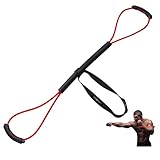
- Shadow Boxing with Resistance Bands: Using resistance bands during shadow boxing can help you build explosive power and improve your punching speed.
- Heavy Bag Training: Hitting the heavy bag with maximum power is an excellent way to develop explosiveness.
Why is explosiveness so important? Because it allows you to:
- Throw Punches Faster: Explosive training helps you increase your punching speed.
- Generate More Power: Explosive training helps you generate more power in your punches.
- React Quickly: Explosive training improves your reaction time, making you quicker in the ring.
Training for Speed and Agility
Speed is just as important as power in boxing. Fast punches are harder to defend against, and they can catch your opponent off guard. Agility allows you to move quickly and efficiently, making it easier to evade punches and reposition yourself.
Speed Drills
- Shadow Boxing: Shadow boxing is a great way to improve your punching speed. Focus on throwing punches as fast as possible while maintaining good form.
- Speed Bag Training: The speed bag helps you improve your hand-eye coordination and punching speed.
- Double-End Bag Training: The double-end bag is a great tool for improving your hand speed and reflexes.
- Reaction Drills: Reaction drills, such as light drills and focus mitt drills, can help you improve your reaction time and punching speed.
Why is speed important? Because it allows you to:
- Land More Punches: Faster punches are harder to defend against, allowing you to land more shots.
- Control the Pace: Speed allows you to control the pace of the fight.
- Confuse Your Opponent: Fast punches can confuse your opponent, making it harder for them to react.
Agility Drills
- Footwork Drills: Footwork drills, such as the shuffle, pivot, and step-drag, are essential for improving your agility.
- Agility Ladder Drills: Agility ladder drills can help you improve your footwork and coordination.
- Cone Drills: Cone drills can help you improve your agility and footwork.
- Jump Rope: Jump rope is a great way to improve your agility, coordination, and cardiovascular fitness.
Why is agility important? Because it allows you to:
- Evade Punches: Agility allows you to move quickly and efficiently, making it easier to evade your opponent’s punches.
- Reposition Yourself: Agility allows you to reposition yourself for attack.
- Control the Ring: Agility allows you to control the ring and dictate the pace of the fight.
The Importance of Proper Technique
Proper technique is essential for generating power and preventing injuries. Poor technique can lead to wasted energy, slow punches, and a higher risk of injury. (See Also: How To Boxing Hand Wraps Guide )
Key Technique Points
- Keep Your Hands Up: Always keep your hands up to protect your face.
- Chin Tucked: Keep your chin tucked to protect your jaw.
- Elbows In: Keep your elbows close to your body to protect your ribs.
- Rotate Your Torso: Rotate your torso to generate power.
- Breathe Properly: Breathe out as you punch.
Why is proper technique so important? Because it allows you to:
- Generate More Power: Proper technique allows you to transfer force from your legs, core, and arms into your punches.
- Prevent Injuries: Proper technique helps you avoid injuries.
- Improve Efficiency: Proper technique helps you conserve energy and improve your stamina.
Nutrition and Rest: Fueling Your Punches
Training hard is only half the battle. What you eat and how you rest play a crucial role in your performance. Proper nutrition and rest are essential for building muscle, recovering from training, and maintaining energy levels.
Nutrition for Boxers
Focus on a balanced diet:
- Protein: Essential for muscle repair and growth. Aim for lean protein sources like chicken, fish, and beans.
- Carbohydrates: Provide energy for your workouts. Choose complex carbs like whole grains, fruits, and vegetables.
- Healthy Fats: Important for hormone production and overall health. Include sources like avocados, nuts, and olive oil.
- Hydration: Drink plenty of water throughout the day. Dehydration can lead to fatigue and decreased performance.
Consider Supplements (Consult with a professional):
- Creatine: May help increase strength and power.
- Protein Powder: Can help you meet your protein needs.
- BCAAs: May help with muscle recovery.
Rest and Recovery
- Sleep: Aim for 7-9 hours of quality sleep per night. Sleep is crucial for muscle recovery and overall health.
- Active Recovery: Incorporate light activities like walking or swimming to promote blood flow and recovery.
- Rest Days: Take rest days to allow your body to recover from training.
- Listen to Your Body: If you’re feeling fatigued or sore, take a rest day.
Why are nutrition and rest important? Because they allow you to:
- Build Muscle: Proper nutrition provides the building blocks for muscle growth.
- Recover from Training: Rest and recovery allow your body to repair and rebuild muscle tissue.
- Maintain Energy Levels: Proper nutrition and rest help you maintain energy levels throughout your training and fights.
Putting It All Together: Training Programs and Strategy
Now that we’ve covered the fundamentals, let’s look at how to put it all together. Here’s a sample training program incorporating the principles we’ve discussed:
Sample Training Program (weekly)
This is a general template; adjust it based on your experience level and goals. Always consult with a coach or trainer to personalize your program.
| Day | Activity | Focus |
|---|---|---|
| Monday | Strength and Conditioning | Core, Explosiveness, Strength Training |
| Tuesday | Boxing Technique | Shadow Boxing, Heavy Bag, Focus Mitts |
| Wednesday | Active Recovery | Light Cardio, Stretching |
| Thursday | Boxing Sparring/Conditioning | Sparring, Endurance Drills |
| Friday | Strength and Conditioning | Core, Explosiveness, Strength Training |
| Saturday | Boxing Technique | Shadow Boxing, Heavy Bag, Focus Mitts |
| Sunday | Rest or Active Recovery | Rest or Light Activity |
Strategic Considerations
- Develop Combinations: Learn to string punches together, such as the jab-cross or the hook-uppercut.
- Vary Your Attacks: Don’t be predictable. Mix up your punches, attack the head and body, and use footwork to create angles.
- Analyze Your Opponent: Study your opponent’s strengths and weaknesses. Identify their tendencies and exploit them.
- Adapt Your Strategy: Be prepared to adjust your strategy during a fight.
- Mental Toughness: Boxing is as much a mental game as it is a physical one. Develop mental toughness to stay focused and resilient under pressure.
Remember: Consistency is key. Stick to your training program, practice proper technique, and focus on improving your skills. With dedication and hard work, you can develop powerful and fast punches.
Conclusion
You’ve now got the tools to start your journey to harder and faster punches. Remember, this is a process that requires dedication, consistency, and a willingness to learn. Focus on the fundamentals: a solid stance, proper footwork, and the correct mechanics of each punch. Prioritize core strength and explosive training to generate power. Don’t neglect speed drills and agility exercises to enhance your reflexes and movement. Fuel your body with proper nutrition and ensure adequate rest for recovery.
Boxing is a sport that rewards hard work and smart training. By implementing these techniques and strategies, you’ll be well on your way to improving your punching power and speed. Continue to refine your technique, stay committed to your training, and always strive to learn and grow. The path to becoming a better boxer is a continuous journey of self-improvement. Keep practicing, stay disciplined, and enjoy the process of becoming a more powerful and effective fighter.