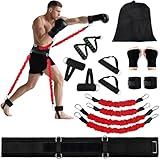
Ever wondered if you could ditch the treadmill and still shed those extra pounds? Well, you might be surprised to learn that shadow boxing could be the answer you’ve been searching for. This dynamic, full-body workout is more than just throwing punches in the air; it’s a calorie-torching, muscle-building, and coordination-enhancing exercise that can significantly contribute to your weight loss journey.
We’ll explore the science behind it, how to effectively incorporate shadow boxing into your routine, and what to expect in terms of results. Whether you’re a seasoned fitness enthusiast or a complete beginner, this guide will provide you with the knowledge and tools you need to see if shadow boxing is the right fit for your weight loss goals. Get ready to lace up your imaginary gloves and prepare to be amazed!
The Fundamentals of Shadow Boxing
Shadow boxing is essentially boxing without an opponent or equipment. You’re mimicking the movements of a boxer, throwing punches, weaving, bobbing, and footwork drills, all while imagining an adversary. This form of exercise can be done anywhere, anytime, making it incredibly accessible and convenient. You only need yourself, a bit of space, and the willingness to move.
Key Components of a Shadow Boxing Workout:
- Stance: The foundation of any good shadow boxing session. A proper stance provides balance and power. Typically, it involves a slightly bent-knee position with one foot forward and the other slightly behind, your weight distributed evenly.
- Footwork: Essential for agility and defense. This includes lateral movements (side-to-side), forward and backward steps, and pivots.
- Punches: The core of shadow boxing. The main punches are the jab, cross, hook, uppercut, and combinations thereof.
- Defense: Includes slipping (moving your head to avoid punches), rolling (ducking under punches), and blocking.
- Rhythm and Timing: Crucial for developing coordination and flow. This involves establishing a consistent pace and timing your movements to simulate a real fight.
How Shadow Boxing Burns Calories
The beauty of shadow boxing lies in its intensity. It’s a high-energy workout that engages multiple muscle groups simultaneously. This leads to a significant calorie burn, which is the cornerstone of weight loss. But how exactly does it work?
The Calorie-Burning Mechanism:
- Full-Body Engagement: Shadow boxing isn’t just about your arms. Your legs, core, and back are constantly working to maintain balance, generate power, and execute movements. This all-encompassing effort increases the metabolic rate.
- Cardiovascular Workout: The continuous movement and high-intensity intervals elevate your heart rate, providing a solid cardiovascular workout. This is vital for burning calories and improving overall fitness.
- Muscle Building: Shadow boxing helps build lean muscle mass. Muscle tissue is metabolically active, meaning it burns more calories at rest than fat tissue.
- Afterburn Effect (EPOC): The intense nature of shadow boxing triggers the Excess Post-exercise Oxygen Consumption (EPOC) effect. Your body continues to burn calories at an elevated rate for hours after your workout.
Estimating Calorie Burn:
The number of calories you burn during a shadow boxing session varies depending on factors like your weight, intensity, and duration. However, a typical 30-minute session can burn anywhere from 300 to 500 calories, or even more if you increase the intensity. This makes it a very effective calorie-burning exercise.
The Benefits Beyond Weight Loss
While weight loss is a significant benefit, shadow boxing offers a wealth of other advantages that contribute to overall health and well-being.
Improved Cardiovascular Health:
Regular shadow boxing sessions strengthen your heart and improve cardiovascular function. This reduces the risk of heart disease, stroke, and other cardiovascular ailments. The consistent elevation of your heart rate during the workout is the key here.
Enhanced Muscle Tone and Strength:
Shadow boxing engages multiple muscle groups, leading to improved muscle tone and strength, particularly in the arms, shoulders, core, and legs. This can lead to a more sculpted physique.
Better Coordination and Agility:
The footwork, punches, and defensive movements in shadow boxing require coordination and agility. Regularly practicing these movements improves your overall coordination and reaction time.
Stress Relief:
Shadow boxing can be a fantastic stress reliever. The physical exertion and focus required can help clear your mind and release endorphins, which have mood-boosting effects.
Improved Mental Focus:
Shadow boxing requires concentration and mental discipline. This can improve your focus and cognitive function. (See Also: Does Shadow Boxing Really Work )
Shadow Boxing vs. Other Cardio Exercises
Let’s compare shadow boxing to other popular cardio exercises to understand its unique advantages.
| Exercise | Calories Burned (per 30 min, approx.) | Pros | Cons |
|---|---|---|---|
| Shadow Boxing | 300-500+ | Full-body workout, improves coordination, no equipment needed, stress relief. | Requires learning technique, can be hard on joints if form is poor. |
| Running | 250-400 | Easily accessible, good for endurance, burns calories efficiently. | Can be hard on joints, can be monotonous, weather dependent. |
| Swimming | 200-350 | Low impact, full-body workout, great for endurance, good for joint health. | Requires access to a pool, can be time-consuming to get to the pool. |
| Cycling | 200-350 | Low impact, good for endurance, can be done indoors. | Requires a bike, can be monotonous. |
| Jumping Rope | 300-400 | High-intensity, improves coordination, portable. | Can be hard on joints, requires space. |
As you can see, shadow boxing offers a comparable calorie burn to many other cardio exercises, with the added benefits of improved coordination, muscle toning, and stress relief. The fact that it requires no equipment and can be done anywhere makes it incredibly convenient.
How to Incorporate Shadow Boxing Into Your Weight Loss Routine
To maximize the weight loss potential of shadow boxing, you need to integrate it effectively into your overall fitness plan. Here’s how:
Warm-Up:
Always start with a proper warm-up to prepare your muscles and joints for the workout. This could include light cardio like jogging in place, jumping jacks, or high knees, along with dynamic stretching, such as arm circles, torso twists, and leg swings. Aim for 5-10 minutes.
Shadow Boxing Session:
Focus on a combination of punches, footwork, and defensive movements. Vary the intensity and duration of your rounds to keep things challenging and prevent plateaus. Consider using a timer to structure your workout. A common format is: 3-minute rounds of shadow boxing followed by 1 minute of rest. Aim for 3-5 rounds initially, gradually increasing the number of rounds as you get fitter.
Cool-Down:
After your shadow boxing session, cool down with static stretching, holding each stretch for 20-30 seconds. Focus on stretching the muscles you’ve worked, like your shoulders, arms, legs, and core. This helps improve flexibility and reduce muscle soreness.
Sample Shadow Boxing Workout Routine:
- Warm-up: 5 minutes of light cardio and dynamic stretching.
- Round 1: Jab, cross, hook, uppercut combinations. Footwork: forward, backward, side-to-side. (3 minutes)
- Rest: 1 minute.
- Round 2: Focus on defensive movements: slipping, rolling, blocking. (3 minutes)
- Rest: 1 minute.
- Round 3: Speed round: Focus on fast punches and footwork. (3 minutes)
- Rest: 1 minute.
- Round 4: Combination of all movements. (3 minutes)
- Rest: 1 minute.
- Cool-down: 5-10 minutes of static stretching.
Frequency and Duration:
Aim for at least 3-4 shadow boxing sessions per week to see significant results. The duration of each session can vary, but 30-45 minutes is a good starting point. As you get fitter, you can increase the duration and intensity of your workouts.
Progression:
Gradually increase the intensity and duration of your workouts as you progress. You can do this by:
- Increasing the number of rounds.
- Adding more complex punch combinations.
- Increasing the speed and power of your punches.
- Reducing the rest time between rounds.
- Incorporating resistance bands to increase the challenge.
Nutrition and Shadow Boxing: The Perfect Pair
Exercise is only half the battle when it comes to weight loss. Nutrition plays an equally important role. To maximize your results, you need to combine shadow boxing with a healthy, balanced diet.
Calorie Deficit:
To lose weight, you need to consume fewer calories than you burn. This is known as a calorie deficit. Use a calorie calculator to determine your daily calorie needs based on your age, gender, activity level, and weight loss goals. Then, subtract 500-750 calories per day to create a healthy calorie deficit, which should lead to a weight loss of about 1-2 pounds per week. (See Also: Are Boxing Classes Worth It )
Macronutrient Balance:
Focus on consuming a balanced diet that includes all three macronutrients: protein, carbohydrates, and fats.
- Protein: Essential for muscle repair and growth. Aim for a protein intake of 0.8-1 gram per pound of body weight. Good sources include lean meats, poultry, fish, eggs, dairy, beans, and lentils.
- Carbohydrates: Provide energy for your workouts. Choose complex carbohydrates like whole grains, fruits, and vegetables.
- Fats: Important for hormone production and overall health. Focus on healthy fats from sources like avocados, nuts, seeds, and olive oil.
Hydration:
Drink plenty of water throughout the day, especially before, during, and after your shadow boxing sessions. Dehydration can hinder your performance and make it harder to lose weight.
Meal Timing:
Consider the timing of your meals and snacks. Eating a balanced meal or snack containing carbohydrates and protein before your workout can provide you with energy and help your muscles recover. Eating a balanced meal containing protein and carbohydrates after your workout can help replenish your glycogen stores and support muscle recovery.
Foods to Focus on:
Prioritize whole, unprocessed foods like fruits, vegetables, lean proteins, and whole grains. These foods are nutrient-dense and help you feel full and satisfied while providing the nutrients your body needs to function optimally.
Foods to Limit:
Limit processed foods, sugary drinks, excessive amounts of saturated and trans fats, and excessive alcohol consumption. These foods are often high in calories and low in nutrients, making it harder to lose weight.
Common Mistakes to Avoid
To get the most out of your shadow boxing workouts and avoid potential setbacks, it’s important to be aware of some common mistakes.
Poor Form:
Improper technique can lead to injuries and reduce the effectiveness of your workout. Take the time to learn the correct form for each punch and movement. Consider watching videos, reading articles, or working with a boxing coach to improve your technique.
Overdoing It:
It’s important to gradually increase the intensity and duration of your workouts. Don’t try to do too much too soon, as this can lead to burnout or injury. Listen to your body and take rest days when needed.
Neglecting Nutrition:
As mentioned, nutrition is crucial for weight loss. Make sure you’re eating a healthy, balanced diet that supports your weight loss goals. Don’t underestimate the impact of what you eat.
Lack of Consistency:
Consistency is key to seeing results. Stick to your workout schedule and diet plan as consistently as possible. Don’t get discouraged if you don’t see results immediately. It takes time and effort to lose weight. (See Also: Does Boxing Classes Help With Weight Loss )
Ignoring Rest and Recovery:
Rest and recovery are just as important as the workouts themselves. Make sure you get enough sleep and allow your muscles to recover between workouts. Overtraining can hinder your progress and increase your risk of injury.
Advanced Shadow Boxing Techniques
Once you’ve mastered the basics, you can elevate your shadow boxing game with some advanced techniques to further boost your calorie burn and challenge yourself. Here are a few to consider:
Adding Resistance:
Incorporate resistance bands or light dumbbells to increase the intensity of your punches and add resistance to your footwork. Be sure to use proper form and start with lighter weights to prevent injury.
Interval Training:
Implement high-intensity interval training (HIIT) within your shadow boxing routine. Alternate between short bursts of high-intensity work (e.g., 30 seconds of fast punches) and periods of rest or low-intensity activity (e.g., 30 seconds of shadow boxing at a slower pace). This is a very effective way to burn calories and improve cardiovascular fitness.
Focus Mitts and Heavy Bag Work (if Available):
If you have access to focus mitts or a heavy bag, incorporate these into your routine. Focus mitts allow you to practice your combinations with a partner, while the heavy bag provides a target to improve your power and technique.
Footwork Drills:
Refine your footwork with specific drills, such as the shuffle, the pivot, and the step-pivot. Practice these drills to improve your agility and coordination.
Visualization:
Visualize yourself in a real boxing match. Imagine your opponent, and react to their movements. This will help you improve your reaction time and strategic thinking.
Shadow Boxing with Music:
Choose music with a fast tempo to match the rhythm of your punches. This will help you maintain a consistent pace and keep your workouts engaging.
Final Verdict
So, is shadow boxing good for losing weight? Absolutely! It’s a highly effective, accessible, and versatile workout that can significantly contribute to your weight loss goals. By combining shadow boxing with a healthy diet and consistent effort, you can burn calories, build muscle, improve your cardiovascular health, and experience a wide range of other physical and mental benefits.
Remember to prioritize proper form, gradually increase the intensity of your workouts, and listen to your body. Don’t be afraid to experiment with different techniques and find what works best for you. With dedication and the right approach, shadow boxing can be a fun and rewarding way to achieve your weight loss goals and improve your overall fitness. Get ready to transform your body and your life, one punch at a time!