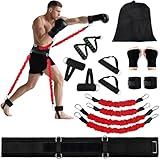
So, you’re thinking about transforming your garage into a boxing gym? Awesome! It’s a fantastic way to get in shape, relieve stress, and learn a valuable skill. Building your own home gym offers incredible convenience and allows you to train on your schedule, without the pressure or cost of a commercial gym. This guide will walk you through every step, from planning and safety to equipment selection and maintenance.
We’ll cover everything from the initial assessment of your garage space to the final touches, ensuring you create a safe, functional, and motivating environment. Whether you’re a seasoned boxer or a complete beginner, this comprehensive guide will give you the knowledge and confidence to build a garage boxing gym tailored to your needs. Get ready to sweat, learn, and transform your garage into a personal training haven.
Planning and Preparation: Laying the Foundation
Before you start swinging, proper planning is essential. This stage is crucial for ensuring your gym is safe, effective, and fits your budget. Let’s break down the key steps.
Assess Your Space
First, thoroughly assess your garage. Consider these factors:
- Size: Measure the length, width, and height. You’ll need enough space for your equipment, footwork, and shadow boxing. Remember to account for the swing of a heavy bag.
- Floor: Is the floor concrete? Is it level? Cracks or uneven surfaces need addressing.
- Lighting: How good is the existing lighting? Boxing requires good visibility to avoid injury.
- Ventilation: Garages can get stuffy. Proper ventilation is vital for comfort and health.
- Electrical Outlets: Assess the number and location of outlets. You might need to add more for lighting, fans, or other equipment.
- Insulation: Is your garage insulated? This impacts temperature control, especially in extreme climates.
- Ceiling Height: Ensure you have enough headroom for a hanging heavy bag and overhead exercises like pull-ups.
Budgeting
Determine your budget. Boxing equipment can range in price. Prioritize essential items first and add more later as your budget allows. Consider:
- Essentials: Heavy bag, boxing gloves, hand wraps, jump rope, speed bag (optional).
- Flooring: Rubber mats or other flooring to protect the floor and cushion impacts.
- Training Aids: Focus mitts, speed bag platform.
- Fitness Equipment: Weights, pull-up bar, medicine ball (optional).
- Protective Gear: Headgear, mouthguard, groin protector.
- Accessories: Mirror, water bottle, storage solutions.
Safety First
Safety is paramount. Address these issues before you begin training:
- Floor Protection: Install appropriate flooring to absorb impact.
- Clear the Space: Remove anything that could be a hazard (tools, chemicals, etc.).
- Lighting: Ensure adequate lighting to avoid tripping or other accidents.
- Ventilation: Improve airflow to prevent overheating.
- First Aid Kit: Keep a well-stocked first aid kit readily accessible.
Flooring: The Foundation of Your Gym
Choosing the right flooring is crucial for both safety and performance. It absorbs impact, protects your garage floor, and provides a stable surface for training. Let’s explore your options:
Rubber Mats
Pros: Excellent shock absorption, durable, easy to clean, available in various thicknesses and sizes, relatively affordable.
Cons: Can have a rubbery smell initially, may require adhesive to prevent movement.
Installation: Measure your space and calculate the required square footage. Interlocking mats are easy to install; simply fit them together. For larger areas, consider adhesive to secure the mats to the floor.
Foam Tiles
Pros: Lightweight, easy to install, provide good cushioning, available in various colors and patterns. (See Also: Does Shadow Boxing Really Work )
Cons: Less durable than rubber mats, may not be suitable for heavy bag work, can tear easily.
Installation: Interlocking foam tiles are simple to assemble. Ensure the floor is clean and dry before installation.
Considerations
- Thickness: Choose thicker mats (1-2 inches) for heavy bag work and high-impact exercises.
- Density: Higher-density mats offer better durability and shock absorption.
- Coverage: Cover the entire training area or just the areas where you’ll be boxing and using heavy equipment.
Equipment Essentials: The Heart of Your Gym
Now, let’s look at the essential equipment you’ll need to transform your garage into a functional boxing gym. These items will form the core of your training regime.
Heavy Bag
A heavy bag is a must-have. It’s the cornerstone of boxing training, allowing you to practice punches, combinations, and power development. Consider:
- Weight: Choose a bag that’s approximately half your body weight.
- Material: Leather or durable synthetic materials are best.
- Size: A longer bag is better for practicing body shots and uppercuts.
- Hanging: Use a heavy-duty bag hanger or a ceiling-mounted bracket. Ensure it’s securely fastened to a stud or beam.
Boxing Gloves
Essential for protecting your hands and wrists during heavy bag work and sparring. Key factors:
- Weight: The weight of the gloves depends on your training needs and weight class. Typically, 12-16 oz gloves are used for training.
- Material: Leather gloves are durable and comfortable.
- Fit: Ensure a snug but comfortable fit.
Hand Wraps
Crucial for protecting your hands and wrists. They provide support and absorb sweat. Choose wraps made of a durable, slightly elastic material.
Jump Rope
A great tool for cardio, footwork, and coordination. Choose a rope with adjustable length and comfortable handles.
Speed Bag (optional)
Develops hand-eye coordination and speed. Requires a speed bag platform and a speed bag.
Additional Equipment: Enhancing Your Training
Once you have the essentials, consider these additions to enhance your training:
Focus Mitts
Allow you to practice combinations and work on your technique with a partner. Choose mitts that are durable and comfortable for both you and your partner. (See Also: Are Boxing Classes Worth It )
Medicine Ball
Great for core strength and power development. Use them for rotational exercises, sit-ups, and throws.
Weight Training Equipment
Include dumbbells, kettlebells, or a weight bench to build strength and power. Consider a pull-up bar for upper body strength.
Mirror
Helps you monitor your technique and identify areas for improvement. Place the mirror in a location where you can see your form while shadow boxing.
Setting Up Your Gym: Layout and Organization
Proper layout and organization are vital for maximizing your training space. Here’s how to set up your garage boxing gym effectively.
Layout Considerations
- Heavy Bag Placement: Ensure the bag has sufficient space around it for swinging without hitting walls or other equipment.
- Shadow Boxing Area: Dedicate a clear space for shadow boxing and footwork drills.
- Equipment Storage: Utilize shelves, racks, or storage containers to keep your equipment organized and out of the way.
- Training Zones: Create distinct zones for different activities, such as heavy bag work, speed bag work, weight training, and stretching.
Organization Tips
- Wall Storage: Use wall-mounted racks or hooks for gloves, hand wraps, and other accessories.
- Floor Storage: Store weights and medicine balls on a rack or in a designated area to prevent tripping hazards.
- Cable Management: Keep electrical cords and cables organized to avoid hazards.
- Regular Cleaning: Wipe down equipment and sweep the floor regularly to maintain a clean and hygienic training environment.
Lighting and Ventilation: Creating a Comfortable Environment
Proper lighting and ventilation are essential for a safe and comfortable training environment. Let’s look at how to address these crucial elements.
Lighting
- Brightness: Ensure sufficient lighting to avoid straining your eyes or risking injury. LED lighting is a good option.
- Placement: Position lights to provide even illumination throughout the training area. Avoid shadows.
- Type: Consider using a combination of overhead lights and task lighting, such as spotlights or track lighting, to illuminate specific areas.
Ventilation
- Airflow: Garages can get hot and stuffy. Improve airflow with fans, vents, or by leaving the garage door partially open.
- Fans: Install ceiling fans or oscillating fans to circulate air and keep you cool during workouts.
- Natural Ventilation: Open windows or the garage door when weather permits.
Maintenance and Care: Keeping Your Gym in Top Shape
Regular maintenance ensures your gym remains safe, functional, and enjoyable. Here’s how to keep your space in top condition.
Equipment Cleaning
- Gloves: Wipe down your gloves after each use and allow them to air dry. Use a glove deodorizer to eliminate odors.
- Heavy Bag: Wipe down the bag regularly to remove sweat and dirt.
- Flooring: Sweep and mop your flooring regularly to remove dirt and debris.
- Other Equipment: Wipe down weights, focus mitts, and other equipment after use.
Equipment Inspection
- Heavy Bag: Check the stitching and hanging straps on your heavy bag regularly. Replace if necessary.
- Gloves: Inspect your gloves for tears or damage. Replace them when they wear out.
- Ropes: Inspect jump ropes for fraying.
Regular Cleaning
- Sweeping and Mopping: Sweep and mop the floor regularly to maintain a clean and hygienic training environment.
- Dusting: Dust shelves, racks, and other surfaces regularly.
- Ventilation: Ensure adequate ventilation to prevent mold and mildew.
Training Tips: Maximizing Your Workouts
With your gym set up, it’s time to focus on training. Here are some tips to get the most out of your workouts.
Warm-Up
Always warm up before boxing. This prepares your muscles and joints for activity and reduces the risk of injury. Include:
- Jumping jacks
- Shadow boxing
- Light cardio
- Dynamic stretching
Workout Structure
Structure your workouts to include:
- Cardio: Jump rope, running, or other activities to improve your cardiovascular fitness.
- Shadow Boxing: Practice your technique and footwork.
- Heavy Bag Work: Practice punches and combinations on the heavy bag.
- Speed Bag Work: Improve hand-eye coordination and speed.
- Strength Training: Include exercises for core strength, upper body strength, and lower body strength.
- Cool-down and Stretching: After your workout, cool down with static stretching to improve flexibility and reduce muscle soreness.
Technique and Form
Focus on proper technique and form to prevent injuries and maximize your effectiveness. Consider: (See Also: Does Boxing Classes Help With Weight Loss )
- Seek Guidance: Consider taking lessons or watching instructional videos to learn proper boxing techniques.
- Footwork: Practice footwork drills to improve your agility and movement.
- Punching: Focus on proper punching form, including stance, hand positioning, and follow-through.
- Defense: Practice defensive techniques, such as blocking, slipping, and weaving.
Nutrition and Hydration
Proper nutrition and hydration are essential for performance and recovery. Remember to:
- Eat a Balanced Diet: Consume a diet rich in fruits, vegetables, lean protein, and whole grains.
- Stay Hydrated: Drink plenty of water before, during, and after your workouts.
- Fuel Your Body: Eat a small meal or snack before your workout to provide energy.
- Recover: Consume a post-workout meal or snack to aid in recovery.
Troubleshooting Common Issues
Even with careful planning, you might encounter some challenges. Here’s how to address common issues.
Limited Space
- Multi-Purpose Equipment: Choose equipment that serves multiple functions, such as a pull-up bar that also supports a heavy bag.
- Foldable Equipment: Consider foldable weight benches or other equipment that can be stored easily.
- Wall Storage: Utilize wall space for storage to free up floor space.
Budget Constraints
- Prioritize Essentials: Focus on the core equipment first (heavy bag, gloves, hand wraps, jump rope).
- Used Equipment: Consider purchasing used equipment to save money.
- DIY Options: Research DIY projects for building your own equipment, such as a homemade speed bag platform.
Noise Concerns
- Flooring: Use thick rubber mats or other flooring to absorb impact and reduce noise.
- Soundproofing: Consider soundproofing your garage walls and ceiling if noise is a major concern.
- Training Times: Be mindful of your neighbors and avoid training during late-night or early-morning hours.
Advanced Training Techniques
Once you’ve mastered the basics, explore these advanced training techniques to take your boxing to the next level.
Sparring
Sparring is a crucial element for improving your skills and testing your abilities against an opponent. Remember to:
- Find a Partner: Find a sparring partner who is at a similar skill level or is experienced to guide you.
- Protective Gear: Always wear protective gear, including headgear, mouthguard, and gloves.
- Focus on Technique: Focus on practicing your technique and strategy rather than power.
Pad Work
Pad work is a great way to improve your technique and develop power. Work with a partner to:
- Improve combinations and technique.
- Improve your speed and accuracy.
- Increase your stamina.
Strength and Conditioning
Incorporate strength and conditioning exercises to improve your boxing performance. Include:
- Strength Training: Deadlifts, squats, bench presses, and other exercises to build strength.
- Conditioning: High-intensity interval training (HIIT) and other conditioning exercises to improve your stamina.
- Core Training: Planks, Russian twists, and other core exercises to build a strong core.
Community and Resources
Connect with the boxing community for support and inspiration. Consider:
- Online Forums and Groups: Join online forums and social media groups to connect with other boxers and share your experiences.
- Local Boxing Gyms: Visit local boxing gyms for training, advice, and sparring opportunities.
- Boxing Coaches: Consider working with a boxing coach to improve your technique and training.
Verdict
Building a garage boxing gym is a rewarding project that provides you with a convenient and personalized training space. By carefully planning, selecting the right equipment, and prioritizing safety, you can create a gym that meets your fitness goals. Embrace the process, stay consistent with your training, and enjoy the journey of becoming a better boxer. Remember to prioritize safety, listen to your body, and always strive to improve your technique. With dedication and the right resources, your garage can become your own personal ring, where you can train, improve, and achieve your boxing aspirations.
This guide provides a comprehensive roadmap, but remember to personalize your gym to suit your needs and preferences. Regularly assess your progress, adapt your training plan, and enjoy the process of building your skills. Now, go ahead and transform your garage into a space where you can pursue your passion for boxing!