So, you’re looking to hone your boxing skills, and you’re faced with a classic dilemma: shadow boxing versus the punching bag. Both are staples in any boxer’s training regimen, but which one should you lean on more? Which will give you the most bang for your buck, or rather, the most power in your punch? This isn’t just a question of preference; it’s about understanding the unique benefits each method offers and how they contribute to your overall development as a fighter.
We’ll break down the pros and cons of each, examine the specific skills they help you develop, and give you a clear understanding of how to use both to become a more well-rounded and effective boxer. Whether you’re a seasoned pro or just starting, this guide will provide insights to optimize your training and achieve your boxing goals. Let’s get started!
Shadow Boxing: The Art of Fighting Air
Shadow boxing is more than just throwing punches at the air; it’s a dynamic and crucial element of boxing training. It’s where you refine your technique, build stamina, and visualize your fight strategy. Think of it as a dance of sorts, where you are both the choreographer and the dancer.
Benefits of Shadow Boxing
- Technique Refinement: Shadow boxing allows you to focus on the technical aspects of your punches without the added pressure of impact. You can concentrate on form, footwork, and head movement.
- Stamina Building: Throwing punches, even in the air, requires energy. Shadow boxing helps build endurance by simulating the physical demands of a fight.
- Mental Toughness: It demands focus and discipline. You must maintain concentration and execute your movements with precision, even when there’s no opponent.
- Strategic Practice: You can practice combinations and strategies. Imagine an opponent and react to their movements, helping you develop fight IQ.
- Warm-up and Cool-down: It’s an excellent way to prepare your body for more intense workouts and cool down afterward, preventing injuries.
How to Shadow Box Effectively
To get the most out of your shadow boxing sessions, consider these tips:
- Focus on Form: Prioritize correct technique over speed. Ensure your punches are crisp, your footwork is precise, and your head movement is fluid.
- Imagine an Opponent: Visualize your opponent. Think about their style, their weaknesses, and how you would respond to their attacks.
- Vary Your Intensity: Include periods of high-intensity combinations and slower periods to work on technique and strategy.
- Use a Mirror: A mirror is invaluable for observing your form and making adjustments.
- Time Your Rounds: Shadow box in rounds, just like a real fight, to build your stamina and mental toughness.
- Incorporate Footwork: Don’t just stand in place. Practice moving in and out, circling, and pivoting.
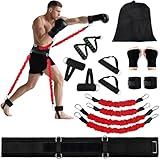
- Add Resistance Bands: For added resistance, use resistance bands around your ankles or wrists to build strength and endurance.
- Record Yourself: Use your phone to record your shadow boxing sessions. This can help you identify areas for improvement.
Common Mistakes to Avoid
- Rushing Punches: Prioritize form over speed. Rushing your punches can lead to bad habits and injuries.
- Ignoring Footwork: Footwork is critical in boxing. Don’t neglect it during shadow boxing.
- Lack of Focus: Shadow boxing requires concentration. Avoid distractions and stay focused on your technique.
- Not Varying Your Routine: Don’t always do the same combinations. Mix things up to keep your mind engaged and challenge your body.
Punching Bag Training: The Power of Impact
The punching bag is a cornerstone for any boxer. It’s where you develop power, improve your timing, and get used to the feeling of hitting something solid. It’s more than just a tool for throwing punches; it’s a training partner that can help you build strength, endurance, and coordination. (See Also: Does Shadow Boxing Really Work )
Benefits of Punching Bag Training
- Power Development: Hitting the bag allows you to generate power in your punches. The resistance helps you build strength and explosiveness.
- Timing and Rhythm: Working with the bag helps you develop your timing and rhythm. You learn to coordinate your punches with your footwork and breathing.
- Endurance: Punching the bag can be physically demanding. It helps improve your cardiovascular endurance and muscular endurance.
- Accuracy: The bag provides a target, helping you improve your accuracy. You learn to place your punches where they need to go.
- Hand-Eye Coordination: Punching the bag improves your hand-eye coordination. You learn to react quickly and accurately to the bag’s movements.
- Mental Toughness: Punching the bag can be a great stress reliever. It helps you build mental toughness and focus.
Types of Punching Bags
There are several types of punching bags, each with its own advantages:
- Heavy Bag: The most common type, used for power and endurance training. It’s usually filled with sand or water.
- Speed Bag: A smaller, teardrop-shaped bag used for developing hand speed, timing, and coordination.
- Double End Bag: A bag suspended from the ceiling and floor, used for improving hand speed, accuracy, and footwork.
- Angle Bag: Designed to simulate the angles of an opponent’s body, helping you practice specific punches and combinations.
- Uppercut Bag: Specifically designed for practicing uppercuts.
How to Train with a Punching Bag
To train effectively with a punching bag, consider these tips:
- Proper Technique: Maintain good form when punching. Keep your hands up, your chin down, and your core engaged.
- Vary Your Combinations: Don’t just throw the same punches over and over. Mix it up with different combinations to challenge your body and mind.
- Focus on Power and Speed: Alternate between power rounds, where you focus on generating maximum force, and speed rounds, where you focus on quick, precise punches.
- Use Your Footwork: Practice moving around the bag, using your footwork to create angles and set up your punches.
- Time Your Rounds: As with shadow boxing, train in rounds to build your stamina and simulate the demands of a fight.
- Use Protective Gear: Always wear hand wraps and boxing gloves to protect your hands and wrists.
- Listen to Your Body: Don’t overdo it. Take breaks when you need them and don’t push yourself through pain.
Common Mistakes to Avoid
- Poor Form: This can lead to injuries. Always prioritize proper technique.
- Hitting the Bag Too Hard: This can also lead to injuries. Focus on controlled power rather than brute force.
- Not Using Footwork: Footwork is essential for creating angles and setting up your punches.
- Lack of Variety: Don’t get stuck in a rut. Mix up your combinations and training methods.
- Neglecting Hand Wraps: Always protect your hands and wrists with hand wraps.
Shadow Boxing vs. Punching Bag: A Head-to-Head Comparison
Let’s break down the key differences between shadow boxing and punching bag training.
| Feature | Shadow Boxing | Punching Bag |
|---|---|---|
| Primary Focus | Technique, footwork, strategy | Power, timing, impact |
| Equipment | None (or optional resistance bands) | Punching bag, gloves, hand wraps |
| Impact | None | High |
| Muscle Engagement | Moderate | Higher |
| Injury Risk | Lower | Higher (if poor form is used) |
| Skill Development | Technique, footwork, fight IQ | Power, timing, accuracy, endurance |
| Mental Aspect | Focus, visualization, discipline | Stress relief, mental toughness |
| Best For | Warm-up, cool-down, refining technique, strategic practice | Power development, timing, endurance, accuracy |
Integrating Both Training Methods
The best approach is to integrate both shadow boxing and punching bag training into your routine. They complement each other, addressing different aspects of boxing. (See Also: Are Boxing Classes Worth It )
How to Combine Shadow Boxing and Punching Bag Training
- Warm-up: Begin with 5-10 minutes of shadow boxing to warm up your muscles and prepare your body for more intense training.
- Punching Bag Work: Follow with 3-5 rounds of punching bag work, focusing on power and combinations.
- Cool-down: Finish with 5-10 minutes of shadow boxing to cool down and refine your technique.
- Strategic Variety: Vary your training days. Alternate between days focused on technique (shadow boxing) and days focused on power and endurance (punching bag).
- Drill and Repeat: Incorporate specific drills that combine both methods. For example, shadow box a combination, then immediately execute it on the heavy bag.
- Focus on Specific Goals: Tailor your training based on your goals. If you are preparing for a fight, spend more time on strategic shadow boxing. If you need to build power, emphasize punching bag training.
Sample Weekly Training Schedule
Here’s a sample weekly schedule to illustrate how you can combine shadow boxing and punching bag training:
- Monday: Shadow Boxing (technique focus) + Strength and Conditioning
- Tuesday: Punching Bag (power and endurance) + Core Training
- Wednesday: Active Rest (light cardio, stretching)
- Thursday: Shadow Boxing (strategy and footwork) + Strength and Conditioning
- Friday: Punching Bag (speed and combinations) + Sparring (if applicable)
- Saturday: Long Run or Active Rest
- Sunday: Rest
This schedule can be adapted to your fitness level and goals. Adjust the duration and intensity of each workout as needed.
Advanced Techniques and Drills
Once you’ve mastered the basics, you can incorporate advanced techniques and drills to enhance your training.
Advanced Shadow Boxing Drills
- Combination Drills: Practice complex combinations, focusing on transitions and footwork.
- Defense Drills: Practice slipping, rolling, and blocking punches while shadow boxing.
- Counter-Punching Drills: Visualize your opponent’s attacks and practice counter-punching techniques.
- Speed and Agility Drills: Incorporate speed drills, such as quick footwork, to improve your agility.
- Pad Work Integration: Occasionally have a coach hold pads while you shadow box. This can bridge the gap between shadow boxing and real sparring.
Advanced Punching Bag Drills
- Power Drills: Focus on generating maximum power with each punch.
- Speed Drills: Practice throwing punches as fast as possible.
- Combination Drills: Combine punches and footwork to create effective combinations.
- Angle Drills: Practice moving around the bag and attacking from different angles.
- Endurance Drills: Increase the duration of your rounds and reduce rest times to build endurance.
Nutrition and Recovery: Fueling Your Training
Proper nutrition and recovery are crucial for maximizing your training results. You cannot expect to perform at your best if you’re not fueling your body correctly. (See Also: Does Boxing Classes Help With Weight Loss )
Nutrition Tips
- Balanced Diet: Eat a balanced diet that includes protein, carbohydrates, and healthy fats.
- Protein Intake: Consume enough protein to support muscle growth and repair.
- Hydration: Stay hydrated by drinking plenty of water throughout the day.
- Timing of Meals: Eat meals at regular intervals to maintain energy levels.
- Supplementation: Consider supplements such as creatine, protein powder, and BCAAs.
Recovery Tips
- Rest: Get enough sleep to allow your body to recover.
- Active Recovery: Incorporate active recovery activities, such as stretching and light cardio.
- Massage: Get regular massages to help loosen tight muscles.
- Ice Baths: Use ice baths to reduce inflammation and promote recovery.
- Listen to Your Body: Rest when you need to. Don’t push yourself through pain.
The Mental Side of Training
Boxing is as much a mental game as it is a physical one. Developing mental toughness, focus, and discipline is crucial for success.
Mental Training Tips
- Visualization: Visualize your fights and training sessions.
- Positive Self-Talk: Use positive self-talk to build confidence.
- Goal Setting: Set realistic goals to stay motivated.
- Focus Techniques: Practice focus techniques, such as meditation.
- Stress Management: Learn to manage stress to improve your performance.
Equipment and Gear
Having the right equipment and gear is essential for safe and effective training.
Essential Equipment
- Boxing Gloves: Choose gloves that fit properly and provide adequate protection.
- Hand Wraps: Always use hand wraps to protect your hands and wrists.
- Punching Bag: Select a punching bag that suits your needs and skill level.
- Headgear: Consider using headgear to protect your head and face.
- Mouthguard: Always wear a mouthguard to protect your teeth.
- Boxing Shoes: Boxing shoes provide support and grip.
Final Thoughts
So, which is better: shadow boxing or punching bag training? The answer is: both. They serve different but equally important purposes in your boxing journey. Shadow boxing hones your technique, footwork, and strategic thinking, while the punching bag builds power, timing, and endurance. By understanding the strengths of each and integrating them into your training, you’ll create a well-rounded approach that will take your boxing skills to the next level. Remember to prioritize proper form, listen to your body, and enjoy the process of becoming a better boxer. Consistent training, combined with smart strategies, will lead to significant improvements in your boxing performance.
Ultimately, the key to success lies in finding the right balance for your individual needs and goals. Experiment with different training schedules, drills, and techniques to discover what works best for you. Embrace the journey, stay disciplined, and always strive to improve. With dedication and the right approach, you can achieve your boxing aspirations and become the fighter you want to be.