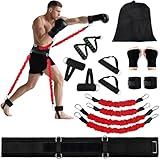
Shadow boxing is a fantastic way to hone your boxing skills, improve your fitness, and build confidence. It’s accessible, requiring minimal equipment, and can be done anywhere. But what happens when you introduce weights into the equation? The concept of shadow boxing with weights has become increasingly popular, with claims of enhanced strength, power, and endurance. However, is it truly a beneficial addition to your training regimen, or does it carry more risks than rewards?
We’ll delve deep into the pros and cons of using weights during shadow boxing, analyzing the potential benefits, the possible downsides, and the best practices to ensure you train safely and effectively. Whether you’re a seasoned boxer or just starting your fitness journey, understanding the nuances of this training method is crucial for optimizing your performance and preventing injuries. Get ready to explore the world of shadow boxing with weights, and discover if it’s the right fit for your training goals.
The Fundamentals of Shadow Boxing
Before we examine the role of weights, let’s revisit the core principles of shadow boxing. It’s essentially a solo practice session where you simulate a fight. You move around, throwing punches, weaving, slipping, and blocking, all while imagining an opponent. This allows you to focus on your technique, footwork, and overall boxing form without the pressure of a real sparring match.
Shadow boxing is a versatile tool. It’s perfect for warming up before a workout, refining your technique, practicing combinations, and building muscle memory. It can also be a great cardiovascular workout, elevating your heart rate and improving your endurance. The beauty of shadow boxing lies in its simplicity and adaptability; you can tailor it to your specific needs and goals.
Key Elements of Effective Shadow Boxing
- Footwork: Proper footwork is fundamental in boxing. Shadow boxing provides an excellent opportunity to practice your movement, including pivots, lateral steps, and the classic boxing shuffle.
- Punching Technique: Focus on maintaining correct form with each punch. This includes the stance, guard, and the execution of jabs, crosses, hooks, and uppercuts.
- Defense: Practice slipping, rolling, and blocking punches. Visualize your opponent’s attacks and react accordingly.
- Rhythm and Timing: Develop a smooth, rhythmic flow in your movements. Work on your timing to execute punches and defensive maneuvers effectively.
- Visualization: Imagine your opponent, and visualize the fight in your mind. This helps you react instinctively and apply your skills in a more realistic context.
Adding Weights: The Concept and Variations
The introduction of weights to shadow boxing aims to increase the intensity of the workout. This can be achieved through various methods, each with its own advantages and disadvantages. The most common methods involve using hand weights, weighted gloves, or resistance bands.
Hand Weights
Using hand weights is a popular choice. They typically range from one to five pounds, and are held in each hand while shadow boxing. The added weight increases the resistance, potentially building strength and power in the arms and shoulders.
Weighted Gloves
Weighted gloves are designed specifically for boxing training. They usually weigh anywhere from 8 to 16 ounces, and fit over your hands like regular boxing gloves. They add significant weight to your punches, potentially enhancing punching power and endurance.
Resistance Bands
Resistance bands can be incorporated into shadow boxing to add resistance to your movements. You can loop them around your wrists, ankles, or waist to increase the difficulty of your punches, footwork, and defensive maneuvers.
It’s important to choose the right type and weight of the equipment based on your experience level, fitness goals, and the specific exercises you’re performing. Start with lighter weights and gradually increase the resistance as your strength and endurance improve.
Potential Benefits of Shadow Boxing with Weights
Adding weights to shadow boxing can offer several potential advantages. However, it’s crucial to understand these benefits in the context of responsible training practices. The primary goal is to enhance your boxing performance and overall fitness, without compromising safety.
Increased Strength and Power
The added resistance from weights can help build strength in the muscles involved in punching, such as the shoulders, arms, and core. This can lead to increased punching power and more forceful blows. The heavier the weight, the greater the potential for strength gains, but also the greater the risk of injury if the technique is not correct. (See Also: Does Shadow Boxing Really Work )
Enhanced Muscular Endurance
Shadow boxing with weights can improve your muscular endurance, meaning your muscles can sustain the effort for a longer duration. This is particularly important for boxing, where you need to maintain a high level of performance throughout the rounds. By challenging your muscles with added resistance, you can increase their ability to withstand fatigue.
Improved Punching Speed (potentially)
While the initial effect of adding weight might slow down your punching speed, over time, the increased strength and power could lead to an improvement in your overall punching speed. However, this is highly dependent on proper technique and consistent training. It’s crucial to maintain speed and fluidity while using weights, which can be challenging.
Increased Calorie Burn
Shadow boxing with weights can significantly increase the number of calories you burn during a workout compared to regular shadow boxing. The added resistance elevates your heart rate and metabolic rate, contributing to greater calorie expenditure. This can be beneficial for weight loss and overall fitness.
Enhanced Muscle Definition
The increased resistance can contribute to muscle hypertrophy (growth), particularly in the arms, shoulders, and core. This can lead to enhanced muscle definition and a more toned physique. However, remember that proper nutrition and overall training are crucial for achieving muscle growth.
Potential Risks and Drawbacks
While shadow boxing with weights can offer benefits, it also carries potential risks. Understanding these drawbacks is crucial for making informed decisions about your training. Always prioritize safety and listen to your body.
Increased Risk of Injury
One of the most significant risks is the increased chance of injury. The added weight can put extra stress on your joints, tendons, and ligaments, especially if your form is not perfect. Common injuries include shoulder strains, elbow pain, wrist injuries, and rotator cuff problems. It’s imperative to prioritize proper technique and start with lighter weights.
Compromised Technique
Adding too much weight can lead to compromised technique. If you’re struggling to maintain proper form, your punches might become sloppy, and you might develop bad habits. This can not only reduce the effectiveness of your training but also increase your risk of injury. The focus should always be on maintaining correct form, even when using weights.
Reduced Speed and Fluidity
Initially, adding weights will likely slow down your punching speed and reduce the fluidity of your movements. This can be a disadvantage in boxing, where speed and agility are crucial. While the goal is to regain speed over time, this initial slowdown can impact your training sessions.
Overtraining and Fatigue
Shadow boxing with weights can be more demanding than regular shadow boxing. Overdoing it can lead to overtraining, which can cause fatigue, decreased performance, and increased risk of injury. It’s essential to listen to your body, incorporate rest days, and vary your training intensity to prevent overtraining.
Muscle Imbalances
If you’re not careful, shadow boxing with weights can contribute to muscle imbalances. For example, focusing too much on punching with weights might overdevelop your pushing muscles (chest, shoulders, triceps) while neglecting your pulling muscles (back, biceps). This can lead to poor posture, reduced performance, and an increased risk of injury. Incorporate exercises that work opposing muscle groups to maintain balance. (See Also: Are Boxing Classes Worth It )
Best Practices for Shadow Boxing with Weights
To maximize the benefits and minimize the risks, it’s essential to follow best practices when incorporating weights into your shadow boxing routine. This includes focusing on technique, choosing the right equipment, and progressively overloading your muscles.
Prioritize Proper Technique
Always prioritize proper technique over the amount of weight you’re using. Before adding weights, make sure your form is solid. Practice shadow boxing without weights, focusing on your stance, guard, footwork, and the execution of punches. If your technique starts to suffer when you add weight, reduce the weight or remove it altogether. Video recording yourself can be a great way to identify and fix any technical flaws.
Start Light and Progress Gradually
Begin with lighter weights and gradually increase the resistance as your strength and endurance improve. This allows your body to adapt to the added stress and reduces the risk of injury. Start with hand weights or weighted gloves that are comfortable for you. Over time, you can increase the weight incrementally, but always listen to your body and avoid pushing yourself too hard, too soon.
Warm-Up Thoroughly
Always warm up before shadow boxing with weights. This prepares your muscles and joints for the workout, reducing the risk of injury. Include dynamic stretches, such as arm circles, shoulder rotations, and light shadow boxing without weights. A good warm-up should elevate your heart rate and increase blood flow to your muscles.
Choose the Right Equipment
Select the right type and weight of equipment based on your experience level and goals. If you’re a beginner, start with lighter weights. Consider hand weights or weighted gloves. If you’re more experienced, you can experiment with heavier weights or resistance bands. Ensure that the equipment fits properly and is comfortable to use. Avoid using weights that are too heavy, as this can compromise your technique and increase the risk of injury.
Focus on Full Range of Motion
Maintain a full range of motion with each punch and movement. Don’t sacrifice your form for the sake of speed or power. Focus on controlled movements, and ensure that you’re engaging the correct muscles throughout the exercise. If you notice your range of motion is limited, reduce the weight or remove it altogether.
Incorporate Rest and Recovery
Allow your body adequate rest and recovery. Shadow boxing with weights can be demanding, so make sure to schedule rest days into your training program. Get enough sleep, eat a nutritious diet, and stay hydrated. This will help your muscles recover and rebuild, preventing overtraining and reducing your risk of injury.
Vary Your Training
Don’t do the same workout every time. Vary your training routine to prevent boredom and ensure that you’re working different muscle groups. Alternate between shadow boxing with weights, regular shadow boxing, and other forms of exercise, such as strength training, cardio, and flexibility training. This will help you stay motivated and avoid plateaus.
Listen to Your Body
Pay attention to your body and stop if you experience any pain. Don’t push through pain, as this can lead to serious injuries. If you feel any discomfort or pain during your workout, stop immediately and rest. If the pain persists, consult with a healthcare professional.
Consider Professional Guidance
If possible, work with a qualified boxing coach or trainer. They can provide personalized guidance, correct your technique, and help you design a safe and effective training program. A coach can also help you identify and address any potential issues before they become serious. (See Also: Does Boxing Classes Help With Weight Loss )
Comparing Shadow Boxing with and Without Weights
To help you decide if shadow boxing with weights is right for you, let’s compare it with regular shadow boxing.
| Feature | Shadow Boxing Without Weights | Shadow Boxing With Weights |
|---|---|---|
| Primary Focus | Technique, Speed, Agility | Strength, Power, Endurance |
| Intensity | Moderate | Higher |
| Risk of Injury | Lower | Higher |
| Muscle Development | Good for muscle endurance and definition | Good for muscle strength, power, and hypertrophy |
| Speed | Faster | Slower (initially) |
| Best For | Beginners, refining technique, warm-up | Intermediate and advanced boxers, building strength and power |
| Equipment | None | Hand weights, weighted gloves, resistance bands |
| Calorie Burn | Moderate | Higher |
This comparison should help you understand the key differences between the two methods. Ultimately, the best approach depends on your fitness level, goals, and experience. It’s also perfectly fine to combine both methods within your training program.
Alternative Training Methods
If you’re looking for ways to enhance your boxing training, but are unsure about shadow boxing with weights, here are some alternatives:
Heavy Bag Training
Hitting a heavy bag is a fantastic way to develop punching power, improve your technique, and build endurance. The resistance offered by the bag provides a great workout for your arms, shoulders, and core. You can practice various combinations and work on your footwork, all while getting a great cardio workout.
Speed Bag Training
The speed bag is designed to improve hand speed, coordination, and rhythm. It’s a great tool for developing your punching timing and reflexes. The constant movement of the bag requires you to focus on your hand-eye coordination and improve your overall boxing skills.
Partner Drills
Training with a partner can provide a more realistic and interactive training experience. You can practice sparring, mitt work, and various drills to improve your technique, defense, and reaction time. Partner training allows you to apply your skills in a more dynamic setting and receive immediate feedback.
Strength and Conditioning
Incorporating strength and conditioning exercises into your training program is essential for building a strong, powerful, and injury-resistant body. This includes exercises like squats, push-ups, pull-ups, and core work. Strength training helps improve your overall athletic performance and reduces the risk of injury. Cardio exercises, such as running, jumping rope, and interval training, will improve your cardiovascular fitness and stamina.
Plyometrics
Plyometric exercises, such as box jumps, jump squats, and medicine ball throws, can improve your explosive power and agility. These exercises involve quick, powerful movements that help you generate force rapidly. Plyometrics are a valuable addition to your training program, especially if you’re looking to improve your punching power and footwork.
These alternative training methods can complement your shadow boxing routine and help you achieve your fitness goals. The best approach is to combine a variety of exercises to create a well-rounded and effective training program.
Conclusion
Shadow boxing with weights can be a valuable addition to a boxer’s training regimen, offering potential benefits such as increased strength, power, and endurance. However, it’s crucial to approach this training method with caution and prioritize proper technique above all else. Always remember to start with lighter weights, gradually increase the resistance, and listen to your body.
If you’re a beginner, focus on mastering the fundamentals of shadow boxing without weights first. Once you’ve developed a solid foundation, you can cautiously incorporate weights into your training. Consider consulting with a qualified boxing coach to receive personalized guidance and ensure you’re training safely and effectively. By following these guidelines, you can harness the potential of shadow boxing with weights to enhance your boxing performance and achieve your fitness goals.