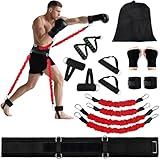
Ever wondered if adding weights to your shadow boxing routine can actually make you faster? It’s a common question, and one with a surprisingly complex answer. We all want to improve our speed, power, and overall boxing performance. The quest to find effective training methods is relentless, and the allure of a quick fix is strong. Weighted shadow boxing seems to offer that, but does it deliver?
This article will break down the science behind weighted shadow boxing, exploring its potential benefits, drawbacks, and the best ways to incorporate it into your training. We’ll examine the effects on your muscles, your technique, and your overall speed. You’ll learn whether this method is right for you, and how to maximize its effectiveness while minimizing the risk of injury. Let’s get started and see if we can get you moving faster!
The Science Behind Shadow Boxing
Before we jump into weighted shadow boxing, let’s understand the basics of shadow boxing itself. Shadow boxing is a fundamental training exercise in boxing and other combat sports. It involves practicing punches, footwork, and defensive movements against an imaginary opponent. This allows you to refine your technique, build stamina, and improve your coordination. It also serves as a great warm-up and cool-down exercise.
Shadow boxing helps boxers to:
- Refine Technique: Allows for focused practice on form without the pressure of a live opponent.
- Improve Stamina: Builds cardiovascular endurance and muscular endurance.
- Enhance Coordination: Develops the ability to move the body fluidly and efficiently.
- Develop Mental Toughness: Provides a platform to visualize fights and build confidence.
The core principle is repetition and muscle memory. The more you shadow box, the more ingrained your movements become, leading to a more efficient and powerful boxing style. The absence of an opponent allows the boxer to focus entirely on their own movements, allowing for greater control and refinement of technique.
How Weighted Shadow Boxing Works
Weighted shadow boxing involves adding resistance to your shadow boxing routine. This is typically done by using weighted gloves, wrist weights, or even ankle weights. The idea is to overload the muscles, forcing them to work harder. This increased effort, in theory, leads to greater strength and power, which in turn could translate into increased speed.
The mechanics are relatively straightforward. By increasing the weight, you increase the load on the muscles involved in punching and moving. This forces the muscles to contract more forcefully. Over time, this can lead to muscular hypertrophy (muscle growth) and increased strength. This increased strength could, in turn, contribute to faster punch speed. However, it’s not quite that simple, and there are several considerations.
There are several ways to incorporate weights: (See Also: Does Shadow Boxing Really Work )
- Weighted Gloves: These are the most common method. They add weight directly to your hands, increasing the resistance during punches. The added weight helps build muscle and power.
- Wrist Weights: Similar to weighted gloves, wrist weights add resistance to your wrists and forearms. This can be beneficial for strengthening the muscles involved in punching and blocking.
- Ankle Weights: Ankle weights are used to add resistance to your footwork and overall movement. This can help improve leg strength and agility.
The Potential Benefits of Weighted Shadow Boxing
There are several potential benefits to incorporating weighted shadow boxing into your training regime. Let’s delve into some of the most prominent ones:
- Increased Muscle Strength and Endurance: The added resistance forces your muscles to work harder, leading to muscle growth (hypertrophy) and improved muscular endurance. This can translate to more powerful punches and the ability to maintain your speed and power for longer periods during a fight.
- Improved Punching Power: By strengthening the muscles involved in punching, weighted shadow boxing can help you generate more force with each punch. This can be a significant advantage in the ring.
- Enhanced Stamina: The increased workload can also boost your overall stamina and cardiovascular fitness. This is because your body has to work harder to deliver the same movements, thus improving your conditioning.
- Better Technique (Potentially): By slowing down your movements, weighted shadow boxing can help you focus on your technique. This can be particularly useful for beginners who are still learning the correct form. However, this is also where the risk of developing bad habits comes in.
- Increased Bone Density: Weight-bearing exercises, like weighted shadow boxing, can help increase bone density. This is important for overall health and can help reduce the risk of injuries.
These benefits, however, are not guaranteed. The effectiveness of weighted shadow boxing depends on several factors, including the type and amount of weight used, the frequency and duration of the training, and your overall fitness level and technique. We will discuss these factors in more detail later.
The Potential Drawbacks and Risks
While weighted shadow boxing can offer some benefits, it’s essential to be aware of the potential drawbacks and risks. Overlooking these can lead to injuries and hinder your progress. Let’s look at some important considerations:
- Risk of Injury: This is the most significant concern. Adding too much weight too quickly can put excessive strain on your joints, muscles, and tendons. This can lead to injuries such as sprains, strains, and even more serious issues like rotator cuff tears or tendinitis.
- Altered Technique: Using too much weight can force you to compensate and change your technique. This can lead to bad habits that are difficult to break later on. It’s crucial to maintain proper form throughout the exercise. If your technique suffers, you’re not gaining anything.
- Decreased Speed (Initially): While the goal is to increase speed, initially, weighted shadow boxing can actually slow you down. The added weight makes your movements slower, and it can take time to regain your original speed and develop explosive power.
- Muscle Imbalances: If you don’t balance your training with other exercises, weighted shadow boxing can lead to muscle imbalances. This can increase your risk of injury and negatively impact your performance.
- Overtraining: Overdoing weighted shadow boxing, or any type of intense training, can lead to overtraining. This can result in fatigue, decreased performance, and increased risk of injury.
It’s crucial to prioritize proper form and gradually increase the weight to mitigate these risks. Listen to your body and don’t push yourself beyond your limits.
Optimal Weight Selection: Finding the Right Balance
Choosing the right weight is critical for reaping the benefits of weighted shadow boxing while minimizing the risks. The key is to find a weight that challenges you without compromising your technique. Here’s a guide to help you select the optimal weight:
- Start Light: Begin with a lighter weight than you think you need. It’s always better to start too light and gradually increase the weight than to start too heavy and risk injury.
- Focus on Form: Your technique is the most important thing. If your form starts to suffer, reduce the weight immediately.
- Listen to Your Body: Pay attention to how your body feels. If you experience any pain, stop the exercise and rest.
- Consider Your Experience Level: Beginners should start with very light weights or no weights at all. More experienced boxers can gradually increase the weight as they get stronger.
Here’s a general guideline for weight selection:
| Type of Weight | Beginner | Intermediate | Advanced |
|---|---|---|---|
| Weighted Gloves | 0.5 – 1 lb | 1 – 2 lbs | 2 – 3 lbs |
| Wrist Weights | 0.5 – 1 lb | 1 – 1.5 lbs | 1.5 – 2 lbs |
| Ankle Weights | 1 – 2 lbs | 2 – 3 lbs | 3 – 5 lbs |
These are just guidelines. The best weight for you will depend on your individual strength, fitness level, and technique. Always prioritize proper form and listen to your body. It’s essential to progress gradually, increasing the weight only when you can maintain good form throughout the exercise. Don’t rush the process, and you’ll be more likely to see positive results. (See Also: Are Boxing Classes Worth It )
Technique and Form: The Cornerstone of Effectiveness
Proper technique and form are paramount in weighted shadow boxing. Incorrect form can lead to injuries and limit the effectiveness of your training. Here’s how to ensure you’re performing the exercises correctly:
- Maintain Proper Posture: Stand with your feet shoulder-width apart, knees slightly bent, and your core engaged. Keep your back straight and your head up.
- Focus on Technique: Execute each punch with precision and control. Make sure your punches are straight and that you’re rotating your hips and shoulders correctly.
- Keep Your Hands Up: Always keep your hands up to protect your face.
- Move Fluidly: Practice your footwork and defensive movements with the same level of precision and control as your punches.
- Use a Mirror: Regularly check your form in a mirror to ensure you’re performing the exercises correctly.
If you’re unsure about your technique, consider working with a boxing coach. A coach can provide personalized feedback and help you refine your form.
Integrating Weighted Shadow Boxing Into Your Training Routine
Incorporating weighted shadow boxing into your training routine requires careful planning. It’s not something you should do every day. Here’s how to integrate it effectively:
- Warm-up: Always warm up before weighted shadow boxing. This should include light cardio, such as jumping jacks or running in place, and dynamic stretching.
- Frequency: Limit weighted shadow boxing to 2-3 times per week. This will give your muscles time to recover.
- Duration: Keep your weighted shadow boxing sessions relatively short, 15-20 minutes.
- Alternate with Regular Shadow Boxing: Balance your weighted shadow boxing sessions with regular shadow boxing sessions. This will help you maintain your speed and refine your technique.
- Cool-down: Always cool down after weighted shadow boxing. This should include static stretching to improve flexibility.
Here’s a sample training schedule:
| Day | Workout |
|---|---|
| Monday | Rest or Light Cardio |
| Tuesday | Weighted Shadow Boxing (15-20 minutes) |
| Wednesday | Strength Training |
| Thursday | Regular Shadow Boxing |
| Friday | Rest or Light Cardio |
| Saturday | Sparring (if applicable) or Heavy Bag Work |
| Sunday | Rest |
Remember to adjust this schedule to fit your individual needs and goals. Listen to your body and don’t overtrain. If you’re new to weighted shadow boxing, start slowly and gradually increase the intensity. It’s also important to vary your training. Try different types of shadow boxing exercises, such as speed drills, power drills, and combination drills. This will help you keep your workouts interesting and prevent plateaus.
The Role of Speed Training
While weighted shadow boxing can contribute to improved power and strength, it’s not a direct route to increased speed. Speed training involves specific exercises designed to improve your fast-twitch muscle fibers and reaction time. Consider adding these to your training:
- Speed Drills: These drills focus on quick movements and explosive power. Examples include speed bag work, reaction ball training, and plyometric exercises.
- Plyometrics: Exercises like box jumps and jump squats can improve your explosive power.
- Agility Drills: Drills involving cones or ladders can enhance your footwork and agility.
- Reaction Training: Exercises that challenge your reaction time, such as working with a reaction ball or focusing on light sparring.
Combining weighted shadow boxing with speed training can be a powerful approach to improving your overall boxing performance. This holistic approach ensures you’re building both strength and speed. (See Also: Does Boxing Classes Help With Weight Loss )
Nutrition and Recovery: Supporting Your Training
Proper nutrition and recovery are essential for maximizing the benefits of weighted shadow boxing and minimizing the risk of injury. Here’s what you need to consider:
- Nutrition: Eat a balanced diet that provides you with enough calories, protein, carbohydrates, and healthy fats. Protein is crucial for muscle repair and growth. Carbohydrates provide energy for your workouts.
- Hydration: Drink plenty of water throughout the day, especially before, during, and after your workouts.
- Sleep: Get enough sleep (7-9 hours per night) to allow your muscles to recover and rebuild.
- Rest Days: Schedule rest days to give your body time to recover. Active recovery, such as light cardio or stretching, can also be beneficial.
- Supplements (Optional): Certain supplements, such as creatine and protein powder, may support muscle growth and recovery. However, consult with a healthcare professional before taking any supplements.
Proper nutrition and recovery will help you maximize your progress and reduce your risk of injury. Remember, consistency is key. Stick to a well-rounded training program, and you’ll be well on your way to becoming a better boxer.
Comparing Weighted Shadow Boxing to Other Training Methods
Weighted shadow boxing is just one of many training methods available to boxers. Let’s compare it to some other popular options:
| Training Method | Benefits | Drawbacks | Best For |
|---|---|---|---|
| Weighted Shadow Boxing | Increased Strength, Power, Endurance | Risk of Injury, Potential for Technique Issues, Initial Slowdown | Building muscle and power; improving punching power |
| Regular Shadow Boxing | Technique Refinement, Stamina, Coordination | Doesn’t directly build strength | Refining technique, improving coordination, and building endurance. |
| Heavy Bag Training | Power Development, Technique Practice, Conditioning | Risk of injury, Can be repetitive | Developing punching power, practicing combinations, and improving conditioning. |
| Speed Bag Training | Hand-Eye Coordination, Speed, Rhythm | Doesn’t build significant strength | Improving hand-eye coordination, speed, and rhythm. |
| Strength and Conditioning | Overall Strength, Power, Endurance | Requires specific knowledge and programming | Building overall strength and conditioning. |
The best training method depends on your individual goals and needs. Combining different methods often yields the best results. A well-rounded training program includes a mix of these techniques to address all aspects of your boxing performance.
Common Mistakes to Avoid
To maximize the effectiveness of your training and minimize the risk of injury, it’s important to avoid common mistakes. These include:
- Using Too Much Weight: This is the most common mistake. It can lead to injuries and hinder your technique.
- Ignoring Proper Form: Always prioritize proper form over weight.
- Training Too Frequently: Overtraining can lead to fatigue, decreased performance, and increased risk of injury.
- Neglecting Other Aspects of Training: Don’t focus solely on weighted shadow boxing. Incorporate other training methods, such as speed training and strength and conditioning.
- Not Warming Up Properly: Always warm up before weighted shadow boxing.
- Not Cooling Down Properly: Always cool down after weighted shadow boxing.
- Ignoring Your Body’s Signals: Listen to your body and rest when needed.
By avoiding these mistakes, you can significantly improve your chances of success and stay injury-free.
The Verdict: Does Weighted Shadow Boxing Increase Speed?
The answer is nuanced. Weighted shadow boxing, when used correctly, can contribute to increased punching power and strength, which can indirectly help you to punch faster. However, it’s not a direct speed training method and can even slow you down initially. It is most effective when used in conjunction with other speed-focused exercises.
Verdict
So, does weighted shadow boxing increase speed? The answer is it can, but it’s not a magic bullet. It’s a valuable tool for building strength and power, which can indirectly contribute to faster punches. However, it’s crucial to use it correctly, starting with light weights and prioritizing proper form. Don’t rely solely on weighted shadow boxing for speed development. Supplement it with speed drills, plyometrics, and agility training.
Ultimately, the best approach is a balanced one. Combine weighted shadow boxing with other training methods, focusing on technique, speed, and overall conditioning. Listen to your body, gradually increase the intensity, and prioritize recovery. With dedication and a smart training plan, you can harness the benefits of weighted shadow boxing and improve your overall boxing performance, including your speed.