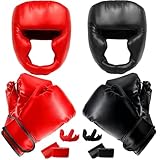
Ever wondered if you could type while wearing boxing gloves? Sounds ridiculous, right? Well, maybe not. While it’s not a common skill, the question itself sparks curiosity. I’ve been asked this several times, and after some experimentation, I’m here to tell you it’s possible – with a little practice, and a whole lot of patience.
This isn’t about productivity; it’s about the challenge, the absurdity, and the sheer fun of it. Perhaps you’re looking for a unique party trick, or maybe you’re just curious. Whatever the reason, this guide will walk you through the process, from choosing the right gloves to mastering the basic techniques. Prepare for a typing experience unlike any other!
We’ll cover everything from glove selection to keyboard modifications, and even some unexpected benefits. Get ready to embrace the challenge and learn how to type with boxing gloves – because, why not?
Choosing the Right Boxing Gloves
The first step in our journey to becoming boxing glove typists is selecting the right equipment. Not all gloves are created equal, and the wrong choice can make the task nearly impossible. We want gloves that offer a balance of protection, dexterity (as much as is possible with boxing gloves!), and comfort.
Glove Size and Weight
Size matters. You’ll want gloves that fit your hands reasonably well. Too big, and you’ll have trouble reaching the keys; too small, and they’ll be uncomfortable and restrict movement. Consider the weight of the gloves, too. Heavier gloves will make it more difficult to type quickly, and will cause more fatigue. Lighter gloves are generally easier to manage for typing, but won’t offer as much impact protection.
- Beginner: Start with 12oz or 14oz gloves. This provides a good balance of protection and maneuverability.
- Experienced: If you’re used to heavier gloves, or have larger hands, you might prefer 16oz or even 18oz gloves.
- For Typing Only: Consider children’s boxing gloves if you have smaller hands, or want to make it easier to reach the keyboard.
Always check the manufacturer’s size chart before purchasing, and consider trying on gloves at a local sporting goods store if possible.
Glove Material and Construction
The material of your gloves will impact their flexibility and durability. Generally, you’ll encounter two main types:
- Leather Gloves: Offer the best durability and feel, but are often more expensive and require more break-in time. Genuine leather gloves provide a premium feel and can last for years with proper care.
- Synthetic Leather Gloves: Typically made from materials like polyurethane (PU) or polyvinyl chloride (PVC), these are often more affordable and require less break-in. However, they may not last as long as leather gloves.
The construction of the glove affects its padding and overall feel. Look for gloves with well-distributed padding, especially around the knuckles and fingers. This will provide better protection and make it easier to form a typing shape.
Other Considerations
Beyond size, weight, and material, there are a few other factors to keep in mind:
- Wrist Support: Good wrist support is crucial, especially if you’re planning on typing for extended periods. Look for gloves with secure wrist closures, like Velcro straps or lace-up designs.
- Ventilation: Consider gloves with ventilation features, such as mesh panels, to help keep your hands cool and dry, which can improve comfort during typing sessions.
- Fit: Ensure the gloves fit snugly without being overly tight. You should be able to comfortably make a fist and move your fingers inside the gloves.
Pro Tip: Consider getting a pair of glove liners to absorb sweat and improve comfort. This will also help protect the gloves from excessive wear and tear. (See Also: How To Clean Inside Of Boxing Gloves )
Keyboard Selection and Preparation
Now that you’ve chosen your boxing gloves, let’s turn our attention to the keyboard. The right keyboard can make a significant difference in your typing experience. Here’s what you need to consider.
Keyboard Types
Not all keyboards are created equal when it comes to typing with boxing gloves. Consider these types:
- Mechanical Keyboards: Offer a tactile and responsive feel, which can be helpful when typing with gloves. The key travel and feedback can aid in accuracy.
- Membrane Keyboards: These are generally more affordable, but may not provide the same level of feedback. The keys can be mushy, making it harder to feel when you’ve pressed a key.
- Ergonomic Keyboards: Designed to promote a more natural hand position, these can be beneficial if you plan on typing for long periods. The split design may take some getting used to, but can reduce strain.
- Compact Keyboards: Keyboards without the number pad (TKL or 60% keyboards) can provide more space for your arms and gloves.
Key Spacing and Size
Larger key spacing is your friend. The wider the spacing between the keys, the less likely you are to accidentally hit multiple keys at once while wearing boxing gloves. Full-sized keyboards or those with slightly larger keycaps can be advantageous.
Keyboard Modifications
You can also consider modifying your keyboard to make typing with gloves easier. Here are a few ideas:
- Keycap Replacement: Consider using keycaps with a larger surface area or a different shape. This can make it easier to target the keys.
- Key Stabilizers: Upgrading your key stabilizers can improve the stability of the keys, which can be helpful if you’re hitting them with more force.
- Keyboard Riser: A keyboard riser can help angle the keyboard, which can improve ergonomics and make it easier to see the keys.
Keyboard Placement
Proper keyboard placement is essential for comfortable typing, even without boxing gloves. When typing with gloves, it’s even more critical. Make sure your keyboard is at a comfortable height and distance from your body. Your arms should be at a 90-degree angle, and your wrists should be straight. Experiment with different positions to find what works best for you.
Typing Techniques with Boxing Gloves
Now for the main event: the typing techniques. This is where the real challenge begins. Here’s a breakdown of the basics.
Hand and Wrist Positioning
Proper hand and wrist positioning is crucial. You’ll need to develop a typing stance that minimizes strain and maximizes accuracy. Here’s how to do it:
- Keep your wrists as straight as possible. Avoid bending your wrists up or down.
- Center your body in front of the keyboard.
- Angle your arms slightly inward towards the keyboard.
- Experiment with different angles until you find a comfortable position.
- Ensure your elbows are close to your sides.
Finger Placement and Key Targeting
With boxing gloves on, precise finger placement is difficult, so you’ll need to adapt. Here’s how:
- Home Row Focus: Start by focusing on the home row keys (ASDF JKL;). This is where your fingers will naturally rest.
- Wide Stance: Spread your fingers wide to cover as many keys as possible.
- Use the Knuckles: Since your fingers are encased, use the knuckles to press keys.
- Target and Strike: Aim for the center of each key with the knuckles of your fingers.
- Avoid Glancing: It’s tempting to look at your hands, but try to keep your eyes on the screen.
Typing Styles and Methods
There are several ways to approach typing with boxing gloves: (See Also: Do You Need To Wear Wraps With Boxing Gloves )
- The Pecking Method: This is the most basic approach. Simply use your knuckles to peck at the keys.
- The Sweeping Method: Sweep your knuckles across the keys to hit multiple keys at once.
- The Punching Method: Use a more deliberate punching motion to target individual keys.
- The Hybrid Method: Combine elements of all of the above methods.
Common Challenges and Solutions
Typing with boxing gloves comes with its share of challenges. Here are some common issues and how to deal with them:
- Accuracy Issues: Expect to make lots of mistakes at first. Practice makes perfect.
- Slow Typing Speed: Your typing speed will be significantly slower. Don’t worry about speed initially; focus on accuracy.
- Fatigue: Typing with gloves can be tiring. Take breaks to rest your hands and wrists.
- Key Mis-Hits: It’s easy to hit the wrong keys. Pay attention to what you’re typing and correct your mistakes.
Pro Tip: Use a typing tutor program to practice. This will help you improve your accuracy and speed. Practice regularly in short bursts, rather than long sessions, to avoid fatigue.
Practice Drills and Exercises
Consistent practice is key to improving your boxing glove typing skills. Here are some drills to get you started:
- Home Row Practice: Focus on typing words using only the home row keys (ASDF JKL;).
- One-Handed Typing: Practice typing with one hand at a time. This will help you improve your finger dexterity.
- Random Word Practice: Use a random word generator to practice typing unfamiliar words.
- Sentence Practice: Gradually increase the complexity of your practice by typing sentences and paragraphs.
- Typing Tests: Take regular typing tests to track your progress and identify areas for improvement.
Advanced Techniques and Tips
Once you’ve mastered the basics, you can move on to more advanced techniques. These will help you improve your speed, accuracy, and overall typing experience.
Developing Muscle Memory
Muscle memory is your best friend. The more you practice, the more your hands will learn the positions of the keys. Here’s how to build it:
- Consistent Practice: Practice regularly, even if it’s just for a few minutes each day.
- Focus on Accuracy: Accuracy is more important than speed, especially at first.
- Repetition: Repeat words and phrases to reinforce muscle memory.
- Visualization: Visualize the keys as you type.
Improving Speed and Efficiency
To improve your typing speed and efficiency, try these techniques:
- Reduce Errors: The fewer errors you make, the faster you’ll be.
- Use Proper Technique: Maintaining proper hand and wrist positioning, and using the right finger placement can help.
- Typing Drills: Practice typing drills to improve your speed and accuracy.
- Keyboard Shortcuts: Learn and use keyboard shortcuts to reduce the need to use the mouse.
Ergonomics and Comfort
Typing with boxing gloves can put a strain on your hands and wrists. Here’s how to stay comfortable:
- Take Breaks: Take frequent breaks to rest your hands and wrists.
- Stretch: Stretch your hands and wrists regularly.
- Proper Posture: Maintain good posture while typing.
- Adjust Your Setup: Make sure your keyboard and chair are at the right height.
- Listen to Your Body: If you feel any pain, stop typing immediately.
Troubleshooting Common Issues
Even with practice, you might encounter some issues. Here’s how to solve them:
- Stuck Keys: If a key gets stuck, try lifting the glove slightly to release it.
- Double Typing: If you’re accidentally typing the same letter twice, adjust your typing style and focus on precision.
- Fatigue: If you get tired, take a break.
- Frustration: It’s okay to feel frustrated. Keep practicing, and you’ll get better.
Beyond Typing: Other Applications
While typing is the primary focus, the skills you develop can translate to other surprising applications. (See Also: Are Tuff Boxing Gloves Good )
Gaming
Believe it or not, some gamers have found ways to use boxing gloves for gaming, particularly in games that involve punching or fighting. This provides a unique and immersive experience.
Novelty and Entertainment
Typing with boxing gloves is a great party trick or a fun way to entertain friends. It’s a guaranteed conversation starter.
Therapeutic Benefits
Some people find that typing with boxing gloves can be a good stress reliever. The physical activity and focus required can be a great way to unwind.
Maintaining and Caring for Your Gloves
Proper care will extend the life of your gloves and ensure they remain comfortable and hygienic.
Cleaning and Sanitization
After each typing session, clean your gloves to remove sweat and dirt:
- Wipe down the exterior: Use a damp cloth to wipe down the exterior of your gloves.
- Air dry: Allow your gloves to air dry completely after each use. Avoid direct sunlight.
- Sanitize: Use a glove deodorizer or disinfectant spray to eliminate bacteria and odors.
Storage
When not in use, store your gloves properly:
- Keep them in a cool, dry place.
- Avoid storing them in direct sunlight or extreme temperatures.
- Use a glove bag or breathable container.
Glove Lifespan
The lifespan of your gloves will depend on the material, the frequency of use, and how well you care for them. Leather gloves typically last longer than synthetic gloves. Replace your gloves when they show signs of wear and tear, such as:
- Cracks or tears in the material.
- Loss of padding.
- Unpleasant odors that persist.
Verdict
Typing with boxing gloves is not about replacing traditional typing; it’s about embracing a unique challenge. It’s a fun experiment that tests your adaptability and coordination. While it may seem impractical, mastering this skill can be surprisingly rewarding. The process requires patience and persistence, but the satisfaction of typing even a few words with boxing gloves on is undeniable.
So, grab a pair of gloves, find a keyboard, and prepare to embark on this unusual typing adventure. Don’t expect to write novels, but you might just surprise yourself with what you can accomplish. Enjoy the journey, embrace the absurdity, and have fun!