So, you’re ready to take your boxing skills to the next level? You’ve probably heard that the heavy bag is your best friend, and you’re right! But simply pounding away at the bag randomly won’t cut it. You need a structured approach to make the most of your training. That’s where ‘sparring’ with the boxing bag comes in. It’s not about just throwing punches; it’s about practicing technique, developing footwork, and building endurance. It’s about creating a realistic simulation of a fight, where you can refine your skills without the pressure of a live opponent.
This guide will show you exactly how to spar with a boxing bag effectively. We’ll cover everything from stance and footwork to combinations and defensive techniques. I’ll share insights on how to structure your training sessions, choose the right bag, and avoid common mistakes. Get ready to transform your heavy bag workouts from a simple exercise into a dynamic and rewarding training experience. Let’s get started!
Choosing the Right Boxing Bag
Before you even think about throwing a punch, you need the right equipment. The type of boxing bag you choose will significantly impact your training. Here’s a breakdown:
Heavy Bag Types
- Standard Heavy Bag: This is the most common type, typically cylindrical and filled with materials like shredded fabric or sand. They range in weight from 70 to 100+ pounds. These are excellent for developing power, speed, and overall technique.
- Angle Bag/Teardrop Bag: These bags are shaped like a teardrop or an angle. They are great for practicing uppercuts, hooks, and body shots, as the shape caters to these specific punches.
- Banana Bag: A long, slender bag, ideal for practicing long combinations and developing hand speed. They are also good for practicing defensive movements like slipping and weaving.
- Double End Bag: This bag is suspended by elastic cords and moves unpredictably. It helps improve hand-eye coordination, timing, and defensive reflexes.
- Upercut Bag: Specifically designed for uppercuts. It allows you to practice this punch at various angles.
Weight and Size Considerations
The weight of the bag is crucial. A heavier bag is better for developing power, but it also requires more skill and technique to avoid injury. A bag that is too light might swing excessively and disrupt your rhythm. Here’s a general guideline:
- Beginners: Start with a bag that’s roughly half your body weight. For example, if you weigh 150 lbs, a 75-lb bag is a good starting point.
- Intermediate: As you progress, you can increase the weight to about your body weight.
- Advanced: Professional boxers often use bags exceeding their body weight.
Bag Material and Durability
Consider the material of the bag. Leather bags are the most durable and offer the best feel, but they are also the most expensive. Synthetic materials are more affordable and still provide good performance. Make sure the bag is well-stitched and can withstand the force of your punches.
Setting Up Your Training Space
Your training environment is just as important as your equipment. A well-organized space will help you focus and train effectively.
Space Requirements
You need enough space to move freely around the bag. Aim for at least 6-8 feet of clear space around the bag to allow for footwork and defensive movements. Ensure there are no obstacles like furniture or walls that could interfere with your training or cause injury.
Hanging the Bag
Properly hanging the bag is crucial for safety and performance. Use a sturdy bag stand or a ceiling mount that can handle the bag’s weight. The bag should hang at a height that allows you to comfortably hit it with punches and kicks (if applicable) without straining your shoulders or back. Usually, the top of the bag should be at the level of your forehead or slightly higher.
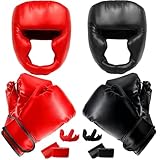
Protective Gear
Always wear appropriate protective gear to prevent injuries. This includes:
- Boxing Gloves: Protect your hands and wrists. Choose gloves that fit properly and provide adequate padding. Consider using hand wraps under your gloves for added protection.
- Hand Wraps: Essential for supporting your wrists and knuckles. Wrap your hands correctly to prevent injuries.
- Mouthguard: Protect your teeth and jaw.
- Groin Protector: Protect your groin area, especially if you’re practicing body shots.
- Headgear (Optional): If you’re new to boxing or sparring, consider using headgear for extra protection.
Mastering the Fundamentals: Stance, Footwork, and Guard
Before you start throwing punches, you need to establish a solid foundation. This includes your stance, footwork, and guard.
The Boxing Stance
Your stance is the foundation of all your movements. It provides balance, power, and protection. Here’s how to adopt the correct stance:
- Feet: Stand with your feet shoulder-width apart, with one foot slightly in front of the other (typically your non-dominant foot).
- Angle: Your body should be at a slight angle to the bag, with your lead foot (the foot in front) pointing towards the bag.
- Knees: Slightly bend your knees to lower your center of gravity and improve balance.
- Weight Distribution: Distribute your weight evenly, but slightly favoring the front foot.
- Heels: Keep your heels slightly off the ground, allowing for quick movement.
Footwork Drills
Effective footwork allows you to move in and out of range, set up punches, and control the distance. Here are some essential footwork drills: (See Also: How To Choose The Right Size Boxing Gloves )
- The Shuffle: Slide your feet along the ground without crossing them. Practice moving forward, backward, and sideways. Keep your feet shoulder-width apart.
- The Step-Drag: Step forward or backward with your lead foot, and then drag your rear foot to close the gap. This is the most common footwork.
- Pivoting: Rotate on the ball of your foot to change your angle. Pivot to the left or right to avoid your opponent’s attacks.
- Cutting off the Ring: Practice moving in a circular motion to cut off the opponent’s escape route.
The Boxing Guard
Your guard protects your face and body from punches. Here’s how to maintain a proper guard:
- Hands: Keep your hands up, with your fists protecting your chin and your elbows close to your body.
- Lead Hand: The lead hand (the hand in front) should be positioned to deflect punches coming from the front or the side.
- Rear Hand: The rear hand should be positioned to protect your chin and temple.
- Chin: Tuck your chin down towards your chest to protect it from uppercuts.
- Eyes: Keep your eyes focused on the bag.
Punching Techniques and Combinations
Now, let’s get into the punches. Mastering the basic punches is essential for effective sparring with the boxing bag.
The Basic Punches
- Jab: The jab is a straight punch thrown with your lead hand. It’s a quick, snapping punch used for measuring distance, setting up other punches, and scoring points.
- Cross: The cross is a straight punch thrown with your rear hand. It’s a powerful punch that generates force by rotating your hips and shoulders.
- Hook: The hook is a punch thrown with a bent arm, targeting the side of the head or body. Generate power by rotating your hips and shoulders and planting your foot.
- Uppercut: The uppercut is a punch thrown from below, targeting the chin or body. It’s a powerful punch that can be used to knock out an opponent.
Punching Form
Proper form is crucial for generating power and preventing injuries. Here’s how to execute each punch correctly:
- Jab: Extend your lead arm, keeping your elbow slightly bent. Rotate your fist so your knuckles face the target.
- Cross: Rotate your hips and shoulders as you throw the punch. Pivot your rear foot and extend your arm, keeping your elbow slightly bent.
- Hook: Bend your arm at a 90-degree angle and rotate your hips and shoulders. Pivot your foot and bring your fist towards the target.
- Uppercut: Bend your knees and drop your weight slightly. Bring your fist upwards, rotating your hips and shoulders.
Punching Combinations
Combining punches creates a more effective attack. Here are some common combinations:
- Jab-Cross: A classic combination that combines speed and power.
- Jab-Jab-Cross: Adds another jab for a feint.
- Jab-Cross-Hook: A versatile combination that can be used to target the head and body.
- Hook-Cross: Quick and powerful combination.
- Cross-Hook-Uppercut: Advanced combination for more power.
Defensive Techniques
Defense is just as important as offense. Learning how to defend against punches will help you avoid getting hit and counterattack effectively.
Slipping
Slipping involves moving your head to the side to avoid a punch. Here’s how to slip:
- Jab: Bend your knees and move your head slightly to the left or right, depending on the direction of the punch.
- Cross: Bend your knees and move your head slightly to the opposite side of the punch.
Rolling
Rolling involves ducking under a punch. Here’s how to roll:
- Technique: Bend your knees and tuck your chin to your chest, allowing the punch to pass over your head.
Blocking
Blocking involves using your gloves and forearms to protect yourself from punches. Here’s how to block:
- High Block: Raise your gloves to protect your head.
- Low Block: Use your forearms to protect your body.
Parrying
Parrying involves deflecting a punch with your glove. Here’s how to parry:
- Technique: Use your lead hand to deflect your opponent’s punches.
Creating a Sparring Workout Routine
Now that you know the fundamentals, let’s create a structured workout routine to practice sparring with the boxing bag.
Warm-Up
Always start with a warm-up to prepare your body for exercise. This will help you prevent injuries. Example: (See Also: Are Boxing Or Kickboxing Gloves The Dame )
- Jumping Jacks: 2 minutes
- Shadow Boxing: 3 minutes
- Light Cardio: 5 minutes (running in place, high knees, butt kicks)
- Dynamic Stretching: 5 minutes (arm circles, leg swings, torso twists)
Workout Structure
Structure your workout to include rounds of sparring with the bag, interspersed with rest periods. Here’s a suggested structure:
- Rounds: 3-5 rounds of 2-3 minutes each.
- Rest: 1 minute rest between rounds.
- Focus: Focus on different aspects of your game during each round. (e.g., Round 1: Jab-Cross, Round 2: Footwork, Round 3: Defense)
Workout Drills
Incorporate various drills to challenge yourself and improve your skills. Here are some examples:
- Combination Drills: Choose a combination and repeat it for the entire round. Focus on speed, power, and accuracy.
- Footwork Drills: Practice moving around the bag, using different footwork techniques. Focus on controlling the distance and angles.
- Defense Drills: Practice slipping, rolling, and blocking punches while the bag is swinging.
- Counter Punching: Practice counter-punching after the bag hits.
- Freestyle Sparring: Throw combinations, focus on footwork and defense, and try to simulate a real fight.
Cool-Down
Finish your workout with a cool-down to help your body recover. This helps prevent soreness and promotes flexibility. Example:
- Static Stretching: Hold each stretch for 30 seconds (stretching all major muscle groups).
- Light Cardio: 5 minutes (walking, slow jogging)
Common Mistakes to Avoid
Here are some common mistakes to avoid when sparring with the boxing bag:
- Looking Down: Always keep your eyes focused on the bag. Looking down will make you more vulnerable to punches.
- Dropping Your Hands: Keep your hands up to protect your face.
- Over-Swinging: Avoid throwing wild, looping punches. Keep your punches compact and controlled.
- Not Moving: Footwork is key. Constantly move around the bag to improve your agility.
- Ignoring Defense: Always prioritize defense. Practice slipping, rolling, and blocking punches.
- Not Using Your Footwork: Many people focus on punching without proper footwork.
- Rushing: Take your time and focus on technique.
Advanced Techniques and Drills
Once you’ve mastered the basics, you can progress to more advanced techniques and drills.
Advanced Footwork
- The In-Out Step: Step in with your lead foot and throw a punch, then immediately step back out of range.
- The Angle Step: Step to the side to create an angle, allowing you to land punches more effectively.
- The Circle Step: Continuously move around the bag in a circular motion, changing directions and angles.
Advanced Combinations
- Feinting: Use feints (fake punches) to set up your attacks.
- Body-Head Combinations: Alternate between punches to the head and body to keep your opponent guessing.
- Counter Punching: Practice counter-punching in response to the bag’s movements.
- Southpaw vs. Orthodox Drills: If you fight against southpaws, practice your combinations and footwork against the bag as if it were a southpaw.
Shadow Boxing
Shadow boxing is a great way to improve your technique and visualize your sparring strategy. Practice your combinations, footwork, and defense without hitting the bag. This also helps improve your cardio.
Partner Drills (if Available)
If you have a partner, you can practice more advanced drills, such as:
- Mitt Work: Practice punching combinations on focus mitts.
- Pad Work: Practice punching and blocking combinations with your partner holding pads.
- Light Sparring: Practice light sparring with a partner.
Nutrition and Recovery
Proper nutrition and recovery are crucial for optimal performance and injury prevention.
Nutrition
- Fuel Your Body: Eat a balanced diet with plenty of fruits, vegetables, lean protein, and complex carbohydrates.
- Hydrate: Drink plenty of water throughout the day, especially before, during, and after your workouts.
- Supplementation (Optional): Consider taking supplements such as creatine, protein powder, or BCAA’s to support muscle growth and recovery. Consult with a doctor or nutritionist before taking any supplements.
Recovery
- Rest: Get enough sleep (7-9 hours per night) to allow your body to recover.
- Active Recovery: Engage in light activities such as walking or swimming to promote blood flow and reduce muscle soreness.
- Stretching: Stretch regularly to improve flexibility and prevent injuries.
- Foam Rolling: Use a foam roller to release muscle tension and improve recovery.
Adapting to Different Bag Types
Each bag type offers unique training benefits. It’s beneficial to incorporate various bags into your routine to develop a well-rounded skillset.
Standard Heavy Bag
- Focus: Power, endurance, and basic combinations.
- Drills: Power punches, combination drills, and defensive movements.
Angle Bag/teardrop Bag
- Focus: Uppercuts, hooks, and body shots.
- Drills: Uppercut combinations, hook combinations, and body shot drills.
Banana Bag
- Focus: Hand speed, long combinations, and defensive footwork.
- Drills: Speed drills, long combination drills, and defensive footwork drills.
Double End Bag
- Focus: Hand-eye coordination, timing, and defensive reflexes.
- Drills: Timing drills, counter-punching drills, and defensive drills.
Troubleshooting and Refining Your Technique
Even with the best training plan, you may encounter challenges. Here’s how to address common issues:
Poor Punching Power
If your punches lack power, review your technique. Make sure you’re: (See Also: How Do You Fit Boxing Gloves )
- Properly rotating your hips and shoulders.
- Pivoting your feet.
- Using your entire body to generate force.
- Practicing power punches on a heavier bag.
Lack of Stamina
If you get tired quickly, focus on improving your cardio. This includes:
- High-intensity interval training (HIIT).
- Running.
- Shadow boxing.
- Increasing the duration of your bag workouts.
Inconsistent Footwork
If your footwork is sloppy, practice footwork drills regularly. Focus on:
- Maintaining balance.
- Moving efficiently.
- Controlling the distance.
Lack of Defense
If you’re getting hit too often, prioritize your defensive skills. This includes:
- Practicing slipping, rolling, and blocking punches.
- Keeping your hands up.
- Improving your head movement.
The Mental Aspect of Training
Boxing is as much a mental game as it is physical. Develop a strong mindset to enhance your training.
Visualization
Visualize yourself sparring effectively. Imagine your footwork, punches, and defense. This can help improve your performance.
Goal Setting
Set realistic goals for your training. This will help you stay motivated and track your progress.
Consistency
The key to success is consistency. Stick to your training plan and don’t give up.
Evaluating Your Progress
Regularly evaluate your progress to stay motivated and identify areas for improvement. This can be done through:
- Tracking your workouts.
- Measuring your progress.
- Recording your sessions.
- Reviewing your technique.
Incorporating Kicks (if Applicable)
If you’re training in a style that includes kicks, you can incorporate them into your bag work.
- Choose appropriate bags: Some bags are designed to withstand kicks.
- Focus on technique: Practice the proper form for each kick.
- Start slow: Gradually increase the power and speed of your kicks.
- Combine kicks with punches: Create combinations that include both punches and kicks.
Integrating Other Training Methods
Supplement your bag work with other training methods to maximize your progress.
- Strength Training: Build strength to increase your punching power and overall athleticism.
- Cardio: Improve your endurance with running, swimming, or other cardio activities.
- Flexibility Training: Enhance your range of motion and prevent injuries with stretching and yoga.
- Agility Training: Improve your agility, footwork, and coordination with agility drills.
Training with a Partner
If possible, train with a partner to accelerate your progress. The benefits of training with a partner include:
- Motivational Support: Training with a partner can help you stay motivated and committed to your training.
- Feedback and Guidance: A partner can provide valuable feedback on your technique and help you identify areas for improvement.
- Realistic Sparring Experience: Sparring with a partner allows you to practice your skills in a more realistic environment.
- Variety: Training with a partner can add variety to your training and prevent boredom.
Final Verdict
Sparring with a boxing bag is an incredibly effective way to improve your boxing skills. By following the guidelines in this article, you can transform your heavy bag workouts into a dynamic and engaging training experience. Remember to focus on the fundamentals: stance, footwork, guard, and proper punching technique. Practice consistently, stay disciplined, and always prioritize safety. The journey to becoming a better boxer takes time and dedication, but with the right approach, you can achieve your goals. So, get in the gym, wrap your hands, and start putting in the work. You’ll be amazed at the progress you make!