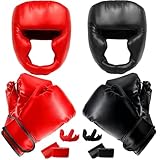
Ever wondered how those cool logos and designs end up on your boxing gloves? It’s a process that combines art, technology, and a little bit of elbow grease. Boxing glove printing isn’t just about slapping ink onto leather; it’s about creating a durable, eye-catching design that can withstand the rigors of training and competition. Whether you’re a gym owner looking to personalize your equipment, a brand wanting to make a statement, or just a curious enthusiast, this guide will walk you through the ins and outs of boxing glove printing.
We’ll cover everything from the different printing methods and materials to the essential equipment and techniques. You’ll learn how to choose the right design, prepare your gloves, and execute the printing process with precision. Get ready to transform plain gloves into personalized works of art, or understand how the process works for your next equipment purchase. This is your go-to resource for all things boxing glove printing.
Understanding Boxing Glove Materials
Before we jump into printing, it’s crucial to understand the materials boxing gloves are made of. This knowledge directly impacts which printing methods will work best and how durable your designs will be.
Leather Gloves
Leather is the gold standard for boxing gloves. It offers excellent durability, comfort, and a professional feel. However, different types of leather exist, each with its own characteristics:
- Genuine Leather: This is a broad term that can encompass various leather qualities. It’s often more affordable but might not be as durable as other types.
- Full-Grain Leather: This is the highest quality leather, known for its strength, natural grain, and resistance to wear and tear. It develops a beautiful patina over time. Printing on full-grain leather often yields the best results in terms of longevity and detail.
- Top-Grain Leather: This leather has had the top layer split off, making it slightly less durable than full-grain but still of high quality. It’s a common choice for boxing gloves and takes printing well.
- Split Leather: Split leather is taken from the underlayer of the hide. It’s generally less expensive but also less durable and more prone to cracking or peeling. Printing on split leather can be challenging and might require specific inks and techniques.
Synthetic Gloves
Synthetic gloves are made from materials like polyurethane (PU) or polyvinyl chloride (PVC). They are typically more affordable than leather gloves and require less maintenance. However, they might not be as breathable or durable. Synthetic gloves pose unique challenges for printing due to the nature of the materials.
- PU (Polyurethane): PU gloves often offer a good balance of performance and affordability. They are generally more flexible and can be a good printing surface if prepped correctly.
- PVC (Polyvinyl Chloride): PVC gloves are very inexpensive but can be less durable and less resistant to cracking. Printing on PVC can be tricky, and the design might not last as long.
Material Impact on Printing
The type of material significantly influences the printing method and ink selection. For example, leather gloves might be suitable for screen printing or heat transfer, while synthetic gloves might require specialized inks that adhere better to the surface. It’s crucial to consider the material’s texture, flexibility, and porosity when choosing a printing method.
Choosing the Right Printing Method
Several printing methods are used for boxing gloves, each with its advantages and disadvantages. The best choice depends on your design, budget, the glove material, and the quantity of gloves you need to print.
Screen Printing
Screen printing is a versatile and widely used method for printing on various materials, including leather and synthetic gloves. It involves using a stencil (screen) to transfer ink onto the glove’s surface. Each color in your design requires a separate screen.
- How it Works: A mesh screen is stretched tightly over a frame. A stencil is created on the screen, blocking the ink from passing through in certain areas. Ink is then forced through the open areas of the screen onto the glove using a squeegee.
- Pros:
- Durable: Screen-printed designs are generally very durable and can withstand wear and tear.
- Versatile: Works well on both leather and synthetic materials.
- Cost-Effective for Larger Quantities: The setup costs can be higher, but the cost per glove decreases with larger print runs.
- Vibrant Colors: Allows for bright, opaque colors.
- Cons:
- Setup Time: Requires creating screens for each color, which can be time-consuming.
- Not Ideal for Complex Designs: Best suited for designs with a limited number of colors and solid areas.
- Initial Investment: Requires equipment like screens, a squeegee, and a screen printing setup.
Heat Transfer (heat Press)
Heat transfer involves transferring a pre-printed design onto the glove using heat and pressure. It’s a good option for designs with multiple colors or complex details.
- How it Works: A design is printed onto a special heat transfer paper or vinyl. The transfer is then placed on the glove, and a heat press applies heat and pressure, bonding the design to the surface.
- Pros:
- Suitable for Complex Designs: Can reproduce intricate designs and gradients.
- Quick Turnaround: Relatively fast process, especially for small quantities.
- Cost-Effective for Small Runs: Minimal setup costs.
- Cons:
- Durability Can Vary: The durability of the design depends on the quality of the transfer paper and the heat press process.
- Not Always Ideal for Leather: Might not adhere as well to certain leather types.
- Feel: Can sometimes result in a slightly raised or textured feel on the glove.
Digital Printing (direct-to-Garment or Dtg)
Digital printing, also known as direct-to-garment (DTG) printing, is a modern method that uses inkjet technology to print designs directly onto the glove’s surface. It’s ideal for intricate designs and small print runs.
- How it Works: A specialized printer sprays ink directly onto the glove’s surface, using CMYK colors to create the design.
- Pros:
- High Detail: Can reproduce complex designs with fine details.
- Full-Color Printing: Allows for a wide range of colors and gradients.
- Suitable for Small Runs: Cost-effective for printing individual gloves or small batches.
- No Screen Setup: Eliminates the need for screens, saving time and money.
- Cons:
- Slower Print Speed: Can be slower than other methods, especially for large quantities.
- Ink Cost: The cost of ink can be higher.
- Material Compatibility: Requires specific inks and pre-treatment for optimal results on certain materials (e.g., leather).
Embroidery
While not a printing method, embroidery is another way to add designs to boxing gloves. It involves stitching the design onto the glove using threads. Embroidery offers a premium look and excellent durability. (See Also: How Should Boxing Gloves Fit )
- How it Works: A design is digitized, and an embroidery machine stitches the design onto the glove using various colored threads.
- Pros:
- Durable: Extremely durable and resistant to wear and tear.
- Premium Look: Offers a high-quality, professional appearance.
- Textured Feel: Adds a tactile element to the design.
- Cons:
- Limited Detail: Not ideal for very intricate designs.
- Cost: Can be more expensive than printing methods, especially for complex designs.
- Setup Time: Requires digitizing the design for the embroidery machine.
Choosing the Right Method – a Comparison Table
Here’s a quick comparison of the printing methods:
| Method | Best For | Pros | Cons |
|---|---|---|---|
| Screen Printing | Large quantities, simple designs, leather & synthetic | Durable, versatile, cost-effective for large runs, vibrant colors | Setup time, not ideal for complex designs, initial investment |
| Heat Transfer | Small runs, complex designs, multiple colors | Quick turnaround, cost-effective for small runs | Durability can vary, not always ideal for leather, textured feel |
| Digital Printing (DTG) | Small runs, intricate designs, full-color | High detail, full-color printing, suitable for small runs, no screen setup | Slower print speed, ink cost, material compatibility |
| Embroidery | Durability, premium look | Extremely durable, premium appearance, textured feel | Limited detail, cost, setup time |
Design Considerations
The design you choose is critical to the final look and feel of your printed boxing gloves. Consider these factors:
Design Complexity
Keep it simple, especially if you’re screen printing. Complex designs with many colors and fine details are better suited for heat transfer or digital printing.
Color Palette
Choose colors that complement the glove’s base color and the overall aesthetic. Consider the impact of color on the design’s visibility and legibility. Also, think about how the colors will appear on the specific materials.
Font Choices
If your design includes text, select fonts that are clear, legible, and match the overall style of your gloves. Avoid overly intricate or thin fonts that might be difficult to read, especially on gloves that will be used during training or competition.
Placement
Consider where the design will be placed on the glove. Common locations include the wrist strap, the back of the hand, the thumb, and the palm. Placement should not interfere with the glove’s functionality or the boxer’s performance.
Design Files
Prepare your design files in the correct format for your chosen printing method. Vector files (e.g., AI, EPS, SVG) are generally preferred for screen printing and embroidery, as they can be scaled without losing quality. Raster files (e.g., JPG, PNG) can be used for heat transfer and DTG printing, but ensure the resolution is high enough to prevent pixelation.
Preparing the Gloves for Printing
Proper preparation is crucial for a successful print. The steps involved vary depending on the printing method and the glove material.
Cleaning the Gloves
Clean the gloves thoroughly to remove any dirt, dust, or oils that could interfere with ink adhesion. Use a mild soap and water solution and allow the gloves to dry completely. For leather gloves, you might consider using a leather cleaner.
Surface Preparation
Some materials require surface preparation to ensure proper ink adhesion. For example, synthetic gloves might need to be treated with a primer or adhesion promoter before printing. This step is particularly important for screen printing and DTG printing. (See Also: How To Make Mini Boxing Gloves )
Masking and Alignment
Decide on the exact placement of your design and use masking tape or stencils to define the printing area. This helps to ensure accurate alignment and prevents ink from spreading beyond the desired area. Consider using alignment jigs or templates to make the process easier.
Pre-Treatment (for Dtg)
For digital printing (DTG) on certain materials, you might need to pre-treat the gloves with a special solution to help the ink adhere to the surface. This step is especially important for dark-colored gloves. The pre-treatment solution creates a better bond between the ink and the material, leading to more vibrant colors and improved durability.
Printing Techniques
Let’s dive into the specifics of each printing method.
Screen Printing Techniques
- Prepare the Screen: Ensure the screen is clean and properly stretched. Apply the stencil to the screen using a photo emulsion process.
- Position the Glove: Secure the glove on a printing platen or jig to keep it stable during printing.
- Apply the Ink: Place the screen over the glove in the correct position. Pour a small amount of ink onto the screen.
- Squeegee the Ink: Using a squeegee, apply even pressure and pull the ink across the screen. This forces the ink through the open areas of the stencil onto the glove.
- Cure the Ink: After printing, allow the ink to cure according to the manufacturer’s instructions. This usually involves heat.
- Repeat for Each Color: If your design has multiple colors, repeat steps 3-5 for each color, using a separate screen for each. Precise registration (aligning the screens) is crucial.
Heat Transfer Techniques
- Print the Design: Print your design onto heat transfer paper or vinyl using a specialized printer.
- Cut the Design: If using vinyl, cut out the design using a vinyl cutter.
- Position the Transfer: Place the transfer onto the glove in the desired location.
- Apply Heat and Pressure: Use a heat press to apply heat and pressure to the transfer for the recommended time and temperature. This bonds the design to the glove.
- Remove the Transfer: Carefully peel away the transfer paper or vinyl backing.
Digital Printing (dtg) Techniques
- Prepare the Glove: Clean and pre-treat the glove if necessary.
- Load the Glove: Secure the glove onto the DTG printer’s platen.
- Print the Design: Load your design file into the printer’s software and print directly onto the glove.
- Cure the Ink: After printing, cure the ink using a heat press or a conveyor dryer.
Embroidery Techniques
- Digitize the Design: Use embroidery software to convert your design into a format that the embroidery machine can read.
- Hoop the Glove: Secure the glove in an embroidery hoop, ensuring it’s taut.
- Position the Glove: Place the hoop onto the embroidery machine.
- Embroider the Design: The embroidery machine will stitch the design onto the glove using the digitized file.
- Trim and Finish: Remove the glove from the hoop and trim any loose threads.
Choosing the Right Inks and Materials
The choice of inks and materials is critical for the durability and appearance of your printed boxing gloves.
Ink Types
- Screen Printing Inks:
- Plastisol Inks: These are durable, opaque, and work well on various materials. They require heat to cure.
- Water-Based Inks: These are more eco-friendly and offer a softer feel, but might not be as durable as plastisol.
- Heat Transfer Materials:
- Heat Transfer Vinyl (HTV): Durable and versatile, available in various colors and finishes.
- Heat Transfer Paper: Suitable for printing complex designs, but durability can vary.
- DTG Inks:
- Pigment Inks: Designed for direct printing on fabrics, offering good color vibrancy and durability.
Material Compatibility
Choose inks and materials that are compatible with the glove material. For example, use inks specifically designed for leather or synthetic materials. Always test the inks on a scrap piece of material first to ensure they adhere properly and produce the desired results.
Durability Considerations
Prioritize durability, especially for gloves used in training or competition. Choose inks and printing methods known for their resistance to wear, abrasion, and cracking. Consider adding a protective coating or sealant to the printed design to further enhance its durability.
Post-Printing Processes
After printing, several steps can enhance the design’s durability and appearance.
Curing and Drying
Curing the ink is essential to ensure it bonds properly to the glove’s surface. Follow the ink manufacturer’s instructions for curing temperature and time. Proper drying is also crucial for heat transfer and DTG printing.
Protective Coatings
Consider applying a protective coating to the printed design to enhance its durability and resistance to wear and tear. These coatings can protect against scratches, abrasions, and fading. There are various types of coatings available, including clear coats and sealants.
Quality Control
Inspect the printed gloves carefully to ensure the design is accurate, the colors are vibrant, and the print quality is high. Look for any defects, such as smudging, misprints, or uneven ink coverage. Address any issues promptly. (See Also: How Much Pro Boxing Glove Weight )
Troubleshooting Common Problems
Even with careful planning, you might encounter issues during the printing process.
Ink Adhesion Issues
If the ink isn’t adhering properly, it could be due to several factors: improper surface preparation, incompatible inks, or incorrect curing. Ensure the gloves are clean, pre-treat the surface if necessary, and use the correct ink type for the material. Check the curing process and adjust the time and temperature if needed.
Color Issues
Color variations can occur due to several reasons, including incorrect color profiles, ink mixing problems, or improper curing. Calibrate your printer and monitor to ensure accurate color reproduction. Double-check your ink mixing ratios and follow the manufacturer’s instructions. Ensure the curing process is correct to lock in the colors.
Durability Issues
If the design is wearing off too quickly, it could be due to several factors: incorrect ink type, insufficient curing, or lack of a protective coating. Use durable inks specifically designed for the glove material. Ensure the ink is fully cured. Apply a protective coating to increase the design’s abrasion resistance.
Alignment Problems
Misaligned designs can be frustrating. Use alignment tools, such as jigs or templates, to ensure the design is placed correctly on the glove. Double-check your registration marks when screen printing to ensure the colors line up correctly.
Where to Get Help and Resources
There are numerous resources available to help you with boxing glove printing.
Online Tutorials and Guides
YouTube is a great resource for video tutorials on various printing methods. Search for specific techniques, such as screen printing on leather or DTG printing on synthetic materials. Many websites and blogs offer detailed guides and tips on printing.
Printing Suppliers
Printing suppliers offer valuable resources, including product information, technical support, and troubleshooting advice. They can help you select the right inks, equipment, and materials for your project. Don’t hesitate to contact them for assistance.
Professional Printers
If you’re unsure about the process or don’t have the necessary equipment, consider using a professional printing service. They have the expertise, equipment, and experience to produce high-quality prints on boxing gloves.
Online Forums and Communities
Join online forums and communities dedicated to printing and customization. You can connect with other enthusiasts, share tips and techniques, and get help with any challenges you encounter.
Final Verdict
Boxing glove printing is a rewarding process that allows you to personalize your equipment or create unique designs for your brand. By understanding the different printing methods, materials, and techniques, you can achieve professional-looking results. Remember to choose the right method for your needs, prepare your gloves meticulously, and pay attention to design details. With practice and patience, you can transform ordinary boxing gloves into custom works of art. The key is to experiment, learn from your mistakes, and enjoy the creative process. Whether you’re a seasoned pro or just starting out, there’s always something new to learn and explore in the world of boxing glove printing. Have fun and get creative!