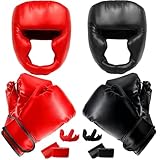
So, you’re stepping into the world of boxing, or maybe you’re just curious about what it entails. One of the first things you’ll likely encounter is the question: are boxing gloves necessary? The short answer is a resounding yes, but the reasons why are far more complex and interesting than you might think. Boxing gloves aren’t just a piece of equipment; they’re a cornerstone of safety, performance, and the very culture of the sport. Without them, you’re not just boxing; you’re risking serious injury.
In this comprehensive guide, we’ll explore why boxing gloves are absolutely essential. We’ll examine their critical role in protecting both you and your sparring partners, the different types available, how to choose the right pair, and how to properly care for them. We’ll also delve into the nuances of glove weight, materials, and the impact they have on your training and performance. Get ready to wrap up your knowledge and punch your way to understanding!
The Crucial Role of Boxing Gloves: Safety First
The primary reason boxing gloves are necessary is, quite simply, safety. Boxing is a high-impact sport, and without proper protection, the potential for injury is significant. Let’s break down the key areas where gloves make a difference.
Protecting Your Hands
Your hands are intricate and fragile structures composed of numerous small bones, tendons, and ligaments. A bare-knuckle punch can deliver a force of hundreds of pounds, and that force is concentrated on a very small area. This is a recipe for disaster. Boxing gloves disperse this force across a larger surface area, significantly reducing the impact on your hands. This minimizes the risk of fractures, sprains, and other hand injuries that can sideline you for weeks or even months.
Protecting Your Opponent
It’s not just about protecting yourself; boxing gloves are equally crucial for the safety of your sparring partners and opponents. A bare-knuckle punch, or even a punch with minimal padding, can cause severe facial injuries, including cuts, broken noses, and eye injuries. Gloves, with their padded surface, help to cushion the impact and reduce the likelihood of these types of injuries. This is especially important during training, where you’ll be sparring frequently.
Preventing Cuts and Abrasions
Bare knuckles are sharp. The skin is vulnerable. Boxing gloves provide a barrier against cuts and abrasions. Even a glancing blow with a bare hand can cause significant damage. The gloves, with their leather or synthetic outer layer, help to minimize friction and protect the skin from damage.
Understanding the Anatomy of a Boxing Glove
Boxing gloves aren’t just simple padded mitts. They’re carefully designed pieces of equipment with specific features that contribute to their effectiveness. Let’s take a closer look at the key components.
The Padding
The padding is, without a doubt, the most critical element of a boxing glove. It’s the material that absorbs the impact of a punch. Padding is typically made from layers of foam, latex, or a combination of both. The density and composition of the padding determine its ability to absorb force and protect both the boxer and their opponent. Higher-quality gloves often use multiple layers of different types of foam to provide superior protection and cushioning.
The Outer Layer (the Shell)
The outer layer, or shell, of a boxing glove provides structure and durability. It’s typically made from leather or synthetic materials like polyurethane (PU) or polyvinyl chloride (PVC). Leather gloves are generally considered to be more durable and long-lasting, but they also tend to be more expensive. Synthetic gloves can be a more budget-friendly option, but they may not hold up as well over time. The shell also contributes to the glove’s overall weight and feel.
The Wrist Support
Wrist support is crucial for preventing injuries during a punch. The wrist is a vulnerable area, and a poorly supported wrist can be easily sprained or fractured. Boxing gloves have features like a hook-and-loop closure (Velcro) or a lace-up system to provide support and stability. The type of closure affects the glove’s fit and the level of wrist support it provides.
The Thumb
The thumb area of a boxing glove is also carefully designed to protect the thumb from injury. The thumb is often attached to the main body of the glove, which helps to keep it in a protected position. Some gloves feature a separate thumb compartment for enhanced protection and flexibility.
Types of Boxing Gloves: Finding the Right Fit
There’s a wide variety of boxing gloves available, each designed for a specific purpose. Choosing the right type of glove is essential for both your safety and your training goals. Let’s explore the most common types. (See Also: How Much Is Aqua Boxing Gloves Worth )
Training Gloves
Training gloves are the most versatile type of boxing glove. They’re designed for general training purposes, including bag work, pad work, and sparring. Training gloves typically have a thicker padding than competition gloves, providing more protection for both the boxer and their training partner. They often feature a hook-and-loop closure for ease of use.
Sparring Gloves
Sparring gloves are specifically designed for sparring sessions. They usually have a softer padding than training gloves to reduce the impact and the risk of injury during sparring. They often have a larger surface area to further disperse the force of the punch. Sparring gloves are crucial for protecting your sparring partners and making sure training stays safe.
Competition Gloves
Competition gloves are used during official boxing matches. They typically have a thinner padding than training or sparring gloves, as the focus is on punching power and speed. Competition gloves are usually laced up for a secure fit, and they must meet strict regulations set by boxing organizations. These gloves are designed to maximize punching power and the scoring of points during a match.
Bag Gloves
Bag gloves are designed specifically for heavy bag training. They usually have a thinner padding than training gloves, as the focus is on the impact of the punch on the bag, and they’re often more compact. They’re not recommended for sparring due to the reduced padding.
Specialty Gloves
There are also specialty gloves designed for specific training purposes. These include speed bag gloves, which are lightweight and designed for fast punching on a speed bag, and MMA gloves, which are designed for mixed martial arts and allow for grappling.
Choosing the Right Boxing Gloves: A Practical Guide
Selecting the right pair of boxing gloves can seem daunting, but by considering a few key factors, you can make an informed decision. Here’s what you need to know.
Weight
Glove weight is measured in ounces (oz) and is a critical factor in choosing the right gloves. The weight of the glove affects the level of protection it provides and the intensity of your workouts. Heavier gloves offer more protection but can also slow down your punches and increase fatigue. Lighter gloves allow for faster punches but provide less protection. Here’s a general guide:
- Beginners: 12 oz or 14 oz gloves are usually recommended for training.
- Sparring: 16 oz gloves are often used for sparring to provide maximum protection.
- Competition: Competition gloves are typically 8 oz or 10 oz, depending on the weight class.
Size
Glove size is not the same as glove weight. Glove size is related to the fit of the glove. Gloves should fit snugly but not too tight, leaving enough room for hand wraps. You can use the following steps to find your glove size:
- Measure your hand: Measure the circumference of your hand around the knuckles, excluding the thumb.
- Consult the size chart: Most boxing glove manufacturers provide a size chart that correlates hand circumference with glove size.
- Try them on: Always try on the gloves with hand wraps to ensure a proper fit.
Material
The material of the gloves affects their durability, comfort, and price.
- Leather gloves: Leather gloves are more durable and long-lasting but are often more expensive. They offer good breathability and a comfortable fit.
- Synthetic gloves: Synthetic gloves (PU or PVC) are a more budget-friendly option. They may not be as durable as leather gloves, but they can still provide adequate protection for recreational use.
Closure
The closure system affects the glove’s fit and the level of wrist support.
- Hook-and-loop (Velcro) gloves: Easy to put on and take off, making them convenient for training. They offer good wrist support.
- Lace-up gloves: Provide a more secure and customized fit, offering superior wrist support. They require assistance to put on and take off.
Padding
The padding material and the way it’s layered affect the glove’s ability to absorb shock and protect your hands and your partner. Consider: (See Also: How To Put On Boxing Shoes )
- Foam padding: Offers good shock absorption and protection.
- Latex padding: Provides a more responsive feel and can offer a more “snappy” punch.
- Multiple layers: Gloves with multiple layers of different foam densities offer superior protection.
Brand Reputation and Reviews
Research different brands and read reviews from other boxers. This can help you get an idea of the quality, durability, and overall performance of the gloves.
How to Properly Wrap Your Hands
Wearing boxing gloves alone isn’t enough to protect your hands. Hand wraps are essential for providing additional support and cushioning. They also absorb sweat, which helps to extend the life of your gloves. Here’s how to properly wrap your hands:
- Start with the thumb: Place the loop of the wrap over your thumb and wrap around your wrist several times.
- Wrap the wrist: Wrap the wrap around your wrist, providing support.
- Wrap the knuckles: Wrap around your knuckles several times to provide cushioning.
- Wrap between the fingers: Wrap between your fingers, providing additional support.
- Finish with the wrist: Secure the wrap around your wrist.
There are many different hand wrapping techniques. Experiment to find what works best for you, and watch videos to learn the proper techniques.
Caring for Your Boxing Gloves: Extending Their Life
Proper care is essential to prolong the life of your boxing gloves and maintain their performance. Here are some tips:
Air Them Out
After each training session, remove your gloves from your bag and allow them to air dry. This helps to prevent the growth of bacteria and the development of odors.
Use a Glove Deodorizer
Consider using a glove deodorizer or anti-bacterial spray to help eliminate odors and kill bacteria. This will keep your gloves smelling fresh and prevent the buildup of germs.
Clean the Exterior
Wipe down the exterior of your gloves with a damp cloth after each use to remove sweat and dirt. Use a mild soap if needed.
Store Properly
Store your gloves in a well-ventilated area, away from direct sunlight and extreme temperatures. A mesh bag or a dedicated glove compartment can help to keep them organized and protected.
Rotate Gloves
If you train frequently, consider having multiple pairs of gloves and rotating them. This allows each pair to dry completely between uses, extending their lifespan.
Boxing Gloves and Performance: Beyond Safety
While safety is the primary reason for using boxing gloves, they also play a significant role in your performance. The right gloves can enhance your punching power, speed, and technique.
Impact on Punching Power
The padding in boxing gloves absorbs some of the impact, but also allows you to generate more force. Gloves provide a more consistent striking surface, allowing you to focus on your technique and deliver more powerful punches. The weight of the gloves also contributes to the force behind your punches. Heavier gloves can help to build strength and power. (See Also: Are The Quick Hand Wraps Boxing Any Good )
Impact on Punching Speed
While heavier gloves may slow down your punches slightly, the right gloves can also help you develop speed. By using gloves with a good fit and a comfortable feel, you can improve your hand speed and coordination. The lighter the glove, the faster the punch. The training will prepare you for the speed of a match.
Impact on Technique
Boxing gloves can also help you refine your technique. The larger surface area of the gloves encourages you to focus on proper form and avoid sloppy punches. Gloves also help to protect your hands and wrists, allowing you to practice your technique more safely and consistently. The correct gloves will reinforce good habits.
The Risks of Not Using Boxing Gloves
The risks of not using boxing gloves are severe and should not be taken lightly. It’s not worth the risk. The consequences can range from minor injuries to career-ending damage.
Hand Injuries
Without gloves, your hands are highly vulnerable to fractures, sprains, and other injuries. A single bare-knuckle punch can break bones or tear ligaments. Hand injuries can take months to heal, putting your training and your boxing career on hold.
Facial Injuries
Bare-knuckle punches can cause serious facial injuries, including cuts, broken noses, and eye injuries. These injuries can be painful, disfiguring, and can lead to long-term health problems.
Increased Risk of Concussions
While boxing gloves can’t eliminate the risk of concussions, they do help to reduce it. Without gloves, the impact of a punch is significantly increased, which can lead to a higher risk of concussions and other head injuries.
Legal and Ethical Considerations
In most boxing gyms and organized boxing events, the use of boxing gloves is mandatory. Not using gloves can lead to legal and ethical issues. You could be banned from training or competing, and you could be held liable for any injuries you cause to others.
Are Boxing Gloves Necessary? The Definitive Answer
So, are boxing gloves necessary? Absolutely. They are essential for safety, performance, and the overall culture of the sport. They protect your hands, your training partners, and your career. From the padding and the shell to the closure system and the weight, every aspect of a boxing glove is designed to minimize risk and maximize performance. Whether you’re a beginner or a seasoned pro, choosing the right gloves and caring for them properly is a fundamental aspect of boxing. Don’t take shortcuts; invest in quality gloves and train safely. The benefits are clear: reduced injury risk, enhanced performance, and a longer, more fulfilling boxing experience.
Conclusion
Boxing gloves are non-negotiable for anyone participating in boxing. They are the cornerstone of a safe and effective training regimen. The protection they provide extends to both the boxer and their sparring partners, ensuring a healthier and more enjoyable experience.
Choosing the right gloves involves understanding the different types, weights, and materials available, along with proper hand wrapping techniques. This knowledge will set you up for success. Proper care and maintenance will also extend the life of your gloves and optimize their performance.
The answer is a resounding yes: boxing gloves are absolutely necessary for anyone who wants to train and compete in the sport of boxing, or even just learn the basics. They are an investment in your safety, your performance, and your future in the sport. Prioritize your safety and enjoy the sport!